

Featured image for how to Minimalist living room organization
Image source: dmirg0euibbrq.cloudfront.net
Keeping a minimalist home organized daily is less about perfection and more about small, repeatable habits. When you reduce clutter and create simple routines, your space feels calmer and easier to maintain. This guide shows you how to build a daily system that fits real life.
A minimalist home organized daily is not about living with almost nothing. It is about making room for what matters and removing the extra stuff that slows you down. When your home has fewer objects and simpler routines, cleanup takes less time and feels less stressful. That is the real goal here: not a perfect showroom, but a space that supports your day.
If you have ever felt overwhelmed by clutter, you are not alone. Many people try to organize everything at once and then give up because the system is too complicated. A better approach is to build small habits that are easy to repeat. This guide walks you through a practical daily process, from quick resets to smarter storage choices. You will learn how to keep your space tidy without spending your whole weekend on it.
By the end of this guide, you will have a simple plan for morning, afternoon, and evening habits. You will also learn how to handle common trouble spots like mail, dishes, shoes, and laundry. Most importantly, you will see how a minimalist mindset can make organization feel lighter and more sustainable.
📑 Table of Contents
- Why Daily Organization Matters in a Minimalist Home
- Step One: Build a Simple Daily Reset Routine
- Step Two: Give Every Item a Clear Home
- Step Three: Clear Surfaces Before You Finish the Day
- Step Four: Handle Common Clutter Zones Every Day
- Step Five: Make Minimalist Storage Easy to Maintain
- Step Six: Limit New Items Before They Become Clutter
- Step Seven: Get the Whole Household Involved
- Troubleshooting: What to Do When Your System Slips
- How to Keep the Habit Going Long Term
- Final Thoughts on Daily Minimalist Organization
Why Daily Organization Matters in a Minimalist Home
A minimalist home works best when it is easy to maintain. If you own fewer things, you still need a rhythm that keeps those things in order. Daily organization helps you catch small messes before they turn into big projects. It also reduces decision fatigue because you are not constantly asking yourself where something belongs.
Think of daily organization as a short reset rather than a deep clean. You are not trying to scrub every surface or reorganize every drawer. You are simply returning the home to a calm baseline. That baseline makes cooking, working, relaxing, and getting ready in the morning much easier.
This approach is especially helpful for busy households. When everyone knows the basic routine, there is less back-and-forth about whose job it is to put things away. A simple daily system can also make it easier to notice when a space is starting to drift off track.
Step One: Build a Simple Daily Reset Routine
The easiest way to keep a home organized is to create one short reset routine. This routine should be realistic for your schedule, not idealistic. Even ten to fifteen minutes can make a big difference if you use the time well. The key is consistency, not intensity.
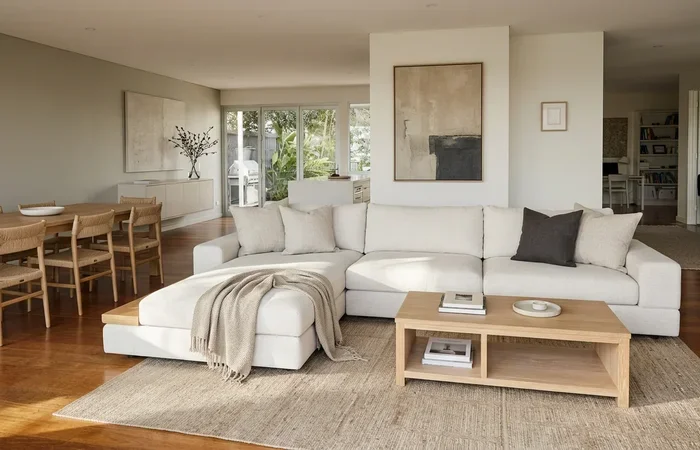
Visual guide about how to Minimalist living room organization
Image source: dmirg0euibbrq.cloudfront.net
Set a fixed time for your reset
Choose a time that you can repeat most days. Many people prefer right before dinner or just before bed. The exact time matters less than the habit itself. When the reset happens at a predictable time, it becomes easier to remember and easier to maintain.
Focus on high-impact areas first
Start with the places that make the biggest visual difference. Tables, counters, entryways, and floors often create the strongest sense of order. If those areas are clear, the whole room feels more organized even if some drawers are still messy.
Use a simple three-step flow
A good reset usually follows a predictable pattern: put things away, remove trash, and wipe or straighten surfaces. You do not need a complicated checklist. The goal is to return items to their homes and clear the spaces you use most often.
Step Two: Give Every Item a Clear Home
Minimalism and organization work best together when every object has a place. If something does not have a home, it tends to drift onto counters, chairs, or floors. That creates visual clutter and makes cleanup harder. Assigning a home for each item removes that guesswork.
Group similar items together
Keep like with like. All batteries go in one spot, all charging cables in another, and all cooking tools near the kitchen tasks they support. Grouping items makes them easier to find and easier to put back. It also helps you notice when you have too many duplicates.
Store items near where they are used
A practical home is one that matches your habits. If you always set your keys down near the door, that is where a small bowl or hook makes sense. If you always fold laundry in one room, keep the basket there. The fewer steps between use and storage, the more likely the item will be put away.
Use simple containers that are easy to maintain
You do not need fancy storage to stay organized. Clear bins, baskets, and small boxes can be very effective when they are labeled or easy to recognize. The best containers are the ones you will actually use, not the ones that look perfect on a shelf.
Step Three: Clear Surfaces Before You Finish the Day
Clear surfaces create a surprising amount of calm. When counters, tables, and floors are mostly open, the room feels more spacious and easier to navigate. This is one of the fastest ways to make a minimalist home feel organized.
Start with the main gathering spots
Look first at the places where items tend to collect. Entry tables, kitchen counters, coffee tables, and nightstands are common examples. Remove anything that does not belong there, and only keep out the things you use regularly.
Limit what stays out permanently
A minimalist surface is not necessarily an empty one. It can hold a lamp, a plant, a bowl, or a few everyday items. The point is to avoid piling on extras. If an object is decorative but always gets covered by clutter, it may be better to move it somewhere else.
Make surface clearing part of your reset
You do not need a separate project for this. During your daily reset, quickly scan each important surface and remove what does not belong. This small habit prevents clutter from becoming invisible because it is always there.
Step Four: Handle Common Clutter Zones Every Day
Some areas of the home create clutter faster than others. Mail, dishes, shoes, bags, and laundry are classic examples. If you give these zones a little attention each day, they are much easier to control.
Create a mail and paper habit
Paper clutter often builds because it is easy to set aside and forget. Open mail near a trash bin, recycle envelopes you do not need, and sort important papers right away. If you need to keep something, place it in one designated spot instead of leaving it on a counter.
Keep dishes moving
A sink full of dishes can make the whole kitchen feel chaotic. Try to wash, load, or stack dishes at a consistent point in the day. If possible, handle them before the kitchen is needed for the next meal. That keeps the space usable and reduces stress.
Manage shoes, bags, and coats at the entry
The entryway is often the first place clutter appears. A simple routine for shoes, bags, and outerwear can keep the whole home feeling tidier. Hooks, a small bench, or a defined floor spot can make it easier for everyone to follow the habit.
Stay on top of laundry
Laundry is easier to manage when it does not sit in piles for days. Even if you cannot fold everything immediately, putting clothes away in stages helps. A basket, a chair, or a designated folding spot can keep the process moving instead of stalling.
Step Five: Make Minimalist Storage Easy to Maintain
Good storage should reduce friction, not add it. If a storage system is too complicated, people stop using it. The best minimalist storage is simple, visible, and easy to return to after daily use.
Keep frequently used items easy to reach
Store everyday items at eye level or within easy reach. This saves time and makes it more likely that items will be put back correctly. Less-used items can go in higher or lower storage spaces.
Use open storage carefully
Open shelves and open bins can look clean and simple, but they also show clutter quickly. If you use them, keep only the essentials visible. Anything that tends to look messy should probably live in a drawer, cabinet, or covered container.
Avoid overfilling storage areas
A stuffed shelf is harder to keep organized than a moderately filled one. When storage is overcrowded, items get pushed around and forgotten. Leaving a little breathing room makes daily upkeep much easier.
Step Six: Limit New Items Before They Become Clutter
A minimalist home stays organized more easily when new items are brought in thoughtfully. Every object you add needs space, attention, and eventually a place to live. If you are trying to maintain order, it helps to slow down before buying or accepting more things.
Pause before purchasing
A simple pause can prevent a lot of clutter. Ask yourself whether the item solves a real problem, replaces something broken, or truly improves your daily life. If it is only a temporary want, it may be better to wait.
Choose quality over quantity when possible
Fewer, better items often make a home easier to manage. When objects are useful and durable, you are less likely to replace them often. That means less packaging, fewer decisions, and less stuff to organize later.
Be careful with free items and gifts
Not every gift or free item needs to stay in your home. If something does not fit your space or your habits, it can become clutter quickly. It is okay to thank someone and then decide that the item is not right for you.
Step Seven: Get the Whole Household Involved
A home is easier to keep organized when everyone understands the basic expectations. That does not mean strict rules or constant reminders. It means creating a shared rhythm that feels fair and realistic.
Keep expectations simple
Clear expectations work better than complicated ones. For example, “put your shoes by the door,” “place your cup in the sink,” or “return borrowed items to the basket” are easy to understand. The simpler the habit, the more likely it is to stick.
Make storage obvious
If someone keeps messing up a system, the problem may be the setup rather than the person. Storage should be intuitive. Labels, open bins, and clearly defined spots can help children and adults alike.
Do a quick family reset when needed
A short shared reset can be useful, especially in busy homes. Set a timer for a few minutes and tidy together. This turns organization into a normal part of the day instead of a solo burden.
Troubleshooting: What to Do When Your System Slips
Even the best routine can drift. Life gets busy, visitors come over, or energy runs low. The important thing is not to treat a messy week as a failure. Use it as a signal to simplify and restart.
When clutter starts spreading again
If items are landing on surfaces more often, check whether they have a clear home. Sometimes the issue is not laziness but a storage setup that is inconvenient. Move the item’s home closer to where it is used.
When you feel too busy to tidy
Shrink the routine. Instead of a full reset, choose one surface, one basket, or one room for five minutes. A tiny win is better than waiting for the perfect time to do everything.
When one room keeps getting messy
Look at how that room is being used. A space that collects clutter may be serving too many purposes. If possible, reduce the number of activities that happen there or give the room a clearer function.
When you feel overwhelmed by too much stuff
Start with the easiest category, not the hardest one. Trash, recycling, dishes, and misplaced items are often the quickest wins. Once those are handled, the room usually feels more manageable and you can keep going if you want to.
How to Keep the Habit Going Long Term
Daily organization is not about being perfect forever. It is about building a rhythm that survives real life. The more your routine matches your actual habits, the more likely it is to last.
It also helps to review your system occasionally. A room that used to work may need a small adjustment after a change in schedule, seasons, or household needs. Small tweaks are normal and healthy. They keep the system useful instead of rigid.
If you ever feel stuck, return to the basics: clear the main surfaces, put away what belongs somewhere else, and remove what you do not need. That simple sequence can reset almost any space.
Final Thoughts on Daily Minimalist Organization
A minimalist home organized daily is built through small choices repeated over time. You do not need an elaborate system or a perfect aesthetic. You need a few clear habits, a sensible place for each item, and a routine that keeps clutter from piling up. When those pieces are in place, your home feels easier to live in and easier to maintain.
Start with one room, one surface, or one daily reset. Keep it simple enough that you can actually do it on a busy day. Over time, those small efforts add up to a home that feels calmer, lighter, and more supportive of your everyday life.