
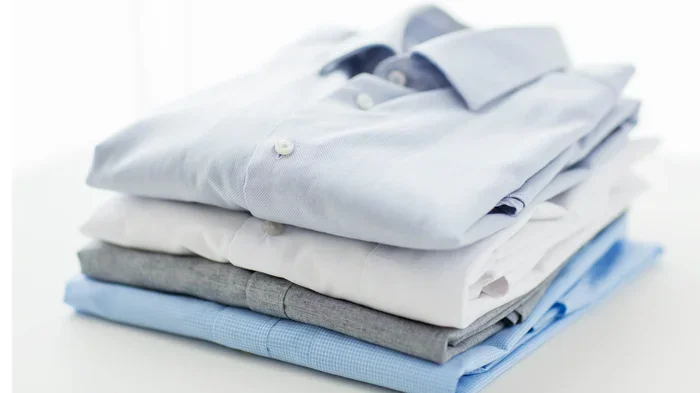
Featured image for how to folded shirts stacked neatly
Image source: cdn.mos.cms.futurecdn.net
If your folded shirts keep toppling in drawers or bins, the problem is usually the folding method, the storage space, or the way the stacks are built. Small changes in fold size, stack height, and divider use can make a big difference. This guide shows easy ways to keep shirts upright, tidy, and easier to grab.
If you have ever opened a drawer and found a leaning tower of folded shirts, you know how frustrating it can be. You fold them carefully, but a few days later they look messy again. The good news is that this is usually a storage and folding problem, not a you problem. Once you adjust a few simple things, your shirts can stay neat much longer. In this guide, you will learn how to keep folded shirts from falling over using practical habits that are easy to maintain.
The main idea is straightforward. Shirts fall over when they are stacked in a way that is unstable, crowded, or hard to maintain. That can happen in a dresser drawer, a storage bin, a shelf, or even a closet cubby. The solution is to make each shirt easier to stand, easier to separate, and easier to put back without disturbing the others.
📑 Table of Contents
- Start by choosing the right folding style
- Build storage that keeps folded shirts stable
- Keep each stack small and balanced
- Make the drawer or shelf easier to maintain
- Fix common problems when shirts still fall over
- Create a simple routine that keeps shirts neat
- Make the system work for your space
- A final word on keeping folded shirts in place
Start by choosing the right folding style
The way you fold a shirt affects how stable it is when stored. If the folds are too loose or uneven, the shirt is more likely to slide, tilt, or collapse. A more consistent fold gives the shirt a firmer shape and makes stacking or standing much easier.
Use a simple rectangle fold for most shirts
A clean rectangle works well for many casual shirts, tees, and everyday folded tops. Lay the shirt flat, smooth the fabric, and bring the sides in so the shape is even. Then fold it into a neat rectangle that is not too thick. The goal is to make each shirt similar in size so they stack without wobbling.
This style is useful because it creates a flat, predictable shape. When every shirt has a similar silhouette, they are less likely to lean against each other. It also makes it easier to pull one shirt from a stack without knocking the rest over.
Try standing folds for drawers and bins
If you want shirts to stay upright, a standing fold can help. This is the kind of fold that lets the shirt stand on its own in a drawer or container. It usually works best when the shirt is folded into a compact shape with a firm base. The exact method matters less than the result: a shirt that can rest upright without tipping.
This approach is especially helpful if you like to see all your options at once. Instead of burying shirts in a deep pile, you can place them side by side. That makes it easier to grab one and keeps the rest from falling into a mess.
Adjust the fold for thicker fabrics
Not every shirt folds the same way. Thick cotton, layered fabrics, and stiffer materials may need a slightly different approach. If a shirt is bulky, folding it too tightly can make it spring open again. In that case, use a slightly larger fold and keep the shape relaxed but neat.
For mixed drawer collections, group similar fabrics together. Thin shirts can be folded one way, and heavier shirts another. That keeps one unstable stack from pulling down the whole section.
Build storage that keeps folded shirts stable
Even a well-folded shirt can fall over if the storage space works against it. A drawer that is too deep, a bin that is too wide, or a shelf with no support can all create problems. The right storage setup gives each shirt a place to sit without constant movement.
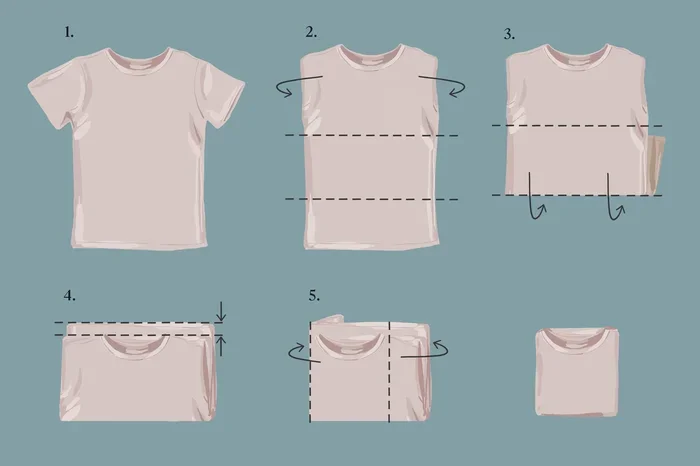
Visual guide about how to folded shirts stacked neatly
Image source: marthastewart.com
Use drawer dividers to create boundaries
Dividers are one of the easiest ways to stop shirts from sliding around. They create separate zones so each folded shirt has a clear space. That reduces crowding and helps the stack stay aligned. You can use adjustable dividers, fixed bins, or simple inserts depending on your drawer size.
When you add dividers, think in terms of sections rather than one large open area. A wide empty drawer invites shirts to lean and shift. Smaller sections make it easier to keep everything in place. If you have different types of tops, you can give each type its own section.
Choose bins that support the folded shape
If you store shirts in baskets or containers, the container matters. A bin with low sides can make shirts slump over the edge. A deeper bin can cause shirts to pile too high and topple. The best option is usually a container that matches the height of your folded shirts and keeps them from leaning outward.
It also helps when the bin is not overly wide. If the space is too large, shirts may drift apart or tilt when you reach in. A snugger space can help the folded stack stay together.
Try a vertical layout instead of a deep pile
One of the most effective ways to keep folded shirts from falling over is to stop stacking them too deeply. Deep stacks are tempting because they save space, but they become unstable fast. A better option is to arrange shirts so they sit vertically or side by side in a limited space.
This works well in drawers and in some shelf setups. When shirts are placed upright or in narrow rows, they support each other better. It also makes it easier to remove one shirt without disturbing the whole group.
Keep each stack small and balanced
Stack height is a major reason folded shirts fall over. The taller the stack, the more likely it is to lean, slide, or collapse when you touch it. Smaller stacks are easier to manage and stay neater longer.
Limit how many shirts you pile together
Instead of one large stack, break shirts into smaller groups. A stack that is too high becomes shaky, especially if the shirts are different sizes or fabrics. Smaller groups are more stable and easier to refold later.
If you are storing shirts in a bin or shelf, this is especially important. A tall pile can look organized for a moment, but it often turns messy after a few uses. Keeping the stack lower reduces that problem.
Place heavier items at the bottom
If you do stack shirts, put the heavier or sturdier ones near the base. That gives the stack a more stable foundation. Lighter or softer shirts are better near the top, where they are less likely to cause pressure or shifting.
This is a simple adjustment, but it can make a noticeable difference. A stack with a solid base is less likely to tip when you reach for a shirt near the middle or top.
Avoid mixing very different shirt sizes in one stack
A stack of similar-sized shirts is usually more stable than a stack of mixed sizes. If one shirt is much larger or smaller than the others, it can create pressure points and uneven edges. That makes the whole stack more likely to lean.
Grouping shirts by size or type helps the stack stay even. It also makes it easier to find what you want without pulling everything apart.
Make the drawer or shelf easier to maintain
Sometimes the problem is not the folding itself but the space around it. A drawer that is overstuffed, a shelf that is uneven, or a setup that is hard to return items to can all lead to falling shirts. A few small changes can make the system easier to maintain.
Leave a little breathing room
Crowding causes friction, and friction causes shifting. If shirts are packed too tightly, they do not stay in place as well. Leaving a bit of space can actually improve stability because each shirt can sit without being pressed from all sides.
This does not mean wasting space. It means avoiding overstuffing. A neat setup should still let you remove and replace shirts without forcing them.
Smooth the fabric before storing
Wrinkles and uneven edges can make folded shirts less stable. Before putting a shirt away, smooth it out with your hands. Check that the sides align and the fold lines are tidy. This takes only a moment, but it helps the shirt sit flatter.
This is especially useful for shirts that tend to bunch at the sleeves or bottom. A quick smoothing habit keeps the folded shape more consistent.
Return shirts to the same spot each time
A system only stays neat if you can put things back easily. If shirts are moved around often, the stack can become uneven. Try to return each shirt to its section or position consistently. That keeps the layout stable and reduces random leaning.
If you notice one area becoming messy faster than others, adjust the setup there first. Often the problem is not the whole drawer, but one crowded corner or unstable stack.
Fix common problems when shirts still fall over
Even with good folding and better storage, some setups still need tuning. If shirts keep falling over, look for the weak point in the system. Usually the issue is one of a few common problems.
If the drawer is too deep
A very deep drawer can make folded shirts lose support. The shirts may sit on a slope, or the stack may be too tall for the space. In that case, consider using a shallower bin, a divider insert, or a different section of storage. You can also reduce the number of shirts in that drawer and spread them out.
Another option is to store shirts upright in the drawer instead of in tall stacks. That can make better use of the space without creating instability.
If shirts slip when you pull one out
This usually happens when shirts are stacked too tightly or when the surfaces are smooth and slippery. To fix it, reduce the stack size and make sure the folded edges are neat. You can also separate shirts with a divider or store them side by side instead of in one dense pile.
If the fabric itself is slippery, a slightly firmer fold may help. The goal is to create enough shape and friction so the shirt does not slide away as soon as you touch it.
If the stack keeps leaning to one side
Leaning often means the stack is uneven. One shirt may be folded differently, or the bottom layer may not be sitting flat. Check the base first. If the bottom shirts are crooked, the rest will follow.
You can also rebuild the stack from the bottom up, making sure each layer is aligned before adding the next one. A stable stack is usually a carefully aligned one.
If the storage container is the problem
Sometimes the shirt folding is fine, but the container does not support it. A basket with slanted sides, a shelf that is too wide, or a bin that is too shallow can all cause trouble. Try a different container that better matches the folded shirt height and width.
If you are using a shelf, you can add a small tray, box, or divider to create structure. That can keep shirts from spreading out and falling over.
Create a simple routine that keeps shirts neat
The best setup is one you can keep using without much effort. If the system is too complicated, it will not last. A simple routine helps folded shirts stay in place day after day.
Refold only the shirts that need it
You do not need to refold everything every time. Focus on the shirts that have become uneven, crowded, or messy. That keeps the task manageable and prevents the whole drawer from becoming a big project.
If you notice a stack starting to tip, fix that section right away instead of waiting for the whole space to get messy. Small corrections are easier than big cleanups.
Keep similar shirts together
Grouping shirts by type, thickness, or size makes the system easier to maintain. When similar shirts are stored together, they tend to fold and stack more consistently. That reduces the chance of one odd shirt throwing off the whole arrangement.
This also makes daily use easier. You can find what you need faster, and you are less likely to disturb the wrong stack when grabbing a shirt.
Check the setup after a few days
A new folding or storage method may need a small adjustment before it feels right. After a few days, look at how the shirts are sitting. If they are shifting, the stacks may be too tall, the sections too wide, or the folds too loose.
Small tweaks at the beginning save frustration later. A setup that works well from the start is much easier to maintain.
Make the system work for your space
There is no single perfect way to store every folded shirt. A method that works in one drawer may not work in another room, bin, or shelf. The key is to match the folding and storage to the space you actually have.
If you have limited drawer space, vertical storage and smaller stacks may be the best choice. If you use bins, choose ones that support the folded shape. If you store shirts on a shelf, add structure so they do not spread out. The best setup is the one that helps your shirts stay neat without requiring constant effort.
A final word on keeping folded shirts in place
When folded shirts keep falling over, it is usually a sign that the fold, the stack, or the storage space needs a small adjustment. Once you make the folds more uniform, keep stacks smaller, and give each shirt a stable place to sit, the problem usually improves quickly. The goal is not perfection. The goal is a drawer or bin that stays neat enough to use easily every day.
With a little practice, the process becomes simple. Fold with consistency, store with structure, and make small corrections before the mess grows. That is the easiest way to keep folded shirts from falling over and make your storage space feel more organized overall.