
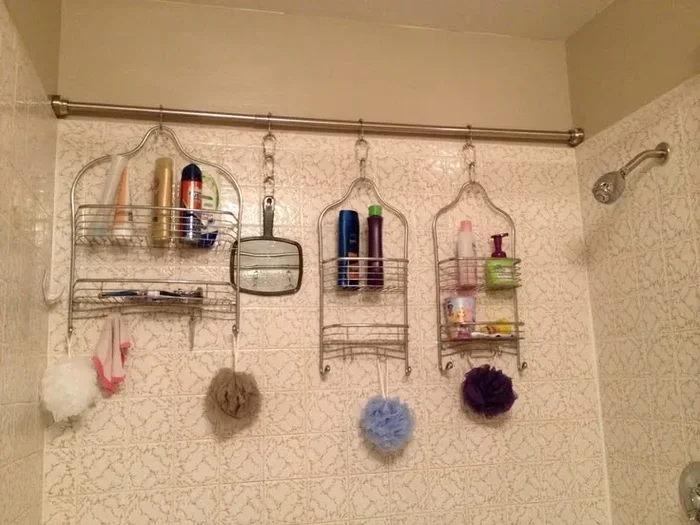
Featured image for how to shower caddy for multiple people
Image source: i.pinimg.com
Shared showers work best when every item has a place. A few smart organizers, clear zones, and a simple routine can turn a crowded stall into a smooth morning setup. Focus on vertical space, easy access, and daily resets to keep bottles, tools, and accessories from piling up.
📑 Table of Contents
- How to Maximize Shower Storage for Multiple People
- Step One: Map Out What Everyone Uses
- Step Two: Divide the Shower into Clear Zones
- Step Three: Use Vertical Space Wisely
- Step Four: Choose Storage That Handles Moisture Well
- Step Five: Build a Simple Daily and Weekly Reset
- Step Six: Adjust the Setup for Your Shower Layout
- Troubleshooting Common Shower Storage Problems
- When a Shared Shower Setup Is Working Well
- Final Thoughts on Maximizing Shower Storage for Multiple People
How to Maximize Shower Storage for Multiple People
When several people share a shower, storage can become the biggest daily annoyance. Bottles get moved, soap disappears, towels end up on the floor, and someone always seems to be looking for the shampoo. The good news is that a crowded shower usually does not need a major renovation. It needs a better system.
This guide walks you through practical ways to create more usable storage in a shared shower without making the space feel cramped. You will learn how to divide items fairly, use vertical space, choose organizers that actually work in wet conditions, and build simple habits that keep everything in order. The goal is not perfect organization. The goal is a shower that feels easier for everyone who uses it.
If you are trying to figure out where to start, focus on three things: who uses what, how much space you really have, and which items need to stay within arm’s reach. Once those pieces are clear, the rest becomes much easier.
Step One: Map Out What Everyone Uses
Before buying hooks, caddies, or shelves, take a quick inventory of what actually lives in the shower. Shared showers often hold far more products than they appear to, especially when each person keeps a few favorites nearby.
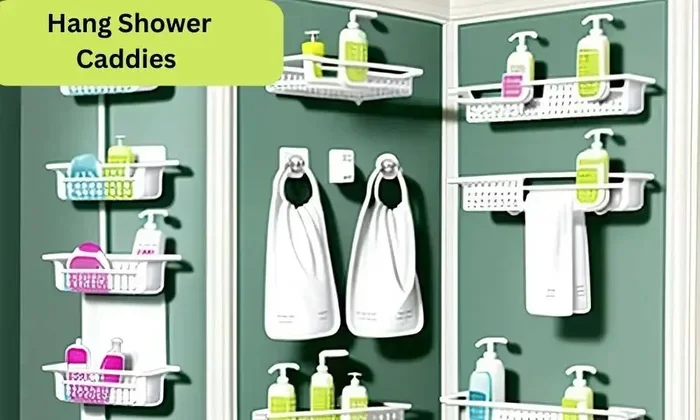
Visual guide about how to shower caddy for multiple people
Image source: renoaider.com
Make a simple product list
Walk through the shower and note the items you see most often. Common examples include shampoo, conditioner, body wash, bar soap, facial cleanser, shaving supplies, bath sponges, washcloths, and occasional treatments. If one person uses a separate hair product or skincare item, write that down too.
This list matters because not every item needs the same level of access. Daily products should stay easy to reach. Items that are used less often can move to a secondary spot. When you know the difference, you can stop giving prime shower space to products that do not need it.
Separate daily items from occasional items
Group products into two basic categories: everyday essentials and occasional extras. Everyday essentials are the things people grab without thinking. Occasional extras might be special masks, travel bottles, backup soap, or products someone only uses once in a while.
This separation helps reduce clutter. If every bottle fights for the same shelf or hook, the shower feels crowded even when it is technically organized. Keeping the daily items front and center makes the space feel calmer immediately.
Ask each person what they need within reach
If the shower is shared by more than one person, it helps to ask a simple question: what do you need to grab quickly? One person may want shampoo, body wash, and a sponge. Another may need a razor, face wash, and a specific conditioner.
You do not need identical setups for everyone. You just need a clear plan so each person knows where their essentials belong. That reduces guessing, saves time, and makes it less likely that items will drift around the shower.
Step Two: Divide the Shower into Clear Zones
Good shower storage is easier when the space has a job. Instead of letting bottles land wherever they fit, give each area a purpose. Zones make shared storage feel fairer and more predictable.
Create personal storage areas
If several people use the shower regularly, assign each person a small zone. That zone might be a hook, a caddy pocket, a shelf section, or a corner of the shower ledge. The point is not to build a perfect system. The point is to give each person a place to return their items to.
A personal zone works best when it is easy to recognize. Some people like color-coded bins or labeled pouches. Others simply remember that one hook is theirs and another is someone else’s. Use whatever is simple enough that everyone will actually follow it.
Keep shared products in one spot
Some items are used by everyone, such as hand soap near the exit, a shared body scrub, or a common shampoo if the household prefers one bottle for all. Those items should stay in one obvious place rather than scattered around.
A shared spot works well when it is central and easy to reach. If possible, keep shared products on a stable shelf or in a basket that does not tip easily. This keeps the most-used items from getting buried under personal products.
Reserve one area for quick grab-and-go items
Some things are used once and then put away, like a razor before shaving or a special treatment before a shower. A small grab-and-go area can help prevent those items from taking over the main storage space.
This area can be as simple as one hook, one tray, or one section of a caddy. The key is to make it temporary by design. Items should not live there permanently unless they are truly daily essentials.
Step Three: Use Vertical Space Wisely
In a small shower, vertical space is often more valuable than floor space. When items stack upward instead of spreading outward, the shower feels less crowded and easier to use.
Choose the right caddy or hanging organizer
A caddy can be one of the easiest ways to add storage without taking up much room. Look for one that matches your shower setup and the number of items you need to hold. Some caddies hang from a showerhead, while others attach to the wall or sit on a shelf.
Think about how the caddy will be used. If several people need access, a design with clear compartments may be helpful. If bottles are tall, make sure the holder can handle them without tipping. If the shower gets a lot of direct spray, choose a design that drains well so water does not collect inside.
Add hooks for lightweight items
Hooks are useful for things that do not need a shelf. Washcloths, loofahs, razors, and small pouches often work well on hooks because they are light and easy to hang. Hooks also help keep items off wet surfaces, which can make cleanup easier.
When adding hooks, place them where they are easy to reach but not in the way of movement. A hook that blocks the door, the showerhead, or a frequently used shelf can become frustrating fast. A little spacing goes a long way.
Use shelves or ledges if they exist
If the shower already has a shelf, niche, or ledge, use it with intention. Shelves work best when they hold items in order rather than in a pile. Tall bottles can go in the back, smaller items in front, and daily-use products where hands can reach them quickly.
If the shelf is shallow, avoid stacking too many layers. A tall stack can topple when someone reaches for a bottle. It can also make the shower feel messier because items become harder to put back neatly.
Step Four: Choose Storage That Handles Moisture Well
Shower storage has to deal with humidity, dripping water, and frequent use. Materials and containers that work well in a dry bathroom may not hold up as well in a shower. Choosing the right storage helps reduce mess and makes the system easier to maintain.
Pick leak-resistant containers
Open bottles and loose caps can leave residue on shelves and create extra cleanup. Leak-resistant containers are worth considering if multiple people use the shower every day. Tight lids, secure closures, and bottles designed to travel well can help reduce spills.
If a bottle tends to leak, it may be time to replace the cap, transfer the product, or move it to a more protected spot. Small fixes like these can keep a shower shelf from becoming sticky or damp.
Use trays, baskets, or bins to group items
A tray or basket can make a shower feel more orderly because it keeps related items together. One bin might hold daily soap and washcloths. Another might hold shaving supplies. Grouping items also makes it easier to return things to the right place after a shower.
Choose containers that are easy to lift and clean. If a basket sits in a wet area, it should not trap water underneath. A design that allows drainage or air circulation can help prevent musty buildup.
Avoid clutter traps
Some storage choices look helpful at first but create problems later. Overcrowded shelves, dangling items that touch the floor, and containers that do not dry properly can all make a shower feel worse over time.
A good rule is to leave a little breathing room. If storage is packed too tightly, it becomes harder to put things back correctly. That is usually when clutter starts to spread.
Step Five: Build a Simple Daily and Weekly Reset
Even the best storage setup can get messy if no one resets it. A small routine makes a huge difference in a shared shower, especially when more than one person uses it every day.
Keep a quick return habit
The easiest habit is also the simplest: put items back after use. That means hanging the washcloth, returning the shampoo to its spot, and placing the razor where it belongs. When each person does this right away, the shower stays usable without much effort.
If that sounds too optimistic for a busy household, make the return process easier by keeping storage obvious. Items should be simple to grab and simple to replace. If a container is awkward or hard to reach, people are less likely to use it consistently.
Do a short weekly check
Once a week, take a minute to look for empty bottles, stray products, and items that have drifted out of place. This is also a good time to wipe down shelves, rinse a caddy, or remove any product buildup.
A weekly check does not need to be thorough. It just needs to catch small problems before they become a bigger mess. If one person is willing to own this task, even on a rotating basis, the shower will stay more consistent.
Reduce duplicates that cause confusion
Sometimes clutter comes from having too many nearly identical items. Two half-used bottles of shampoo, three different body washes, and a stack of backup products can make the shower harder to manage. If duplicates are causing confusion, consolidate what you can.
This does not mean everyone must use the same products. It just means unnecessary backups and duplicates can often move out of the main shower area. Keep the active products visible, and store the rest somewhere else.
Step Six: Adjust the Setup for Your Shower Layout
Not every shower is shaped the same, and the best storage plan depends on the space you have. A setup that works in one stall may feel awkward in another.
Work with the space you have
If the shower is narrow, focus on hanging storage and wall-mounted options. If there is a built-in ledge or niche, use it for the most-used items. If the shower is larger, you may have room for a small basket or tiered organizer without making the space feel crowded.
The best layout is usually the one that supports movement. People should be able to shower, reach their items, and exit without constantly moving bottles around. If the setup gets in the way, simplify it.
Keep traffic flow in mind
Shared showers are easier when the path through the space stays open. Avoid placing storage where people need to step around it or brush against it every time they move. Keep taller items toward the back or sides when possible.
A clear path also helps reduce accidents. Wet floors and crowded shelves can make the shower feel stressful, especially when several people are using it in a hurry.
Test the setup for a few days
After changing the storage arrangement, live with it for a short time before deciding whether it works. Watch for small annoyances, like a bottle that keeps falling, a hook that is hard to reach, or a shelf that gets wet too quickly.
Small adjustments are normal. A good system is usually built through a few practical changes, not one perfect setup on day one.
Troubleshooting Common Shower Storage Problems
Even a solid plan can run into issues. Here are a few common problems and simple ways to handle them.
Items keep falling over
If bottles or containers tip easily, the surface may be too wet, too narrow, or too crowded. Move unstable items to a flatter spot, use a tray with more grip, or switch to a holder that keeps them upright. Sometimes the answer is simply to remove one or two less-needed products.
Storage gets moldy or smells stale
Moisture can build up when containers stay closed too long or when items do not dry properly. Leave washcloths and sponges in a spot where they can air out. Wipe shelves or caddies when they get damp. If a container smells, clean it and let it dry fully before using it again.
People keep moving each other’s products
This usually means the zones are not clear enough. Make personal spots easier to recognize and shared items easier to distinguish. If needed, use separate pouches, bins, or hooks so each person has a more obvious place to return items.
There is still not enough room
If the shower is simply too small for everyone’s essentials, reduce what stays inside. Keep only the most-used items in the shower and move backups, occasional products, and bulky containers elsewhere. Sometimes the best way to create space is to stop trying to store everything in one place.
When a Shared Shower Setup Is Working Well
A well-organized shared shower should feel easy, not rigid. You know the setup is working when people can find what they need quickly, items are not constantly moved around, and the space does not look messy by the end of the day.
The best setups are also easy to maintain. They do not require a long cleanup every time someone showers. They make it simple to hang a towel, return a bottle, or wipe a shelf without thinking about it too much.
If the system feels natural for everyone who uses it, you are probably on the right track. If it feels like a constant battle, simplify. The most effective shower storage is the one people will actually use.
Final Thoughts on Maximizing Shower Storage for Multiple People
Maximizing shower storage for multiple people is less about adding more containers and more about making smart choices. Start by knowing what each person uses, divide the space into clear zones, and use vertical space where it helps most. Choose storage that handles moisture well, keep daily essentials easy to reach, and build a quick reset habit so clutter does not build up.
A shared shower can stay organized without being perfect. With a little structure and a few practical adjustments, it becomes much easier for everyone to get in, get what they need, and move on with the day.