
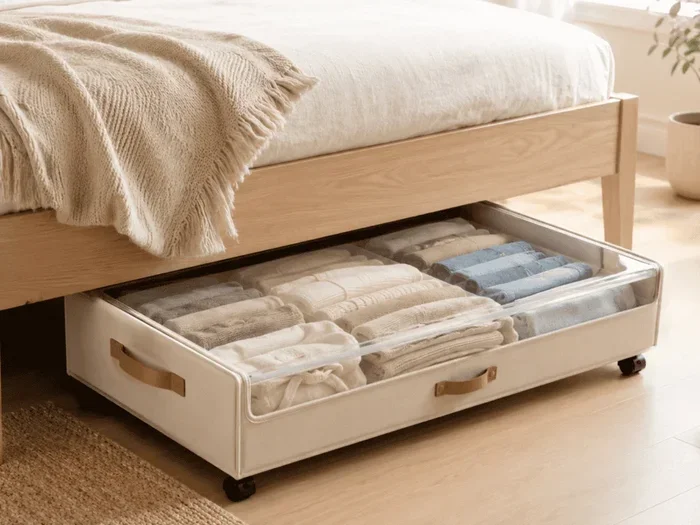
Featured image for how to tidy under-bed storage organization
Image source: organizeeveryroom.com
You can maximize under-bed storage without looking messy by choosing uniform containers, keeping items categorized, and maintaining a simple cleanup routine. This guide walks you through practical steps for selecting the right bins, organizing what goes under the bed, and preventing clutter from building up again. With a few smart habits, your bedroom can stay calm, open, and easy to use.
📑 Table of Contents
- Start With a Realistic View of Your Under-Bed Space
- Choose Containers That Look Neat and Work Hard
- Decide What Actually Belongs Under the Bed
- Sort, Group, and Label Before You Fill the Space
- Arrange the Bins So the Bedroom Still Feels Open
- Build a Rotation Habit So the Space Stays Useful
- Keep It Clean and Prevent the “Messy” Look
- Troubleshooting Common Under-Bed Storage Problems
- Make the System Work for the Way You Live
Start With a Realistic View of Your Under-Bed Space
Before you buy bins or move anything around, take a careful look at the space you actually have. Under-bed storage can be incredibly useful, but it only stays neat when it matches the size of the area and the way you live. If you rush into shopping mode too quickly, it is easy to end up with containers that are too tall, too deep, or awkward to reach.
Grab a tape measure and check the height from the floor to the bottom of the bed frame. Also notice whether the space is open or partially blocked by bed legs, drawers, or a platform. If you have a low bed, shallow containers may be the only practical option. If you have a taller bed, you may have more flexibility, but you still want to avoid overfilling the area.
While you measure, think about how often you will need to access the space. If you want to store items you use often, they should be easy to slide out and put back. If the items are seasonal or rarely used, you can choose a system that is more about long-term containment than quick access. This small planning step makes the whole project easier.
Choose Containers That Look Neat and Work Hard
The containers you select do a lot of the visual work. When the goal is to maximize under-bed storage without looking messy, the best choice is usually a set of containers that are similar in shape, color, and size. A row of mismatched boxes and bags can quickly make the room feel scattered, even if the contents are organized.
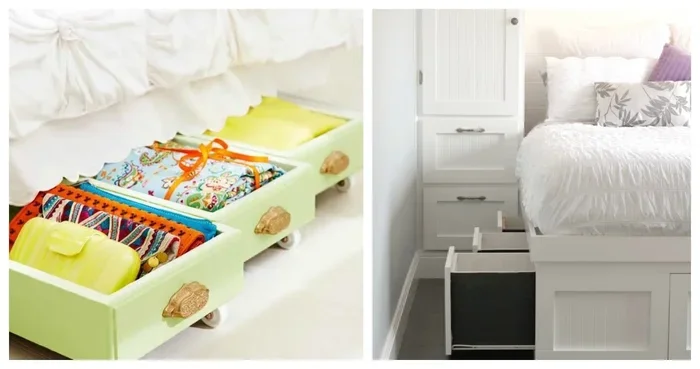
Visual guide about how to tidy under-bed storage organization
Image source: cdn.cpnscdn.com
Pick the Right Shape for the Items You Own
Think about what you plan to store before you settle on a shape. Flat, low containers work well for folded clothing, linens, or slim storage boxes. Taller bins may suit shoes, bulkier soft goods, or stacked items. If you have a mix of items, it can help to use two sizes of containers instead of forcing everything into one style.
Smooth, simple shapes are usually easier to keep tidy. Containers with sharp corners and clean lines tend to look more orderly when lined up under a bed. If you prefer softer options, fabric bins can work well too, especially if they have sturdy sides and a consistent look.
Use Lids to Keep the Area Looking Calm
Lids make a big difference. An open bin can quickly turn into a place where loose items gather, and the contents are visible every time you walk past the bed. A lid helps the storage blend into the room instead of calling attention to itself. It also keeps dust away and helps contain odors from fabrics or seasonal items.
If you choose fabric bins, look for ones with secure closures or add a simple cover if needed. If you prefer plastic or composite containers, lids that snap on neatly are often the easiest to use. The goal is not just hiding things away, but making the storage feel finished and intentional.
Match the Look Without Making It Fussy
You do not need a perfect matching set if it is not practical for your budget or your space. Still, a consistent style helps a lot. Neutral colors, simple textures, and similar container heights can make the under-bed area feel much more organized. If you already own a few containers, you may be able to create a cleaner look by grouping like items together and only using the best-fitting ones under the bed.
Decide What Actually Belongs Under the Bed
One of the biggest reasons under-bed storage starts looking messy is that people use it as a catch-all space. It can hold a lot, but it should not hold everything. The best under-bed storage is purposeful. When every item has a clear reason for being there, the space stays easier to manage.
Good Candidates for Under-Bed Storage
Items that are fairly lightweight, not too frequently used, and easy to contain are usually strong candidates. Common examples include:
- Off-season clothing in breathable containers
- Extra bedding, such as spare sheets, blankets, or duvet covers
- Lightweight shoes or seasonal footwear
- Travel accessories, like packing cubes, small toiletry bags, or travel documents
- Sentimental or occasional-use items that are better kept out of main living areas
These are the kinds of things that can live quietly under the bed without needing to be accessed every day. When stored well, they free up closet space and reduce visible clutter elsewhere in the room.
What to Avoid Storing There
Some items are better placed elsewhere. Heavy objects can be awkward to lift and may make the storage area feel cramped. Items you use daily can become frustrating if they are buried under other things. It is also smart to avoid storing anything that could be damaged by dust, moisture, or temperature changes if the under-bed area is not especially protected.
If you are tempted to stash random items under the bed because there is no other space, pause for a moment. That habit often creates hidden clutter instead of solving it. A better approach is to decide what deserves under-bed storage and what should be donated, recycled, moved, or stored in another part of the home.
Sort, Group, and Label Before You Fill the Space
Good containers help, but the real organization happens before the bins go under the bed. Sorting first keeps you from stuffing unrelated items together and makes the space much easier to use later. This is one of the simplest ways to keep under-bed storage from looking messy, because the system is based on clear categories instead of convenience alone.
Group Items by Use and Season
Start by sorting your items into categories. You might make piles for bedding, off-season clothing, shoes, and occasional-use supplies. If you are storing seasonal items, keep each season together so you can rotate them without creating a jumble. Grouping by use also helps you decide which containers should be easiest to reach.
Try to keep each container focused. A bin that holds several unrelated categories is harder to maintain. If one container is for winter accessories, keep gloves, hats, and scarves together. If another is for spare linens, keep sheet sets and pillowcases together. Clear categories make the whole system feel more orderly.
Label Everything Clearly
Labels are one of the easiest ways to prevent messes. When a container is labeled, you do not have to open it just to figure out what is inside. That means less rummaging, less disruption, and less chance that items will be left out accidentally.
You can use a label maker, printed tags, masking tape, or simple handwritten labels, depending on the container material. Place the label where you can read it when the bin is under the bed. If the container slides far back, a label on the front edge or top edge may be more useful than one on the lid alone.
Keep a Simple Inventory in Your Head or on Paper
If you store several containers, it helps to know what is where. You do not need a complicated system. A short list on your phone or a note on the bedroom door can be enough. For example, you might note which bin holds summer linens, which holds winter scarves, and which holds extra pillows.
This small step saves time later. It also makes rotating seasonal items much easier, because you will not have to pull out every container just to find one set of sheets or a pair of boots.
Arrange the Bins So the Bedroom Still Feels Open
Even well-organized storage can look crowded if the placement is awkward. The goal is to make the under-bed area functional without making the room feel weighed down. A thoughtful layout helps the space work harder while keeping the visual noise low.
Leave a Little Breathing Room
It may be tempting to fill every inch, but a small amount of empty space can make the area feel less crammed. If the bins are packed tightly against each other and against the bed frame, the room can feel visually busy even when the contents are tidy. Leaving a little space around the edges can make access easier too.
If your bed is on a frame with legs, you may be able to create a cleaner line by placing containers in a single row or two neat rows instead of scattering them. Straight, even placement usually looks more intentional than a random mix of protruding boxes.
Put Frequently Used Items Where They Are Easy to Reach
Think about access when you arrange the bins. Items you use more often should be near the edge or in the easiest-to-slide position. Items you only need once or twice a year can sit farther back. This simple ordering system reduces frustration and keeps you from disturbing everything just to reach one thing.
If you have two rows of containers, you might keep the front row for practical, everyday storage and the back row for seasonal or occasional items. That way, the space stays useful without becoming a pile you avoid.
Keep the Top of the Bed Area Clear
Under-bed storage looks much better when the rest of the room is not competing with it. Try to avoid letting storage spill upward onto the floor around the bed or onto nearby surfaces. A tidy under-bed area can be undermined quickly if the surrounding space is cluttered. Keeping the zone around the bed fairly open helps the whole room feel more relaxed.
Build a Rotation Habit So the Space Stays Useful
Under-bed storage works best when it is part of a routine, not a one-time project. If you only organize it once and never revisit it, the area can slowly become a place where random things land. A simple rotation habit keeps the system working.
Swap Seasonal Items at Predictable Times
Choose a time of year or a regular household reset to swap seasonal items. For example, you might move summer bedding out and winter blankets in when the weather changes. You could also rotate clothing when you shift from one season to the next. The exact timing matters less than consistency.
When you rotate items, check the containers as you go. Make sure they are still clean, still closed properly, and still the right size for what they hold. This is a good moment to remove anything you no longer need.
Use the “One In, One Out” Idea for Certain Categories
If under-bed storage holds clothing, linens, or similar items, it can help to avoid letting the supply grow without limit. When you add a new item to the space, consider whether something else should leave. That might mean donating an old blanket, passing along a duplicate set of sheets, or discarding worn-out items.
This keeps the storage from slowly overflowing. It also makes the area easier to maintain because you are not constantly adding more than you can comfortably fit.
Keep It Clean and Prevent the “Messy” Look
A neat under-bed area can still look messy if dust collects, labels peel off, or containers start to bulge. A little maintenance goes a long way. You do not need a major overhaul every week, but a few small habits will help the space stay presentable.
Do a Quick Check Now and Then
Once a month, take a short look under the bed. Make sure nothing has shifted, nothing has spilled, and nothing inappropriate has been tucked in there. This is also a good time to straighten the containers so they sit neatly again if they have been moved.
If you notice one bin becoming overcrowded, that is a sign to reassess. You may need to split the contents into two containers or remove items that no longer belong there. Overstuffed containers tend to look untidy even when the contents are organized.
Wipe Down Containers and the Floor Under the Bed
Dust and dirt can make even tidy storage look neglected. Wiping the outside of containers and vacuuming or sweeping under the bed occasionally helps the area feel fresh. If you use fabric bins, check whether they need airing out or light cleaning, especially if they hold clothing or bedding.
This kind of maintenance also helps you catch problems early. A small spill, a loose lid, or a torn label is easier to fix when you notice it soon after it happens.
Troubleshooting Common Under-Bed Storage Problems
Even a good system can run into trouble. Here are a few common issues and practical ways to handle them.
The Space Still Looks Crowded
If the under-bed area feels visually heavy, the problem may be too many containers or containers that are too large. Try reducing the number of bins, using flatter options, or moving some items to a different storage spot. A cleaner look often comes from editing the contents, not just rearranging them.
Items Are Hard to Reach
If you keep losing things or disturbing everything to get one item, your layout may need to be simpler. Put the most-used items in the front, use labels, and avoid stacking too many containers deep into the space. If the bed is very low, shallower bins may be the only workable choice.
The Containers Do Not Match the Room
If the storage looks out of place, consider a more consistent style or a neutral color that blends better with the bedroom. You do not need a full makeover. Often, choosing one simple container style and using it consistently is enough to make the area feel calmer.
Storage Keeps Turning Into a Dump Zone
This usually happens when under-bed space becomes the default place for anything without a home. The fix is to define what belongs there and stick to it. If an item does not fit the category, find another place for it or remove it. A clear rule is easier to follow than a vague intention to “keep it tidy.”
Make the System Work for the Way You Live
The best under-bed storage setup is the one you can actually maintain. That means it should fit your bed, your belongings, and your habits. If you share the bedroom, make sure the system is easy for other people to understand too. If you move items around often, keep the layout simple. If you mostly store seasonal things, focus on containers that protect and contain those items well.
A tidy under-bed area does not need to be complicated. It usually comes down to a few decisions: measure first, choose containers that look unified, store only appropriate items, label clearly, and revisit the space regularly. When those pieces are in place, the storage can be genuinely useful without making the room feel cluttered.
If you want the space to stay neat over time, think of it as an active part of your bedroom routine rather than a hidden dumping area. That mindset makes a big difference. Under-bed storage can be practical, orderly, and visually calm at the same time, especially when you keep the system simple and realistic.