
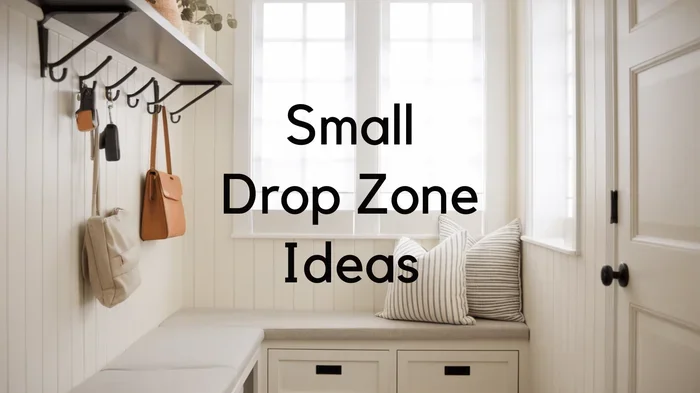
Featured image for how to organized entryway drop zone
Image source: cdn.opplehouse.com
A messy entryway or drop zone can make your whole home feel cluttered, but you can turn it around quickly with a clear plan and a few smart storage choices. This guide shows you how to organize a messy entryway or drop zone step by step, even if you have limited time or space. You will learn how to sort items, choose practical storage, and build simple habits that keep the area tidy.
If your entryway looks like a pile of shoes, bags, mail, and random things that nobody knows how to handle, you are not alone. Most homes have a drop zone where stuff lands the moment people walk in the door. The good news is that you do not need a huge renovation or a perfect storage system to fix it. You just need a clear process and a setup that matches your daily routine.
In this guide, you will learn how to organize a messy entryway or drop zone without spending all weekend on it. We will walk through clearing the space, sorting what stays, choosing storage that actually gets used, and creating simple habits that keep the area from turning messy again. Whether you have a small mudroom, a narrow hallway, or just a corner by the front door, the same basic steps can work.
The goal is not to create a magazine-perfect foyer. The goal is to make your entryway easier to use, easier to clean, and easier to keep organized. When everything has a place, people are more likely to put things back where they belong. That is what turns a chaotic drop zone into a space that actually supports your household.
📑 Table of Contents
- Step 1: Clear the Entryway Completely
- Step 2: Sort What You Found Into Simple Groups
- Step 3: Decide What Belongs in the Drop Zone
- Step 4: Choose Storage That Fits Your Space and Routine
- Step 5: Set Up a Simple Drop Zone Layout
- Step 6: Build a Fast Daily Reset Habit
- Troubleshooting Common Entryway Problems
- How to Keep the Entryway Organized Over Time
- Final Thoughts
Step 1: Clear the Entryway Completely
The fastest way to organize any messy space is to start with a blank canvas. That means removing everything that does not belong in the entryway or drop zone. Shoes, coats, bags, umbrellas, mail, keys, kids’ gear, pet leashes, delivery boxes, and random household items all need to come out so you can see the actual space you are working with.
This step matters because clutter hides problems. When items are stacked on top of each other, it is hard to tell what you use often, what you forgot about, and what is simply taking up room. A full reset gives you a cleaner starting point and helps you make better decisions about what should live there.
Remove everything that can be moved
Take out every loose item from shelves, benches, floors, hooks, and baskets. If the entryway has a table, console, or drop spot on the wall, clear it too. Do not worry about organizing while you remove things. Right now, the job is simple: get the space empty enough to evaluate it properly.
Wipe down the area while it is empty
Once the space is clear, quickly dust or wipe the surfaces. This is a good time to check for scuff marks, loose hooks, uneven shelves, or anything that needs repair before you put items back. A clean surface also makes the finished result feel more intentional and less like a pile of stuff that was simply rearranged.
Take a quick look at the space itself
Before you start sorting, notice the layout. Is there a floor area where shoes naturally land? Is there wall space for hooks or shelves? Is there a bench, cubby, or closet nearby? Understanding the physical setup helps you build a system that fits the room instead of fighting it.
Step 2: Sort What You Found Into Simple Groups
Now that everything is out of the entryway, sort it into clear groups. This is where the project starts to feel manageable. Instead of staring at one giant mess, you are working with smaller decisions. The aim is not to overthink every item. It is to make the call faster and keep the process moving.
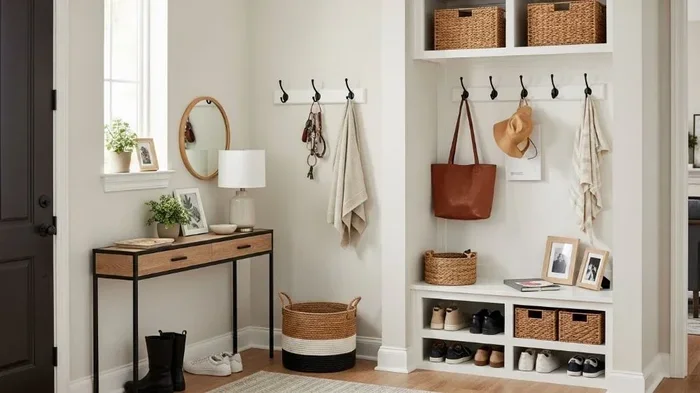
Visual guide about how to organized entryway drop zone
Image source: coastalcustomclosets.com
A simple way to sort is to separate items by purpose and by how often they are used. Daily-use items should be treated differently from occasional items, and things that belong elsewhere in the house should not stay in the entryway just because they ended up there.
Create clear sorting categories
Use four easy categories:
- Keep in the entryway: items you use regularly when coming and going.
- Move to another room: things that belong somewhere else, such as packages to bring inside, laundry, or household items that wandered into the drop zone.
- Donate, sell, or discard: items that are no longer useful, duplicated, damaged, or rarely needed.
- Temporary holding: mail, receipts, or items that need a follow-up action before they can be put away.
Handle the most common drop zone items first
Start with the things you see most often. Shoes are usually the biggest space-taker, so decide which pairs are used regularly and which ones are just sitting there. Coats, jackets, scarves, and hats should be sorted by season and frequency of use. Bags, backpacks, and work gear should be checked for what is actually carried every day.
Mail and paper are another common problem. Sort mail into keep, recycle, and action-needed groups right away. If you have a pile of loose papers, do not shuffle them back into the entryway without a plan. That is what creates the same mess again a few days later.
Be honest about what deserves space
A messy entryway often holds items that are convenient to drop but not useful enough to earn a permanent spot. If something has been sitting untouched for months, it may be taking up valuable real estate. The entryway should support the items you reach for most often, not every possible thing that could be stored there.
Step 3: Decide What Belongs in the Drop Zone
Once you have sorted the items, the next step is to decide what the entryway should actually handle. A drop zone works best when it has a clear purpose. If it tries to hold too many different things, it becomes a catch-all for anything that has no other home.
Think about what happens when you walk in the door. Do you take off shoes? Hang up a coat? Set down a bag? Sort mail? Pick up keys or a wallet? The answer will tell you which storage items matter most. A family with kids may need more hooks, shoe space, and a place for backpacks. A person who works from home may need a spot for a laptop bag, notes, or daily essentials.
Keep only the high-use items in the main zone
The most effective entryway setups usually hold the essentials:
- Everyday shoes
- Outerwear for the current season
- Bags, backpacks, or work totes
- Keys, wallet, and other small daily items
- Mail or paperwork that needs quick sorting
Seasonal coats, special-occasion shoes, and less-used gear can be stored elsewhere if space is tight. That keeps the drop zone from becoming crowded.
Give each category one home
One of the easiest ways to organize a messy entryway is to assign one clear location for each type of item. Shoes go somewhere low and easy to reach. Coats go on hooks or in a closet. Bags go on a shelf, hook, or bench. Mail goes into a tray or sorting station. When every category has a home, it becomes much easier for everyone in the household to follow the system.
Step 4: Choose Storage That Fits Your Space and Routine
Good storage does not have to be expensive. In fact, the best drop zone storage is usually simple, visible, and easy to use. If a storage solution is awkward, people will stop using it. If it is too hidden, items will end up back on the floor. The goal is to make the right action the easiest action.
Start by matching storage to the space you have. A narrow hallway may need vertical storage. A mudroom may benefit from shelves and hooks. A small foyer may work best with a compact tray, a few hooks, and a slim shoe solution. The layout should help you use the entryway without making it feel cramped.
Use hooks for items that hang easily
Hooks are one of the most practical tools for a drop zone. They work well for coats, jackets, hats, bags, scarves, umbrellas, and even pet gear. The key is placing them where people can reach them without thinking. If hooks are too high, hidden, or awkward to use, they will not get used consistently.
If several people use the entryway, consider assigning hooks by person or by item type. That reduces the “whose coat is this?” problem and makes it easier to keep things tidy.
Add a tray, basket, or shelf for loose items
Small items can make an entryway look messy very quickly. A tray or basket gives keys, sunglasses, mail, gloves, or miscellany a landing spot instead of the floor or a table. If you have more than one type of loose item, use separate containers so everything does not become one mixed pile.
For a small space, a single tray may be enough. For a busier household, a few labeled baskets or shelves can keep the drop zone from turning into a jumble.
Solve the shoe problem with a simple system
Shoes are often the biggest source of entryway clutter. A shoe rack, shelf, cubby, or even a low basket can help contain them. The best option depends on how many shoes are used regularly and how much floor space you have. If the entryway is small, consider keeping only the most frequently worn pairs there and storing the rest elsewhere.
If you want to keep the area looking tidy, choose a shoe solution that makes it easy to put shoes away. A system that is too tight, too high, or too complicated may be ignored.
Use vertical space if floor space is limited
When the entryway is narrow or short, think upward. Wall shelves, mounted hooks, and over-the-door storage can free up floor space. This is especially helpful when you need room for bags, shoes, or seasonal items without making the walkway feel crowded.
Just keep accessibility in mind. If vertical storage is hard to reach, it may become a place where items get stacked and forgotten instead of a useful organizing tool.
Step 5: Set Up a Simple Drop Zone Layout
Now it is time to put the pieces together. A strong entryway layout does not need to be complicated. It just needs to make sense for the way your household moves through the space. The best arrangement is the one people can use without extra effort.
A basic drop zone setup might include a place to sit or pause, a spot for shoes, a place to hang coats or bags, and a small surface or container for mail and small items. If the space allows, keep these zones close together so everything is easy to handle in one stop.
Create a landing spot near the door
The area right inside the entrance is usually where items land first. That makes it the best place for a tray, basket, or small shelf for keys, mail, and everyday carry items. If you have space, a small bench or seat can also help with putting shoes on and off without making a mess elsewhere.
Keep daily-use items at eye level or below
Items you use every day should be easy to grab and easy to return. That usually means hooks, shelves, and storage placed at a comfortable height. If children use the space, make sure their items are reachable too. A drop zone is much easier to maintain when everyone can use it independently.
Leave a little breathing room
A tidy entryway is easier to keep tidy when it is not packed to the limit. Leave some open space on shelves, hooks, and the floor so the area does not feel overloaded. That extra room also makes it easier to handle temporary items, like a new package or a coat you are wearing today.
Step 6: Build a Fast Daily Reset Habit
Organizing the entryway is only part of the solution. The other part is keeping it from becoming messy again. The good news is that you do not need a long routine to do that. A short daily reset is usually enough to stop clutter from building up.
Think of the reset as a quick landing-strip check at the end of the day or whenever the space starts to get busy. Put shoes back, hang up coats, clear the tray, and move anything that does not belong into the right room. If you make it part of your normal routine, the drop zone stays usable instead of slowly turning into another clutter pile.
Use a five-minute end-of-day reset
A simple reset can look like this:
- Return shoes to their spot
- Hang coats, bags, or hats where they belong
- Clear keys, mail, and loose items from the tray or surface
- Move anything that wandered in from another room back to its home
- Quickly straighten baskets, shelves, or hooks so the area looks orderly again
This does not have to be perfect. It just needs to happen often enough to prevent the mess from growing.
Give everyone a simple role
If more than one person uses the entryway, make the system easy enough that everyone can help. That might mean clear hooks, visible storage, and a basic rule like “shoes go here” or “bags go on this hook.” When the expectations are obvious, there is less back-and-forth and less mess to clean up later.
Keep a small backup station for common clutter
Some entryways benefit from a tiny sorting spot for mail, school papers, or packages that need attention. A small tray or basket can keep those items from spreading across the furniture or floor. If paper clutter is a recurring issue, a simple inbox-style spot can make a big difference.
Troubleshooting Common Entryway Problems
Even a well-planned drop zone can run into trouble if the setup does not match the household’s habits. Here are a few common problems and practical ways to handle them.
The entryway gets messy again almost immediately
This usually means the system is too complicated or the storage is not where people naturally use it. Try simplifying the layout. Reduce the number of categories, make the most-used items easier to reach, and check whether items have a real home elsewhere in the house.
There is not enough space for everything
If the entryway is small, do not force it to hold too much. Keep only the essentials in the drop zone and store seasonal or occasional items somewhere else. In tight spaces, vertical storage and multi-use pieces can help without making the area feel crowded.
Shoes keep ending up on the floor
That often happens when the shoe spot is inconvenient. Make the shoe area easy to reach, easy to put things into, and large enough for the number of shoes you actually wear. If needed, reduce the number of pairs kept in the entryway so the system is easier to maintain.
Bags, coats, and backpacks are always in different places
This is usually a labeling or placement issue. Assign specific hooks or spots for each person or each item type. If the spots are visible and easy to use, people are more likely to return things correctly.
Mail and paper clutter keeps spreading
Paper needs a clear action path. Sort mail as soon as it comes in, and give actionable items a temporary spot instead of letting them sit loose. If the entryway becomes a paper dump, the problem may be that there is no next step for the mail after it lands there.
How to Keep the Entryway Organized Over Time
A drop zone stays organized when it is treated like a working space, not a display area. That means it should be easy to reset, easy to use, and flexible enough to handle real life. A family entryway will look different from a single-person entryway, and that is fine. The best system is the one that fits your routine.
It also helps to revisit the setup every so often. Seasons change, schedules shift, and the items you use daily may change too. A coat that is essential in winter may not need to live at the front door in summer. A backpack may matter more during the school year than during vacation. Small adjustments keep the entryway from drifting back into chaos.
If you want the space to feel calmer, focus on function first. A neat entryway is not about making everything match perfectly. It is about reducing friction. When you can find your keys, put away your shoes, and grab what you need on the way out, the space is doing its job.
Final Thoughts
Learning how to organize a messy entryway or drop zone does not have to be a huge project. Start by clearing the space, sort what you find into simple groups, and keep only the items that truly belong there. Then choose storage that fits your space and makes the right habits easy. Add a short daily reset, and the entryway will be much easier to maintain.
The most important thing is to build a setup that your household will actually use. A practical, simple drop zone usually works better than a complicated one. Once everything has a place and the routine is easy, the entryway becomes a smooth first stop instead of a source of clutter.