
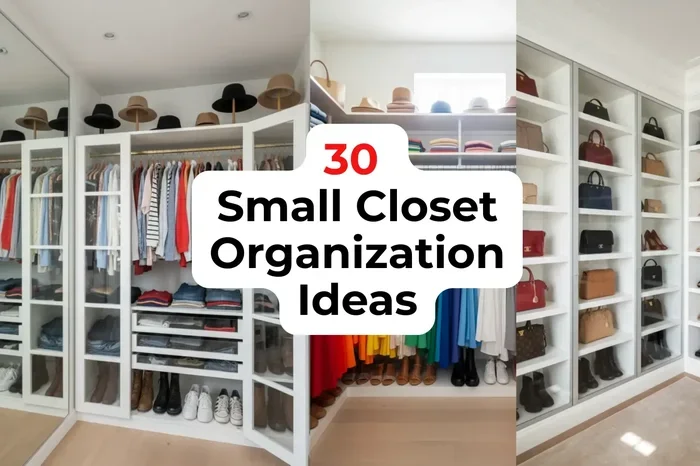
Featured image for how to small closet organization with clothes
Image source: ideasformyhome.com
A crowded closet can feel overwhelming, but small spaces can still hold a lot of clothes when you use the right system. This guide explains how to sort, plan, and arrange your wardrobe so everything stays easy to find and simple to maintain.
A packed closet can make your mornings feel harder than they need to be. When clothes are crammed together, it becomes difficult to find what you want, and the whole room can feel messy even after you tidy it. The good news is that a small closet can still work well, even when it holds a lot of clothes. The trick is not magic. It is a simple process that helps you see what you own, use your space wisely, and keep everything in place.
In this guide, you will learn how to organize a small closet with lots of clothes in a way that feels practical and realistic. You do not need expensive tools or a huge renovation. You need a plan, a little time, and a system that fits your daily routine. If you have ever opened your closet and felt overwhelmed, this step-by-step approach can help you turn that chaos into something much easier to manage.
📑 Table of Contents
- Step 1: Empty the closet completely
- Step 2: Decide what stays and what goes
- Step 3: Measure and understand your space
- Step 4: Group your clothes in a way that makes sense
- Step 5: Use hangers and storage tools wisely
- Step 6: Create a layout that is easy to maintain
- Step 7: Handle shoes, accessories, and small items
- Step 8: Make seasonal and occasional items easier to manage
- Troubleshooting common closet problems
- How to keep the closet organized over time
- Final tips for a small closet that feels calm and useful
Step 1: Empty the closet completely
The first step is simple, but it matters a lot. Take everything out of the closet. That includes clothes, shoes, bags, boxes, and any random items that have found a hiding place on the shelves. It may look like more work at first, but emptying the space gives you a true starting point. You can see the full size of the closet, notice awkward corners, and understand where the available height and depth really are.
While everything is out, wipe down the shelves, rods, and floor if needed. Dust and lint can build up quickly in closets, especially when clothes are packed tightly. A quick clean also helps you notice any repairs that may be useful later, such as loose hooks or uneven shelving.
Sort items into clear groups
As you remove each item, place it into a temporary group. You might use categories like shirts, pants, dresses, jackets, shoes, accessories, and items you are unsure about. This makes the next stage easier because you will not be deciding everything at once. You are simply creating order before you start arranging anything back into the closet.
If you have a lot of clothes, this step can take time. That is normal. Try to work in one category at a time so the process does not feel too big. The goal is not perfection. The goal is clarity.
Step 2: Decide what stays and what goes
A small closet can only hold so much, so editing your clothes is one of the most important parts of the process. This does not mean you must get rid of everything you love. It means making room for the clothes you actually use. When a closet is packed too tightly, even your favorite items become hard to enjoy because they are buried under everything else.

Visual guide about how to small closet organization with clothes
Image source: tinyhousearena.com
Go through each group and ask a few simple questions. Do you wear this often? Does it fit well? Is it in good condition? Does it match the way you live now? If an item has been sitting untouched for a long time, it may be taking up space that could help your everyday clothes breathe.
Create keep, donate, and maybe piles
Use three basic piles or boxes: keep, donate, and maybe. The keep pile should include clothes you wear regularly and truly want in your closet. The donate pile is for items in good condition that no longer suit you. The maybe pile is useful when you are unsure. Put those items aside for a while instead of forcing an immediate decision.
If the maybe pile still feels uncertain, try a simple test. Place those items in a box and store it somewhere out of sight for a few weeks. If you do not miss them, you may be more ready to let them go later. This can make decisions feel less stressful, especially when you have a lot of clothes to sort through.
Step 3: Measure and understand your space
Before you start putting things back, take a careful look at the closet itself. Measure the height, width, and depth if you can. Notice where the rod sits, how many shelves are already there, and whether the floor space is usable. Small closets often have one or more awkward areas that can still be useful if you plan for them.
Think about the different zones you can create. The eye-level area is usually the best place for clothes you reach often. Higher shelves can work well for items you use less often, such as off-season clothing or special-occasion pieces. Lower areas may be better for shoes, storage bins, or heavier items that are easy to lift from down low.
Look for unused vertical space
In a small closet, vertical space is often the biggest opportunity. A single rod may leave empty air below or above it. Shelf dividers, stackable bins, hanging organizers, or extra shelving can help you use that space more effectively. Even a narrow closet can hold more than it seems if you build upward instead of only spreading outward.
If you are working with a basic closet that has few built-in features, do not worry. Many small closets become much more functional with a few simple additions. The key is to choose storage that matches the size of the space rather than trying to force large organizers into a tight area.
Step 4: Group your clothes in a way that makes sense
Once you know what is staying, organize those clothes by category. This is one of the easiest ways to make a closet feel orderly. You might group items by type, such as tops, bottoms, dresses, outerwear, and workout clothes. You can also group them by how you use them, such as work clothes, casual clothes, and loungewear.
When similar items are together, you can see what you have much faster. You also avoid buying duplicates because you can tell at a glance whether you already own a similar shirt or pair of pants. For a closet with lots of clothes, this kind of grouping is especially helpful because it reduces the feeling of clutter.
Arrange by frequency of use
After grouping by category, think about how often you reach for each item. Place the clothes you wear most often where they are easiest to grab. For many people, that means keeping everyday tops and bottoms in the front or at a comfortable height on the rod. Less-used items can move to the back, higher shelves, or lower storage areas.
This approach saves time during busy mornings. It also helps the closet feel more functional because the layout matches your routine. If you tend to dress in layers, keep those pieces together. If you usually choose outfits the night before, leave a little space for that habit so the system stays realistic.
Step 5: Use hangers and storage tools wisely
Hangers may seem like a small detail, but they can make a big difference in a crowded closet. Uniform hangers often help the space look cleaner and make it easier to scan your clothes. They can also save room when chosen carefully, especially if you replace bulky or mismatched hangers with slimmer options that still support your garments well.
Storage tools should help your habits, not fight them. If you like folding, use shelves or bins. If you prefer hanging, focus on the rod and hangers. If you have many accessories, consider a small organizer or dedicated section so they do not scatter across the closet. The best setup is the one you will actually keep using.
Make the most of shelves and bins
Shelves are useful for folded clothes, sweaters, jeans, and items that do not need to hang. If your closet already has shelves, think about how they are being used. Are they holding neat stacks, or are items piled in a way that makes them hard to reach? Clear bins or labeled boxes can help keep smaller items together and prevent stacks from tipping over.
Bins are especially helpful when you have lots of clothes but not enough hanging space. They can hold accessories, seasonal pieces, or items you want to keep together by category. If you choose bins, make sure they fit the shelf height and are easy to lift out when you need something inside.
Use hanging organizers for extra flexibility
Hanging organizers can add storage without taking up much room. They work well for shoes, folded pants, accessories, or other items that are easier to separate by category. In a small closet, a hanging organizer can turn empty wall space into something useful, especially if the closet rod is already full.
One helpful tip is to avoid overloading these organizers. If they become too heavy or too crowded, they can sag and make the closet feel messy again. Use them for the items that benefit most from being separated, and keep the rest of the space open enough to stay easy to navigate.
Step 6: Create a layout that is easy to maintain
A good closet layout should be simple enough that you can put things back where they belong without thinking too hard. If the system is too complicated, it will be hard to keep up with. Try to make each zone obvious. For example, one section can be for everyday tops, another for bottoms, and another for special items or outerwear.
Leave a little breathing room between groups if possible. When clothes are pressed too tightly together, it becomes harder to see options and easier for the closet to become disorganized after a few uses. A bit of open space can make the whole area feel more manageable, even if the closet is still full.
Keep similar items together
Staying consistent with placement helps a lot. If your long pants always go in one spot and your short sleeves always go in another, you will know where to look and where to return them. This is especially useful when you own many clothes, because the closet can otherwise start to feel like one large pile of options.
You can also arrange clothes by color within each category if that helps you find things faster. This is not required, and it does not need to be perfect. Even a simple color order can make a crowded closet feel calmer and more usable.
Step 7: Handle shoes, accessories, and small items
Clothes are only part of the challenge. Shoes, belts, bags, scarves, jewelry, and other small items can quickly take over a small closet if they do not have a home. These items often create visual clutter because they are harder to stack neatly and easier to leave scattered.
Give each type of item a clear place. Shoes can go on the floor, a shelf, a rack, or in bins, depending on the space you have. Accessories can be stored in a small organizer, a drawer insert, or a dedicated section of the closet. The goal is to stop these pieces from spreading into the clothing area.
Use vertical storage for small items
Small items often do best when they are lifted off the floor. A shoe rack, stackable boxes, or hanging pockets can help you keep everything visible and tidy. If you have limited floor space, vertical storage is usually the best friend of a small closet.
Try to keep the most-used shoes and accessories easy to reach. If you wear certain boots, sneakers, or work bags often, they should not be buried behind items you rarely use. A small amount of planning here can save a lot of frustration later.
Step 8: Make seasonal and occasional items easier to manage
If you have lots of clothes, not everything needs to be front and center all the time. Seasonal pieces, special-event clothing, and items you only wear once in a while can be stored in a way that frees up daily space. This is one of the smartest ways to keep a small closet from feeling overloaded.
Store off-season clothes on higher shelves, in bins, or in another storage spot if you have one. Keep only the current season in the most accessible part of the closet. When the weather changes, you can swap things around so the closet always matches what you are actually wearing.
Label what you store
Labels are simple, but they are very useful when a closet is packed. A bin labeled “winter sweaters” or “summer accessories” is much easier to use than a box you have to open every time. If you use storage containers, clear labels help everyone in the household put things back in the right place.
Even if you do not use fancy labels, a piece of tape and a marker can work well. The important part is that the storage makes sense to you. A system only works when it is easy to understand at a glance.
Troubleshooting common closet problems
Even with a good plan, small closets can still create challenges. Here are a few common issues and practical ways to handle them.
The closet keeps getting messy again
If the space becomes messy soon after you organize it, the system may be too complicated or not match your habits. Try simplifying it. Reduce the number of categories, make the most-used items easier to reach, and leave a little room for daily use. A closet that is too tight can be hard to maintain.
There is still not enough room
When the closet is full but you still need more space, look for items that can be moved elsewhere. Seasonal clothes, extra shoes, or rarely used bags may fit better in another storage area. You can also consider whether any clothes can be folded instead of hung, or whether some hanging items can share space more efficiently.
I have too many clothes to fit neatly
This is a common problem in small closets. If the amount of clothing truly exceeds the space, organization alone may not solve it. You may need to edit more aggressively or rotate items by season. A small closet works best when it holds the clothes you use now, not every possible option you own.
My clothes get wrinkled or fallen off
If hangers are too crowded, clothes can slip, stretch, or wrinkle more easily. Give garments a little more room where possible, especially for delicate fabrics or frequently worn pieces. If shelves are overstacked, the bottom items may become hard to use without messing up the pile. Reducing stack height can help.
How to keep the closet organized over time
Once your closet is set up, the real challenge is keeping it that way. The good news is that maintenance does not have to be a big project. A few small habits can keep the space working well long after the initial organization.
Try returning clothes to their designated spots as you go. If you try on something and do not wear it, put it back where it belongs instead of leaving it on a chair or the floor. If you buy new clothes, make room for them before they pile up. Small actions like these prevent the closet from sliding back into chaos.
Do a quick reset each week
A short weekly reset can make a big difference. Check for items that have drifted out of place, straighten hangers, refold stacks, and make sure shoes and accessories are back in their areas. This does not need to take long. Five or ten minutes can be enough to keep things under control.
If you notice that a certain section always gets messy, that is a clue. It may mean the storage there is not quite right, or that the items in that zone need a different home. Adjust the system instead of forcing it to work forever as it is.
Revisit your closet every season
Since you are working with lots of clothes, a seasonal review can help keep the closet balanced. As the weather changes, move seasonal items in or out, reassess what you actually wear, and remove anything that no longer fits your life. This keeps the closet from becoming overloaded again over time.
You do not need to redo everything each season. Even a quick look can help you stay aware of what is working and what is not. The more your closet reflects your real routine, the easier it is to use.
Final tips for a small closet that feels calm and useful
Organizing a small closet with lots of clothes is really about making smart choices. Start by clearing the space, then keep only what you wear and love. Group your clothes in a way that matches how you think about them, and use the closet’s height, rod, shelves, and floor in a way that supports your routine.
A few simple habits can make the whole system stronger. Use consistent hangers, keep everyday items easy to reach, store seasonal pieces out of the way, and give small items a clear home. Most importantly, build a setup that is easy to maintain. A closet does not need to be perfect to be helpful. It just needs to work for the way you live.
If you take it one step at a time, even a crowded small closet can become a space that feels orderly and easy to use. The process may take a little effort at first, but the result is usually worth it: faster mornings, less frustration, and a closet that finally feels like it is working with you instead of against you.