
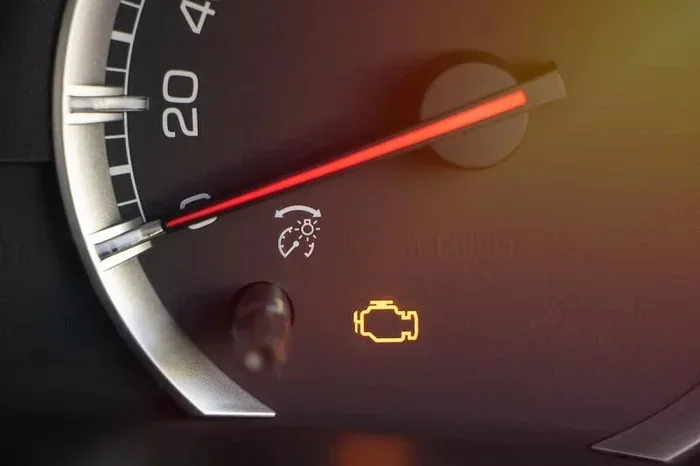
If you are wondering how to reset engine light Toyota, you are not alone. Many drivers face this warning and want a fast, safe solution. In this guide, you will learn simple reset methods, common causes, and when to see a mechanic. We keep things clear and practical so you can drive with confidence again.
Seeing a check engine light can feel stressful. You may wonder if your car is safe to drive. You may also worry about repair costs. The good news is that many engine lights come from small issues. Sometimes the problem is simple. Sometimes it needs attention. Either way, knowing how to reset engine light Toyota can help you stay calm and act wisely.
Before you reset anything, it helps to understand what the light means. The light is part of your car computer system. It watches engine performance, emissions, and key sensors. When something looks off, the light turns on. That does not always mean disaster. It simply means the system found a problem code.
In this guide, we will walk through the process step by step. We will also cover common reasons for the light, safe reset methods, and warning signs that mean you should get help. By the end, you will know exactly what to do next.
Key Takeaways
- Check the cause first: A reset only clears the warning. It does not fix the problem.
- Use an OBD2 scanner: This is the safest and most accurate way to read and clear codes.
- Try a battery disconnect: This can work for minor issues, but it may reset other settings too.
- Drive the car normally: Many lights turn off on their own after the issue is fixed.
- Watch for serious signs: Flickering lights, loss of power, or strange noises need professional help.
- Keep records: Note when the light appears and what fixes you try.
- Stay proactive: Regular maintenance helps prevent check engine lights from coming back.
📑 Table of Contents
- What Does the Toyota Check Engine Light Mean
- Common Reasons the Engine Light Turns On
- How to Reset Engine Light Toyota Safely
- When You Should Not Reset the Light Right Away
- What to Do After the Light Is Reset
- Simple Maintenance Habits That Help Prevent Engine Lights
- Final Thoughts on How to Reset Engine Light Toyota
What Does the Toyota Check Engine Light Mean
The Toyota check engine light is a warning from the onboard diagnostic system. Modern Toyotas use many sensors to monitor engine health. These sensors check fuel, air, ignition, exhaust, and more. If one reading falls outside the normal range, the system stores a code and turns on the light.
This light can look different depending on your model. Some lights stay steady. Others flash. A steady light usually means a less urgent issue. A flashing light often means a more serious problem. If the light flashes, it is best to reduce strain on the engine and get help soon.
It is also important to know that the light does not tell you the exact repair. It only tells you that something needs attention. That is why reading the code matters. Once you know the code, you can decide whether it is a loose gas cap, a sensor issue, or something that needs a mechanic.
Steady Light vs Flashing Light
A steady light often points to a moderate problem. You can usually drive carefully to a shop or home if the car feels normal. A flashing light is different. It may signal a misfire or another issue that can damage the engine if ignored. If the light flashes, avoid hard acceleration and get the car checked as soon as you can.
Why the Light May Appear After a Refuel
Sometimes the light comes on after filling the tank. This can happen if the gas cap is loose or not sealed properly. The emissions system may detect a small leak. In that case, tightening the cap may solve the issue. If the cap is damaged, replacing it can help too.
Common Reasons the Engine Light Turns On
There are several common reasons the light appears. Some are minor. Others need repair. Here are a few frequent causes:

Visual guide about Toyota dashboard engine light
Image source: youcanic.com
- Loose or faulty gas cap
- Oxygen sensor issues
- Mass airflow sensor problems
- Catalytic converter concerns
- Ignition coil or spark plug trouble
- Emissions system leaks
The gas cap is one of the easiest fixes. If it is loose, the system may think fuel vapors are escaping. Tightening it may clear the issue after a few drive cycles. If the cap is cracked or worn, a new one may be needed.
Oxygen sensors are also common culprits. These sensors help the engine run efficiently and monitor emissions. When they fail, fuel economy may drop. The car may also feel less smooth. Replacing a bad sensor can restore performance and turn off the light.
Another possible cause is the mass airflow sensor. This sensor measures air entering the engine. If it gets dirty or fails, the engine may run rich or lean. That can trigger the light and affect drivability. Cleaning or replacing the sensor may help, depending on the situation.
Sometimes the issue is related to spark plugs or ignition coils. These parts help create the spark needed for combustion. Worn plugs or failing coils can cause misfires. A misfire can feel like shaking, hesitation, or reduced power. This is one case where prompt attention matters.
Quick Tip
If the light comes on and your car seems to drive normally, start with the simple checks first. Look at the gas cap. Check for any obvious maintenance needs. Then read the code if you can.
How to Reset Engine Light Toyota Safely
Many people search for how to reset engine light Toyota because they want a quick fix. But the best reset method depends on the situation. If the real issue is still present, the light will likely return. That is why it is smart to address the cause before clearing the code.
Here are the main methods drivers use:
Method 1: Use an OBD2 Scanner
This is the most reliable approach. An OBD2 scanner reads the trouble code and lets you clear it after the repair. You can buy a basic scanner or use one at an auto parts store. Many stores will read the code for free or at a low cost.
The general steps are simple:
- Park the car and turn the ignition off.
- Locate the OBD2 port, usually under the dashboard.
- Plug in the scanner.
- Turn the ignition on without starting the engine, if needed.
- Read the code and note it.
- Fix the problem if possible.
- Clear the code with the scanner.
After clearing the code, drive the car normally. The system may need time to recheck everything. If the issue is truly fixed, the light may stay off.
Method 2: Disconnect the Battery Briefly
Some drivers try disconnecting the battery to reset the system. This can clear certain codes, but it is not the best first choice for every situation. It may also reset other settings, such as radio preferences or clock settings. On some cars, it can affect adaptive learning too.
If you choose this method, be careful. Make sure the car is off. Disconnect the negative terminal first. Wait a short time. Then reconnect it. After that, you may need to drive the car for the system to run its checks again.
Method 3: Let the System Reset Itself
In some cases, the light turns off on its own after the problem disappears. This happens when the car completes successful drive cycles. For example, if the light came on because of a loose gas cap, tightening it and driving for a while may clear the warning.
This method works best when the issue is minor and already fixed. If the light stays on, the system still detects a problem. That means the code is still active.
Common Mistakes
One common mistake is clearing the code without checking the cause. Another is assuming the light is harmless just because the car seems fine. A third is ignoring a flashing light. These mistakes can lead to bigger repairs later. It is better to diagnose first and reset second.
When You Should Not Reset the Light Right Away
Sometimes the smartest move is not to reset the light immediately. If the car is shaking, losing power, overheating, or making strange noises, the light may be pointing to a serious issue. In that case, driving farther than necessary could make things worse.
Also, if the light is flashing, treat it as a stronger warning. Reduce speed if you can. Avoid heavy load on the engine. Then get the car inspected soon. A reset may hide the warning, but it will not stop the underlying problem.
If you are unsure, it is always safer to check the code first. That gives you more information before you decide what to do. It can also save time by pointing you toward the right repair.
Expert Insight
Think of the check engine light as a helpful alert, not a final diagnosis. The goal is not just to turn off the light. The goal is to make sure the engine and emissions system are working properly. A reset is only useful after the real issue is handled.
What to Do After the Light Is Reset
Once you reset the light, your work is not always finished. You should confirm that the problem really is gone. The best way is to monitor the car over the next few days. Pay attention to how it starts, accelerates, and idles.
Here is a simple checklist:
- Check for the light returning.
- Watch for rough idling or hesitation.
- Notice any drop in fuel economy.
- Listen for unusual sounds.
- Look for warning messages on the dashboard.
If everything feels normal, the fix may have worked. If the light comes back, the issue may still be present. In that case, re-read the code and continue troubleshooting. Sometimes one problem can trigger another, so it helps to stay patient.
It is also a good idea to keep a small note of what happened. Write down when the light appeared, what code you saw, and what you did. That record can be useful if you visit a shop later. It can also help you spot patterns, like a light that returns after certain driving conditions.
Quick Tip
If you recently fixed a part, give the system time to recheck itself. One reset may not be enough if the car has not completed enough drive cycles. Normal driving often helps the system finish its checks.
Simple Maintenance Habits That Help Prevent Engine Lights
The best way to deal with engine lights is to reduce the chances of them appearing in the first place. Good maintenance goes a long way. It helps your Toyota run better and can catch small issues before they become bigger ones.
A few helpful habits include:
- Tightening the gas cap properly after refueling.
- Replacing worn spark plugs on schedule.
- Keeping sensors and filters clean where appropriate.
- Addressing small warning signs early.
- Using quality fuel and fluids recommended for your vehicle.
It also helps to pay attention to changes in your car. If the engine feels different, do not wait too long. A small issue can sometimes grow into a larger one. Catching it early may save money and stress.
Regular inspections are another smart habit. Even if nothing feels wrong, a quick check can reveal worn parts or loose connections. That is especially useful before long trips or during seasonal changes.
Key Takeaways
If you want to avoid repeat warnings, focus on the basics. Secure the gas cap. Maintain ignition parts. Respond to early symptoms. And if the light returns, read the code instead of guessing.
Final Thoughts on How to Reset Engine Light Toyota
Learning how to reset engine light Toyota is useful, but it is only part of the picture. The reset itself is simple. The smarter part is understanding why the light came on and making sure the issue is resolved. That approach protects your car and gives you more confidence on the road.
Start with the basics. Check the gas cap. Read the code if you can. Fix the cause before clearing the warning. If the light is steady and the car feels normal, you may have time to investigate carefully. If the light flashes or the car behaves strangely, get help sooner.
A check engine light does not have to ruin your day. With a calm approach and a little knowledge, you can handle it well. Use the reset methods wisely, watch for returning symptoms, and keep up with regular care. That way, your Toyota stays safer, smoother, and more reliable.
Frequently Asked Questions
Why is my Toyota check engine light on?
It may be on because the car computer detected a problem with the engine, emissions, or a sensor. Common causes include a loose gas cap, a bad oxygen sensor, or ignition issues. Reading the code gives you a better idea of the cause.
Can I reset the engine light without a scanner?
Sometimes yes, but it is not always the best method. Disconnecting the battery may clear some codes, and some lights go off on their own after the issue is fixed. Still, a scanner is safer because it helps you understand the problem first.
Is it safe to drive with the check engine light on?
If the light is steady and the car drives normally, it may be safe for a short time while you arrange a check. If the light is flashing or the car loses power, you should be more cautious and get it inspected soon.
Will the engine light reset itself?
It can if the problem is gone and the car completes enough drive cycles. If the issue remains, the light will likely stay on or come back again. That is why it is important to address the cause, not just the warning.
What is the first thing I should check when the light comes on?
Start with the simplest possibilities. Make sure the gas cap is tight and in good condition. Then look for any obvious signs like rough idling, strange smells, or reduced performance. If you can, read the trouble code next.
When should I see a mechanic for the engine light?
You should see a mechanic if the light flashes, if the car shakes or loses power, or if the light keeps coming back after you clear it. It is also wise to get help if you are unsure about the cause or do not have a scanner.