
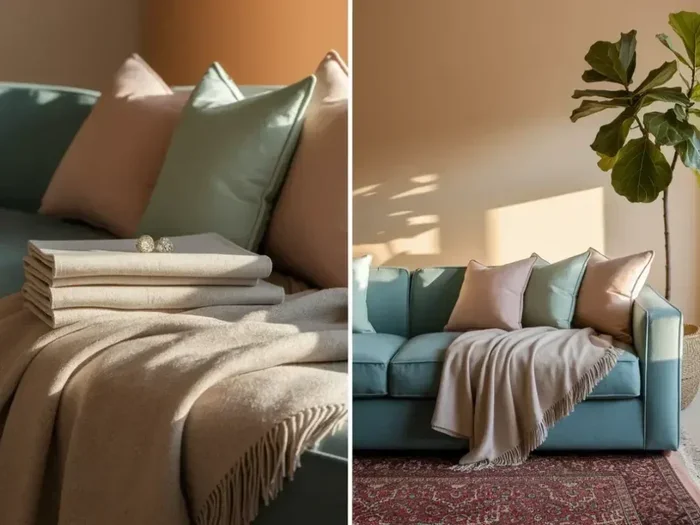
Featured image for how to neatly folded throw blankets in living room
Image source: thestyleverge.com
A tidy living room feels calmer, and throw blankets can stay neat with the right storage habits. This guide shows you how to choose a spot, fold or roll blankets, and use baskets, shelves, or hooks without crowding your space. With a few simple steps, you can keep your room looking clean while still keeping your favorite blankets easy to reach.
Your living room can feel warmer and more inviting when you have a few soft blankets nearby. The challenge is that blankets can also pile up fast. They slip off the sofa, stack in awkward corners, or fill a basket in a messy heap. If you have ever wondered how to store throw blankets in the living room without making the space look cluttered, you are not alone.
The good news is that neat blanket storage does not have to be complicated. You do not need a huge closet or a perfect decorating style. You just need a simple system that fits your room, your blankets, and the way your household actually lives. In this guide, you will learn how to sort your blankets, choose a practical storage spot, and keep everything looking tidy day after day.
You will also find easy ideas for baskets, shelves, hooks, and folded displays, along with tips for protecting delicate fabrics and keeping your favorite throws within reach. Whether your living room is small, busy, or already full of furniture, these steps can help you create a cleaner, more comfortable space.
📑 Table of Contents
- Start by sorting your throw blankets
- Choose the best storage spot in your living room
- Learn a simple folding or rolling method
- Pick storage containers that fit your room
- Store blankets so they stay clean and protected
- Make the system easy for everyone to use
- Adjust your storage for different living room styles
- Troubleshooting common blanket storage problems
- A simple plan to keep your living room neat
- Final thoughts on storing throw blankets neatly
Start by sorting your throw blankets
Before you move a single basket or shelf, it helps to know what you are working with. Blanket storage feels much easier once you separate the throws you use often from the ones that rarely come out. This first step also prevents you from organizing items you do not really need.
Group blankets by how often you use them
Take every throw blanket out of the living room and sort it into a few simple piles. One pile can be for blankets you reach for often. Another can be for seasonal pieces or special-occasion blankets. A third pile can be for items that are damaged, uncomfortable, or no longer useful.
This step matters because not every blanket needs the same kind of storage. The blankets you use most should stay easy to grab. The ones you use less often can go in a slightly more tucked-away spot. If a blanket is faded, stretched, or no longer your favorite, it may be time to donate, recycle, or retire it.
Check fabric types and sizes
As you sort, notice the different fabrics and sizes in your collection. A lightweight cotton throw is easier to fold and stack than a bulky knit or fleece blanket. Larger blankets may need more shelf depth or a bigger basket. Delicate fabrics may do better in breathable storage than in a tight pile.
This is also a good time to look for care labels or special needs. Some blankets prefer gentle washing, while others may need spot cleaning. If you plan to store blankets for a while, it is smart to clean them first so dust or spills do not settle into the fabric.
Choose the best storage spot in your living room
Once you know which blankets you want to keep, the next step is finding the right place for them. The best spot depends on your room layout and how often you use the blankets. A good storage spot should feel natural, not hidden behind too much clutter.

Visual guide about how to neatly folded throw blankets in living room
Image source: i.pinimg.com
Look for open vertical space
If your living room is tight on floor space, look upward. A wall shelf, tall bookcase, or cabinet can hold folded blankets without taking up much room. Vertical storage works especially well when you want the blankets visible but organized. It also helps keep heavy piles off the sofa and floor.
When using shelves, think about balance. A row of neatly folded blankets can look calm and intentional, especially if the colors are similar or if you keep the stack to a reasonable height. If the shelf also holds books or décor, leave enough space so the blankets do not feel crowded.
Use furniture with built-in storage
Some living room furniture is already made for storage. A storage ottoman, bench, drawer-style coffee table, or cabin-style side table can hide blankets while keeping them close. This is a helpful option if you prefer a cleaner look or if your blankets are bulky.
The key is convenience. If the blanket is buried behind other items, you may stop using the storage spot altogether. Try to keep the most-used throws in the easiest place to reach. That way, the system stays practical instead of becoming another item you have to manage.
Decide between open and hidden storage
Open storage makes blankets easy to see and grab. Hidden storage keeps the room looking minimal. Neither option is better in every home. The right choice depends on how much visual clutter you want to live with.
If your living room is already busy, a closed bin or drawer may feel calmer. If you enjoy seeing your throws as part of the room’s look, a basket or shelf can add texture and comfort. You can also mix the two approaches by keeping everyday blankets in one spot and seasonal ones in another.
Learn a simple folding or rolling method
Neat storage starts with a neat fold. You do not need a perfect designer stack. You just need a method that keeps blankets compact and easy to return to the same place later.
Try a basic rectangle fold
For most blankets, a simple rectangle fold works well. Lay the blanket flat, then fold it in half or in thirds until it becomes a size that fits your shelf, basket, or bin. If the blanket is very large, you may need a few extra folds. The goal is a shape that stacks without slipping over.
This method is especially useful for shelves and shallow bins. It also makes it easier to see how many blankets you have, which can help you avoid overstacking. If the edges tend to spread out, line them up carefully before placing the blanket in its storage spot.
Roll blankets for compact storage
Rolling can be a better choice for thicker blankets or for bins where you want to save space. Lay the blanket flat, fold one corner inward if needed, then roll it tightly from one end to the other. A rolled blanket can fit into a basket or bin without creating a tall stack.
Rolling also works well when you want to store blankets side by side rather than on top of each other. That can make it easier to pull one out without disturbing the rest. If the roll is too loose, the blanket may unroll again, so keep it snug but not stretched.
Keep stacks low and stable
If you prefer stacking, avoid making the pile too high. Tall stacks can tip, slide, or become annoying to sort through. A lower stack is usually easier to manage and looks calmer on a shelf or in a basket. If you have several blankets, group them by type or color so each stack feels intentional.
Another helpful habit is to return each blanket to the same position. When everyone in the household knows where a blanket belongs, the storage system stays neater for longer.
Pick storage containers that fit your room
The container you choose can make a big difference in how the room feels. A good basket, bin, or shelf setup should match your décor and your daily habits. It should also be easy to lift, carry, and put back.
Use baskets for a soft, tidy look
Baskets are a popular choice because they can hide messy piles while still feeling warm and inviting. A woven basket, fabric bin, or sturdy open container can hold folded or rolled blankets nicely. If the basket has low sides, it is easier to reach in and grab a throw.
Baskets also work well when you want the storage to blend into the room instead of standing out like a plastic bin. You can place one near the sofa, on a shelf, or under a side table if the space allows. For a cleaner look, keep the number of blankets in the basket reasonable so it does not overflow.
Try bins or boxes for heavier throws
If your blankets are bulky, a firmer bin or box may be more practical. A container with defined edges can help keep heavy throws from spreading out. This is useful in shared living rooms where blankets need a clear home instead of being tossed onto a chair.
Choose a container that is easy to move. If you need to shift it for cleaning or rearrange the room later, a lightweight but sturdy option is often best. If you prefer hidden storage, a lidded bin can also help reduce dust buildup.
Add shelf dividers or small trays for order
Shelves can look messy when blankets start to lean or spill over. A simple divider, tray, or lined section can help keep stacks upright. This is especially useful if you store several blankets together or if the shelf is shared with books and décor.
You do not need fancy organizing products. Even a small folded cloth under a stack can help keep the area tidy. The main idea is to create boundaries so each blanket has a place to sit.
Store blankets so they stay clean and protected
Storage is not only about appearance. It also affects how well your blankets hold up over time. Dust, moisture, sunlight, and rough handling can all shorten the life of a fabric throw.
Keep dust away with breathable covers
If blankets sit for long periods, they can collect dust. A breathable cover, loosely folded cotton layer, or lidded container can help reduce that buildup. Avoid sealed plastic storage for long-term use unless you are sure the fabric is completely dry and the space is not humid. Trapped moisture can cause problems.
For blankets you use often, it is usually enough to keep them in a clean basket or shelf area and give them a quick refresh now and then. The more often a blanket is used and washed, the less likely it is to gather hidden dust.
Avoid damp or sunny spots
Try not to store blankets in places that stay damp, such as a corner near a leak, a window that often collects condensation, or a room with poor airflow. Moisture can lead to musty smells or fabric damage. Direct sunlight over time can also fade colors.
A dry, stable spot is best. If your living room gets a lot of sun, you may want to move stored blankets slightly away from the window or rotate them occasionally if they sit for long periods.
Refresh blankets before storing them
Before you tuck a blanket away, give it a quick check. Shake it out, look for crumbs or pet hair, and wash or spot-clean it if needed. Storing a dirty blanket only makes the storage area harder to keep clean.
This is especially helpful if you share the living room with kids or pets. A small habit like brushing off debris before folding can keep your storage spot much tidier.
Make the system easy for everyone to use
A blanket storage setup works best when it is simple enough that other people will actually use it. If the system feels confusing or inconvenient, blankets tend to end up back on the couch anyway.
Place the most-used throws within reach
Keep the blankets your family uses most in the easiest location. That might be a basket beside the sofa, a shelf near the seating area, or a drawer that opens without effort. The harder a blanket is to reach, the less likely it is to be put back properly.
If you have children or guests who use the living room often, this step matters even more. A visible, simple spot can help everyone return blankets to the same place without thinking too hard about it.
Label or group items if needed
If you store several types of blankets, grouping can save time. You might keep cozy winter throws in one section and lighter blankets in another. If your household likes clear systems, a simple label or color grouping can make it even easier to put things away.
You do not need a complicated setup. The goal is just to reduce guesswork so the room stays organized with less effort.
Build a quick reset habit
Even the best storage spot can get messy if no one returns the blankets. A short reset at the end of the day or once a week can help a lot. Straighten the stack, fold any blanket that has slipped, and remove anything that does not belong in the storage area.
This kind of small routine is often easier than waiting for a big cleanup later. When the system is easy to reset, it is more likely to stay neat.
Adjust your storage for different living room styles
Not every living room looks the same, and blanket storage should fit the room you actually have. A small apartment living room may need a different approach than a larger family space.
Small spaces benefit from compact storage
If your living room is compact, choose storage that does more than one job. A basket that sits near the seating area, a shelf that also holds books, or a storage bench can help you keep blankets without adding clutter. The less extra space your storage takes, the easier it is to live with.
In tight rooms, it also helps to keep only the blankets you truly use. Fewer throws usually mean easier storage and a cleaner look.
Larger rooms can handle more visible storage
If you have more room, you may be able to use a dedicated shelf, storage cabinet, or decorative basket arrangement. Visible storage can feel intentional in a larger space, especially when the stacks or bins are arranged neatly.
Even in a bigger room, though, too many loose blankets can still look untidy. The same rules apply: fold or roll them, keep stacks reasonable, and give each item a clear place.
Family-friendly setups need durability
If your living room gets heavy use, choose storage that can handle frequent handling. Sturdy baskets, washable bins, and easy-to-reach shelves are often more practical than delicate decorative pieces. It also helps to keep the storage spot low enough for kids or adults to use without awkward reaching.
A family-friendly system should be forgiving. If a blanket gets pulled out often, the storage should still make sense after repeated use.
Troubleshooting common blanket storage problems
Even a good system can run into trouble. Here are some common issues and simple ways to handle them.
Blankets keep ending up on the sofa
If that happens, the storage spot may be too far away or too hard to use. Move the basket or shelf closer to where the blankets are actually used. A more convenient spot often solves the problem faster than asking everyone to be more careful.
The basket or shelf keeps overflowing
Overflow usually means there are too many blankets for the space. Instead of forcing everything in, reduce the collection or add a second storage spot for less-used throws. A neat system should not feel packed tight.
Stacks keep falling over
If stacks slide, the blankets may be too loose or the shelf too shallow. Try a more compact fold, a firmer container, or a divider to keep the edges aligned. Rolling may also work better than stacking for that particular blanket.
Stored blankets start to smell stale
That usually points to moisture, dust, or long-term storage without airflow. Check the spot for dampness, clean the blankets before storing them, and make sure the storage container or area has some breathability. If a blanket has a strong odor, wash it before putting it back in the living room.
A simple plan to keep your living room neat
If you want a straightforward way to put all of this together, use this basic routine:
- Gather every throw blanket in one place.
- Sort them into often-used, occasional, and no-longer-needed groups.
- Clean the blankets that need it before storing them.
- Choose one main storage spot that fits your living room layout.
- Fold or roll each blanket in a way that matches the container or shelf.
- Keep the most-used throws in the easiest place to reach.
- Do a quick reset every so often so the system stays tidy.
This kind of routine is easy to repeat, and it does not require a perfect home or a lot of extra storage. The main goal is to make blanket storage feel effortless instead of like another chore.
Final thoughts on storing throw blankets neatly
Learning how to store throw blankets in the living room is mostly about finding a system that matches your space and your habits. When you sort your blankets, choose a practical spot, fold or roll them neatly, and use containers that fit your room, the living room feels cleaner without losing its cozy feel.
The best setup is the one you will actually keep using. A basket beside the sofa, a shelf above the seating area, or a storage bench can all work well if they make daily life easier. Start with one small change, keep the system simple, and adjust it as needed. With a little consistency, your throw blankets can stay tidy, accessible, and ready whenever you want a little extra comfort.