
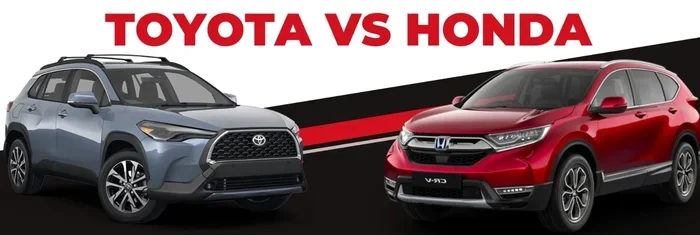
When asking Is Honda or Toyota more reliable, the answer isn’t always simple. Both brands have legendary reputations for building cars that last well over 200,000 miles with proper care. Toyota often edges out competitors in long-term mechanical consistency, while Honda shines in engineering efficiency and performance longevity. Your best choice depends on the specific model, maintenance habits, and driving conditions you face daily. This guide breaks down real-world data, common failure points, and expert insights to help you make a confident decision.
Choosing between two legendary Japanese automakers often comes down to one big question. Is Honda or Toyota more reliable? Millions of drivers ask this every year. Both companies built their names on durable cars that refuse to quit. You see them everywhere. Commuters, families, and fleet operators trust these brands daily. But which one truly delivers better long-term dependability? The answer depends on how you define reliability. It involves mechanical failure rates, repair frequency, part availability, and how well a vehicle handles years of real-world use.
We will break down the facts. You will learn how each brand approaches engineering. We will compare common models, typical failure points, and real ownership costs. You will also get practical tips to maximize the lifespan of whichever car you choose. By the end, you will have a clear picture of which brand fits your lifestyle and budget. Let us dive into the details.
Key Takeaways
- Toyota leads in long-term consistency: Toyota vehicles consistently rank at the top of dependability studies due to conservative engineering and proven powertrains.
- Honda excels in efficient design: Honda focuses on lightweight construction and high-revving engines that often outlast expectations when maintained properly.
- Model matters more than brand: A well-built specific model from either company will outperform a poorly designed one, regardless of corporate reputation.
- Maintenance dictates lifespan: Regular oil changes, fluid swaps, and timely part replacements keep any Japanese sedan or SUV running smoothly for decades.
- Repair costs are similar: Both brands use widely available parts and simple mechanical layouts, keeping ownership expenses low compared to European rivals.
- Resale value favors Toyota: Toyota models typically retain higher percentage values over time, reflecting buyer confidence in long-term reliability.
- Test drive and research specific trims: Always compare real owner reviews, recall history, and common issues for the exact year and model you plan to buy.
📑 Table of Contents
- Understanding What Reliability Really Means
- Toyota Reliability: Strengths and Common Considerations
- Honda Reliability: Strengths and Common Considerations
- Head-to-Head: Which Brand Handles Long-Term Ownership Better
- How to Choose the Right Model for Your Needs
- Practical Steps to Maximize Longevity on Either Brand
- Final Thoughts on the Reliability Question
Understanding What Reliability Really Means
Reliability is not just about a car starting every morning. It covers how often parts wear out, how smoothly systems run over time, and how much money you spend on fixes. A truly dependable vehicle minimizes surprises. It handles daily commutes, road trips, and harsh weather without constant shop visits. When shoppers ask Is Honda or Toyota more reliable, they usually want to know which brand costs less to own and which one stays on the road longer.
How Manufacturers Build Dependability
Both companies use similar strategies. They design simpler mechanical systems. They source proven components. They test engines and transmissions extensively before release. Toyota often takes a conservative approach. They prioritize steady performance over cutting-edge complexity. Honda leans toward efficient engineering. They focus on lightweight materials and high-output engines that run cleanly for years. Both philosophies produce durable cars when executed well.
Real-World Factors That Affect Longevity
Your driving habits matter just as much as factory design. Short trips prevent engines from reaching optimal temperatures. This traps moisture and accelerates wear. Frequent towing or heavy loading strains suspensions and transmissions. Poor maintenance skips critical fluid changes and ignores small warning signs. Even the most dependable car suffers when neglected. On the flip side, a well-cared-for model from either brand can easily surpass 200,000 miles.
Quick Tip
Keep a simple maintenance log. Write down every oil change, fluid top-off, and part replacement. This record helps you spot patterns and proves responsible ownership when you sell the car later.
Toyota Reliability: Strengths and Common Considerations
Toyota built its reputation on steady, no-fuss transportation. The company focuses on reducing failure points. They use straightforward engine designs. They pair them with transmissions that prioritize durability over quick shifts. This approach pays off in long-term studies. Many mechanics appreciate Toyota vehicles because they follow predictable patterns. Parts are easy to find. Repairs usually stay affordable. When you wonder Is Honda or Toyota more reliable, Toyota often wins in broad dependability surveys because of this conservative engineering mindset.
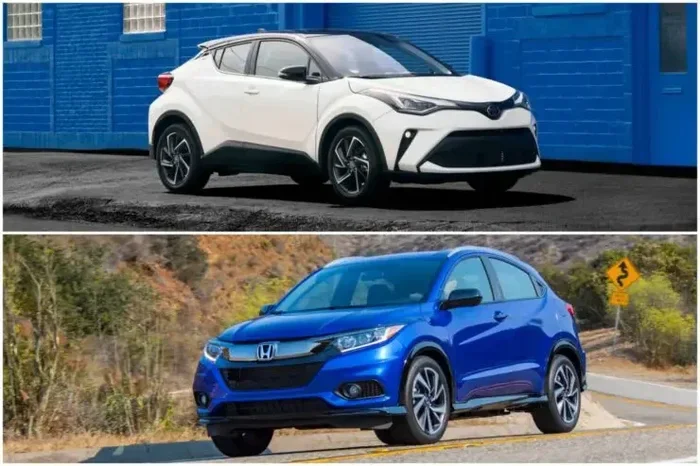
Visual guide about Honda Toyota car comparison
Image source: carautoportal.com
Why Toyota Vehicles Often Last Longer
Toyota engines typically run at lower stress levels. They use timing chains instead of belts in many modern models. They design cooling systems with extra margin. They select suspension components that tolerate rough roads well. These choices reduce sudden failures. They also make routine service simpler. A Toyota owner usually spends less time troubleshooting and more time driving. This reliability reputation boosts resale values too. Buyers know they can find cheap parts and qualified mechanics everywhere.
Common Areas to Watch
No brand is perfect. Some Toyota models experience minor quirks. A few older transmissions showed hesitation during cold starts. Certain interior plastics wear faster than expected. Infotainment systems in recent years sometimes lag or freeze. These issues rarely strand drivers. They mostly affect comfort and convenience. Still, you should research the exact year and trim before buying. A quick look at owner forums and recall notices saves headaches later.
Common Mistake
Assuming all Toyota models share the same reliability profile. A compact sedan differs greatly from a heavy truck. Always check model-specific data instead of relying on brand-wide generalizations.
Honda Reliability: Strengths and Common Considerations
Honda earned its status by building efficient, engaging cars. The brand focuses on smart engineering. They pack power into smaller packages. They use lightweight frames to improve fuel economy. They design engines that breathe well and stay cool under normal use. Many drivers love how Honda vehicles feel on the road. They respond quickly. They handle neatly. And they often keep running smoothly for years when treated right. This balance of performance and durability keeps Honda in the reliability conversation.
What Makes Honda Cars Dependable
Honda powertrains often use simple valve trains and proven fuel injection systems. They design transmissions with clear gear ratios that reduce strain. They pay close attention to weight distribution. This helps suspensions last longer. They also standardize many parts across models. This streamlines production and lowers the chance of unique defects. Honda owners frequently report strong engine longevity. Many examples reach high mileage with only basic care. The brand also offers solid warranties on critical systems, which adds peace of mind.
Areas That Need Attention
Honda vehicles sometimes show specific wear patterns. Certain automatic transmissions in past generations benefited from software updates and fluid changes. A few models experienced oil consumption in early years. Some interiors show seat wear or dashboard glare sooner than expected. These points do not make the brand unreliable. They simply highlight where attentive maintenance helps. If you stay on top of scheduled service, most Honda cars deliver excellent long-term results.
Expert Insight
Mechanics often note that Honda engines respond well to premium-grade oil and strict interval adherence. A small increase in maintenance quality usually rewards owners with smoother performance and fewer unexpected repairs.
Head-to-Head: Which Brand Handles Long-Term Ownership Better
Comparing two trusted brands requires looking at real usage. You want to know which one handles years of daily driving with fewer interruptions. Both companies produce dependable cars. The differences appear in how they achieve that dependability. Toyota often favors steady, low-stress designs. Honda favors efficient, responsive engineering. Neither approach is wrong. Your preference depends on how you drive and what you value most.
Mechanical Simplicity Versus Engineering Efficiency
Toyota usually keeps systems straightforward. This reduces failure opportunities. Honda often adds clever touches to improve efficiency. This can yield better fuel economy and sharper handling. Both strategies work. The key is matching the approach to your needs. If you want a vehicle that quietly does its job for years, Toyota often feels like the safer bet. If you enjoy a more lively drive and still want solid longevity, Honda delivers strong results.
Repair Frequency and Cost Patterns
Both brands benefit from massive dealer networks and plentiful aftermarket parts. This keeps labor and component costs reasonable. Routine service for either brand usually stays within normal ranges. Major repairs are less common than with many competitors. When issues do arise, they tend to be isolated to specific model years rather than brand-wide flaws. This is good news for budget-conscious buyers. You can plan expenses more easily when you choose a well-researched model from either lineup.
Real-World Mileage and Lifespan Expectations
Many owners report six-figure mileage without major overhauls. Some reach 200,000 miles and beyond. This happens when drivers follow service schedules and address small problems early. Both brands support high mileage with proper care. The difference often comes down to driving style and climate. Harsh conditions demand more frequent checks. Gentle use extends component life. Either way, you can expect many years of service from a well-maintained example.
Quick Comparison Snapshot
Below is a simple side-by-side look at typical traits. Use this as a starting point, not a final verdict.
- Design Philosophy: Toyota favors conservative, low-stress engineering. Honda favors efficient, performance-minded design.
- Typical Maintenance Costs: Both remain affordable. Routine service is similar across comparable models.
- Parts Availability: Excellent for both. Most components are widely stocked and reasonably priced.
- Resale Trends: Toyota often retains value slightly better. Honda remains competitive, especially in sporty or efficient trims.
- Common Strengths: Strong engines, simple mechanics, broad dealer support, and long service life.
- Common Watch Points: Model-year specifics matter. Check transmission history, oil consumption notes, and software updates.
How to Choose the Right Model for Your Needs
Brand reputation matters, but the specific vehicle matters more. A compact sedan, a family SUV, and a pickup truck all face different demands. You should match the model to your daily routine. Think about passenger space, cargo needs, fuel economy, and driving conditions. Then research the exact year and trim. This focused approach answers the question Is Honda or Toyota more reliable for your situation much better than a broad brand comparison.
Matching the Vehicle to Your Driving Habits
City drivers benefit from easy maneuverability and tight parking. A smaller hatchback or crossover often works well. Highway commuters value steady cruise control and comfortable seats. A midsize sedan or refined SUV fits nicely. Families need room for passengers and gear. A larger SUV or minivan makes sense. Towing or hauling requires a truck or robust SUV. Each use case changes which model will feel most dependable over time.
Checking History, Recalls, and Owner Feedback
Always review the model’s track record. Look for pattern issues in owner forums. Check recall notices for your target year. Read professional reviews and long-term owner reports. Pay attention to transmission behavior, engine noise, and interior wear. These details reveal how the car ages. A model with a clean history and satisfied owners usually delivers a smoother ownership experience. This research takes little time and saves money later.
Quick Tip
Ask a trusted mechanic to inspect any used example before purchase. A thorough pre-purchase check catches hidden wear and confirms that previous owners handled maintenance properly.
Practical Steps to Maximize Longevity on Either Brand
Your habits determine how long any car lasts. Both brands reward consistent care. You do not need fancy products or complicated routines. You need a steady schedule and attention to small changes. Follow these steps to keep your vehicle running strong for years.
Build a Simple Maintenance Routine
Start with the owner’s manual. It lists the recommended intervals for oil, filters, fluids, and inspections. Stick to those guidelines. Use quality oil that matches the specification. Replace filters on time. Check tire pressure monthly. Rotate tires as suggested. These basics prevent most common wear issues. They also keep fuel economy steady and reduce strain on major components.
Watch for Early Warning Signs
Pay attention to unusual sounds, vibrations, or warning lights. A slight change often signals a small problem. Catching it early avoids big repairs. Note any fluid leaks under the car. Track drops in mileage or shifts in engine behavior. Schedule a check when something feels off. Quick action preserves reliability and keeps repair bills low.
Keep Records and Plan Ahead
Store all service receipts in one place. A simple folder or digital file works fine. Records prove that you cared for the car. They also help you predict upcoming expenses. Plan for seasonal checks before extreme weather arrives. Replace aging parts before they fail. This proactive mindset extends the life of any vehicle and keeps your daily routine smooth.
Common Mistake
Waiting for a warning light before scheduling service. Many issues develop slowly. Regular inspections catch them before they become costly problems.
Final Thoughts on the Reliability Question
So, Is Honda or Toyota more reliable? Both brands deliver excellent long-term dependability when you choose the right model and maintain it properly. Toyota often leads in broad consistency studies because of its conservative engineering and broad parts support. Honda frequently matches that durability with efficient designs and strong real-world mileage. The best choice depends on your driving needs, budget, and the specific vehicle you select. Research the exact year and trim. Follow a steady maintenance schedule. Address small issues early. Do these things, and either brand can serve you well for many years.
If you want a steady, low-stress ownership experience, look closely at Toyota’s well-reviewed models. If you prefer a more engaging drive with strong efficiency and solid longevity, explore Honda’s lineup. Compare real owner feedback, check recall history, and get a pre-purchase inspection for used examples. With a thoughtful approach, you will find a dependable car that fits your life and keeps running strong mile after mile.
Frequently Asked Questions
Which brand typically lasts longer, Honda or Toyota?
Both brands can easily reach high mileage with proper care, but Toyota often shows slightly better long-term consistency in broad dependability studies. Honda also delivers excellent lifespan, especially when owners follow strict maintenance schedules and address small issues early.
Are Honda or Toyota repair costs lower over time?
Repair costs are usually similar for both brands because parts are widely available and mechanical layouts stay straightforward. Routine service expenses remain reasonable, and major repairs are less common than with many competitors when you choose a well-reviewed model year.
Do Toyota and Honda hold their value well?
Yes, both brands typically retain strong resale values compared to many rivals. Toyota often edges ahead in percentage retention, while Honda remains very competitive, especially in efficient sedans and sporty trims that attract steady buyer demand.
Which brand is better for high-mileage commuting?
Either brand works well for high-mileage commuting if you pick a model known for steady reliability. Toyota often feels like the safer choice for low-stress daily use, while Honda offers a more engaging drive without sacrificing long-term durability when maintained properly.
Should I worry about transmission problems in these brands?
Most modern examples use proven transmissions that perform well for years. Some specific model years in both brands benefited from software updates or stricter fluid changes, so it helps to research the exact model and follow the recommended service intervals.
How can I make sure I buy a reliable used model?
Research the specific year and trim, check recall notices, read long-term owner feedback, and schedule a pre-purchase inspection with a trusted mechanic. A clean service history and a thorough inspection will help you avoid hidden issues and choose a dependable used car.