
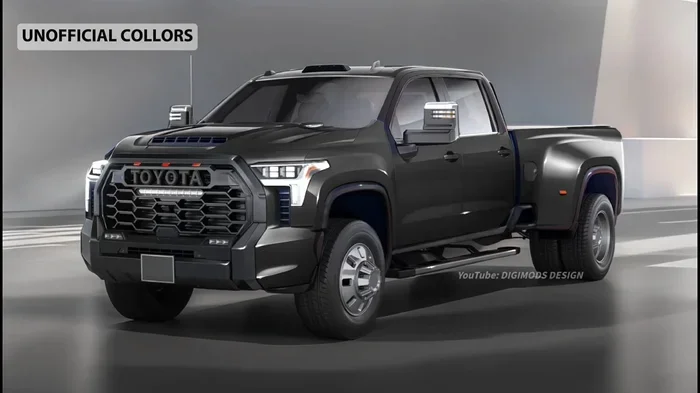
Many buyers ask if the Toyota Tundra is a 3/4 ton truck, but the answer depends on how you define truck ratings. While the Tundra shares some capabilities with traditional 3/4 ton pickups, it is officially classified as a half-ton truck by Toyota. Its payload and towing specs often match or exceed lighter-duty trucks, making it a strong choice for heavy work. Understanding the real numbers helps you pick the right rig for your needs.
Pickup trucks come with a lot of labels, and those labels can confuse even experienced buyers. You hear terms like half-ton, three-quarter ton, and one-ton thrown around at dealerships and job sites. The Toyota Tundra often enters this conversation because it feels big, strong, and ready for serious work. Many people want to know if it truly fits the three-quarter ton category or if that is just marketing talk.
The short answer is that Toyota classifies the Tundra as a half-ton truck. That does not mean it lacks strength. It simply means the official rating system places it in a different group than traditional 3/4 ton work trucks. In practice, the Tundra can handle many of the same jobs as a heavier-rated pickup, especially when you choose the right configuration. The key is understanding what the numbers really mean and how they match your daily needs.
If you are trying to decide between the Tundra and a heavier-duty pickup, you need clear facts. You want to know about payload, towing, frame design, and real-world durability. You also want to avoid overpaying for capacity you will never use. This guide breaks down the rating system, compares the Tundra to true 3/4 ton trucks, and helps you make a smart choice.
Key Takeaways
- Official Classification: The Toyota Tundra is rated as a half-ton truck, not a 3/4 ton model.
- Payload Capacity: Most Tundra configurations carry between 1,500 and 1,900 pounds in the bed.
- Towing Strength: Proper setups can tow up to 12,000 pounds, rivaling many 3/4 ton trucks.
- Engine Options: The twin-turbo V6 and i-FORCE MAX hybrid deliver strong torque for hauling tasks.
- Real-World Use: The Tundra handles construction gear, campers, and boats well within its rated limits.
- Comparison Shopping: If you need consistent heavy payloads, a true 3/4 ton may still be the better fit.
- Buying Tip: Always check the specific trim, cab, and bed combo to confirm exact capacity numbers.
📑 Table of Contents
Is the Toyota Tundra a 3/4 Ton Truck by Official Rating
Truck tonnage labels started as rough estimates of payload capacity, not strict engineering rules. A half-ton truck originally suggested a payload near 1,000 pounds. A 3/4 ton truck suggested closer to 1,500 pounds. A one-ton truck suggested around 2,000 pounds. Over time, those names stuck as categories, even though actual capacities changed with better materials and stronger components.
Toyota places the Tundra in the half-ton group. That means the company markets it as a light-duty full-size pickup, not a medium-duty work truck. The label matters for buyers who want a specific class of vehicle for business, insurance, or resale reasons. It also matters if you compare the Tundra with trucks that carry a 3/4 ton badge from the factory.
Still, the official class does not tell the whole story. The Tundra uses a sturdy frame, strong suspension parts, and powerful engines. Those pieces help it manage heavier loads than older half-ton designs could handle. So while the badge says half-ton, the real capability can feel closer to a 3/4 ton in many everyday tasks.
How Truck Tonnage Labels Actually Work
Tonnage labels are shortcuts, not exact measurements. They help shoppers sort trucks into broad groups. They do not replace payload charts, towing guides, or axle ratings. If you want the real story, you need to look at the specific numbers for the exact model you plan to buy.
A few important points help explain the labeling system:
- Half-ton trucks usually focus on daily driving, light hauling, and moderate towing.
- 3/4 ton trucks often use stiffer suspensions and stronger axles for heavier work.
- One-ton trucks are built for maximum cargo, commercial use, and large trailers.
The Tundra sits in the first group by classification. Yet its payload and towing numbers can overlap with some 3/4 ton models, depending on engine, cab, bed, and equipment choices. That overlap is why so many people ask whether the Tundra really counts as a 3/4 ton truck.
What Toyota Says About the Tundra Class
Toyota describes the Tundra as a full-size pickup built for a wide range of uses. The company emphasizes capability, comfort, and modern technology. It does not position the Tundra as a medium-duty commercial truck. That distinction matters if you need a vehicle with a higher gross vehicle weight rating for frequent heavy loading.
If you want to compare the Tundra with other Toyota trucks, it helps to look at the whole family. For example, some buyers also wonder does Toyota make a 3 4 ton truck when they shop for heavier work vehicles. The answer depends on the model line and the specific use case, but the Tundra itself stays in the half-ton category.
Payload Capacity and the 3/4 Ton Question
Payload is the total weight a truck can carry on its frame, including passengers, cargo, fuel, and accessories. This number matters more than the tonnage label when you load a bed with tools, lumber, or gear. If the payload rating is too low, the truck can sag, handle poorly, or exceed safe limits even if the engine feels strong.
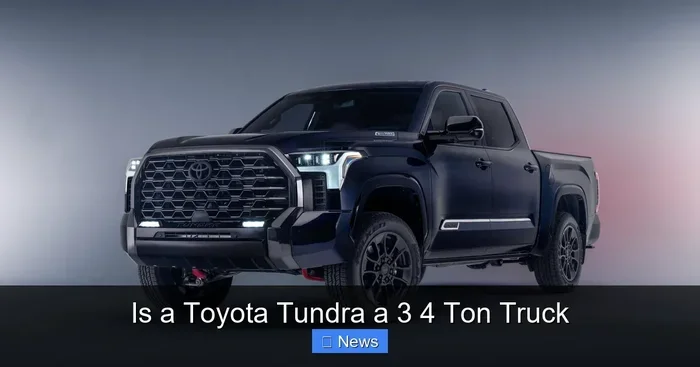
Visual guide about Toyota Tundra 3/4 ton truck
Image source: toyotaautodealer.com
The Tundra offers respectable payload numbers for a half-ton truck. Depending on the configuration, many setups fall in the 1,500 to 1,900 pound range. That is a solid figure for many owners, especially those who haul camping equipment, delivery items, or weekend project materials. It also puts the Tundra near the lower end of what some 3/4 ton trucks can carry.
If your loads regularly push past that range, the Tundra may not be the best match. A true 3/4 ton truck often provides more payload headroom, a firmer ride when loaded, and a higher gross vehicle weight rating. On the other hand, if your typical load stays under 1,500 pounds, the Tundra can feel more than capable.
How to Read Payload Numbers Correctly
Payload is not just about the bed. It includes everything in the truck. That means you should count the driver, passengers, fuel, aftermarket parts, and cargo together. Many buyers forget to add these items, then wonder why the truck feels overloaded.
A simple way to stay safe is to check the door jamb sticker and the owner’s guide for the official payload figure. Then subtract the weight of the people and gear you normally carry. The remaining number tells you how much cargo space you really have. This method gives you a much clearer picture than the old half-ton or 3/4 ton label.
When Payload Matters Most
Payload becomes critical when you carry dense materials. Sand, concrete, tools, and heavy machinery can fill a bed quickly. In those cases, a higher payload rating can make a big difference. The Tundra can handle many common loads well, but it is not designed for constant maximum-weight hauling in the same way a heavier-duty truck might be.
Quick tips for payload planning:
- Weigh your typical cargo before buying a truck.
- Include fuel and passengers in your total.
- Watch for rear sag and handling changes when the bed is full.
- Choose the trim and options that give the best payload for your needs.
Towing Capacity Compared to 3/4 Ton Trucks
Towing is another area where the Tundra gets attention. Many people want a truck that can pull a boat, travel trailer, or equipment trailer without strain. The Tundra offers strong towing numbers, especially with the right engine, drivetrain, and towing package. In some cases, those numbers reach into the 11,000 to 12,000 pound range.
That towing range puts the Tundra in conversation with many 3/4 ton pickups. For light to moderate trailers, the Tundra can feel like a very capable option. It also tends to offer a smoother ride and more passenger comfort than some work-focused 3/4 ton models. If you tow a few times a year, the Tundra may be a great fit.
However, towing capacity is not the same as towing comfort or towing durability over time. Heavier trailers place more stress on the frame, brakes, transmission, and suspension. A 3/4 ton truck often gives you more stability at highway speed, more brake confidence, and more load-carrying reserve. If you tow frequently or pull heavy loads, that extra margin can matter.
What Affects Towing Performance
Towing is not just a single number on a window sticker. Several factors change how a truck behaves behind a trailer:
- Engine torque and horsepower help with acceleration and hill climbing.
- Transmission tuning affects shifting smoothness and heat management.
- Rear axle ratio influences towing feel and fuel economy.
- Tires and suspension change stability and load control.
- Towing packages may add mirrors, cooling, wiring, and hitch options.
If you want a deeper look at Tundra towing limits, you can also read how many miles can a Toyota Tundra last to understand how long the truck may hold up under regular use. Longevity matters when you plan to tow often.
Best Towing Use Cases for the Tundra
The Tundra works well for many common towing jobs. It can handle smaller boats, utility trailers, and midsize campers with confidence. It also suits owners who want one truck for both family use and weekend projects. For heavier fifth-wheel or large travel trailers, a 3/4 ton or one-ton truck may be the safer choice.
Practical towing advice:
- Match the hitch class to your trailer weight.
- Use a weight distribution system when needed.
- Check brake controller settings before each trip.
- Keep tire pressure at the recommended level for loaded travel.
Engine Options and Real-World Capability
The Tundra offers a choice of powertrains that change how the truck feels under load. The twin-turbo V6 delivers strong torque and modern efficiency. The i-FORCE MAX hybrid adds electric assist for extra low-end pull. These powertrains give the Tundra a confident feel when merging, climbing grades, or moving heavy cargo.
Torque matters a lot when you tow or haul. It helps the truck get moving from a stop and keeps it steady on hills. The Tundra’s engines are designed to provide useful torque across a wide range, which makes everyday driving feel easier. That does not automatically make it a 3/4 ton truck, but it does improve real-world usefulness.
Drivetrain choice also affects capability. Four-wheel drive can help in slippery conditions and off-pavement situations. Rear-wheel drive setups can feel lighter and more efficient for simple highway use. If you live in an area with snow, mud, or rough jobsite terrain, the right drivetrain can make the Tundra feel much more versatile.
Hybrid vs Non-Hybrid Considerations
The hybrid option can be attractive if you want smoother low-speed response and better efficiency in daily driving. The electric motor assists during initial acceleration, which can make the truck feel punchy around town. For towing and hauling, the non-hybrid and hybrid both have their strengths depending on the setup and usage.
When comparing powertrains, think about how you will use the truck most often:
- City driving and light hauling: Hybrid can feel efficient and responsive.
- Frequent towing and heavy grades: Choose the setup with the best cooling and gearing for your load.
- Jobsite use: Consider durability, fuel economy, and maintenance needs.
How the Tundra Compares to True 3/4 Ton Trucks
A true 3/4 ton truck usually brings a different structural approach. It often uses a heavier frame, stronger axles, and a firmer suspension tune. Those features help it carry more weight and stay stable with big trailers. The ride may be less plush when the truck is empty, but it can feel more controlled when it is fully loaded.
The Tundra takes a different path. It aims to balance work capability with daily comfort. That makes it appealing to buyers who want a truck for home projects, family trips, and occasional hauling. If your routine includes constant heavy payloads or large commercial trailers, the 3/4 ton segment may suit you better.
There is also a difference in how these trucks are perceived in work environments. Some contractors and fleet buyers prefer the 3/4 ton label because it signals higher load capacity. That perception can matter if you share jobsite duties or need a truck that looks and feels like a heavier-duty tool.
Comparison Snapshot
Here is a simple way to think about the differences:
- Tundra: Half-ton classification, strong towing, comfortable daily use, good for moderate loads.
- 3/4 ton truck: Higher payload potential, sturdier suspension, better suited for frequent heavy work.
- Best choice: Depends on your real load numbers, not just the badge.
If you are also shopping around within Toyota’s lineup, you may want to compare other models too. For example, you might look at how much is the Toyota Tacoma if you need a smaller truck, or check how much is a 2026 Toyota Sequoia if you want a three-row SUV instead. Each vehicle serves a different purpose, so the right pick depends on your workload and lifestyle.
Who Should Buy the Tundra and Who Should Look Elsewhere
The Tundra makes sense for buyers who want a capable full-size truck without moving into heavier-duty territory. It suits homeowners, weekend builders, boat owners, and anyone who wants a comfortable daily driver with solid utility. If your loads stay within moderate limits, the Tundra can do a lot of work without feeling oversized or overcomplicated.
You may want to look at a 3/4 ton truck if your work demands repeated heavy payloads, large trailer towing, or a higher GVWR for business use. The extra capacity can reduce strain and give you more confidence when the truck is fully loaded. It can also help if you need to meet specific commercial requirements.
A simple decision checklist can help:
- What is the heaviest load I carry most often?
- Do I tow frequently, and how large are my trailers?
- Do I need a smoother ride for family use?
- Do I care more about comfort or maximum work capacity?
- What payload and towing numbers do I actually need?
Common Mistakes When Choosing a Truck
Many buyers focus only on engine size or towing advertisements. That can lead to a mismatch between the truck and the job. A bigger engine does not automatically solve payload limits. A high towing number also does not guarantee the best choice for your regular loads.
Other common mistakes include ignoring payload, forgetting to count passengers and fuel, and buying more truck than you need. The best approach is to match the truck to your real-world usage. That saves money, reduces wear, and makes the truck more enjoyable to live with every day.
Expert Insight on Truck Selection
Experienced buyers usually start with the load, not the label. They ask what they will carry, how often they will carry it, and how much margin they want. That mindset leads to better decisions than chasing a tonnage name. The Tundra can be a smart choice when its numbers line up with your needs, even if it is not a true 3/4 ton truck.
If you want to explore more Toyota buying questions, you can also check how much is a 2026 Toyota Tundra before you visit a dealership. Pricing, trims, and options can change the value proposition a lot, so it helps to compare the total package.
Conclusion
So, is the Toyota Tundra a 3/4 ton truck? By official classification, no. Toyota places it in the half-ton category, and that matters if you care about labels, resale, or commercial use. But classification is only part of the story. The Tundra still offers strong payload and towing numbers, modern engines, and a comfortable full-size design that can handle many of the same tasks as a 3/4 ton pickup.
The right choice depends on your actual workload. If you need a truck for everyday driving, moderate hauling, and occasional towing, the Tundra can be a great fit. If you regularly carry heavy cargo or pull large trailers, a true 3/4 ton truck may give you more margin and stability. Either way, focus on the real numbers, not just the tonnage name.
When you understand payload, towing, and configuration differences, you can buy with confidence. The Tundra is a capable truck with a clear identity. It may not be a 3/4 ton truck on paper, but for many buyers, it delivers exactly the mix of strength, comfort, and versatility they need.
Frequently Asked Questions
Is the Toyota Tundra classified as a 3/4 ton truck?
No, the Toyota Tundra is officially classified as a half-ton truck. That label reflects its positioning in the light-duty full-size segment. Even so, its payload and towing numbers can overlap with some 3/4 ton models depending on the setup.
What is the payload capacity of a Toyota Tundra?
Payload capacity varies by trim, cab, bed, and options, but many Tundra setups fall roughly in the 1,500 to 1,900 pound range. You should always check the specific vehicle’s rating before loading it heavily. Payload includes passengers, fuel, cargo, and accessories.
Can a Toyota Tundra tow as much as a 3/4 ton truck?
In some configurations, the Tundra can tow up to around 11,000 to 12,000 pounds, which overlaps with many 3/4 ton trucks. However, a true 3/4 ton truck often provides more stability and load margin for frequent heavy towing. The best choice depends on your trailer size and towing habits.
Does the Tundra have a stronger frame than a half-ton truck?
The Tundra uses a body-on-frame design built for full-size capability and tough use. That does not automatically make it a 3/4 ton truck, but it does give it a solid foundation for hauling and towing within its rated limits. Frame strength is only one part of overall capability.
Should I buy the Tundra if I need a work truck for heavy loads?
If your work involves frequent heavy payloads or large trailers, a 3/4 ton or one-ton truck may be the better fit. The Tundra works well for moderate loads and mixed daily use. Choose the truck that matches your heaviest regular task, not just your average day.
What should I check before buying a Tundra for towing?
Look at the engine, drivetrain, axle ratio, tires, and available towing package. Then compare the truck’s rated towing and payload numbers with your actual trailer weight. A proper hitch setup and brake controller are also important for safe towing.