
Toyota is absolutely a Japanese car brand with deep roots in Japan and a massive global footprint. The company started in 1937 and still runs its main headquarters and key engineering centers in Japan. Today, Toyota builds cars in many countries, but the brand identity, core technology, and leadership remain proudly Japanese.
Key Takeaways
- Toyota is a Japanese automaker: Founded in 1937, the company is headquartered in Japan and carries strong Japanese engineering values.
- Global production, Japanese roots: Toyota manufactures vehicles worldwide, but its brand origin, core platforms, and leadership stay Japanese.
- Where Toyota is made varies by model: Different vehicles come from different plants, including Japan, North America, and other regions.
- Reliability is a major strength: Many buyers choose Toyota for durability, low cost of ownership, and long-term dependability.
- Toyota offers a wide lineup: From sedans to trucks and SUVs, the brand covers many needs across different budgets.
- Japanese design philosophy matters: Kaizen, efficiency, and practical engineering shape Toyota’s approach to building cars.
- Understanding the brand helps buyers: Knowing Toyota’s background makes it easier to compare models and choose the right vehicle.
📑 Table of Contents
Is Toyota a Japanese Car The Full Truth Explained
If you have ever wondered is Toyota a Japanese car, the short answer is yes. Toyota is one of the most famous Japanese automakers in the world. It started in Japan, grew up there, and still keeps its main home base in the country. At the same time, the brand has become truly global. You can find Toyota vehicles on almost every road, and many of them are built outside Japan.
That global reach can make things feel a little confusing. Some people see a Toyota made in the United States or another country and wonder if it is still a Japanese car. Others hear about Japanese reliability and want to know what that really means. In this guide, we will break it all down in a simple way. You will learn where Toyota comes from, where its cars are made, and why the brand has such a strong reputation.
Where Toyota Comes From

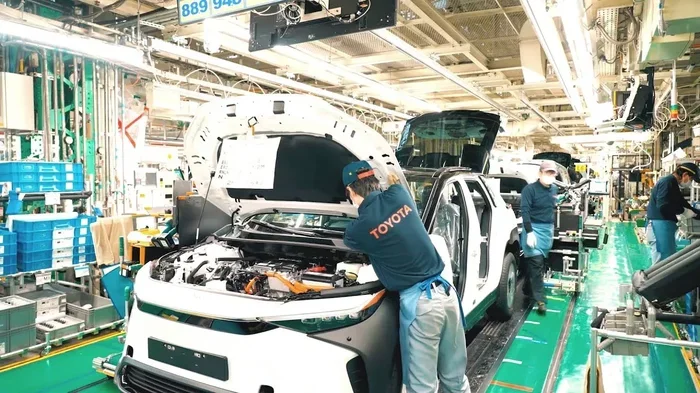
Visual guide about Toyota Japanese car assembly
Image source: global.toyota
Toyota began in Japan, and that origin story still matters today. The company started as a loom works before it moved into automobiles. Over time, it became one of the biggest car companies on the planet. Even now, Toyota’s identity is closely tied to Japan. The brand is known for practical design, careful engineering, and a strong focus on efficiency.
Many people also ask where is a Toyota made, because the answer depends on the model. Some vehicles are assembled in Japan. Others are built in North America, Asia, Europe, and other regions. That does not change the fact that Toyota is a Japanese company. It simply shows how large and flexible the business has become.
A good way to think about it is this: the brand is Japanese, but the production is global. The company’s leadership, core technology, and main engineering culture still come from Japan. At the same time, local factories help serve local buyers more efficiently. This mix of Japanese identity and worldwide manufacturing is a big reason Toyota has stayed so successful.
The Japanese Roots of the Brand
Toyota’s Japanese background shows up in the way it builds cars. The company has long focused on improving small things over time. That mindset has helped it create vehicles that are dependable and practical. It also helps explain why so many drivers trust the brand for daily use.
If you want to understand the bigger picture, it helps to look at how Toyota approaches quality and production. The company pays close attention to details. It also values consistency. That is one reason many people compare Toyota to other reliable brands and ask questions like which car is better Honda or Toyota. Both brands have strong followings, but Toyota’s global scale and long history make it a major reference point in the car world.
What Japanese Design Philosophy Means for Drivers
Japanese car-making often emphasizes usefulness, efficiency, and long-term value. That does not mean every Toyota is the same. The brand makes everything from small cars to large trucks. Still, the general philosophy stays visible across many models. The goal is usually to build something reliable, affordable to own, and easy to live with.
For buyers, this can be a major advantage. A car that is designed with practicality in mind often works well for commuting, family use, and long-term ownership. That is one reason Toyota has such a broad appeal. It is not just a Japanese car brand. It is a Japanese brand that learned how to serve the world.
How Toyota Builds Cars Around the World
Toyota is not limited to one factory or one country. It has a huge manufacturing network. That network helps the company keep up with demand and respond to different markets. If you are wondering where is a Toyota made, the answer may be different depending on the model you choose.
Some popular vehicles are built in multiple places. That allows Toyota to supply many regions without long delays. It also helps keep prices more competitive in different markets. For example, a sedan may come from one plant, while a truck or SUV may come from another. This kind of production strategy is common among large global automakers.
Even with this wide reach, Toyota still keeps strong ties to Japan. Many core designs, engineering decisions, and brand standards begin there. Local factories then adapt and build the vehicles for their regions. So while the assembly location may vary, the brand itself remains Japanese.
Why Production Location Matters
Production location can matter for a few reasons. It may affect shipping costs, availability, and sometimes the trim levels offered in a region. It can also influence how quickly a model reaches buyers. Still, the location alone does not define the brand.
If you are comparing vehicles, it helps to look at the whole picture. Think about reliability, features, maintenance costs, and how the vehicle fits your needs. For example, if you are shopping around and also checking how much is a used Toyota Camry, you are probably weighing value as well as origin. The car’s background matters, but the total cost of ownership often matters more.
Common Buyer Questions About Toyota Manufacturing
Many buyers ask simple but important questions before they purchase. They want to know whether a vehicle is trustworthy, how much it costs, and where it comes from. These are all good questions. The more you understand about the brand, the easier it is to make a smart choice.
Some buyers also look at specific models and compare them with other popular cars. They may ask about how reliable is a Toyota Corolla or how reliable is a Toyota Camry before choosing a sedan. Others prefer larger vehicles and compare Toyota trucks and SUVs with different brands. No matter the model, the same basic idea applies: Toyota is a Japanese brand with a global production system.
Why Toyota Has a Strong Reputation
Toyota is often known for dependability. That reputation did not happen by accident. The company has spent decades refining its production methods and vehicle designs. It also focuses on making cars that are straightforward to service and easy to trust over time.
This is one reason Toyota appears in so many conversations about long-term ownership. People want cars that start every day, handle routine trips well, and do not create constant headaches. Toyota has built a name by aiming for those basics. Of course, no brand is perfect, and every model has strengths and weaknesses. Still, the overall reputation is strong for good reason.
Reliability in Everyday Use
Reliability is more than just a buzzword. For many drivers, it means fewer surprises. It means a car that can handle school runs, work commutes, road trips, and daily errands without drama. That kind of consistency is valuable, especially if you plan to keep a vehicle for a long time.
This is also why people often research models carefully before buying. They may look at how reliable is Toyota Corolla or how reliable is the Toyota Camry when comparing options. Sedans like these are often chosen because they are practical and widely trusted. At the same time, Toyota also makes larger vehicles for buyers with different needs.
Value and Long-Term Ownership
Another reason Toyota stands out is the way it fits into long-term ownership. Many buyers care about more than the purchase price. They also think about maintenance, fuel costs, and how well the vehicle holds up over time. Toyota’s broad appeal comes partly from offering vehicles that make sense for everyday life.
If you are planning to buy used, you might also look at how much is a used 2026 Toyota Camry worth 2 or compare prices across model years. Used values can vary based on condition, mileage, and demand. That is true for any brand. But Toyota’s strong resale appeal often makes its vehicles easier to sell later.
Popular Toyota Models and What They Are Known For
Toyota offers a wide range of vehicles. That is part of its strength. Some buyers want a compact car for city driving. Others need a family minivan, a rugged truck, or a crossover for daily use. Because the lineup is so broad, there is usually a Toyota for many different lifestyles.
Here are some of the most common types of Toyota vehicles people explore:
- Sedans: Practical, efficient, and often chosen for commuting
- SUVs and crossovers: Great for families, road trips, and extra space
- Trucks: Built for towing, hauling, and tougher jobs
- Minivans: Designed for passenger comfort and family use
- Hybrid models: Focused on better fuel efficiency
Different models come from different parts of the Toyota network. If you are curious about a specific vehicle, it helps to look at its purpose and typical use. For example, some buyers research how much is a Toyota Four Runner when they want a capable SUV. Others compare minivans and may look at how much is a new Toyota Sienna before making a decision.
Sedans and Daily Drivers
Sedans remain a big part of the brand’s identity. They are usually easy to park, efficient to run, and comfortable for everyday use. Many people also appreciate how simple they are to maintain. That makes them a common choice for first-time buyers and experienced drivers alike.
If you are comparing sedans, you may also look at performance details. Some buyers check how much horsepower does a Toyota Corolla have when they want a sense of driving feel. Others compare multiple brands and ask which car is better Honda or Toyota. These comparisons are normal because both brands have strong reputations in the sedan category.
Trucks, SUVs, and Family Vehicles
Not everyone wants a sedan. Some buyers need more space, more towing ability, or a higher driving position. Toyota serves those buyers too. Its larger vehicles are often chosen for work, family trips, and outdoor use.
People often research capability before buying a truck or SUV. They may ask how much will a Toyota Tacoma tow or how much weight can a Toyota Tacoma carry. Others look at larger options and compare how much does a Toyota Sequoia tow. These questions matter because the right vehicle should match the job you need it to do.
Japanese Brand, Global Choices for Buyers
So, is Toyota a Japanese car? Yes, it is. But it is also much more than a simple label. Toyota is a Japanese brand that has learned how to serve buyers all over the world. It keeps its identity, engineering culture, and headquarters in Japan, while building vehicles in many places to meet global demand.
That combination is part of what makes Toyota so recognizable. You get a brand with Japanese origins and a truly international presence. For buyers, that means there are many options to choose from. You can find vehicles for city driving, family life, work, and long-distance travel. You can also compare new and used models to fit your budget.
How to Think About Brand Origin When Buying
Brand origin can be helpful context, but it should not be the only thing you look at. A car’s background may tell you something about its design values and engineering culture. Still, the best choice depends on your needs, your budget, and the specific model you are considering.
A smart buying process usually includes a few simple steps:
- Define your needs: Think about passengers, cargo, commuting, and towing.
- Set a budget: Include purchase price, insurance, fuel, and maintenance.
- Compare models: Look at reliability, features, and real-world use.
- Check ownership costs: Consider long-term value, not just the sticker price.
- Test drive when possible: Make sure the vehicle feels right for you.
If you want to explore more about Toyota’s background and manufacturing, you may find it useful to read about where is a Toyota made or where is a Toyota Tundra made. These topics can help you understand how the brand operates across different regions. Likewise, if you are comparing models, researching how reliable is a Toyota Corolla or how reliable is a Toyota Camry can give you a better sense of what to expect from different vehicles.
Final Thoughts on Toyota’s Identity
Toyota is a Japanese car company with a global reach. That is the simple truth. It started in Japan, grew into an international giant, and still carries its Japanese identity proudly. At the same time, it builds vehicles in many countries so it can serve buyers wherever they live.
If you are trying to decide whether Toyota is the right brand for you, focus on the model, not just the logo. Look at what each vehicle offers, how it fits your life, and whether it matches your budget. Whether you want a dependable sedan, a capable SUV, or a practical family vehicle, Toyota gives you a wide range of choices from a brand that is clearly Japanese at its core.
Frequently Asked Questions
Is Toyota a Japanese car brand?
Yes, Toyota is a Japanese car brand. It was founded in Japan and is still headquartered there, even though it builds vehicles in many countries around the world.
Where is Toyota headquartered?
Toyota is headquartered in Japan. That is where the company’s main leadership and core operations are based, even as it runs factories in other regions too.
Are all Toyota vehicles made in Japan?
No, not all Toyota vehicles are made in Japan. Many models are assembled in different countries, but the brand itself remains Japanese in origin and identity.
Why is Toyota known for reliability?
Toyota is known for reliability because it focuses on practical engineering, consistent production, and vehicles that are designed for everyday use. Many buyers appreciate how well its cars hold up over time.
Does Toyota make more than just cars?
Yes, Toyota makes a wide range of vehicles, including sedans, SUVs, trucks, minivans, and hybrid models. That broad lineup helps it serve many different buyers and uses.
Is Toyota a good choice for long-term ownership?
Toyota is often considered a good choice for long-term ownership because many of its vehicles are practical, widely serviced, and built with durability in mind. Still, the best choice depends on the specific model and how you plan to use it.