

Toyota LE is a popular trim level that offers a perfect balance of comfort, reliability, and value. When you see LE on a Toyota, it usually means a well-equipped base or mid-tier model designed for everyday driving. Understanding what does LE stand for Toyota helps you choose the right vehicle without paying for unnecessary upgrades. This guide breaks down the meaning, features, and buying tips in simple terms.
Toyota has a long history of naming its trims in a way that feels simple and clear. If you have ever shopped for a car and saw LE on a badge or listing, you may have asked yourself, what does LE stand for Toyota? The short answer is that LE is a trim level. It tells you what features come with the car and where it sits in the lineup. For many buyers, the LE trim is the sweet spot. It offers a strong mix of comfort, safety, and value without pushing you into higher-priced packages.
This matters because trim names can be confusing. Some brands use letters that do not mean anything obvious. Others use terms that sound fancy but do not change the driving experience much. Toyota keeps things practical. The LE trim usually focuses on everyday needs. You get a comfortable ride, useful technology, and dependable performance. If you want a car for work, school, errands, or family trips, the LE often makes sense. It is also a smart choice if you care about fuel costs and long-term reliability.
In this guide, we will walk through the meaning of LE, what it usually includes, and how it compares with other trims. You will also learn how to spot the right model for your budget and lifestyle. By the end, you will feel confident reading window stickers, comparing listings, and asking the right questions at the dealership.
Key Takeaways
- LE stands for a trim level: Toyota uses LE to denote a specific package of features and equipment.
- Great value option: LE trims focus on essentials, comfort, and reliability without luxury extras.
- Common on popular models: You will often find LE versions on the Camry, Corolla, and Highlander.
- Good fuel efficiency: Many LE models are tuned for better gas mileage and lower running costs.
- Easy to maintain: Standard parts and simple designs make LE models cost-effective to service.
- Ideal for daily driving: The LE trim suits commuters, families, and first-time Toyota buyers.
- Check local specs: Features can vary by model year and region, so always review the window sticker.
📑 Table of Contents
- What Does LE Stand for Toyota and Why It Matters
- Common Toyota Models That Use the LE Trim
- What Features Are Typical in a Toyota LE
- LE Compared With Other Toyota Trims
- How to Shop for a Toyota LE Model
- Common Mistakes When Buying an LE Trim
- Expert Insights on Choosing the Right Toyota Trim
- Final Thoughts on What Does LE Stand for Toyota
What Does LE Stand for Toyota and Why It Matters
When people search for what does LE stand for Toyota, they usually want more than a definition. They want to know whether the LE trim fits their needs. In Toyota’s lineup, LE is a designation that signals a specific set of equipment. It is not a separate car. It is a version of a model with a particular balance of features. That balance often leans toward comfort, practicality, and value.
This matters for several reasons. First, it helps you compare apples to apples. If one listing is an LE and another is an XLE, you know they are not the same package. Second, it helps you avoid overpaying. You may not need premium leather, advanced audio, or extra driver aids if your priority is simple daily use. Third, it helps you set expectations. The LE trim usually gives you a solid base of features without the higher cost of top-tier packages.
Toyota’s naming system has changed over time, but the idea stays the same. Letters and short codes help shoppers quickly identify the trim they want. For many buyers, LE becomes a shorthand for “practical and well-priced.” That reputation is one reason LE models appear so often in used car listings and family garages.
How Toyota Trim Levels Work
Toyota builds each model with a core design, then adds trim levels to meet different buyer needs. A lower trim may focus on essentials. A mid trim may add comfort and technology. A higher trim may bring more style, more powerful options, or luxury touches. The LE trim usually sits near the entry or mid range, depending on the model.
Here is a simple way to think about it:
- Base trim: The simplest version with required equipment and a lower price.
- LE trim: A practical step up with comfort and convenience features.
- Mid to upper trims: More style, more technology, and often a higher price.
This structure makes shopping easier. You can choose based on what you actually use. If you mainly drive to work and want a smooth, reliable ride, the LE trim may be enough. If you want a louder stereo, sportier looks, or extra luxury, you may look higher.
Why Buyers Often Choose the LE Trim
Many buyers like the LE because it feels balanced. It is not bare-bones, and it is not overloaded with features you may never use. That balance can make the LE a strong value. It also tends to fit a wide range of budgets. For families, commuters, and first-time buyers, that flexibility is a big advantage.
Another reason is simplicity. A practical trim often has fewer fancy add-ons that can complicate ownership. That does not mean it lacks useful features. It means the focus stays on daily usability. When you ask what does LE stand for Toyota, think of it as a smart starting point for many buyers.
Common Toyota Models That Use the LE Trim
The LE trim appears on several popular Toyota models. That is part of why the question what does LE stand for Toyota comes up so often. You may see LE on sedans, SUVs, and even some hybrid options. The exact features vary by model, but the general idea stays consistent.
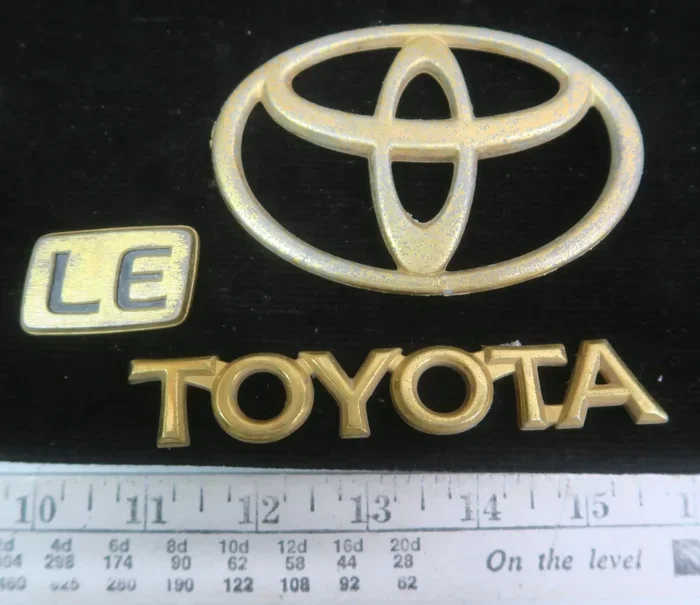
Visual guide about Toyota LE trim badge close-up
Image source: dygtyjqp7pi0m.cloudfront.net
Here are some models where LE is common:
- Toyota Camry LE: A dependable sedan with a comfortable ride and practical tech.
- Toyota Corolla LE: A compact car that is easy to park, fuel-friendly, and affordable.
- Toyota Highlander LE: A family-friendly SUV with room for passengers and cargo.
- Toyota RAV4 LE: A versatile compact SUV that works well for daily driving and light adventures.
Each model uses LE a little differently. A Camry LE may feel more refined than a Corolla LE because the car itself is larger and quieter. A Highlander LE may focus more on seating space and cargo room. Even so, the LE badge usually signals a trim that prioritizes everyday usefulness.
Sedans With LE Trims
Sedans are one of the most common places to find LE. Cars like the Camry and Corolla are built for smooth highway driving, easy city commuting, and low running costs. The LE version often includes the essentials many buyers want, such as a readable dashboard, comfortable seats, and a clear infotainment setup. If you prefer a classic car shape and a straightforward ownership experience, a sedan LE can be a great match.
SUVs With LE Trims
SUV buyers also see LE often. In an SUV, the LE trim may emphasize cargo space, seating flexibility, and a higher driving position. That can be useful if you carry kids, gear, or pets. The LE SUV version may not have the boldest styling or the most advanced off-road features, but it usually delivers a comfortable and capable daily driver. If you want an SUV for school runs, road trips, and grocery runs, the LE trim is often enough.
What Features Are Typical in a Toyota LE
Feature lists change by year and model, so it helps to think in terms of categories instead of memorizing one fixed list. When shoppers ask what does LE stand for Toyota, they often want to know what they get for the price. In general, LE trims aim to cover the basics well and add a few comfort touches.
Typical feature areas may include:
- Comfortable seating: Supportive front seats and usable rear seating.
- Practical technology: A screen, Bluetooth connectivity, and easy-to-use controls.
- Safety basics: A solid set of driver aids and protective systems, depending on the model year.
- Readable interior: Clear gauges, simple menus, and user-friendly buttons.
- Everyday convenience: Features that help with commuting, parking, and family use.
This is where the LE shines. It usually avoids overcomplication. You get what you need for normal driving without paying for extras that may sit unused. That makes the LE appealing to value-minded buyers.
Safety and Driver Assistance
Safety is a major reason people trust Toyota. Many LE models come with helpful safety systems and driver aids. These can include warning alerts, braking support, lane guidance, and visibility tools. The exact set depends on the model and year, but the general goal is the same: help you drive with more confidence.
If safety matters to you, look closely at the specific model year. Newer trims may include more advanced systems than older ones. When comparing two cars, do not assume all LE trims are identical. A 2020 LE and a 2024 LE may feel quite different in terms of technology and assistance features.
Comfort and Convenience
Comfort is another strong point for LE trims. These cars are often designed for people who spend time in the driver’s seat every day. That means the ride is usually tuned to feel smooth, the cabin is generally quiet enough for normal use, and the seats are built for routine comfort. You may also find convenient storage, easy entry, and practical controls.
Convenience matters more than many buyers expect. A car that is easy to live with can make a big difference over time. If you are commuting, shuttling family members, or running a busy schedule, a comfortable LE trim can be a relief.
LE Compared With Other Toyota Trims
One of the best ways to understand what does LE stand for Toyota is to compare it with other common trims. Different letters often signal different priorities. For example, some trims focus on sportiness, some on luxury, and some on off-road ability. The LE usually focuses on value and daily usability.
Here is a simple comparison:
- LE: Practical, comfortable, and value-focused.
- XLE: Often adds more comfort, style, and technology features.
- XSE: Usually leans toward sportier looks and a more spirited feel.
- Limited or upper trims: Typically bring more premium materials and extra features.
This is not a strict rule for every model, but it is a useful guide. If you want the simplest strong option, LE is often the place to start. If you want more polish or more personality, you may look higher.
When LE Is the Best Choice
The LE trim is often the best choice when your priorities are clear. Choose LE if you want:
- A lower purchase price
- Strong everyday usefulness
- Lower insurance or financing pressure
- A car that is easy to understand and own
- Good value without unnecessary extras
This does not mean LE is “basic” in a negative way. It means it is focused. Many buyers discover that the LE trim gives them everything they actually use and nothing they do not.
When You May Want a Higher Trim
There are times when a higher trim makes more sense. You may want to move up if you care about premium materials, a more advanced screen, upgraded audio, or a more styled exterior. You may also prefer a higher trim if you want a more unique look or extra comfort features for long trips.
The key is to match the trim to your real habits. If you rarely use advanced features, paying for them may not be wise. If you enjoy technology or want a more luxurious feel, a higher trim could be worth it.
How to Shop for a Toyota LE Model
Shopping for an LE model is easier when you know what to check. Start by deciding which model you want, then compare LE versions year by year. Small changes can matter. A newer infotainment system, better safety tools, or a more comfortable seat design can change how much you enjoy the car.
Use this simple shopping checklist:
- Pick the model first: Camry, Corolla, Highlander, RAV4, or another Toyota that fits your needs.
- Check the trim features: Compare the LE package to other trims on the same model.
- Look at the model year: Newer years may bring updated tech and safety equipment.
- Review the price: Make sure the LE fits your budget, including taxes, fees, and insurance.
- Test drive it: Comfort and visibility matter just as much as the feature list.
If you are buying used, take extra care. A used LE can be a great deal, but you should still verify the condition, mileage, service history, and any missing features. A clean car with a simple trim can be a smart buy if it has been well maintained.
Questions to Ask Before You Buy
Before you sign anything, ask a few practical questions. These can save you time and prevent surprises:
- Which features are included in this LE trim?
- Are there any optional packages or missing equipment?
- Has the car had regular maintenance?
- Are there any visible wear items or repair needs?
- How does the ride feel for your daily routes?
These questions keep the focus on real ownership, not just the badge on the hood. That is the best way to make a confident choice.
Common Mistakes When Buying an LE Trim
Even a simple trim can cause confusion if you rush. Here are a few common mistakes to avoid:
- Assuming all LE trims are the same: Features can vary by model and year.
- Focusing only on price: A cheap car may cost more if it needs repairs or lacks important features.
- Ignoring the test drive: A car can look good on paper but feel wrong in person.
- Overlooking ownership costs: Fuel, insurance, and maintenance all matter.
- Skipping the comparison: A nearby trim may offer better value for your needs.
Taking a little extra time can help you avoid regret. The LE trim is already a practical choice, but it becomes even better when you shop carefully.
Expert Insights on Choosing the Right Toyota Trim
If you want a simple rule, start with your daily life. Think about how many people ride with you, how far you drive, and what features you truly use. If your answer is “just me, a few errands, and a smooth commute,” the LE trim is often a strong match. If your answer includes more passengers, more cargo, or a desire for premium comfort, you may want to compare higher trims.
Another helpful insight is to think long term. A car is not just a purchase. It is something you will live with for years. The best trim is the one that fits your routine without making you pay for features you never notice. That is why so many buyers keep coming back to the LE. It is straightforward, useful, and easy to own.
Final Thoughts on What Does LE Stand for Toyota
So, what does LE stand for Toyota? It stands for a trim level that focuses on practical value, everyday comfort, and dependable usability. For many shoppers, that makes LE one of the most attractive options in the lineup. It gives you a clear starting point, a reasonable price, and a car that is built for real life.
If you are comparing models, look at the full picture. Check the features, test the ride, and think about your future needs. The LE trim may be the right fit if you want a balanced car that does the job well without extra complexity. And if you ever want to explore related ownership topics, you can learn more about Toyota models, trim differences, and practical buying tips to make a confident decision.
Frequently Asked Questions
What does LE mean on a Toyota?
LE is a trim level that shows a specific package of features, usually focused on comfort, practicality, and value. It helps buyers compare equipment without guessing.
Is the Toyota LE trim a good choice for beginners?
Yes, many beginners like the LE because it is simple, affordable, and built for everyday use. It often gives you the essentials without extra complexity.
Does every Toyota model have an LE version?
No, not every model uses LE. The trim names vary by vehicle, but LE appears on many popular sedans and SUVs.
How is LE different from XLE or XSE?
LE usually focuses on value and daily usability, while XLE often adds more comfort or technology and XSE usually leans sportier. The exact differences depend on the model.
Should I buy an LE or a higher trim?
Buy an LE if you want strong value and practical features. Choose a higher trim if you want more style, more technology, or premium materials.
Do LE trims include safety features?
Many LE models include helpful safety tools and driver aids, but the exact set depends on the model year. Always check the specific vehicle’s equipment list.