
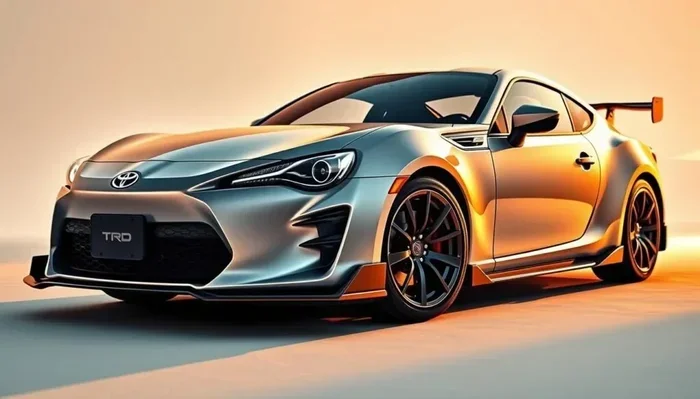
TRD stands for Toyota Racing Development, the official performance division of Toyota. It creates tuned engines, suspensions, and styling packages that make everyday Toyota vehicles more exciting to drive. If you want sporty handling without losing daily practicality, TRD models deliver a proven balance of power and reliability.
Key Takeaways
- TRD stands for Toyota Racing Development: It is Toyota’s in-house performance and motorsports division.
- Performance-focused upgrades: TRD adds engine tuning, suspension improvements, brakes, and unique styling.
- Two main lines: TRD Sport and TRD Pro serve different driving styles and terrain needs.
- Available on many models: You can find TRD on trucks, SUVs, and cars like Tacoma, 4Runner, Camry, and Supra.
- Daily-driver friendly: TRD vehicles keep comfort and reliability while adding excitement.
- Aftermarket support: Genuine TRD parts let you tune your own Toyota over time.
- Smart buying choice: Compare TRD trims carefully to match your budget and driving goals.
📑 Table of Contents
- What Does TRD Mean on Toyota?
- Why TRD Exists and What It Does
- TRD Sport vs TRD Pro: What Is the Difference?
- TRD Sport vs TRD Pro Comparison
- Which Toyota Models Come with TRD?
- What You Actually Get with a TRD Package
- How to Choose the Right TRD Model for You
- Ownership Tips for TRD Buyers
- Common TRD Misconceptions
- Expert Insights on Buying TRD
- Final Thoughts on What Does TRD Mean on Toyota
What Does TRD Mean on Toyota?
If you have ever shopped for a Toyota and noticed the letters TRD on a badge, you probably wondered what they really mean. The short answer is simple. TRD stands for Toyota Racing Development, the official performance arm of the company. This team takes regular Toyota vehicles and adds sportier parts, sharper tuning, and bolder looks. The goal is to make driving more engaging without giving up everyday usefulness.
Many buyers see TRD and assume it means a race car. That is not quite right. TRD builds street-legal vehicles first. They are made for daily commutes, road trips, and weekend fun. Some models also handle light off-road trails very well. The important thing is that TRD brings motorsports know-how to cars you can actually live with.
In this guide, you will learn exactly what does TRD mean on Toyota, how the performance packages work, and which models deserve a closer look. You will also find practical tips for buying, owning, and even upgrading a TRD vehicle. By the end, you will know whether a TRD trim fits your life and budget.
Why TRD Exists and What It Does
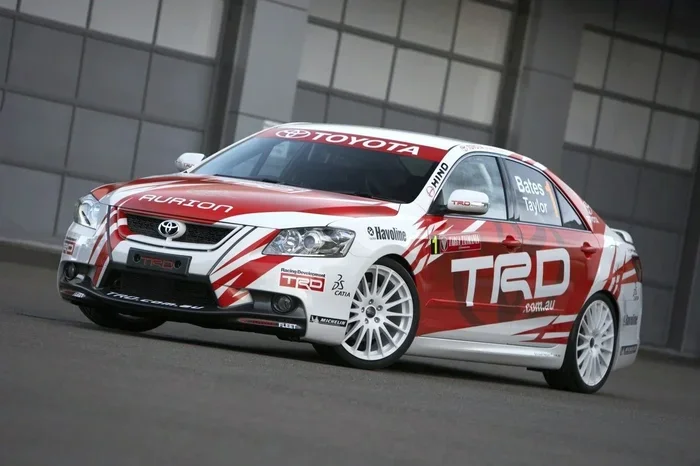
Visual guide about Toyota TRD performance car
Image source: news-cdn.softpedia.com
Toyota created TRD to bring racing experience into its road cars. Engineers test parts on tracks and trails. They learn what helps a vehicle accelerate faster, stop sooner, and handle with more confidence. Then they adapt those lessons for production models. This process gives TRD vehicles a special character.
TRD focuses on a few key areas. First, there is engine performance. That can mean remapped tuning, better airflow, or stronger components. Second, there is chassis and suspension work. TRD often adds stiffer dampers, revised tuning, and better grip. Third, there are brakes and wheels. Stronger stopping power and lighter wheels help the car feel more agile. Finally, there is styling. TRD badging, unique grilles, and special colors make the car stand out.
A helpful way to think about TRD is this. It is not a completely different car. It is a regular Toyota with a performance-focused makeover. That makes it a great middle ground. You get more excitement than a base model, but you still keep the comfort and reliability people expect from the brand.
TRD Sport vs TRD Pro: What Is the Difference?
Not all TRD packages are the same. The two most common lines are TRD Sport and TRD Pro. Knowing the difference helps you pick the right one.
TRD Sport usually targets pavement performance. You will often see this package on cars and crossovers. It tends to include a sport-tuned suspension, a firmer steering feel, bigger brakes, and a more aggressive look. The result is a car that feels quicker through corners and feels more connected to the road.
TRD Pro usually targets off-road capability. This line is common on trucks and rugged SUVs. It often adds taller suspension travel, protective skid plates, all-terrain tires, and extra cooling. Some models also include special lighting or roof-mounted accessories. The goal is confident driving on dirt, sand, gravel, and rough trails.
Here is a simple comparison that shows how the two lines usually differ.
TRD Sport vs TRD Pro Comparison
| Feature | TRD Sport | TRD Pro |
|---|---|---|
| Focus | On-road sportiness | Off-road capability |
| Suspension | Sport-tuned, firmer | Taller travel, rugged |
| Tires | Sport or all-season | All-terrain or off-road |
| Protection | Standard | Skid plates, guards |
| Best for | Cornering, daily driving | Trails, rough terrain |
If you mostly drive on streets and want a more lively feel, TRD Sport is often the better match. If you plan to take your truck or SUV onto dirt roads or campgrounds, TRD Pro is usually the smarter choice. Some buyers even choose a TRD Sport for street fun and add their own off-road parts later.
Which Toyota Models Come with TRD?
TRD appears on a wide range of vehicles. The exact list changes over time, but several names show up often. Knowing which models offer TRD helps you narrow your search.
Trucks and SUVs are popular homes for TRD packages. The Tacoma and 4Runner are classic examples, especially in TRD Pro form. These vehicles are built for tough use, so a TRD upgrade makes sense for buyers who want more adventure readiness. The Tundra and Sequoia can also appear with TRD-inspired packages in certain markets.
Sedans and sporty cars often use TRD Sport packages. You can find TRD tuning on models like the Camry and the Supra. In these cars, the focus is on sharper handling, stronger braking, and a more athletic exhaust note. The goal is to make the car feel more responsive without becoming hard to live with.
Specialty models sometimes get TRD attention too. Limited-run editions and collaboration packages can include unique colors, special wheels, and extra power tweaks. These models often attract collectors and enthusiasts because they blend factory quality with a rare, performance-minded personality.
If you are comparing several vehicles, it helps to look at the whole picture. A TRD badge is a strong hint, but you still need to check the actual equipment list. Suspension tuning, tires, brakes, and engine output matter more than a logo alone.
What You Actually Get with a TRD Package
Buyers often ask what changes on a TRD vehicle compared with a standard trim. The answer depends on the model, but a few themes show up again and again.
Engine and drivetrain tuning is one of the biggest differences. Some TRD vehicles use a recalibrated throttle response or a tuned exhaust. Others include a higher output version of the same engine. In hybrid or turbo models, the tuning may focus on response and boost delivery. The point is to make the car feel more eager when you press the pedal.
Suspension and handling changes are just as important. TRD often uses tuned springs, dampers, and bushings. These parts reduce body roll and improve cornering confidence. On sport models, the steering may feel more direct. On off-road models, the suspension may be built to handle bumps and rocks more smoothly.
Brakes and wheels also get attention. Larger rotors or performance pads can improve stopping feel. Lighter alloy wheels can help the car change direction more easily. On off-road versions, you may see more durable wheels and tires designed for loose surfaces.
Styling and details make the TRD identity easy to spot. You might see a unique front fascia, side skirts, rear spoiler, special badges, or exclusive paint options. Interior touches can include TRD embroidery, sport seats, or a different color scheme. These details do not directly change performance, but they add personality.
A practical tip: always confirm the equipment list for the exact year and model you want. TRD packages can vary by region and by production run. What is standard on one vehicle may be optional on another.
How to Choose the Right TRD Model for You
Choosing a TRD vehicle works best when you match the package to your real driving habits. Start by asking a few simple questions. Do you want more fun on the street, or do you need more capability off the street? Will you carry passengers or cargo often? Do you care more about comfort or more about sharp handling?
If your priority is everyday excitement, look at TRD Sport models. They usually feel more agile and more engaging on paved roads. They are a great choice if you enjoy winding roads, want a more confident commute, or simply like a sportier look.
If your priority is adventure and rough terrain, look at TRD Pro models. They are better suited for unpaved roads, camping trips, and light off-road use. The added protection and taller suspension can make a big difference when the pavement ends.
Budget matters too. TRD trims can cost more than base models. That is fine if the upgrades match your needs. But it is smart to compare the full value. Check whether the TRD package includes the features you actually want. If two trims are similar except for a few cosmetic items, the less expensive option may make more sense.
Another good idea is to test drive more than one version. A TRD Sport sedan feels different from a TRD Pro truck. Your own senses matter a lot here. Pay attention to steering feel, seat comfort, noise levels, and how the vehicle behaves at low speed and high speed.
Ownership Tips for TRD Buyers
Owning a TRD vehicle is mostly like owning any other Toyota, but a few habits can help you get the most from it.
Drive with the package in mind. A sport-tuned car may feel firmer over bumps. An off-road package may change ground clearance and steering response. Knowing what your vehicle is designed for helps you enjoy it more.
Keep up with maintenance. Performance parts still need regular care. Follow the service schedule for oil, brakes, tires, and fluids. If you drive hard on weekends or use your vehicle on rough roads, inspect it more often.
Watch tire choice carefully. Tires have a huge effect on how a TRD vehicle feels. Sport models usually benefit from grippy tires that match the suspension tuning. Off-road models need tires that suit the terrain you actually drive on. The right rubber can make the car feel faster, safer, and more stable.
Think before modifying. One of the best things about TRD is that it already gives you a strong starting point. If you add parts later, choose them with your goals in mind. Avoid changing too much at once. Small, thoughtful upgrades often work better than a pile of random parts.
Use genuine TRD knowledge. If you want more details about Toyota performance terminology, you may find it useful to read about what does Toyota TRD mean. That kind of background can help you understand badges, packages, and parts more confidently.
Common TRD Misconceptions
A few myths show up often when people talk about TRD. Clearing them up makes buying easier.
Myth: TRD means a race-only car. In reality, TRD builds street-legal vehicles for real-world use. They are tuned for performance, but they are still meant to be driven daily.
Myth: Every TRD model is the same. It is not. TRD Sport and TRD Pro serve different purposes. Even within one model line, equipment can vary by year and market.
Myth: TRD is only for off-roaders. That is not true either. Many TRD packages focus on on-road handling, braking, and driver engagement.
Myth: A TRD badge automatically makes a car faster in every way. The badge signals a performance-oriented package, but actual results depend on the model, the parts, and how the vehicle is driven.
Understanding these points helps you shop with a clear head. You will judge the vehicle by what it actually does, not just by the name on the grille.
Expert Insights on Buying TRD
If you want a simple rule, buy the TRD trim that matches your most common driving scenario. Do not pay for off-road gear if you will never leave the pavement. Do not choose a sport package if you need the softest possible ride for long commutes.
It also helps to think long term. TRD vehicles often hold their appeal well because they blend usefulness with personality. That can matter if you plan to keep the car for many years or sell it later. A well-chosen TRD model can feel fun today and still make sense tomorrow.
One more thing to remember is that Toyota has a large family of models and trim levels. If you are curious about other badges and naming details, you might also look into resources like what does GR mean Toyota or what does Toyota stand for. Learning the broader naming system makes it easier to compare trims and understand what each package represents.
Final Thoughts on What Does TRD Mean on Toyota
So, what does TRD mean on Toyota? It means Toyota Racing Development, the division that adds performance, handling, and style upgrades to select vehicles. It is a way to get more excitement from a Toyota without losing the practicality that makes the brand so popular. Whether you prefer street-focused TRD Sport models or rugged TRD Pro versions, the package is built to give your car a stronger personality.
The best approach is simple. Decide how you actually drive. Pick the TRD line that fits those habits. Then verify the specific equipment on the model you want. If you do that, you will end up with a vehicle that feels right for you, not just one that looks cool on the lot.
TRD is a smart bridge between everyday comfort and genuine driving fun. For many buyers, that is exactly the sweet spot they have been looking for.
Frequently Asked Questions
What does TRD stand for on a Toyota?
TRD stands for Toyota Racing Development, which is the official performance division of Toyota. It creates tuned packages that improve engine response, suspension behavior, brakes, and styling.
Is TRD the same as a race car?
No, TRD vehicles are built for street use first. They borrow ideas from motorsports, but they remain daily-drivable and legal for normal roads.
What is the difference between TRD Sport and TRD Pro?
TRD Sport usually focuses on on-road handling and a sportier feel. TRD Pro usually focuses on off-road capability with stronger suspension, protection, and tires.
Which Toyota models offer TRD packages?
TRD appears on many models, including trucks, SUVs, and sporty cars. Common examples include Tacoma, 4Runner, Tundra, Camry, and Supra, though availability varies by year and market.
Does a TRD badge always mean more horsepower?
Not always. Some TRD packages add power, but others focus more on suspension tuning, brakes, weight, and styling. The exact changes depend on the model.
Should I buy a TRD model if I mostly drive in the city?
Yes, if you want sharper handling and a more engaging feel on pavement. A TRD Sport package is often a better fit for city and highway driving than a heavy off-road package.