TRD stands for Toyota Racing Development, Toyota’s official performance and motorsport division. When you see TRD badges on a Toyota vehicle, it means the car or truck has been tuned for better handling, stronger acceleration, or enhanced off-road capability. Understanding what does TRD stand for on Toyota helps buyers choose the right trim for their driving needs. Whether you want street performance or trail-ready power, TRD delivers proven upgrades that make everyday Toyotas feel more exciting.
Key Takeaways
- TRD stands for Toyota Racing Development: This is Toyota’s official performance tuning and motorsport division.
- TRD badges signal upgraded performance: Vehicles with TRD packages often feature sportier suspensions, tuned engines, and unique styling.
- Multiple TRD tiers exist: You will see TRD, TRD Sport, TRD Off-Road, and TRD Pro, each built for different driving goals.
- TRD is not a separate brand: It is a performance package applied to regular Toyota models like Tacoma, 4Runner, and Camry.
- TRD parts improve handling and power: Common upgrades include stiffer sway bars, tuned dampers, and performance brakes.
- TRD Pro is the top tier: This level adds serious off-road hardware like advanced shocks and all-terrain tuning.
- Choosing TRD depends on your driving: Pick TRD Sport for street performance and TRD Off-Road or TRD Pro for trails and rugged terrain.
📑 Table of Contents
- What Does TRD Stand For On Toyota
- The History Behind Toyota Racing Development
- What TRD Actually Means For Your Vehicle
- Understanding The Different TRD Levels
- Which Toyota Models Use TRD
- How TRD Improves Performance And Capability
- TRD Vs Regular Toyota Trims
- How To Choose The Right TRD Package
- Common TRD Myths And Misunderstandings
- Expert Tips For Buying A TRD Toyota
- Final Thoughts On What Does TRD Stand For On Toyota
What Does TRD Stand For On Toyota
If you have ever shopped for a Toyota truck or SUV, you have probably noticed the TRD badge on certain trims. It looks cool, but many buyers still ask the same question: what does TRD stand for on Toyota vehicles? The short answer is simple. TRD stands for Toyota Racing Development, the company’s official performance and motorsport division. This team takes standard Toyota models and tunes them for better speed, sharper handling, and tougher capability.
The TRD name carries real weight because it comes from Toyota’s racing and engineering experts. These engineers test vehicles on tracks, dirt courses, and daily roads. Then they adjust suspension parts, engine tuning, brakes, and tires to match a more exciting driving experience. When you buy a TRD model, you are not buying a completely different car. You are getting a Toyota that has been carefully upgraded for performance.
The History Behind Toyota Racing Development
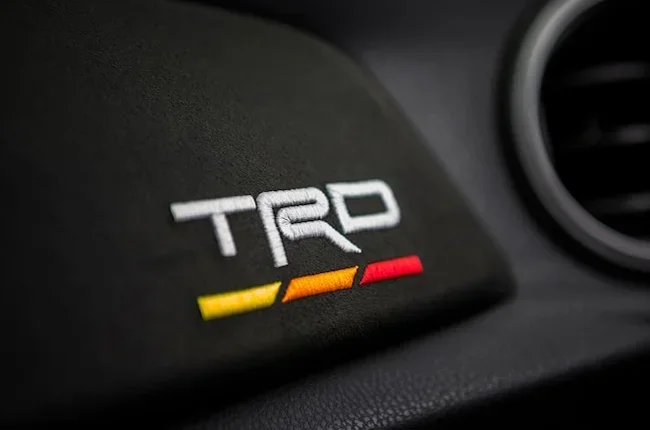
Visual guide about Toyota TRD performance badge closeup
Image source: d1hv7ee95zft1i.cloudfront.net
Toyota Racing Development started with a simple goal: make Toyota vehicles faster and more capable through real-world testing. Over time, the division grew from pure racing support into a full performance brand. Today, TRD helps Toyota compete in motorsports while also creating street-legal performance packages for everyday buyers.
The racing background matters because it shapes how TRD builds its packages. Engineers do not just add cosmetic badges. They use lessons learned from competition to improve steering response, brake feel, and chassis balance. That means a TRD vehicle often feels more connected to the road or trail than a standard trim.
From Race Tracks To Showrooms
One of the best things about TRD is how it brings track and off-road ideas to regular customers. A sedan might get better suspension damping and a sportier exhaust note. A truck might receive stronger damping for rough terrain and a more rugged appearance. In both cases, the goal is the same: make the vehicle more engaging without losing Toyota reliability.
Why TRD Matters To Buyers
Many shoppers see TRD as a smart middle ground. It offers more excitement than a base model, but it usually costs less than a fully custom build or a luxury performance car. That makes TRD appealing to people who want a practical Toyota with a stronger personality.
What TRD Actually Means For Your Vehicle
When people ask what does TRD stand for on Toyota cars and trucks, they often want to know what changes on the ground. The truth is that TRD packages vary by model. Some changes are subtle, while others are very noticeable. Still, the overall purpose stays the same: improve performance in a way that fits the vehicle’s purpose.
On a sedan or coupe, TRD usually focuses on sporty driving. That can mean a firmer suspension, better steering feedback, and styling cues that signal a more aggressive ride. On a truck or SUV, TRD often focuses on capability. That may include better damping for rough terrain, stronger approach angles, or tires that handle loose surfaces more confidently.
Common TRD Upgrades
Although every model is different, TRD packages often include upgrades such as:
- Tuned suspension components for sharper handling or better ride control
- Performance-oriented brakes for stronger stopping power
- Sport or all-terrain tires suited to the vehicle’s purpose
- Unique exterior styling like badging, wheels, or trim accents
- Engine or transmission tuning in some models for stronger response
These upgrades help explain why TRD vehicles often feel more animated than base trims. The changes are usually designed to work together, not just sit on the car as separate accessories.
TRD Badge Meaning
The TRD badge is more than a logo. It tells you that the vehicle belongs to a performance-oriented package. That badge can appear on the grille, wheel centers, interior trim, or rear of the vehicle. If you see it, you know the model has been chosen for a more active driving role.
Understanding The Different TRD Levels
One reason buyers get confused is that TRD is not always a single package. Toyota uses different TRD levels to match different driving styles. Once you understand these levels, it becomes much easier to answer what does TRD stand for on Toyota in a practical way.
The main levels you will see include TRD, TRD Sport, TRD Off-Road, and TRD Pro. Each one targets a different use case. Some are built for pavement and spirited driving. Others are built for dirt, rocks, mud, and steep trails.
TRD Sport For Street Performance
TRD Sport is usually the street-focused version. It often brings a firmer ride, sportier steering, and exterior touches that make the vehicle look more aggressive. This level works well for drivers who want a more engaging commute or weekend canyon drive.
TRD Off-Road For Capability
TRD Off-Road leans toward rugged use. It often adds hardware that helps the vehicle handle uneven ground, loose surfaces, and steeper trails. If you plan to leave the pavement often, this level usually makes more sense than a street-focused package.
TRD Pro For Serious Adventure
TRD Pro is typically the most advanced off-road level. It often includes upgraded shocks, stronger protection, and other hardware designed for demanding terrain. This tier is for buyers who want maximum trail confidence and a more extreme appearance.
Which Toyota Models Use TRD
TRD appears on many popular Toyota models, but it is most closely associated with trucks and SUVs. That makes sense because those vehicles have the most room for off-road and towing-related upgrades. Still, TRD also shows up on some cars and sedans when Toyota wants a sportier option.
You will often see TRD on models like the Tacoma, 4Runner, Tundra, and Hilux in certain markets. These vehicles benefit from performance tuning because they are used for both daily driving and more demanding tasks. Some sedan or coupe models may also use TRD packages to add a more dynamic feel.
Trucks And SUVs With TRD
Trucks and SUVs are the natural home for TRD because they can use both street and off-road improvements. A truck might need better suspension control when loaded, while an SUV might need more confident handling on rough roads. TRD helps bridge that gap by tuning the vehicle for a more capable feel.
Cars And Sedans With TRD
Even smaller vehicles can benefit from TRD tuning. A sporty sedan may get a more responsive suspension setup or a more polished chassis balance. That gives drivers a more enjoyable ride without changing the car’s practical nature.
How TRD Improves Performance And Capability
The real value of TRD comes from how it changes the driving experience. A TRD package can make a vehicle feel more confident in corners, more stable on rough surfaces, and more responsive when you ask for power. These improvements do not always show up on a spec sheet in a dramatic way, but they often make a noticeable difference in daily use.
For street drivers, the biggest gains may be sharper handling and better control. For off-road drivers, the biggest gains may be better wheel control, improved ride compliance, and hardware that helps the vehicle stay composed over bumps. In both cases, TRD aims to make the vehicle feel more willing and able.
Better Handling And Control
One major benefit of TRD is improved control. When suspension tuning is adjusted correctly, the vehicle can feel more stable during quick lane changes, tighter turns, or sudden maneuvers. That can make the car feel more predictable and easier to trust.
Stronger Off-Road Confidence
For trucks and SUVs, TRD can increase confidence on unpaved surfaces. Upgraded shocks, better damping, and more suitable tires can help the vehicle stay steady when the ground gets uneven. That does not mean every TRD model is a rock crawler, but it usually means the vehicle is more prepared for rough conditions.
TRD Vs Regular Toyota Trims
It helps to compare TRD models with regular trims so you can see the difference clearly. A standard Toyota trim usually focuses on comfort, practicality, and value. A TRD trim adds a performance or capability layer on top of that base. The right choice depends on what you want from the vehicle.
The comparison below shows how the two approaches usually differ. Keep in mind that exact features vary by model year and market.
| Feature Area | Regular Toyota Trim | TRD Trim |
|---|---|---|
| Focus | Comfort, practicality, everyday use | Performance, handling, or off-road capability |
| Suspension | Tuned for smooth daily driving | Tuned for sharper response or tougher terrain |
| Styling | Clean and standard | Sporty or rugged accents with TRD badging |
| Tires | Standard highway or all-season tires | Sport, all-terrain, or more capable tires depending on trim |
| Best For | Buyers who want reliability and value | Buyers who want more excitement or extra capability |
When A Regular Trim Makes Sense
A regular trim is a great choice if you mainly drive on pavement and want a smooth, comfortable ride. It may also be the better option if you want to keep costs lower and still enjoy Toyota’s dependable reputation.
When A TRD Trim Makes Sense
A TRD trim makes more sense if you want a more exciting drive, plan to use your vehicle on dirt or rough roads, or simply like the appearance and feel of a performance package. It is a good way to get more character from a Toyota without moving to a completely different vehicle class.
How To Choose The Right TRD Package
If you are trying to decide which TRD level fits your lifestyle, start by thinking about where you actually drive. Many buyers overestimate how much off-road use they need. Others underestimate how much they would enjoy a sportier street setup. The best package is the one that matches your real habits.
A simple way to choose is to ask yourself a few questions. Do you want better cornering on paved roads? Do you plan to visit trails often? Do you want a more aggressive look, or do you care more about functional upgrades? Your answers will point you toward the right TRD level.
Match The Package To Your Driving
If your driving is mostly city and highway, a street-focused TRD package may be enough. If you regularly encounter gravel roads, steep driveways, or light trails, an off-road-oriented package may be smarter. If you want the most extreme hardware for serious adventure, the top TRD tier may be worth considering.
Don’t Overbuy Or Underbuy
A common mistake is buying more capability than you need, or not buying enough. Extra hardware can be useful, but it may also cost more and change the ride quality. On the other hand, choosing a base model when you really want more performance can leave you disappointed. Think about your next few years of use, not just your first test drive.
Common TRD Myths And Misunderstandings
Because TRD sounds like a racing brand, some people assume every TRD vehicle is built for extreme performance. That is not always true. Some TRD packages are fairly mild and mainly add styling with a few suspension tweaks. Others are much more serious. The badge tells you the vehicle is performance-minded, but you still need to check the specific features.
Another common misunderstanding is that TRD means a vehicle is automatically better at everything. In reality, a TRD setup often trades some comfort for sharper response or tougher hardware. That trade-off can be worth it, but it depends on your priorities.
TRD Is Not One-Size-Fits-All
The same TRD name can cover different goals. A sport suspension package for a sedan is not the same as an off-road upgrade for a truck. That is why it helps to read the details instead of assuming every TRD model behaves the same way.
TRD Does Not Replace Smart Driving
Even a well-tuned TRD vehicle still needs thoughtful driving. Better hardware can improve confidence, but it does not remove the need for good judgment on wet roads, narrow trails, or crowded streets. The best results come from matching the vehicle to the task and driving within its limits.
Expert Tips For Buying A TRD Toyota
If you are shopping for a TRD model, it helps to look beyond the badge and compare the actual equipment. Two vehicles with TRD branding may not have identical features, especially across different model years. Always check the trim details, tire type, suspension setup, and any special hardware included in the package.
It is also smart to think about long-term ownership. A more sporty setup may feel great at first, but you should still consider daily comfort, maintenance, and how you plan to use the vehicle over time. TRD models can be rewarding, but they are still Toyotas, so reliability and practicality should stay part of the decision.
Test Drive Both Versions
If possible, compare a standard trim and a TRD trim back to back. Pay attention to steering feel, body motion, brake response, and overall confidence. Small differences can matter a lot once you spend time behind the wheel.
Check The Tires And Wheels
Tires often make a huge difference in how a TRD vehicle feels. A sportier tire can improve grip on pavement, while an all-terrain tire can improve loose-surface performance. Make sure the tire choice matches the kind of driving you actually do.
Final Thoughts On What Does TRD Stand For On Toyota
So, what does TRD stand for on Toyota vehicles? It stands for Toyota Racing Development, the performance division that tunes Toyota models for more excitement and greater capability. The TRD badge signals that a vehicle has been upgraded with a specific driving goal in mind, whether that goal is sporty street performance or tougher off-road use.
The best part about TRD is that it gives buyers a clear way to choose more character without leaving the Toyota family. If you understand the different TRD levels and match them to your real driving needs, you can pick a model that feels more fun, more confident, and more suited to your lifestyle. That is why TRD remains such a popular and trusted name on Toyota trucks, SUVs, and performance models.
Frequently Asked Questions
What does TRD stand for on Toyota?
TRD stands for Toyota Racing Development, which is Toyota’s official performance and motorsport division. It creates tuned packages that improve handling, power, or off-road capability on select Toyota models.
Is TRD the same as a Toyota performance package?
Yes, in most cases TRD functions as a performance package or trim level for Toyota vehicles. It usually adds suspension tuning, special styling, and sometimes other hardware to make the vehicle more capable or sporty.
What is the difference between TRD Sport and TRD Off-Road?
TRD Sport is usually focused on street performance and a sharper ride, while TRD Off-Road is built for tougher terrain and more capable driving away from pavement. The best choice depends on whether you care more about pavement handling or trail use.
Does TRD make a Toyota faster?
Sometimes, but not always. TRD can improve responsiveness, handling, and confidence, yet the exact speed gain depends on the model and package. Some TRD versions focus more on control and styling than outright speed.
Which Toyota vehicles come with TRD?
TRD is most common on trucks and SUVs, but it can also appear on some cars and other models depending on the market and model year. Popular examples include Tacoma, 4Runner, and Tundra in various TRD levels.
Is TRD Pro better than regular TRD?
TRD Pro is usually the most advanced off-road level, so it often includes more serious hardware than a standard TRD package. However, whether it is better for you depends on how much trail capability you actually need.