
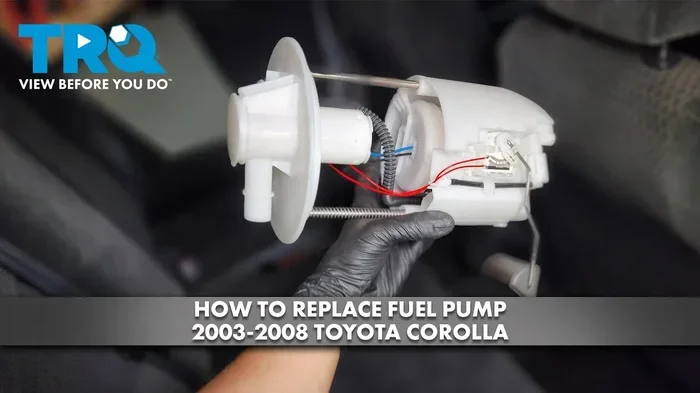
The Toyota Corolla runs perfectly on regular unleaded gasoline with an octane rating of 87. Using higher octane fuel offers no real performance benefit unless your owner’s manual specifically recommends it. Choosing the right fuel helps you save money while keeping your engine healthy and efficient.
Key Takeaways
- Use Regular Unleaded: Toyota Corolla models are designed to run on 87-octane regular unleaded gasoline.
- Premium Fuel Not Required: Higher octane fuel does not improve performance or fuel economy in standard Corolla engines.
- Check the Owner’s Manual: Always verify the recommended fuel type for your specific model year and trim.
- Avoid Ethanol-Heavy Blends: Stick to fuels with no more than 10% ethanol to protect your fuel system.
- Watch Fuel Quality: Choose reputable gas stations to ensure clean, consistent fuel that protects your engine.
- Proper Fuel Saves Money: Using the correct gasoline helps maintain fuel efficiency and reduces long-term maintenance costs.
- Keep the Tank Above Empty: Running on low fuel can strain the fuel pump and reduce overall reliability.
📑 Table of Contents
- Understanding What Gas Does a Toyota Corolla Take
- The Recommended Fuel Type for Your Corolla
- Does Premium Gas Improve Toyota Corolla Performance?
- How Fuel Choice Affects Fuel Economy and Costs
- What Happens If You Use the Wrong Fuel?
- Expert Tips for Choosing the Best Gas for Your Corolla
- Common Fuel Myths Debunked
- Frequently Asked Questions About Corolla Fuel
- Final Thoughts on What Gas Does a Toyota Corolla Take
Understanding What Gas Does a Toyota Corolla Take
Choosing the right fuel matters more than many drivers realize. Your car’s engine is built with specific expectations about fuel quality and octane levels. When you match those expectations, your vehicle runs smoothly and lasts longer. When you ignore them, you risk poor performance and unnecessary expenses.
The Toyota Corolla has earned a strong reputation for reliability and efficiency. Part of that success comes from using the correct fuel. Many new owners ask what gas does a Toyota Corolla take because they want to protect their investment. The answer is straightforward, but there are a few helpful details worth knowing.
This guide breaks down everything you need to know about fuel choices for your Corolla. We will cover octane ratings, fuel types, cost considerations, and practical tips. You will leave with clear answers and confidence at the pump.
The Recommended Fuel Type for Your Corolla
Toyota designs the Corolla to run on regular unleaded gasoline. This is the standard fuel found at nearly every gas station across the country. The octane rating you should look for is 87 AKI, which stands for Anti-Knock Index. This rating measures how well the fuel resists premature ignition inside the engine.
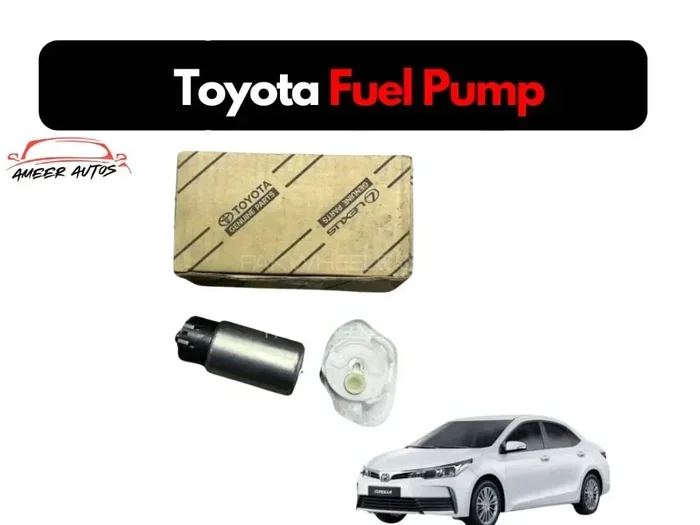
Visual guide about Toyota Corolla gas pump
Image source: cache4.pakwheels.com
Most Corolla models use a naturally aspirated four-cylinder engine. These engines do not require high-octane fuel to operate safely. The compression ratio is set low enough that regular gasoline burns cleanly and efficiently. You get the performance Toyota engineered without paying extra for premium fuel.
Some drivers wonder if using premium gasoline will make their Corolla faster or more efficient. The truth is that premium fuel only benefits engines designed for higher compression or turbocharging. Since the Corolla’s engine does not fall into that category, premium fuel offers no meaningful advantage. You simply spend more money per gallon without gaining extra horsepower or better mileage.
Understanding Octane Ratings
Octane ratings can feel confusing at first. They do not measure fuel quality or energy content. Instead, they measure resistance to knocking or pinging during combustion. Knocking happens when fuel burns too early in the cylinder, which can stress engine components over time.
Here is a quick breakdown of common octane levels you will see at the pump:
- Regular Unleaded (87 AKI): The standard choice for most everyday cars, including the Toyota Corolla.
- Mid-Grade (89 AKI): Sometimes recommended for certain SUVs or performance-oriented engines.
- Premium (91-93 AKI): Required for high-performance or turbocharged engines that need higher compression resistance.
Your Corolla’s engine control unit is calibrated for regular fuel. It adjusts timing and combustion to work optimally with 87-octane gasoline. Putting premium fuel in the tank does not give the computer new parameters to exploit. You are essentially paying for a feature your car does not need.
Ethanol Content and Fuel Blends
Modern gasoline often contains ethanol, which is a renewable fuel made from plant materials. The most common blend you will encounter is E10, which contains up to 10% ethanol. Most Toyota Corolla models are fully compatible with E10 fuel. It burns cleanly and helps reduce emissions without harming standard fuel system components.
You may also see E15 or E85 at certain stations. E15 contains 15% ethanol, and E85 contains up to 85% ethanol. These higher blends are not recommended for the Corolla unless your specific model is marked as a flex-fuel vehicle. Using them in a standard Corolla can cause fuel system damage and reduce engine performance.
Sticking with E10 or ethanol-free regular unleaded is the safest approach. Always check the pump label before filling up. If you are unsure, ask the station attendant or review your owner’s manual for guidance.
Does Premium Gas Improve Toyota Corolla Performance?
This question comes up often, especially among drivers who want the best possible performance from their vehicle. The short answer is no. Premium gasoline does not improve acceleration, towing ability, or fuel economy in a standard Toyota Corolla. The engine simply was not built to take advantage of higher octane levels.
Think of octane like a shield against knocking. If your engine does not create enough compression to cause knocking with regular fuel, then a stronger shield adds no value. You are carrying extra protection you never use. That is why manufacturers clearly state the minimum octane requirement for each model.
There is one exception worth noting. If you drive a high-performance variant or a modified Corolla with increased compression, your needs may change. In those rare cases, a tune-up or professional advice can clarify whether higher octane fuel makes sense. For the vast majority of Corolla owners, regular unleaded remains the best choice.
When Higher Octane Might Make Sense
Even though premium fuel is unnecessary for most Corollas, there are a few situations where drivers consider it. Understanding these scenarios helps you make informed choices at the pump.
- Older Engines with Carbon Buildup: High mileage engines sometimes develop carbon deposits that raise effective compression. A temporary switch to higher octane may reduce knocking, but it does not fix the underlying issue.
- Extreme Heat or High Altitude: Environmental conditions can affect combustion, but modern engine management systems adjust automatically. Regular fuel still works well in most cases.
- Aftermarket Modifications: Upgraded intakes, tuned ECUs, or forced induction change fuel requirements. Always follow the tuner’s recommendations.
For stock Corolla models, premium gas is an unnecessary expense. Save that money for routine maintenance or future fuel purchases.
How Fuel Choice Affects Fuel Economy and Costs
Fuel economy is a major reason people choose the Corolla in the first place. This car is known for stretching every gallon further than many competitors. Using the correct fuel helps preserve that advantage. When you use the recommended octane, the engine operates as Toyota intended, which supports consistent mileage.
Switching to premium fuel does not increase miles per gallon. In fact, you may notice no change at all. The engine burns fuel at the same rate because the combustion process is already optimized for regular gasoline. You end up paying more per gallon while covering the same distance.
Let us look at a simple cost comparison to make this clearer.
Cost Comparison: Regular vs. Premium Fuel
The table below shows how fuel costs add up over time. These numbers are estimates based on average gas prices and typical driving habits. Your actual costs will vary by location and driving style.
| Fuel Type | Avg. Price per Gallon | Monthly Cost (1,000 miles) | Annual Cost |
|---|---|---|---|
| Regular Unleaded (87) | $3.50 | $140 | $1,680 |
| Premium Unleaded (91) | $4.20 | $168 | $2,016 |
The difference may seem small at first glance. Over a year, however, that extra cost adds up. Multiply it by several years of ownership, and you see why using the correct fuel matters. The Corolla already delivers excellent efficiency. You do not need to pay extra to keep it that way.
Tips for Maximizing Fuel Efficiency
Fuel type is only one part of the equation. Your driving habits and maintenance routine also affect how far you go on each tank. Here are practical ways to get the most from every gallon:
- Keep tires properly inflated: Underinflated tires increase rolling resistance and reduce mileage.
- Drive smoothly: Gentle acceleration and steady speeds save fuel compared to aggressive driving.
- Remove excess weight: Extra cargo in the trunk or cabin makes the engine work harder.
- Stay on top of maintenance: Clean air filters, fresh oil, and healthy spark plugs support efficient combustion.
- Plan trips wisely: Combining errands reduces cold starts and total miles driven.
These habits work together with the right fuel to keep your Corolla running efficiently. You will spend less at the pump and reduce wear on key components.
What Happens If You Use the Wrong Fuel?
Using the wrong fuel can cause problems, but the severity depends on what you put in the tank. The most common mistake is using a higher octane fuel than necessary. That error costs extra money but does not damage the engine. The car simply runs the same as it would on regular gasoline.
A more serious issue arises when you use fuel with too much ethanol or the wrong additive package. High ethanol blends can corrode certain seals and hoses in older fuel systems. They also burn differently, which can affect performance and emissions. That is why it is important to follow the fuel recommendations for your specific model year.
Another risk comes from consistently buying low-quality fuel from unreliable stations. Contaminated fuel can introduce water, debris, or harmful additives into the tank. Over time, this may clog the fuel filter or affect the fuel injectors. Choosing a reputable gas station protects your engine and gives you more consistent performance.
Signs of Fuel-Related Issues
Most fuel problems develop slowly, so it helps to recognize early warning signs. Catching issues early can prevent bigger repairs later.
- Rough idling or hesitation: The engine may stumble when accelerating or sitting at a stop.
- Reduced fuel economy: A sudden drop in miles per gallon can signal fuel delivery or combustion problems.
- Check engine light: Modern cars detect fuel and ignition irregularities and alert the driver.
- Hard starting: Fuel pressure or quality issues can make the engine harder to start, especially in cold weather.
If you notice these symptoms, start by checking your recent fuel purchases. Switch to a trusted station and fill up with fresh regular unleaded. If the problem continues, have a qualified technician inspect the fuel system.
Expert Tips for Choosing the Best Gas for Your Corolla
Finding the best gas for your Corolla is less about chasing premium labels and more about consistency and quality. Here are expert-backed tips to help you make smart choices every time you fill up.
Stick to Reputable Gas Stations
Not all fuel is created equal. Larger, well-known stations typically have better storage practices and more consistent fuel quality. They also change filters and maintain pumps more regularly. This reduces the chance of water contamination or stale fuel.
If you travel often, plan stops at trusted brands along your route. It is a small habit that pays off over time. Your Corolla’s fuel system will thank you.
Use the Right Octane Every Time
Consistency matters. If your Corolla is designed for 87-octane fuel, use that octane regularly. Switching back and forth between regular and premium does not provide benefits and only complicates your budget. Pick the right fuel and make it your standard choice.
Keep the Tank Above Empty
Running on a nearly empty tank can strain the fuel pump. The pump relies on fuel for cooling and lubrication. When the level gets too low, the pump may draw in air or sediment from the bottom of the tank. Fill up before the needle drops too far.
Watch for Seasonal Fuel Blends
Some regions switch to winter or summer fuel blends to meet environmental regulations. These changes rarely affect the Corolla in a noticeable way. Still, it helps to be aware of them, especially if you drive in areas with strict emissions rules. The engine management system adapts, and regular unleaded remains the right choice.
Consider Fuel Additives Carefully
Some drivers use fuel system cleaners or additives to improve performance. Most modern Corollas do not need them if you use quality fuel and stay current on maintenance. If you want to use an additive, choose a reputable product and follow the instructions carefully. Avoid random bottles that promise dramatic gains, because real improvements usually come from proper maintenance.
Common Fuel Myths Debunked
There is a lot of advice about car fuel, and not all of it is accurate. Let us clear up a few common myths so you can make decisions based on facts.
- Myth: Premium gas cleans the engine better. Reality: Fuel detergents are added to both regular and premium fuels. Octane level does not determine cleaning ability.
- Myth: Higher octane gives more horsepower. Reality: Horsepower comes from engine design and tuning. Higher octane only prevents knocking in engines that need it.
- Myth: You must use top-tier fuel for every fill-up. Reality: Top-tier fuel can be a good choice, but the most important thing is using the correct octane from a reliable station.
- Myth: E85 works in any Toyota. Reality: E85 is only for flex-fuel vehicles. Using it in a standard Corolla can cause damage.
Knowing the facts helps you avoid wasted money and unnecessary worry. Your Corolla is designed to run well on ordinary regular unleaded gasoline. That is a strength, not a limitation.
Frequently Asked Questions About Corolla Fuel
What gas does a Toyota Corolla take?
The Toyota Corolla takes regular unleaded gasoline with an octane rating of 87. This is the standard fuel recommended by Toyota for most model years. Using this fuel supports reliable performance and efficient operation.
Can I use premium gas in my Toyota Corolla?
Yes, you can use premium gas, but it is not necessary. The engine is designed for regular fuel, so premium gasoline will not improve performance or fuel economy. You will simply pay more per gallon without gaining extra benefits.
Does using higher octane fuel improve fuel mileage?
No, higher octane fuel does not improve fuel mileage in a standard Corolla. The engine already operates efficiently on 87-octane gasoline. Switching to premium fuel will not increase your miles per gallon.
Is ethanol-free gas better for a Toyota Corolla?
Ethanol-free gas can be used, but it is not required. The Corolla is designed to handle E10 fuel, which contains up to 10% ethanol. Ethanol-free fuel may cost more and is usually unnecessary for daily driving.
What happens if I accidentally put premium gas in my Corolla?
Nothing harmful happens if you accidentally use premium gas. The car will run normally, but you will not see any performance or efficiency gains. Just return to regular unleaded for your next fill-up to avoid overspending.
How often should I fill up my Toyota Corolla?
That depends on your driving habits and tank size, but many drivers fill up every one to two weeks. Keeping the tank above empty helps protect the fuel pump and ensures you are not caught without fuel on a busy day.
Can I mix regular and premium gas in my Corolla?
Yes, mixing regular and premium gas is safe because both are unleaded gasoline. The resulting octane will fall somewhere between the two, which is still fine for your Corolla. For simplicity and cost savings, it is best to stick with regular fuel.
Final Thoughts on What Gas Does a Toyota Corolla Take
The answer to what gas does a Toyota Corolla take is simple and reassuring. Your Corolla is built to run on regular unleaded gasoline with an 87-octane rating. That is all you need for strong performance, dependable reliability, and excellent fuel economy. Premium fuel does not unlock extra power or better mileage in a standard Corolla, so it is best to save your money.
Quality matters just as much as octane. Choose a trusted gas station, avoid high-ethanol blends unless your vehicle is designed for them, and keep up with routine maintenance. These habits help your engine stay healthy and your wallet stay happy. The Corolla has a long reputation for going the distance, and using the right fuel is one of the easiest ways to support that legacy.
Next time you pull into a gas station, you can fill up with confidence. Regular unleaded is the right choice for your Toyota Corolla. Keep it simple, keep it consistent, and enjoy the smooth, efficient drive that makes this car such a favorite.