
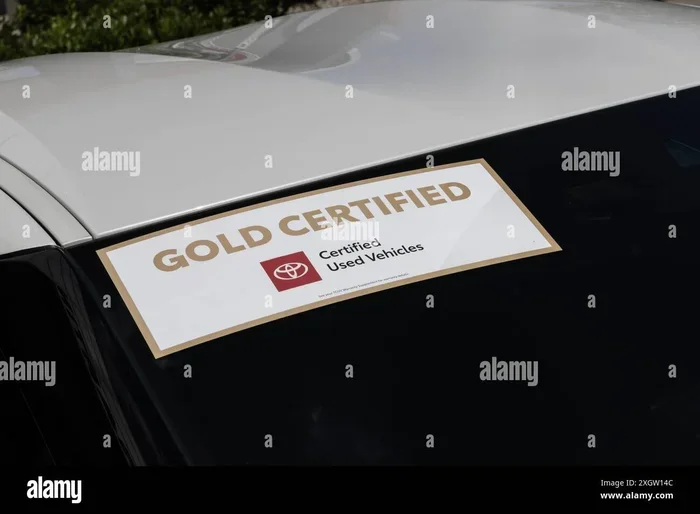
Toyota Gold Certified vehicles offer peace of mind with rigorous inspections and extended warranties. These cars undergo a 160-point check to ensure quality and reliability before sale. Buying certified means you get a like-new experience without the new car price tag. It is the smart choice for savvy shoppers looking for value.
Buying a used car can feel like a gamble. You want reliability without paying brand-new prices. That is where Toyota Gold Certified comes in. It bridges the gap between new and used. You get the confidence of a warranty with the value of a pre-owned vehicle.
Many shoppers ask about the difference between certified and non-certified cars. The answer lies in the inspection process. Toyota puts these vehicles through strict tests. This ensures they meet high standards before hitting the lot. It is a program designed to protect you as the buyer.
In this guide, we will break down everything you need to know. We will look at the inspection details, warranty perks, and why this matters for your wallet. By the end, you will know if this option fits your needs. Let us dive into the details of this popular program.
Key Takeaways
- Comprehensive Inspection: Every vehicle passes a 160-point quality check.
- Extended Warranty: Gold Certified models come with added warranty coverage.
- Value Retention: Certified cars hold their value better than non-certified used cars.
- Roadside Assistance: Buyers receive complimentary roadside support for peace of mind.
- Quality Guarantee: These vehicles meet strict manufacturer standards for condition.
- Cost Savings: You save money compared to buying brand new while getting similar benefits.
- Trustworthy Source: Purchasing from authorized dealers ensures authenticity and support.
📑 Table of Contents
Understanding the Toyota Gold Certified Program
The Toyota Gold Certified program is a specific tier of pre-owned vehicles. These cars are not just any used car. They are selected based on age and mileage. Typically, the vehicle must be under a certain age and have low miles. This ensures the car is still in prime condition.
Dealerships participate in this program to offer extra value. It distinguishes their inventory from standard used cars. When you see the Gold Certified badge, it means extra steps were taken. The goal is to provide a car that feels nearly new. This builds trust between the buyer and the seller.
What Makes It Different?
You might wonder how this differs from other used cars. The main difference is the certification process. Standard used cars may not undergo rigorous checks. Gold Certified vehicles do. They also come with a manufacturer-backed warranty. This is a huge plus for long-term ownership.
Another key factor is the vehicle history. These cars usually have clean titles. They have not been in major accidents. The dealer verifies this information carefully. You get transparency along with quality. This reduces the risk of buying a lemon.
Dealer Network Benefits
Buying through an authorized dealer matters. They follow strict guidelines set by Toyota. This ensures consistency across different locations. You know what to expect regardless of where you shop. The dealer network supports the warranty and services. This gives you local support when you need it.
The 160-Point Inspection Process
Quality control is the heart of this program. Every Toyota Gold Certified vehicle undergoes a 160-point inspection. This is not a quick look under the hood. It is a deep dive into the car’s mechanics and aesthetics. The goal is to find any issues before you buy.
Visual guide about Toyota Gold Certified badge
Image source: ddztmb1ahc6o7.cloudfront.net
Technicians check everything from brakes to electronics. They look for wear and tear that needs fixing. If something fails the test, it gets repaired. Parts used are often genuine Toyota parts. This maintains the integrity of the vehicle. You can drive away knowing the car is safe.
Mechanical Checks
Under the hood, technicians inspect the engine. They check fluids and filters. They look for leaks or unusual noises. The transmission gets tested for smooth shifting. Brakes are measured for pad thickness and rotor condition. Tires are checked for tread depth and safety.
The suspension system is also reviewed. They ensure the ride remains smooth and stable. All lights and signals are tested for function. This covers the safety systems of the car. It is a thorough mechanical review that most used cars skip.
Cosmetic and Interior Review
It is not just about mechanics. The look and feel matter too. Inspectors check the paint for scratches or dents. They examine the interior upholstery for tears or stains. The dashboard is checked for warning lights. All features like air conditioning and sound systems are tested.
This ensures the car looks and feels clean. You do not want a car that looks worn out. The cosmetic check ensures the vehicle is presentable. It reflects the care taken throughout the program. A clean car often indicates a well-maintained one.
Warranty and Protection Benefits
One of the biggest draws is the warranty. A Toyota Gold Certified vehicle comes with extended coverage. This protects you from unexpected repair costs. It acts as a safety net for your budget. You do not have to worry about major breakdowns immediately.
The warranty terms can vary by region and dealer. However, the core benefit remains strong. It covers many components that usually fail in older cars. This gives you confidence in the vehicle’s longevity. It is similar to the protection you get with a new car.
Roadside Assistance
Peace of mind extends beyond repairs. Gold Certified buyers often get roadside assistance. This helps if you break down on the highway. You get towing support or lockout service. This is valuable for long trips or daily commutes. It adds a layer of security to your ownership.
Having help available when you need it is crucial. Mechanical issues can happen anytime. This service ensures you are not stranded. It is a thoughtful benefit included in the package. Many buyers overlook this until they need it.
Transferable Coverage
Some warranty benefits can be transferred. If you sell the car, the next owner might get coverage. This can increase the resale value of your vehicle. It makes your car more attractive to future buyers. You invest in the car, and that value stays with it.
Always check the specific terms of the warranty. Some parts have different coverage limits. Understanding these details helps you make a smart choice. It ensures you know what is protected. Clarity here prevents surprises later on.
Value and Cost Considerations
Why choose Gold Certified over a standard used car? The price is usually higher than non-certified options. However, the value proposition is strong. You are paying for reduced risk and added benefits. It is an investment in reliability.
When you compare costs, look at the total picture. A cheaper used car might need repairs soon. Those repairs add up quickly. A certified car has fewer immediate needs. This can save you money in the long run. You avoid the stress of sudden maintenance bills.
Comparing Costs
Let us look at how this compares to buying new. A new car depreciates fast in the first year. A Gold Certified car has already taken that hit. You get a newer model for less money. You still get warranty protection though. This makes it a sweet spot for many buyers.
- New Car: Highest cost, full warranty, highest depreciation.
- Standard Used: Lower cost, limited warranty, higher risk.
- Gold Certified: Mid-range cost, extended warranty, lower risk.
This comparison shows the balance you get. You are not paying the top price for a new car. You are not taking the high risk of a cheap used car. You find a middle ground that favors your wallet and safety.
Long-Term Ownership Costs
Think about the years ahead. Fuel efficiency is often better in newer used cars. Insurance rates might be lower than new cars. These factors contribute to total ownership cost. A Toyota Gold Certified vehicle often balances these well. You get efficiency without the new car premium.
Maintenance costs are also predictable. Since the car is inspected, you know its state. You can plan for future service needs. This helps with budgeting your finances. It removes the guesswork from car ownership.
Eligibility and How to Buy
Not every car qualifies for this status. There are rules about age and mileage. Typically, the car should be recent model years. Mileage limits ensure the engine is not overworked. Dealers verify these details before certifying a car.
To buy one, visit an authorized Toyota dealership. Ask specifically for Gold Certified inventory. They will show you the certified vehicles available. You can compare them side by side. Make sure to ask about the warranty specifics for each car.
Questions to Ask
When you are at the dealer, ask the right questions. Find out exactly what the inspection covered. Ask about the remaining warranty period. Check if roadside assistance is included. Confirm any limitations on the coverage. Being informed helps you negotiate better.
You should also ask about return policies. Some dealers offer a short return window. This gives you time to test the car thoroughly. It adds another layer of protection for you. Always read the fine print before signing.
Finding the Right Model
Toyota offers many models that qualify. Sedans, SUVs, and trucks can be certified. Popular models like the RAV4 or Camry are common. You have plenty of choices to fit your lifestyle. Consider what features you need most.
Think about your daily driving needs. Do you need space for kids or gear? Do you need fuel efficiency for commuting? The right model depends on your life. The certification ensures whatever you choose is reliable. This makes the selection process easier.
Common Mistakes to Avoid
Even with certification, you need to be careful. Do not assume every used Toyota is certified. Check for the badge and paperwork. Verify the warranty details independently. Do not rely solely on verbal promises from sales staff.
Another mistake is ignoring the vehicle history report. Even certified cars should have a clean record. Check for past accidents or ownership changes. This complements the inspection process. It gives you the full story of the car.
Skipping the Test Drive
Never skip the test drive. Inspections are great, but you need to feel the car. Listen for noises during the drive. Test the brakes and steering yourself. Make sure the comfort level works for you. Your personal experience matters most.
Pay attention to how the car accelerates. Check the visibility from the driver seat. Ensure the technology is easy to use. These are things an inspection might not capture. Your comfort is key to enjoying the car.
Overlooking Maintenance Records
Ask for maintenance records if available. A well-documented service history is a good sign. It shows the previous owner cared for the car. This supports the certification claims. It adds confidence to your purchase decision.
Records show oil changes and major services. This helps you predict future maintenance needs. It is valuable information for any buyer. Do not hesitate to ask for this documentation. It is your right as a consumer.
Expert Insights on Certified Vehicles
Experts agree that certification reduces buyer risk. It standardizes the quality of used cars. This helps the market trust pre-owned vehicles more. For Toyota, it reinforces their brand reputation. Reliability is their core promise to customers.
Financial advisors often suggest certified cars for value. They offer a balance between cost and security. You avoid the steep depreciation of new cars. You also avoid the uncertainty of cheap used cars. It is a strategic financial move for many households.
Who Should Buy Gold Certified?
This program is great for families. They need safety and reliability above all. It is also good for first-time car buyers. They may not know how to spot mechanical issues. The inspection covers that knowledge gap for them.
Commuters also benefit from this program. They rely on their car daily. Unexpected breakdowns cause stress and lost time. A certified car reduces that risk significantly. It ensures you get to work on time.
When to Consider Alternatives
Sometimes a standard used car makes sense. If you are on a very tight budget, every dollar counts. You might accept higher risk for a lower price. Also, if you are mechanically inclined, you might handle repairs yourself. In those cases, certification might not be necessary.
Consider your personal situation carefully. Weigh the cost savings against the risk. For most people, the peace of mind is worth it. But know your limits and priorities. Make the choice that fits your budget and needs.
Conclusion
Choosing a Toyota Gold Certified vehicle is a smart move for many buyers. It combines the value of used cars with the security of new ones. The 160-point inspection ensures quality you can trust. The extended warranty protects your wallet from surprises.
You get roadside assistance and a clean history check. These benefits add up to a better ownership experience. While the price is higher than standard used cars, the value is clear. You are paying for reliability and peace of mind.
If you want a Toyota without the new car price, look for the Gold Certified badge. It simplifies your search and protects your investment. Take your time, ask questions, and test drive your choice. With the right due diligence, you will find a great car. Start your search today and drive with confidence.
Frequently Asked Questions
What does Toyota Gold Certified mean?
It means the vehicle has passed a rigorous multi-point inspection and comes with an extended warranty. These cars meet strict age and mileage requirements set by the manufacturer.
How long is the warranty on a Gold Certified Toyota?
The warranty period varies by dealer and region but typically extends beyond the standard used car coverage. It often includes powertrain protection and roadside assistance for added security.
Are all Toyota dealerships part of the Gold Certified program?
No, only authorized dealers participate in the Gold Certified program. You should verify with the dealership that the vehicle holds the official certification status before purchasing.
Can I finance a Toyota Gold Certified vehicle?
Yes, most dealerships offer financing options for certified vehicles similar to new cars. You should check with the finance department for specific rates and terms available to you.
Is a Gold Certified Toyota worth the extra cost?
For most buyers, yes, because the reduced risk and warranty coverage save money on potential repairs. It offers a middle ground between the cost of new cars and the uncertainty of standard used cars.
What happens if the car fails the inspection?
If a vehicle fails any part of the 160-point check, it is not sold as Gold Certified. Necessary repairs are made using genuine parts until the car meets all certification standards.