
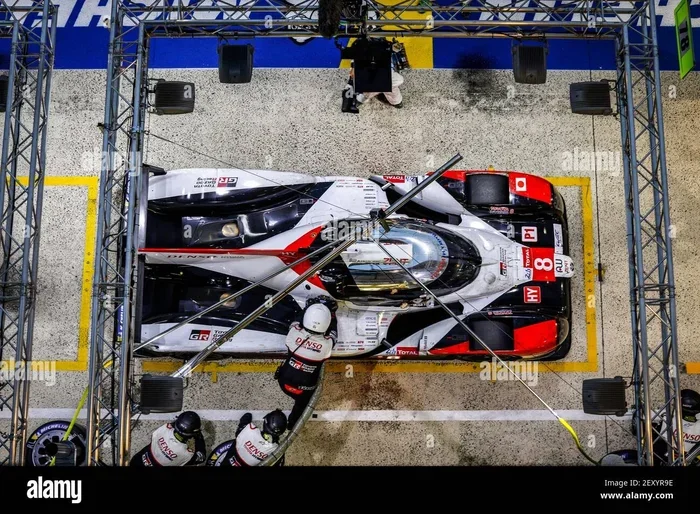
Toyota Gazoo Racing is the official motorsport division of Toyota that builds, races, and tunes high-performance vehicles around the world. It powers everything from rally stages to Grand Touring circuits while inspiring road car models like the GR86 and GR Supra. If you love performance tuning, competitive racing, and Japanese engineering, this guide breaks down how Gazoo Racing works and why it matters.
If you have ever seen a GR badge on a Toyota and wondered what it really means, you are not alone. The emblem signals more than a trim level. It points to a whole performance culture built around motorsport, engineering, and driver focus. In simple terms, what is Toyota Gazoo Racing? It is the official performance and racing organization inside Toyota that develops competitive race cars, supports customer teams, and creates road cars with a genuine track mindset.
This matters because the division connects the racetrack to the showroom. The lessons learned during endurance races, rally events, and drifting competitions often shape the suspension, brakes, powertrain calibration, and chassis stiffness of production models. For fans, that means the cars they can actually buy often carry a piece of the racing DNA. For Toyota, it means a clear performance identity that stands apart from everyday commuter models.
In this guide, we will walk through the story, the racing activities, the road car lineup, and the reasons so many enthusiasts follow the program. You will see how the team operates, what the GR name represents, and how the division continues to grow. Let us start with the roots of the program.
Key Takeaways
- Origins: Gazoo Racing started as a tuning and customer racing support team before becoming Toyota’s official global motorsport arm.
- Brand Identity: The GR badge now signals high-performance engineering, track-focused dynamics, and motorsport-derived technology.
- Racing Focus: The division competes in rally, endurance racing, drifting, and select circuit series with both factory and customer programs.
- Road Car Connection: Many GR road cars borrow suspension, powertrain, and chassis lessons directly from race cars.
- Global Reach: Toyota Gazoo Racing operates across multiple continents, supporting events, development centers, and fan experiences.
- Driver Development: The program nurtures talent through training, customer racing, and hands-on performance events.
- Fan Appeal: Enthusiasts follow GR for its blend of accessible performance, motorsport heritage, and visible engineering progress.
📑 Table of Contents
The Story Behind What Is Toyota Gazoo Racing
The name Gazoo comes from an early online auto marketplace in Japan. Over time, that brand became linked with vehicle evaluation, testing, and customer support. Racing activities grew alongside that work, especially as enthusiasts and private teams asked for stronger parts, better tuning, and real track help. Eventually, those efforts organized into a more formal motorsport identity.
As the program expanded, it moved from supporting small events to running major factory campaigns. The team began competing in endurance racing, touring cars, and rally with increasing ambition. That growth gave Toyota a dedicated home for performance development. It also gave fans a clear answer to what is Toyota Gazoo Racing, because the division became the face of the brand on race weekends and at performance events.
From Customer Support To Factory Competition
Early on, the focus was practical. Private racers needed reliable advice, stronger components, and consistent setup help. The team listened, tested, and improved. That customer-first mindset still matters today. Many GR programs continue to support private teams with parts, technical guidance, and event support. The idea is simple: help people race well, learn quickly, and stay safe.
At the same time, the factory side grew more ambitious. Toyota entered high-profile endurance campaigns and other major series with purpose-built machines. Those projects demanded advanced aerodynamics, durable powertrains, and precise chassis tuning. Each race provided data that fed back into future designs. That loop between track and development is one of the strongest parts of the whole program.
What The GR Badge Actually Signals
When you see the GR badge, you are looking at more than a label. It usually signals a focus on handling, response, and driver engagement. Some GR models are mild performance versions. Others are full track-oriented builds with stiffer suspension, stronger brakes, and more aggressive tuning. The badge helps buyers understand that a car has been considered from a performance angle, even if it is still meant for daily use.
That clarity is useful because Toyota sells a wide range of vehicles. The GR identity gives enthusiasts a simple way to spot the sportier options. It also helps the company separate mainstream models from those with a stronger racing connection. For shoppers comparing brands, it answers part of the question behind what is Toyota Gazoo Racing by showing how the division influences the products people can actually purchase.
Where Toyota Gazoo Racing Competes
The division does not limit itself to one type of event. It competes in several forms of motorsport, each with its own demands. That variety keeps the team sharp and helps engineers learn from different conditions. It also gives fans multiple ways to follow the action.
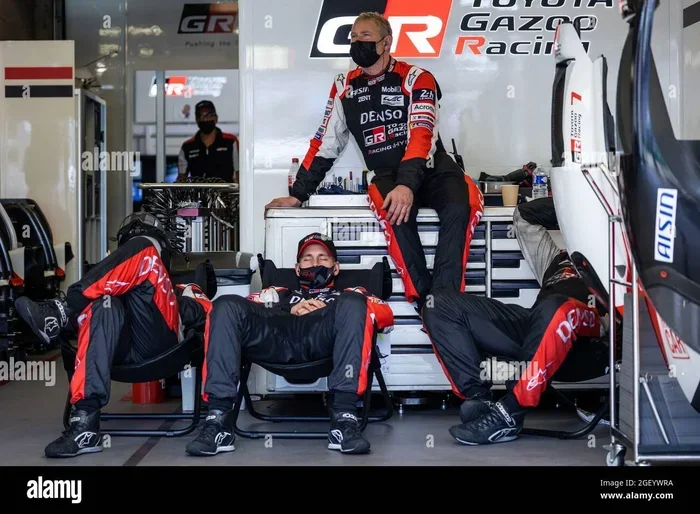
Visual guide about Toyota Gazoo Racing pit stop
Image source: c8.alamy.com
Rally is one of the most visible areas. The team and its partners have taken part in gravel, tarmac, and special stage events that test durability, pace, and adaptability. Endurance racing is another major focus, with long-distance races that reward consistency, pit strategy, and strong car development. There is also involvement in drifting, circuit racing, and customer racing programs that let private teams run GR-supported machinery.
Endurance Racing And Long-Distance Challenges
Endurance events are a true test of reliability and teamwork. Cars must stay fast over many hours while coping with changing track conditions, tire wear, and fuel strategy. The crew needs clear communication, strong logistics, and a car that can handle constant stress. That environment pushes engineers to improve cooling, braking, suspension durability, and overall consistency.
For fans, endurance racing is exciting because it combines speed with strategy. A single mistake can cost positions, but smart pacing and solid teamwork can turn a race around. Toyota Gazoo Racing’s presence in this area shows a commitment to competing at a high level while learning lessons that matter for future cars.
Rally, Drifting, And Circuit Programs
Rally adds a different kind of challenge. Surfaces change quickly, stages are unpredictable, and cars must be strong enough to handle jumps, corners, and rough terrain. That environment rewards suspension travel, protective structure, and precise throttle control. It also demands a skilled driver who can adapt instantly.
Drifting focuses on angle, control, and showmanship under pressure. It may look playful, but it requires serious chassis balance and throttle discipline. Circuit programs, meanwhile, emphasize braking stability, corner entry, and repeatable lap performance. Together, these disciplines give the team broad experience. They also give fans many ways to connect with the brand, whether they prefer stage rally, sideways action, or wheel-to-wheel racing.
How Gazoo Racing Shapes GR Road Cars
One of the most interesting parts of the program is how race work influences road cars. Not every track lesson ends up in a production model, but the best ideas often do. Engineers may borrow ideas about weight distribution, brake feel, steering response, and chassis stiffness. In some cases, a road car shares its spirit with a race car even if the parts are different.
This is why many GR models feel more engaged than standard versions. Some come with firmer suspension tuning, better brake cooling, lighter wheels, or more responsive steering. Others add visual cues that signal their performance intent. The goal is not to make every car a full race replica. The goal is to give drivers a more rewarding experience while keeping the car usable in daily life.
Shared Engineering Ideas
Several themes repeat across GR development. First is balance. A car that feels stable at the limit is easier to trust. Second is feedback. Drivers want to feel what the tires are doing so they can adjust smoothly. Third is durability. A performance car should handle repeated hard use without falling apart. These priorities come directly from motorsport thinking.
Another theme is selectivity. Not every buyer wants the same level of aggression. That is why the GR lineup often includes both accessible performance models and more intense versions. Some buyers want a fun daily driver. Others want a car that is closer to a track tool. The division tries to serve both groups without confusing the message.
Examples Fans Recognize
Enthusiasts often point to a few well-known GR names when discussing the program. The GR86 is a popular rear-wheel-drive sports car that appeals to drivers who want balance and involvement. The GR Supra is another standout, with a powertrain partnership that blends performance and everyday usability. There are also GR-inspired versions of established models that add sharper tuning and motorsport-style details.
These cars matter because they bring the racing story to the street. They give people a way to own a piece of the identity without buying a full race car. They also create a natural bridge between fan interest and actual product choices. When people ask what is Toyota Gazoo Racing, these road cars are often the easiest example to understand.
The Global Side Of The Program
Toyota Gazoo Racing is not limited to one country or one circuit. It operates with a broad international footprint, which helps the team learn from many environments. Different tracks, climates, and road conditions all affect how a car should be tuned. By working across regions, the division gains a wider perspective on performance.
The global approach also supports events, testing, and fan engagement. Race weekends become chances to showcase engineering progress, connect with drivers, and build excitement around the GR name. Development centers and technical facilities help turn those lessons into practical improvements. For fans, that means the program feels active and visible rather than distant.
Fan Experiences And Track Events
Motorsport is not only about winning. It is also about experiences. Many fans enjoy track days, driving clinics, and performance events where they can feel a car’s behavior in a controlled setting. These activities help people understand why certain design choices matter. They also make the brand more approachable.
Some events focus on education. Others focus on competition. Some are simply about sharing the joy of driving. In all cases, the goal is to create memorable moments that link fans to the wider GR story. That connection is one reason the program continues to attract attention beyond the core racing audience.
Training, Talent, And Teamwork
Good racing depends on people as much as machines. Drivers, engineers, mechanics, and strategists all play a role. The program supports skill development because strong teams improve faster and stay safer. Training helps drivers manage pressure, read track conditions, and make better decisions under stress.
Teamwork matters too. A race car is the result of many hands and many opinions. When communication is clear, the car improves more quickly. When everyone understands the goals, the team can react faster during events. This human side of the operation is easy to overlook, but it is essential to long-term success.
Common Questions About What Is Toyota Gazoo Racing
People often ask practical questions when they first learn about the division. Some want to know whether GR is only about race cars. Others wonder how much of the racing work shows up in road cars. A few ask how the program differs from a normal trim package. These are good questions, and the answers help clarify the bigger picture.
The short version is that Gazoo Racing is a performance identity, a racing operation, and a development source all at once. It supports competition, helps private teams, and influences road car design. It is not just a sticker. It is a structured effort to make Toyota more competitive and more engaging for drivers.
How It Differs From A Regular Trim Level
A regular trim usually adds features like nicer materials, more convenience tech, or a different look. A GR model usually goes further in the performance direction. That can mean suspension tuning, brake upgrades, steering changes, weight considerations, and visual cues that signal a sportier intent. The exact difference depends on the vehicle, but the focus is clearer.
This distinction matters because buyers should know what they are getting. Some GR models are still comfortable and practical. Others lean harder into track use. Understanding the difference helps shoppers choose the right level of performance for their needs.
Why It Matters To Everyday Drivers
Even if you never race, the program can still matter to you. Performance development often improves everyday driving in subtle ways. Better chassis balance can make a car feel more stable. Stronger brakes can improve confidence. Sharper tuning can make highway driving and cornering more pleasant. The racing connection is not just for show. It can influence the character of the car you drive every day.
It also gives enthusiasts a story to follow. People enjoy seeing how a car evolves, what improvements appear next, and how the team performs under pressure. That ongoing narrative keeps the brand lively and gives fans a reason to stay interested.
Expert Insights And What To Watch Next
If you want to understand where the program is headed, watch three things. First, look at how race results feed into future road car updates. Second, notice how the GR lineup expands into new segments or performance levels. Third, pay attention to fan-facing events, because they often reveal how the brand wants to grow its community.
The best performance programs keep learning. They listen to drivers, measure results, and refine their approach. Toyota Gazoo Racing fits that pattern. It uses competition to sharpen its ideas and uses road cars to share those ideas more widely. That cycle is what makes the division interesting to follow over time.
Quick Tips For New Fans
- Start with the road cars. They are the easiest way to feel the GR personality in person.
- Follow a few race series. Pick one or two types of motorsport so the action stays easy to track.
- Compare trims carefully. Not every GR model has the same level of performance emphasis.
- Ask about driving dynamics. Focus on steering, braking, and balance, not just horsepower.
- Keep expectations realistic. Race cars and road cars share ideas, but they are not identical.
Common Mistakes To Avoid
- Assuming every GR badge means the same thing. The level of performance can vary by model.
- Focusing only on engine output. Handling and chassis tuning often matter just as much.
- Ignoring maintenance needs. Performance-oriented parts can require more attentive care.
- Overlooking comfort trade-offs. Stiffer tuning may feel great on a track and less relaxed on a long commute.
- Treating race specs as road specs. Race cars are built for a different purpose and environment.
Final Thoughts On What Is Toyota Gazoo Racing
So, what is Toyota Gazoo Racing? It is the performance heart of Toyota’s motorsport and road-car engineering story. The division competes in major events, supports customer teams, and helps shape GR models that bring racing ideas into everyday driving. For fans, that combination creates a clear and exciting identity. For Toyota, it provides a focused path toward better dynamics, stronger durability, and more driver appeal.
If you are new to the brand, the easiest way to appreciate the program is to experience it directly. Test a GR model, watch a race weekend, or attend a performance event. Once you see how the team works and how the cars behave, the GR name starts to make a lot more sense. It is not just a logo. It is a continuing effort to make performance real, practical, and memorable.