
What Is TPWS on Toyota? It stands for Tire Pressure Warning System, a smart safety feature that monitors your tire air levels. When pressure drops too low, the system alerts you through dashboard lights or messages. Keeping tires properly inflated helps you brake safer, save fuel, and avoid blowouts. This guide explains how it works, why it matters, and what to do when it lights up.
Key Takeaways
- TPWS means Tire Pressure Warning System: It constantly checks your tire air levels and warns you when they drop below safe limits.
- Direct and indirect systems exist: Direct sensors read exact pressure, while indirect systems use wheel speed to estimate changes.
- A lit warning light means action is needed: Check all four tires and the spare, then inflate to the recommended PSI found on your door placard.
- Proper tire pressure improves safety and efficiency: Correct inflation boosts braking, handling, fuel economy, and tire life.
- Reset procedures vary by model: Many Toyotas need a simple reset button or a short drive after inflation to clear the alert.
- Cold weather can trigger false alerts: Air contracts in the cold, so pressure drops naturally in winter and may light the warning.
- Regular checks prevent bigger problems: Inspect tires monthly, before long trips, and after temperature swings to stay safe.
📑 Table of Contents
- What Is TPWS on Toyota and How It Protects You
- How TPWS Works Inside Your Toyota
- What the TPWS Light Means and When It Turns On
- Direct vs Indirect TPWS: What Is TPWS on Toyota Systems
- Why Proper Tire Pressure Matters for Safety and Savings
- How to Check, Inflate, and Reset TPWS on Toyota
- Common TPWS Problems and Simple Fixes
- TPWS and Everyday Toyota Safety Features
- Best Practices for Tire Care and TPWS Reliability
- Conclusion
What Is TPWS on Toyota and How It Protects You
What Is TPWS on Toyota? It stands for Tire Pressure Warning System. This feature watches your tire air levels all the time. When pressure falls too low, the system warns you right away. That early warning helps you avoid unsafe driving conditions.
Many drivers see a small lamp on the dash and wonder what it means. This guide breaks it down in plain language. You will learn how the system works, why it matters, and what steps to take when it wakes up.
Tires are the only part of your car that touch the road. If they run low on air, your car handles differently. Braking takes longer. Fuel use goes up. Tires wear out faster. In bad cases, a tire can overheat and fail. TPWS helps you catch these issues early.
Toyota uses this feature to support everyday safety. It works quietly in the background. You do not need to do anything until the system asks for attention. That makes it easy to use, even if you are not a car expert.
In the sections below, we will cover how the system reads tire data, what the warning light means, how to reset it, and simple habits that keep your tires healthy.
How TPWS Works Inside Your Toyota
What Is TPWS on Toyota? At its core, it is a monitoring tool for tire air pressure. The system uses sensors or wheel-speed data to spot changes. It then sends a signal to your dashboard when something looks off.
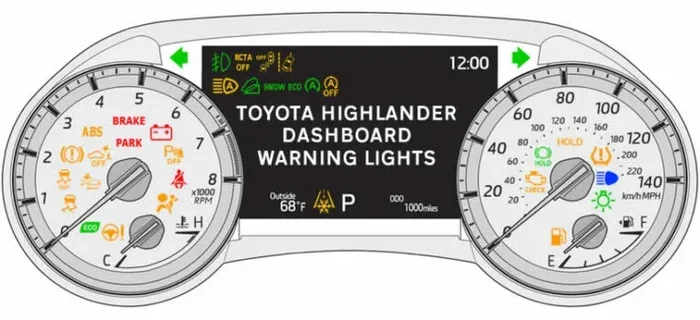
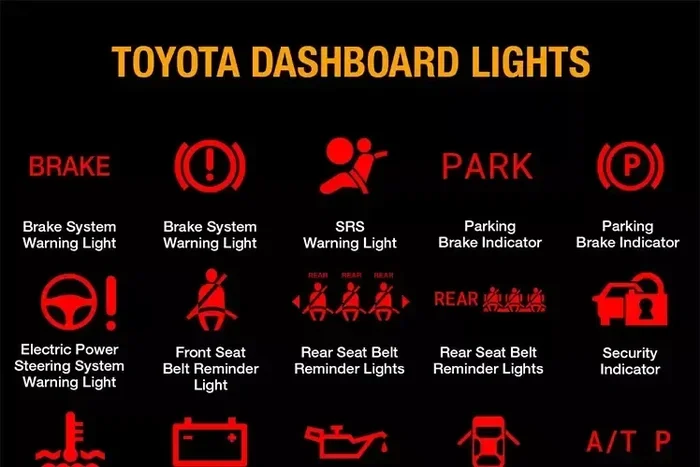
Visual guide about Toyota car dashboard warning light
Image source: dash-lights.com
There are two common approaches. One uses direct sensors inside each wheel. These sensors measure exact pressure and send the numbers to the car. The other uses indirect methods that compare wheel speeds. If one tire is low, its wheel may spin slightly faster, and the system notices that change.
Direct systems are very precise. They can show the actual pressure for each tire on your screen. Indirect systems are simpler and do not need air-pressure sensors in the valves. Both aim to do the same job: warn you before a problem grows.
Here is a simple look at the flow:
- The system checks tire data while you drive.
- It compares the readings to a safe range set by Toyota.
- If pressure drops below the limit, a warning appears.
- You see a lamp, a message, or both on the dash.
This process happens without you thinking about it. That is the point. The car keeps an eye on your tires so you can focus on the road.
It is also helpful to know that the system may need a short drive to confirm a reading. After you fix the pressure, the alert may not clear instantly. A few miles of normal driving often let the system recheck and reset itself.
What the TPWS Light Means and When It Turns On
What Is TPWS on Toyota? It is the reason a small tire-shaped icon can appear on your dash. That light is a signal to check your tires. It does not always mean a tire is flat. It means pressure is lower than the safe level the system expects.
The light can turn on for several reasons:
- A tire lost air slowly over time.
- Temperature dropped and air contracted in the tires.
- A valve stem or seal needs attention.
- A tire was underinflated after a recent service.
- The system needs a reset after pressure was corrected.
Cold weather is a common trigger. Air shrinks when it gets cold. That can lower pressure enough to light the warning, even if your tires were fine before. This is normal physics, not always a leak.
Some Toyotas also show a message in the info screen. The message may tell you which side is low or ask you to check all tires. If your model has a pressure display, you may see the exact numbers there.
If the light flashes briefly at startup, that is usually a system check. It should stay off during normal driving. If it stays on, treat it as a real alert and inspect the tires soon.
Direct vs Indirect TPWS: What Is TPWS on Toyota Systems
What Is TPWS on Toyota? The answer depends on which system your vehicle uses. Some models use direct sensors. Others rely on indirect wheel-speed tracking. Knowing the difference helps you understand what the warning really means.
Direct systems place a sensor in each wheel. These sensors read pressure and send that data to the car. They are accurate and can show individual tire readings. They are also easy to understand because they report actual numbers.
Indirect systems do not measure pressure directly. They watch how fast each wheel turns. A tire with less air has a slightly smaller effective diameter. That wheel may rotate a bit faster than the others. The system uses that clue to warn you.
Both systems matter for safety. Both can help you avoid low-pressure driving. The main difference is how they gather data. Direct systems give more detail. Indirect systems are simpler and may be less precise in some cases.
If your Toyota shows exact pressure values, you likely have a direct system. If it only shows a warning lamp, you may have an indirect setup or a simpler display. Either way, the action is the same: check and adjust tire pressure.
Why Proper Tire Pressure Matters for Safety and Savings
What Is TPWS on Toyota? It is a tool that supports a bigger goal: keeping your tires at the right pressure. That goal matters more than many drivers realize. Tire pressure affects safety, comfort, cost, and tire life.
When tires are properly inflated, they hold their shape better. That means the tread stays in full contact with the road. Your car brakes more predictably. Steering feels steadier. The ride feels smoother too.
Low pressure changes all of that. The tire sidewall flexes more. The tread may not sit evenly. Stopping distances can increase. In wet or snowy conditions, that extra flex can make the car feel less steady.
Fuel economy also takes a hit. Underinflated tires create more rolling resistance. The engine works harder to move the car. Over time, that adds up at the pump. Proper pressure helps you use less fuel for the same trip.
Tire wear is another big factor. Low pressure can cause the shoulders of the tire to wear faster. That shortens tire life and may lead to early replacement. Keeping pressure right helps the tread wear more evenly.
A quick comparison shows why this matters:
- Correct pressure: Better grip, steadier braking, lower fuel use, longer tire life.
- Low pressure: More flex, slower response, higher fuel use, uneven wear.
- Overinflation: Harsher ride, less contact in the center, faster center wear.
The best path is balance. Follow the recommended pressure for your vehicle, not the maximum number on the tire sidewall. The door placard or owner’s manual gives the target PSI for normal driving.
How to Check, Inflate, and Reset TPWS on Toyota
What Is TPWS on Toyota? It is the system that tells you when to check your tires. Once you know the alert is on, the next step is simple: measure, inflate, and reset if needed.
Start with a reliable tire gauge. Digital gauges are easy to read. Air pumps at home or at service stations work well for filling tires. Many stations also have a built-in gauge, but a personal gauge is often more consistent.
Here is a simple process:
- Park on level ground and check tires when they are cold.
- Remove the valve cap from the first tire.
- Measure the pressure with your gauge.
- Compare the reading to the recommended PSI for your Toyota.
- Add air if needed, then measure again.
- Repeat for all four tires and the spare if you have one.
Cold tires give the best reading because driving heats the air and raises pressure. If you must check after a drive, expect a higher number and plan to recheck later.
After inflating, the warning may stay on for a short time. Some Toyotas clear the alert automatically after a drive. Others need a reset step. Your owner’s manual explains the exact method for your model. In many cases, there is a reset button or a menu option in the vehicle settings.
If your Toyota shows individual tire pressures, use that display to confirm all tires are in range. If the warning returns soon after you fill them, check again for a slow leak or a damaged valve.
A few practical tips help:
- Check pressure once a month.
- Inspect tires before long trips.
- Recheck after big temperature drops.
- Keep the spare tire at the right pressure too.
- Replace caps to keep dirt out of the valves.
These small habits prevent surprise warnings and keep your tires in good shape.
Common TPWS Problems and Simple Fixes
What Is TPWS on Toyota? It is a helpful system, but it can sometimes signal issues that are easy to miss. Most problems are simple, and most fixes are quick.
One common issue is a slow leak. A tiny puncture, a worn valve, or a poor seal can let air out gradually. The system notices the drop and turns on the warning. If one tire keeps losing pressure, have it inspected.
Another issue is temperature change. As the weather cools, pressure can fall across all tires. This may light the warning even if there is no leak. Reinflating to the recommended level usually solves it.
Sensor batteries can also wear out in direct systems. The sensors are small, and their power sources do last a long time, but they do not last forever. If a sensor stops sending data, the system may warn you or show a missing reading.
A reset may be needed after service. If tires were rotated, replaced, or inflated, the system might need a short drive or a manual reset. Always confirm the warning is gone before your next long trip.
Here are a few simple fixes to try first:
- Check all tires, including the spare.
- Inflate to the recommended PSI.
- Look for visible damage or objects in the tread.
- Tighten or replace a loose valve cap.
- Drive a short distance to let the system recheck.
If the light stays on after these steps, it is wise to have a professional inspect the tires and sensors.
TPWS and Everyday Toyota Safety Features
What Is TPWS on Toyota? It is one part of a larger safety network in your car. Modern Toyotas include many aids that work together to support careful driving. Tire pressure monitoring fits right in with that idea.
Proper tire pressure helps other systems do their job. Braking systems work better when the tires grip well. Stability control feels more natural when the wheels maintain steady contact. Even traction aids make more sense when the tires are inflated correctly.
If you ever wonder how other Toyota features fit together, you may also want to read about how to turn on traction control or learn more about Toyota RAV4 reliability. These topics show how small details add up to safer everyday driving.
TPWS is simple, but it supports big goals. It helps you notice problems early. It encourages regular checks. It reminds you that tires matter every time you drive. That is why this feature is worth understanding, even if you only see the light once in a while.
Best Practices for Tire Care and TPWS Reliability
What Is TPWS on Toyota? It works best when you keep up with basic tire care. The system is a warning tool, not a replacement for routine checks. Good habits make the system more useful and your drives safer.
Start with a monthly check. Use a gauge, not just your eyes. Tires can look fine while running low. A quick reading takes only a few minutes and can prevent bigger issues.
Next, follow the recommended pressure for your Toyota. That number is usually on the door placard or in the manual. Do not use the maximum pressure printed on the tire itself unless a professional tells you to. The vehicle recommendation is the target for normal use.
Also, pay attention to seasonal changes. In fall and winter, pressure can drop as temperatures fall. In spring and summer, pressure can rise as it warms. Adjust as needed and avoid overinflating just because the weather changed.
When you buy new tires or rotate them, make sure the service team checks pressure and resets the system if needed. If your Toyota uses direct sensors, proper handling during tire service helps keep the readings accurate.
A few good habits to remember:
- Check tires when they are cold.
- Keep a small gauge and air compressor handy.
- Inspect tread and sidewalls for damage.
- Replace worn valve caps.
- Recheck pressure before long highway trips.
These steps keep your tires healthier and make TPWS alerts less frequent.
Conclusion
What Is TPWS on Toyota? It is a Tire Pressure Warning System that helps you stay ahead of tire problems. It watches your tire pressure, warns you when levels drop, and supports safer driving. That makes it a small feature with a big job.
When the light comes on, do not ignore it. Check all tires, inflate them to the recommended pressure, and reset the system if your model needs it. If the warning keeps returning, inspect for leaks or have a professional look at the sensors.
Good tire pressure improves braking, handling, fuel economy, and tire life. It also helps other safety features work as intended. With a few simple habits, you can keep TPWS alerts rare and your drives more confident.
Take a minute to check your tires today. That small step can make every trip safer and smoother.
Frequently Asked Questions
What does TPWS mean on a Toyota?
TPWS stands for Tire Pressure Warning System. It monitors your tire air levels and alerts you when pressure drops below a safe range. The warning helps you avoid unsafe driving and keep your tires in good shape.
Why is my TPWS light on even though my tires look fine?
Tires can lose pressure without looking flat. Cold weather can also lower pressure enough to trigger the light. Use a gauge to check each tire, then inflate them to the recommended PSI if needed.
How do I reset TPWS on a Toyota after filling the tires?
Many Toyotas clear the alert after a short drive once the tires are properly inflated. Some models need a reset button or a settings menu step. Check your owner’s manual for the exact method for your vehicle.
Does TPWS measure each tire separately?
Some Toyotas use direct sensors that show individual tire pressures. Others use indirect methods that estimate changes from wheel speed. If your display shows numbers for each tire, you likely have a direct system.
Can cold weather cause the TPWS warning to appear?
Yes. Air contracts in colder temperatures, so tire pressure can drop in winter. That may light the warning even without a leak. Recheck and adjust pressure when the temperature changes a lot.
What should I do if the TPWS light keeps coming back?
Check all tires again, including the spare, and look for slow leaks or visible damage. If the pressure stays low or the light returns, have a tire shop inspect the tires, valves, and sensors.