
Buying a used Toyota Camry can save you money, but not every model year is worth your investment. Some generations suffer from costly transmission issues, excessive oil consumption, or premature wear that can turn a budget-friendly purchase into a financial headache. In this guide, we will walk you through Toyota Camry years to avoid, highlight the most reliable model years, and share practical inspection tips so you can drive away with confidence.
The used car market is full of bargains, but picking the right sedan takes a little homework. The Toyota Camry has built a strong reputation for durability, comfortable daily driving, and reasonable repair bills. Still, not every year performs equally well over the long haul. If you are shopping for a pre-owned Camry, understanding Toyota Camry years to avoid will help you skip expensive headaches and focus on models that deliver dependable miles.
In this guide, we will break down the generations that have earned praise from owners and mechanics alike. We will also point out specific model years and build periods that tend to need extra attention. You will learn what to inspect, which features matter most, and how to separate a solid used car from a money pit. Let us get started.
Key Takeaways
- Target the 2007-2015 and 2018-2023 generations: These Camry model years consistently rank highest for reliability, lower repair costs, and smoother powertrain performance.
- Avoid early 2007 models with the 2.4L engine: First-year production of the 2007 redesign occasionally shows oil consumption issues and rough idle characteristics that improve in later runs.
- Watch for transmission quirks in 2010-2011: Some V6-equipped Camrys from these years report shuddering or delayed shifts, especially if maintenance was skipped.
- Check maintenance records carefully: A well-documented service history often matters more than the model year itself when predicting long-term ownership costs.
- Inspect for rust and suspension wear: Camrys from humid coastal regions or heavy-snow areas may show accelerated frame, control arm, or brake line corrosion.
- Test drive every system: Evaluate acceleration, braking, steering response, infotainment responsiveness, and climate control before signing any paperwork.
- Verify safety tech functionality: Modern driver-assist features like lane keep assist and adaptive cruise can be expensive to repair if sensors are misaligned or damaged.
📑 Table of Contents
- What Makes a Camry Model Year Stand Out
- Toyota Camry Years to Avoid and Why
- Most Reliable Toyota Camry Years to Buy
- Common Problems to Watch For
- How to Inspect a Used Camry Before Buying
- Quick Tips for Smart Camry Shopping
- Common Mistakes to Avoid
- Expert Insights
- Final Thoughts on Toyota Camry Years to Avoid
What Makes a Camry Model Year Stand Out
When shoppers ask about Toyota Camry years to avoid, they usually want to know which generations offer the best mix of reliability, comfort, and value. A model year is only part of the story. Production changes, engine updates, transmission revisions, and quality control improvements all play a role in how a car ages. A well-maintained 2010 Camry can easily outlast a neglected 2018 model, but some years simply started with better components and tighter factory standards.
Toyota has a long history of refining its sedans over time. The Camry nameplate has evolved through multiple redesigns, each bringing better fuel economy, quieter cabins, and more polished driving dynamics. If you want a deeper sense of what makes Toyota stand out in the mainstream market, you can read more about what Toyota is known for and how the brand approaches long-term durability. That background helps explain why certain Camry years age so gracefully while others need a sharper eye during inspection.
Engine Choices and Their Impact
Camry powertrains have changed across generations, and the engine under the hood often dictates long-term satisfaction. Earlier models used naturally aspirated four-cylinder and V6 engines that are simple, easy to service, and widely understood by mechanics. Later generations introduced more efficient four-cylinder designs and hybrid options that stretch fuel economy further. If you want a closer look at the powertrain lineup, check out what engine does a Toyota Camry have for a breakdown of the available options.
The practical takeaway is simple. A four-cylinder Camry usually costs less to fuel and repair, while a V6 version delivers stronger passing power and a more relaxed highway feel. Hybrid variants add electric assist for smoother low-speed driving and better city mileage. None of these choices are inherently bad, but they do affect maintenance expectations. A V6 may need slightly more frequent spark plug and coil work as mileage climbs, while a hybrid battery pack can add a future replacement cost once the vehicle ages.
Transmission Behavior Matters
Transmission tuning has improved steadily over the years, but early production runs sometimes show quirks that later builds corrected. Some owners report firm shifts, hesitant throttle response, or occasional shudder during light acceleration. These traits are often manageable when the transmission fluid has been changed on schedule, but they can become more noticeable if the car was driven hard or neglected. When researching Toyota Camry years to avoid, it helps to compare how different generations handle gear changes and whether the transmission software received updates during that model run.
You can also learn more about driving modes and how they affect shift behavior by reviewing what is ev mode on a Toyota Camry. Understanding these settings gives you a better sense of how the car manages power delivery and efficiency, which can be useful during a test drive.
Toyota Camry Years to Avoid and Why
No used car list is complete without a clear look at the model years that tend to draw complaints. When people search for Toyota Camry years to avoid, they are usually trying to steer clear of early production issues, weak interior materials, or powertrain behavior that feels less refined. Below are the model years and build periods that often deserve extra caution.

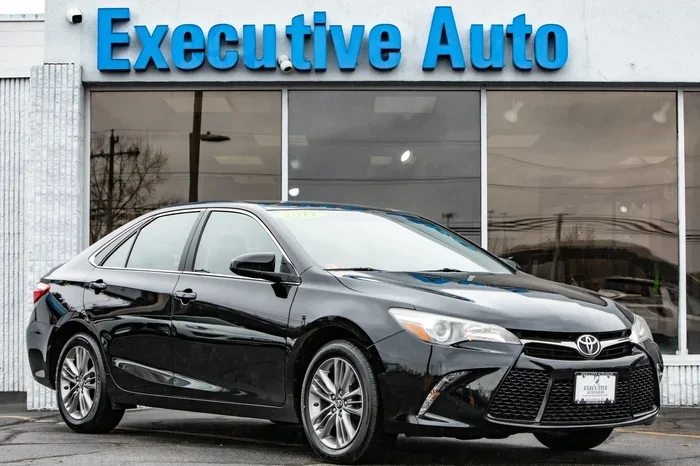
Visual guide about used Toyota Camry car
Image source: platform.cstatic-images.com
Early 2007 Production Runs
The 2007 model year marked a full redesign, and new platforms often come with a short learning curve at the factory. Some early 2007 Camrys showed higher oil consumption, rough idle, or inconsistent fitment of interior trim pieces. These issues do not appear in every car, but they show up often enough that careful inspection matters. Look for service records showing oil changes at proper intervals and ask whether the engine was checked for excessive consumption.
Mid-2010 to 2011 V6 Examples
Certain 2010 and 2011 V6 Camrys drew attention for transmission shudder and slightly delayed shifting. Again, these traits are not universal, and many examples run smoothly for years. Still, if you are comparing several used cars, a 2012 or newer model may offer a more polished transmission tune. A thorough test drive on a warm engine can reveal hesitation, flare, or vibration that deserves a closer look before purchase.
Model Years With Known Interior Wear
Some Camry generations developed premature wear on steering wheel leather, shift knob boots, and driver-seat bolsters. This is more of a comfort and appearance concern than a mechanical failure, but it can signal how the car was used and whether the interior materials aged well. A car with heavy interior wear may also have higher mileage or a tougher previous ownership style, which can be a clue to check the suspension, brakes, and tires carefully.
Most Reliable Toyota Camry Years to Buy
If you are trying to balance budget and peace of mind, it helps to focus on the generations that consistently earn strong owner feedback. The most reliable Toyota Camry years to buy are usually the later production runs within a generation, when factory processes have settled and small fixes have been incorporated. These models often deliver smooth daily driving, straightforward maintenance, and a strong parts network.
2007 to 2015 Generations
The 2007 through 2015 Camry generations are popular in the used market because they offer a mature design, comfortable ride, and a wide supply of affordable parts. Many owners report strong durability when routine service is followed. The four-cylinder models are especially appealing for commuters who want low fuel costs and simple mechanics. If you want a broader sense of the vehicle footprint and how it fits in a garage or parking space, you may also find it useful to read about what is the length of a Toyota Camry before finalizing your choice.
2018 to 2023 Generations
The newer 2018 to 2023 Camry generation brings a more modern cabin, updated safety technology, and refined powertrains. These models often feel quieter at highway speeds and offer better driver-assist features than older versions. They also tend to hold their value well, which is helpful if you plan to sell or trade in later. The tradeoff is a higher purchase price, so you will want to verify that the safety and infotainment systems are working correctly before buying.
Common Problems to Watch For
Even the best model years can develop issues if they were driven hard or missed key services. Knowing the common problems to watch for helps you ask smarter questions and spot warning signs during a walk-around. Below are the areas that deserve extra attention when evaluating any used Camry.
Oil Consumption and Engine Health
Some Camry engines can use oil between changes, especially as mileage climbs. A small amount of consumption may be normal, but excessive oil burning can point to worn seals, piston ring wear, or valve guide issues. Ask for records of oil top-offs and check whether the previous owner monitored the level regularly. A cold-start idle test and a visual inspection for leaks can also reveal whether the engine has been well cared for.
Suspension and Steering Wear
Camrys are known for a smooth ride, but suspension components do wear over time. Control arm bushings, struts, and steering linkage parts can develop play that shows up as clunks over bumps or vague steering feedback. If you notice the steering wheel shaking at highway speeds, it may be worth investigating tire balance, alignment, or suspension condition. For a practical walkthrough of one common maintenance task that can improve visibility and safety, see how to replace windshield wipers Toyota Camry as part of your overall ownership prep.
Electrical and Infotainment Glitches
Modern Camrys rely on more electronics than older sedans, which means screen freezes, Bluetooth dropouts, and sensor warnings can pop up. Many of these are minor, but some may point to wiring issues, loose connectors, or software that needs an update. Test the audio system, climate controls, and driver-assist displays during your visit. If a warning light appears, ask whether it was diagnosed or simply ignored.
How to Inspect a Used Camry Before Buying
A careful inspection can save you from buying a car that looks fine on the outside but hides expensive issues underneath. You do not need to be a master mechanic to spot the basics. A structured approach helps you compare vehicles fairly and avoid rushing into a purchase.
Exterior and Undercarriage Check
Walk around the car in good daylight and look for uneven panel gaps, mismatched paint, or signs of past repairs. Check the wheels for curb rash and the tires for uneven wear, which can hint at alignment problems. Under the car, look for fresh fluid drips, heavy rust, or damaged heat shields. A quick glance at the exhaust and suspension components can reveal a lot about how the vehicle was used and whether it has been stored in a harsh climate.
Test Drive Checklist
A good test drive should cover more than a short loop around the block. Try to include city streets, a highway stretch, and a few stops so you can judge braking, acceleration, and low-speed maneuvering. Pay attention to how the transmission settles into gear, whether the steering feels centered, and if the engine responds smoothly to throttle input. Listen for squeaks, rattles, or wind noise that might point to worn seals or loose trim.
If you are considering a newer model with driver-assist features, make sure the lane-keeping and cruise systems behave as expected. You can read more about how to turn off lane assist Toyota Camry if you want to understand how these systems can be adjusted or temporarily disabled during your evaluation.
Service Records and Ownership History
A clean service history is one of the strongest signs of a well-cared-for car. Look for regular oil changes, fluid services, and brake or tire replacements at reasonable intervals. Ask whether the timing chain, water pump, or spark plugs were addressed if the car has enough mileage to need them. A seller who can produce organized records is often a better choice than one who simply says the car runs fine.
Quick Tips for Smart Camry Shopping
A few simple habits can make your used-car search much smoother. Use these quick tips to stay organized and reduce the chance of overlooking important details.
- Set a realistic budget: Include purchase price, taxes, registration, and a small reserve for immediate maintenance.
- Compare multiple examples: Viewing several cars helps you spot which one feels the most polished and consistent.
- Check recall and service bulletins: Verify whether important updates were completed on the specific vehicle you are considering.
- Bring a flashlight and phone charger: A bright light helps you see leaks, corrosion, and interior wear more clearly.
- Trust a pre-purchase inspection: A qualified mechanic can catch issues that are easy to miss during a casual look.
Common Mistakes to Avoid
Even experienced shoppers can make rushed decisions. Avoid these common mistakes so you do not end up with a car that costs more than expected.
- Skipping the cold-start test: A warm engine can hide startup rattles, idle issues, or exhaust concerns that show up first thing in the morning.
- Ignoring tire and brake condition: Worn tires or thin brake pads can add immediate costs after purchase.
- Overlooking the interior: Cracked dash materials, sticky controls, or broken storage latches can signal heavy use or heat damage.
- Assuming mileage tells the whole story: A low-mileage car with long gaps between services can be riskier than a higher-mileage car with careful maintenance.
- Forgetting to test all seats and features: Power adjustments, seat heaters, and rear-window controls are tedious to repair if they fail shortly after buying.
Expert Insights
Experienced buyers and mechanics often say the same thing: the best used Camry is usually the one with a clear history and a smooth test drive, not necessarily the newest model on the lot. A well-maintained 2013 Camry with records with service can be a smarter buy than a neglected 2020 model with warning lights and missing documentation. When you compare options, think in terms of total cost of ownership, not just the sticker price.
It also helps to think about how you plan to use the car. If you drive mostly in stop-and-go traffic, a four-cylinder or hybrid Camry may feel more efficient and easier on fuel costs. If you often merge onto fast highways or carry passengers on longer trips, the V6 version can make overtaking feel more relaxed. Matching the powertrain to your routine is one of the simplest ways to stay happy with the purchase.
If you are curious about Toyota safety and driver-assist systems, you may also want to explore how to turn on traction control Toyota Camry so you understand how stability features behave in wet or slippery conditions. That knowledge can be especially useful if you live in a region with rain, snow, or steep driveways.
Final Thoughts on Toyota Camry Years to Avoid
Shopping for a used Camry does not have to be stressful. Once you understand Toyota Camry years to avoid, you can focus on the generations that offer the best blend of comfort, reliability, and value. Early production years, certain V6 models, and cars with incomplete maintenance records deserve extra scrutiny, while later production runs within a generation often deliver a smoother ownership experience.
The smartest approach is simple. Inspect the car carefully, test drive it thoroughly, and verify the service history before you commit. When you do that, you give yourself a much better chance of finding a sedan that stays dependable for years to come. A thoughtful purchase today can save you time, money, and frustration tomorrow.
Frequently Asked Questions
Which Toyota Camry model years are the most reliable?
The later production runs of the 2007 to 2015 generations and the 2018 to 2023 generation are often considered the most reliable choices. These model years typically benefit from refined powertrains, better build quality, and a strong supply of affordable parts.
What Toyota Camry years to avoid when buying used?
Many shoppers pay extra attention to early 2007 production runs, some 2010 to 2011 V6 examples, and any model year with missing maintenance records. These cars are not automatically bad, but they can carry a higher chance of oil consumption, transmission quirks, or interior wear.
Is a Toyota Camry with high mileage still a good buy?
Yes, a high-mileage Camry can still be a smart purchase if it has consistent service records and no major warning signs. Regular oil changes, brake service, and suspension maintenance often matter more than the odometer reading alone.
What should I check first on a used Camry?
Start with the service history, then inspect the tires, brakes, fluids, and engine bay for leaks or corrosion. A careful test drive should follow so you can confirm how the transmission, steering, and brakes behave in real driving conditions.
Are Camry hybrid models worth considering?
Camry hybrid models can be worth considering if you want better city fuel economy and smoother low-speed driving. The tradeoff is that hybrid components can add a future repair consideration as the car ages, so review battery health and service history before buying.
How do I know if a Camry transmission is acting abnormally?
Watch for delayed gear engagement, harsh shifts, shudder during light acceleration, or unusual noise when the car changes gears. If you notice any of these signs, compare the vehicle with other examples and consider a professional inspection before making a decision.