

Toyota offers several reliable vehicles with all-wheel drive to help you handle snow, rain, and tough terrain with confidence. Knowing what Toyotas are all wheel drive helps you pick the right car for your needs and budget. This guide covers the full list of models, key features, and smart buying tips so you can drive with peace of mind.
Key Takeaways
- Toyota offers AWD on many models: From sedans to SUVs and trucks, you have plenty of choices.
- AWD improves traction: It sends power to all four wheels for better grip in bad weather.
- Not every trim gets AWD: You often need to pick the right package or trim level.
- AWD is not 4WD: All-wheel drive works automatically, while four-wheel drive is more for off-road use.
- Fuel economy varies: AWD can reduce gas mileage slightly, so check the EPA ratings.
- Test drive in winter conditions: See how the system feels on slippery roads before you buy.
- Check warranty and maintenance: AWD systems need proper care, so read the coverage details.
📑 Table of Contents
- What Toyotas Are All Wheel Drive: The Complete List
- Which Toyota Sedans Offer All-Wheel Drive
- What Toyotas Are All Wheel Drive in the SUV Lineup
- Which Toyota Trucks Come with All-Wheel Drive
- How Toyota AWD Systems Work
- Fuel Economy, Towing, and Daily Use
- How to Choose the Right Toyota AWD Model
- Common Mistakes When Buying a Toyota AWD
- Expert Insights on Toyota AWD Buying
- Quick Tips for Toyota AWD Owners
- Key Takeaways
- Conclusion
What Toyotas Are All Wheel Drive: The Complete List
Toyota has built a strong reputation for making cars that last. Many buyers want extra peace of mind on wet roads or snowy streets. That is where all-wheel drive comes in. If you are asking what Toyotas are all wheel drive, you are not alone. This guide breaks down the models, the trims, and the real-world benefits so you can choose with confidence.
All-wheel drive, or AWD, sends engine power to all four wheels. The system can shift power between the front and rear axles as road conditions change. You do not need to push a button or shift a lever in most cases. The car does the work for you. That makes daily driving easier and safer in slippery weather.
Below, you will find a clear list of Toyota models that offer AWD. We also explain how the systems differ, what to look for, and how AWD affects fuel use and towing. By the end, you will know exactly which Toyota fits your life.
Which Toyota Sedans Offer All-Wheel Drive
Most Toyota sedans come with front-wheel drive. That setup works well for city streets and dry climates. Still, a few sedans give you an AWD option for extra confidence.
Toyota Camry AWD
The Camry is one of the best-selling sedans in the country. Many trims now offer an all-wheel drive system. This helps the Camry handle rain, light snow, and rough pavement with ease. The AWD version uses a clever power split device that moves torque where it is needed most. You still get a smooth ride, but with better grip when the weather turns bad.
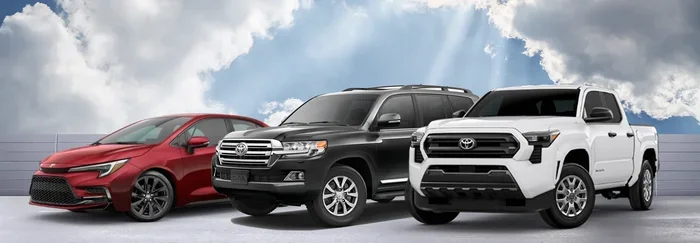
Visual guide about Toyota AWD vehicles lineup
Image source: s3.amazonaws.com
Toyota Corolla AWD
The Corolla is known for being simple, affordable, and reliable. AWD is available on certain trims. This is a smart pick if you want a small car that can handle slick roads. The system is lightweight and works quietly in the background. It does not change the fun, easy driving feel that makes the Corolla so popular.
Toyota Avalon AWD
The Avalon is a larger, more comfortable sedan. It offers AWD on select trims for a smooth and stable ride. If you like a quiet cabin and a planted feel on wet highways, this is a strong choice. The AWD system helps the heavy body feel steady during quick lane changes or sharp turns.
What Toyotas Are All Wheel Drive in the SUV Lineup
SUVs are where Toyota shines with AWD. Many buyers want a higher ride height, more cargo space, and the ability to handle rough weather. Toyota delivers on all three.
Toyota RAV4 AWD
The RAV4 is a top choice for small families and commuters. Most trims offer an AWD system. You can even find hybrid AWD versions that use an electric rear motor for extra traction. This makes the RAV4 a versatile pick for school runs, road trips, and rainy days.
Toyota Highlander AWD
The Highlander is a midsize SUV that seats more people and carries more gear. AWD is available across many trims. It is a great option if you tow a small boat, carry gear for sports, or drive in areas with real winters. The system feels steady and predictable, which helps when the road gets messy.
Toyota 4Runner AWD
The 4Runner is built for adventure. It uses a full-time four-wheel drive system on most models, which is even stronger than basic AWD. This truck-like SUV is ready for dirt roads, steep hills, and deep snow. If you want a rugged vehicle that can do more than just handle rain, the 4Runner stands out.
Toyota Land Cruiser AWD
The Land Cruiser is famous for going anywhere. It uses a strong AWD system with low-range gearing on many models. This makes it a favorite for remote travel and tough terrain. It is not just for off-road fans. The system also gives you a secure feel on loose gravel and slippery slopes.
Toyota Sequoia AWD
The Sequoia is a large, three-row SUV with plenty of room for people and cargo. AWD is available on many trims. It helps the big body feel stable on highways and confident in bad weather. If you need space and want extra traction, the Sequoia is a solid pick.
Which Toyota Trucks Come with All-Wheel Drive
Toyota trucks are known for toughness and useful features. AWD or 4WD options give these trucks extra grip for work and play.
Toyota Tacoma AWD and 4WD
The Tacoma is a midsize truck with strong capability. Many trims offer 4WD, and some use an AWD-style setup for daily driving. If you need a truck that can pull a trailer, carry tools, and handle snowy driveways, the Tacoma is a great fit. You can read more about what does sr5 mean on toyota tacoma to understand common trim names and packages.
Toyota Tundra AWD and 4WD
The Tundra is a full-size truck with serious power. AWD and 4WD options are available on many trims. This helps the big truck launch smoothly from a stop and stay steady when the road is slick. It is also a good choice if you tow often and want more control. If you are curious about hauling limits, check what is the tow capacity of a toyota tundra for the latest numbers.
How Toyota AWD Systems Work
Toyota uses different AWD designs across its lineup. Some systems are always active. Others kick in only when the car senses slip. Here is a simple breakdown.
Full-Time AWD
This system sends power to all four wheels all the time. It is common on trucks and rugged SUVs. It gives you constant traction and a steady feel. You do not need to think about it. It just works.
Part-Time or On-Demand AWD
This system usually runs in front-wheel drive to save fuel. When the car detects slip, it sends power to the rear wheels. This is common on many sedans and crossovers. It is efficient and smart, and it helps when the weather changes fast.
Hybrid AWD
Some hybrid models use an electric motor at the rear axle. This adds traction without a heavy mechanical connection. The result is a light, quick response that helps in snow and rain. It also keeps fuel economy strong.
AWD vs 4WD
AWD is usually automatic and built for pavement and light bad weather. 4WD is more manual and built for serious off-road use. If you mostly drive on roads but want extra grip, AWD is a great fit. If you plan to climb rocks or cross deep mud, look at 4WD. You can learn more about is the toyota sienna all wheel drive to see how minivan traction compares to SUV systems.
Fuel Economy, Towing, and Daily Use
AWD can be very helpful, but it also changes a few things you should know before you buy.
Fuel Economy
AWD adds weight and mechanical parts. That can reduce gas mileage a bit compared with front-wheel drive models. The difference is usually small, but it matters if you drive a lot. Hybrid AWD models can help offset this loss. Always check the EPA ratings for the exact trim you want.
Towing and Hauling
AWD can improve launch traction when towing a small trailer. It also helps on wet boat ramps or snowy job sites. Still, towing capacity depends on the model, engine, and trim. For big towing needs, look at the truck line. You can compare what is the towing capacity for a toyota tacoma with the Tundra numbers to see which truck fits your loads.
Daily Driving
For most people, AWD is about confidence. It helps with rain, slush, and steep driveways. It does not replace good tires. Winter tires still matter a lot in heavy snow. AWD helps you move, but tires help you stop. That is a key point many buyers miss.
How to Choose the Right Toyota AWD Model
Picking the right model is about matching your needs to the vehicle. Use this simple checklist.
Match the Vehicle to Your Life
- Commute and city driving: Consider the Corolla or Camry AWD for easy daily use.
- Small family hauler: The RAV4 AWD gives you space, efficiency, and good grip.
- Larger family or road trips: The Highlander or Sequoia AWD offers more seats and cargo room.
- Work and towing: The Tacoma or Tundra with 4WD or AWD handles heavier tasks.
- Adventure and rough terrain: The 4Runner or Land Cruiser gives you the most capability.
Check the Trim and Options
AWD is not always standard on every trim. Some base models use front-wheel drive only. Read the window sticker or build sheet carefully. Look for AWD badges, option codes, and package names. If you are not sure, ask the dealer to confirm before you sign.
Think About Tires and Climate
Your tires matter just as much as the drivetrain. All-season tires work well for rain and light snow. Winter tires are better for deep cold and heavy snow. If you live in a harsh climate, plan for a tire change in late fall. That simple step makes a huge difference.
Budget for the Full Cost
AWD models can cost a bit more up front. They may also use a little more fuel. Factor in tires, maintenance, and insurance. A smart buyer looks at the total cost, not just the sticker price. That keeps your budget healthy over time.
Common Mistakes When Buying a Toyota AWD
Buying the wrong trim or expecting too much from AWD can lead to disappointment. Here are the most common mistakes and how to avoid them.
Mistake 1: Assuming AWD Is Standard
Many models offer AWD only on certain trims. Do not assume the base model has it. Always verify the drivetrain before you buy.
Mistake 2: Thinking AWD Replaces Winter Tires
AWD helps you go, but tires help you stop and turn. In heavy snow, winter tires are the real game changer. Pair AWD with the right rubber for best results.
Mistake 3: Ignoring Fuel Economy
AWD can reduce efficiency a bit. If you drive long miles every week, check the EPA numbers. A hybrid AWD model may be a better fit for your wallet.
Mistake 4: Overlooking Towing Limits
AWD does not raise towing capacity by itself. The engine, chassis, and package determine the limit. Check the official numbers for your exact model.
Mistake 5: Skipping the Test Drive
AWD feels different on each vehicle. Some systems are smooth and quiet. Others feel more firm and truck-like. Drive on wet or slippery pavement if you can. That tells you more than any spec sheet.
Expert Insights on Toyota AWD Buying
Here are a few practical tips from experienced buyers and dealers.
Tip 1: Build for Your Worst Weather
Buy for the days that matter most. If you face snow or heavy rain often, choose AWD and good tires. That combo gives you the best daily confidence.
Tip 2: Read the Option List Carefully
Packages can be confusing. One trim may include AWD, while another looks similar but does not. Compare the full option lists side by side. That saves time and prevents mistakes.
Tip 3: Ask About the AWD Type
Ask whether the system is full-time or on-demand. This affects feel, fuel use, and maintenance. A quick question now can save confusion later.
Tip 4: Plan for Tire Rotation
AWD vehicles often need careful tire care. Rotate tires on schedule and keep tread depths even. This helps the system work smoothly and last longer.
Tip 5: Compare Total Ownership Costs
Look beyond the purchase price. Think about fuel, tires, insurance, and upkeep. A slightly pricier AWD model may still be a smart value if it fits your life better.
Quick Tips for Toyota AWD Owners
- Use the right tires: Match your tires to your climate and driving habits.
- Keep up with maintenance: Follow the schedule for fluid changes and inspections.
- Watch tire wear: Rotate tires and replace them in pairs or sets as needed.
- Learn your modes: Some models offer drive modes for snow, sport, or eco use.
- Drive smoothly: Gentle acceleration and braking help any AWD system work better.
Key Takeaways
- Toyota offers AWD across many models: Sedans, SUVs, and trucks all have options.
- AWD adds confidence: It helps in rain, snow, and slippery conditions.
- Check the trim: AWD is often tied to specific packages and trim levels.
- Tires still matter: Good rubber is essential for stopping and cornering.
- Fuel and towing vary: Compare EPA ratings and towing limits for your exact model.
- Test drive in real conditions: Feel the system on slick roads before you decide.
Conclusion
If you are wondering what Toyotas are all wheel drive, the answer is simple: Toyota gives you many strong choices across its lineup. You can find AWD on sedans like the Camry and Corolla, on SUVs like the RAV4, Highlander, Sequoia, 4Runner, and Land Cruiser, and on trucks like the Tacoma and Tundra. Each system has its own feel and purpose, so the best pick depends on your daily driving, your climate, and your budget.
AWD is a smart tool for better traction, but it works best when you pair it with the right tires and a sensible driving style. Take your time, compare trims, and test drive the models that fit your life. When you choose well, a Toyota with AWD can give you years of confidence, comfort, and reliable performance.
Frequently Asked Questions
Which Toyota models come with all-wheel drive?
Toyota offers AWD on several models, including the Camry, Corolla, RAV4, Highlander, Sequoia, 4Runner, Land Cruiser, Tacoma, and Tundra. Availability depends on the trim and package, so always check the specific model you want.
Is Toyota AWD worth it for snow and rain?
Yes, AWD can give you better launch traction and more confidence in slick conditions. It helps most when paired with good tires, especially in rain, slush, and light snow.
Does AWD use more fuel than front-wheel drive?
AWD can reduce fuel economy a little because it adds weight and mechanical parts. The difference is usually small, and hybrid AWD models can help reduce the impact.
Can I add AWD to a Toyota that is front-wheel drive only?
No, you cannot convert a front-wheel drive Toyota into an AWD vehicle in a simple way. AWD is built into the model and trim from the factory, so you need to choose an AWD version when buying.
What is the difference between Toyota AWD and 4WD?
AWD is usually automatic and designed for pavement and bad weather. 4WD is more manual and built for serious off-road use, towing, and tough terrain. Your choice depends on how you plan to drive.
Do Toyota AWD vehicles need special maintenance?
They need the same basic maintenance as other cars, plus attention to tires and drivetrain fluids. Rotate tires on schedule, keep tread depths even, and follow the service intervals in your owner’s manual.