
Finding the right minivan matters, and knowing what year Toyota Sienna to avoid can save you from costly repairs. Some model years face transmission quirks, engine concerns, or excessive oil consumption that buyers should watch. This guide breaks down the problematic years, highlights the most reliable models, and shares simple tips for checking a used Sienna. You will learn exactly which model years to skip and which ones offer the best long-term value.
Buying a used minivan takes patience, research, and a clear plan. The Toyota Sienna has long been a top choice for families, carpool drivers, and anyone who needs extra cargo space. It offers a smooth ride, practical seating, and a reputation for lasting many years on the road. Still, not every model year performs the same way. Some years brought design changes, engine updates, or transmission tweaks that created unexpected headaches for owners. That is why it helps to know what year Toyota Sienna to avoid before you sign any paperwork.
You do not need to become a master mechanic to make a smart purchase. You just need to understand the common trouble spots, recognize the signs of poor maintenance, and focus on the model years with the strongest track record. In this guide, we will walk through the years that raise red flags, the years that tend to run longer with fewer repairs, and the simple checks that can protect your budget. We will also look at engine behavior, transmission performance, interior wear, and the small details that often get missed during a quick test drive.
If you are shopping for a family hauler, a reliable daily driver, or a second vehicle for school runs and road trips, the Sienna can be a strong pick. The key is choosing the right generation and the right individual vehicle. Let’s dig into the details so you can buy with confidence.
Key Takeaways
- Avoid early V6 generations: The 2004 to 2007 Sienna models often show higher repair rates and transmission wear.
- Watch for oil consumption: Certain 2011 to 2014 V6 engines may burn oil faster than expected.
- 2016 and newer models improve reliability: Updated engines, better transmissions, and refined electronics reduce common issues.
- Check maintenance history first: A well-documented service record matters more than the model year alone.
- Inspect the hybrid system carefully: Hybrid Sienna models need specialized checks for battery health and power control.
- Test drive and scan for codes: A full diagnostic scan reveals hidden warning lights before you buy.
- Focus on real-world ownership costs: Repair frequency, part prices, and fuel economy shape the true value of any used Sienna.
📑 Table of Contents
- What Year Toyota Sienna To Avoid Based on Common Problems
- Model Years With the Most Reliability Concerns
- Which Toyota Sienna Model Years Are the Most Reliable
- Engine and Transmission Issues to Watch For
- Interior, Electronics, and Everyday Use Concerns
- How to Inspect a Used Toyota Sienna Before Buying
- Final Thoughts on Choosing the Right Sienna
What Year Toyota Sienna To Avoid Based on Common Problems
When shoppers ask what year Toyota Sienna to avoid, they usually want a simple answer. The truth is a bit more nuanced. Certain model years tend to show recurring issues that can lead to higher repair bills or more frequent shop visits. These problems do not appear in every vehicle, but they show up often enough to deserve careful attention.
One of the biggest concerns involves the transmission behavior in some earlier V6 models. Drivers sometimes report rough shifting, hesitation during acceleration, or a sense that the transmission is working harder than it should. These symptoms can stem from worn internal parts, old fluid, or electronic sensor issues. In used minivans, neglected transmission service can make a otherwise decent model year feel unreliable.
Another issue that appears in some model years is excessive oil consumption. This problem does not affect every engine, but it has been noted in certain V6 engines from the 2011 to 2014 period. Owners may notice the oil level dropping faster than expected, which can lead to extra maintenance and closer monitoring. If you are considering one of these model years, it is smart to check oil change records and ask whether the previous owner monitored oil levels regularly.
Electrical gremlins can also show up in older Sienna models. A faulty sensor, a weak battery, or a glitchy interior display may seem minor at first, but these small issues can snowball into bigger repair costs. In some cases, warning lights appear without a clear cause, which makes it harder to judge the true condition of the vehicle. A full diagnostic scan helps reduce that uncertainty.
Why some model years raise more red flags
Model years often reflect mid-cycle changes, supplier adjustments, or engineering refinements. When a vehicle moves through a redesign or a major update, the first production runs can reveal teething problems. That does not mean every vehicle from that year is flawed. It simply means the risk of recurring issues can be higher, especially if the manufacturer later made adjustments.
For the Sienna, the concern usually centers on how different components work together over time. A powertrain may perform well during the first few years, then show wear patterns as mileage climbs. Interior materials can also age differently depending on the model year and production batch. This is why a model year guide is helpful, but it should never replace a personal inspection.
Quick signs that a Sienna may need extra attention
- Delayed or rough shifting during normal city driving
- Oil spots under the vehicle or frequent top-offs between oil changes
- Unusual engine noise that changes with speed or load
- Dashboard warning lights that appear and disappear without explanation
- Uneven tire wear that may point to alignment or suspension issues
- Musty odors or water stains that suggest leaks or poor interior care
Model Years With the Most Reliability Concerns
If you are trying to narrow down what year Toyota Sienna to avoid, it helps to look at the generations and the known problem areas. The older V6 models from the mid-2000s often appear on watch lists because of higher repair frequency and aging drivetrain parts. These vehicles can still be solid buys when they have been maintained well, but they usually require more careful inspection.
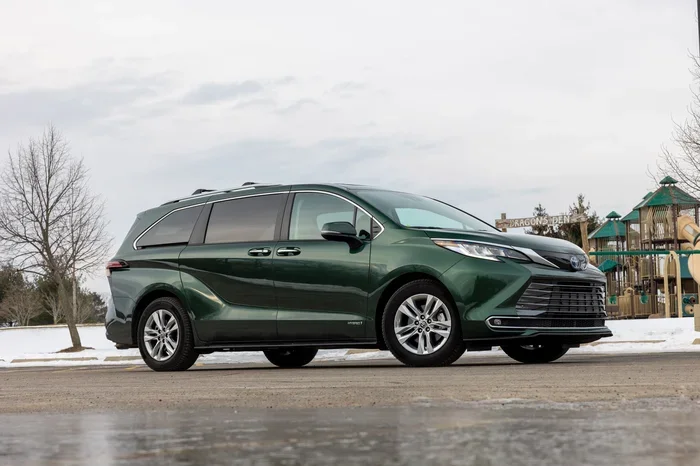
Visual guide about Toyota Sienna minivan exterior
Image source: hips.hearstapps.com
The 2004 to 2007 Sienna models are often mentioned in conversations about reliability concerns. Some owners report transmission wear, suspension wear, and general aging-related repairs as mileage increases. Since these vehicles are now older, the main issue is often not the original design alone. It is also the cumulative effect of use, maintenance, and parts replacement over time. A high-mileage example with incomplete service history can be a riskier purchase.
The 2011 to 2014 period also deserves extra attention. During this time, some V6 engines developed a reputation for oil consumption concerns. Again, not every vehicle experiences this problem, but it is common enough that buyers should check for signs of oil use and ask about engine maintenance. It is also wise to look for recall information and service bulletins that may apply to the specific vehicle.
What to look for in older model years
When considering an older Sienna, focus on the parts that take the most stress. The transmission, engine seals, suspension components, and brake system all tell a story about how the vehicle was treated. A well-cared-for older minivan can still be a smart buy, especially if major services were completed on time. On the other hand, a neglected example from a otherwise decent model year can become a money pit.
It is also helpful to compare the vehicle against other used minivans in the same price range. Sometimes a slightly newer Sienna with higher mileage offers better long-term value than an older example with lower miles but uncertain maintenance. The goal is not just to find the lowest price. The goal is to find the most predictable ownership experience.
Which Toyota Sienna Model Years Are the Most Reliable
After discussing what year Toyota Sienna to avoid, it is just as important to highlight the stronger options. The later model years generally show better consistency, smoother powertrain behavior, and fewer widespread complaints. Many buyers find that 2016 and newer Sienna models offer a more reassuring ownership experience, especially when they come with complete service records.
One reason for the improvement is that Toyota refined many components over time. Engine performance became more polished, transmission behavior improved, and interior materials often held up better in daily use. The available features also became more practical for families, which makes these later models appealing for long-term use.
The hybrid version of the Sienna brought another option for buyers who want better fuel economy and a different driving feel. Hybrid models can be excellent choices, but they also require a different inspection approach. Battery health, hybrid system operation, and cooling performance should all be reviewed before purchase. If you are comparing a hybrid Sienna to a traditional V6 model, it helps to think about your driving habits and how you plan to use the vehicle.
Why newer model years often make sense
Newer Sienna models usually benefit from updated engineering and better build consistency. They also tend to include modern safety and convenience features that make everyday driving easier. For families, that can mean better rear-seat comfort, easier cargo access, and more helpful driver aids. If you want a minivan that feels current and dependable, the later years often stand out.
That said, newer does not automatically mean perfect. A well-maintained 2014 model with documented care may outperform a rushed purchase of a newer vehicle that was driven hard. The best choice depends on the specific car in front of you, not just the badge on the trunk.
Engine and Transmission Issues to Watch For
The powertrain is the heart of any minivan, and it plays a major role in the answer to what year Toyota Sienna to avoid. Most Sienna models use a V6 engine paired with a transmission designed for smooth family driving. In general, this combination is known for being practical and durable. However, certain model years and individual vehicles can develop issues that deserve attention.
One thing to watch is transmission behavior. A healthy transmission should shift smoothly and predictably. If you notice hard shifts, slipping, hesitation, or unusual noise during acceleration, that may point to wear or a service issue. Fluid condition matters too. Old or degraded fluid can affect performance, especially in higher-mileage vehicles.
Engine concerns can include oil consumption, coolant leaks, or rough idling. These problems are not universal, but they can appear in specific examples. A careful inspection should include checking for leaks, verifying oil levels, and looking at recent service records. If the seller cannot provide clear maintenance details, that is a warning sign worth taking seriously.
Simple powertrain checks before you buy
- Cold-start the engine and listen for unusual knocking or rattling
- Watch the tachometer during acceleration for erratic behavior
- Check transmission fluid condition if the vehicle allows access
- Look under the car for fresh leaks or dried fluid traces
- Test acceleration from a stop and during highway merging
- Ask for service records related to engine and transmission maintenance
Interior, Electronics, and Everyday Use Concerns
A minivan is meant to make daily life easier, so comfort and usability matter just as much as mechanical condition. When deciding what year Toyota Sienna to avoid, you should also think about the interior experience. Some older models may show wear in high-touch areas, while others may have electronics that feel less polished than expected.
Seat adjustments, sliding doors, power liftgate operation, and cabin storage all affect how enjoyable the vehicle is to use. If a sliding door feels slow, binds, or makes unusual sounds, the mechanism may need service. If the infotainment system freezes or responds slowly, that can be a nuisance on long trips. These issues may not be deal-breakers, but they can indicate how well the vehicle was cared for.
Climate control is another area worth checking. A weak heater, inconsistent air conditioning, or strange airflow can point to blocked filters, failing components, or neglected maintenance. Since families often rely on the cabin climate system, it is worth testing every fan speed and temperature setting before purchasing.
Comfort and convenience checklist
- Test every seat adjustment and check for smooth movement
- Open and close all doors including sliding and rear doors
- Try the liftgate and listen for unusual motor noise
- Check seat belts, latches, and anchors for proper function
- Test the audio system, screens, and controls if equipped
- Inspect carpets and upholstery for stains, tears, or odor
How to Inspect a Used Toyota Sienna Before Buying
Even if you know what year Toyota Sienna to avoid, the final decision should always come down to the actual vehicle you are considering. Two minivans from the same model year can have very different conditions depending on ownership, maintenance, and driving habits. A structured inspection helps you look past the model year and focus on the real condition of the car.
Start with the paperwork. A clean title, consistent registration, and a stack of service records can tell you a lot. If the vehicle has missing records, that does not automatically mean it is a bad buy, but it does mean you should be more cautious. Ask for oil change history, brake service details, tire replacements, and any major repairs. A seller who can show regular care is usually a better bet than one who cannot.
Next, perform a thorough visual inspection. Look for rust, dents, mismatched paint, and signs of accident repair. Check the tires for uneven wear and age cracking. Examine the brakes for thinning pads or warped rotors. Open the hood and look for cracked hoses, loose clamps, or obvious leaks. These small details often reveal whether the vehicle was maintained with care.
A test drive should go beyond a short neighborhood loop. Drive in stop-and-go traffic, merge onto a faster road, and listen for odd sounds. Pay attention to braking feel, steering response, and how the transmission behaves under load. If something feels off, do not ignore it just because the exterior looks clean. Trust the full experience of the drive.
Smart questions to ask the seller
- How long have you owned the vehicle?
- What regular maintenance has been done?
- Have any warning lights appeared recently?
- Were there any major repairs or part replacements?
- Do you have records for tires, brakes, and fluid changes?
- Why are you selling the minivan?
Final Thoughts on Choosing the Right Sienna
If you are still trying to decide what year Toyota Sienna to avoid, the safest approach is to focus on both the model year and the individual vehicle history. Earlier V6 models and certain mid-2010s examples can require more careful evaluation because of transmission behavior, oil consumption, or age-related wear. At the same time, later model years generally offer a more dependable experience for buyers who want fewer surprises.
The best purchase is not always the newest one. It is the one that has been cared for consistently, driven sensibly, and inspected thoroughly before sale. A used Sienna with solid records, clean diagnostics, and a smooth test drive can be a wonderful family vehicle, even if it is not the most recent model year. On the other hand, a shiny example with hidden issues can create frustration quickly.
Take your time, compare a few options, and do not rush into a purchase just because the price looks good. When you focus on reliability, maintenance history, and real-world condition, you give yourself a much better chance of bringing home a minivan that serves your family well for years to come.
Frequently Asked Questions
What year Toyota Sienna should I avoid most?
Many buyers pay close attention to the 2004 to 2007 models and some 2011 to 2014 examples because they can show more frequent transmission or oil consumption concerns. That does not mean every vehicle from those years is unreliable, but they usually deserve extra inspection and service records.
Are Toyota Sienna models from 2016 and newer more reliable?
In general, 2016 and newer Sienna models are often considered stronger choices because of improved refinement and better overall consistency. They still need a proper inspection, but they tend to be more reassuring for used buyers looking for predictable daily driving.
Do Toyota Sienna hybrid models have special issues?
Hybrid Sienna models can be excellent, but they require attention to battery health, hybrid system operation, and cooling performance. A qualified inspection is especially helpful because hybrid components are more complex than those in a standard gasoline minivan.
What is the biggest warning sign when buying a used Sienna?
The biggest warning sign is usually a lack of maintenance history combined with active warning lights or unusual driving behavior. A vehicle that shifts poorly, burns oil, or has unexplained dashboard alerts should be examined carefully before you buy.
How can I check if a Sienna transmission is healthy?
You can start by testing acceleration, listening for rough shifts, and checking whether the transmission responds smoothly during stop-and-go driving. It also helps to review service records and have a mechanic perform a diagnostic scan if anything feels uncertain.
Is mileage more important than model year on a Toyota Sienna?
Both matter, but maintenance history often matters even more. A higher-mileage Sienna with regular service can be a better buy than a lower-mileage example that was neglected or driven hard.