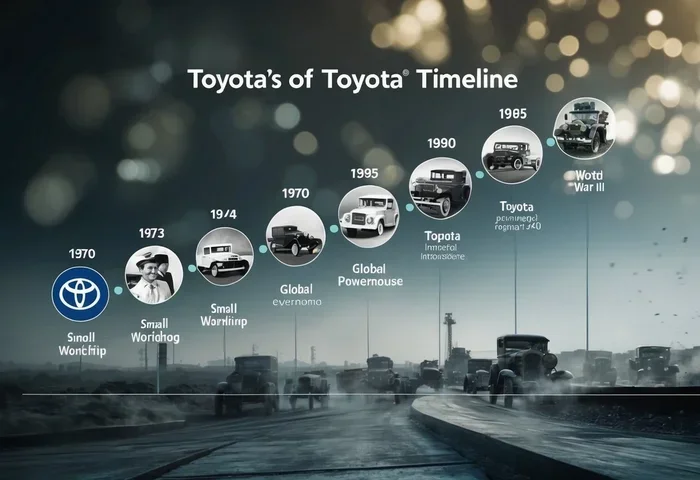

Toyota started as a loom manufacturing company in Japan before becoming the world’s largest automaker. The brand’s journey began in Toyota’s early days with a focus on quality and innovation. Understanding where Toyota came from helps explain its reputation for reliability and engineering excellence.
Many car enthusiasts ask where did Toyota come from when they see these reliable vehicles on every street. The story behind this Japanese giant is fascinating and full of hard work. Toyota did not start as a car company at all. It began with machines that wove cloth.
The journey from looms to cars shows incredible vision. Kiichiro Toyoda saw opportunities where others saw limits. His family business already had strong engineering skills. Those skills transferred perfectly to automobile manufacturing. This transition changed the automotive world forever.
Today, Toyota stands as a global leader. Millions of drivers trust these vehicles daily. The brand’s history explains its reputation for durability. Learning about Toyota’s roots helps buyers appreciate what they own. It also shows how innovation builds lasting companies.
Key Takeaways
- Toyota’s Origins: The company began as Toyoda Automatic Loom Works in 1933, founded by Kiichiro Toyoda.
- Name Change: The brand shifted from Toyoda to Toyota in 1937 for branding and spiritual reasons.
- First Vehicle: The Model AA sedan launched in 1936 marked Toyota’s entry into the automobile market.
- Post-War Growth: Toyota rebuilt after WWII and expanded globally with models like the Corolla.
- Global Strategy: The company focused on lean manufacturing and efficiency to dominate the global market.
- Innovation Leader: Toyota pioneered hybrid technology with the Prius and continues leading EV development.
- Family Legacy: The Toyoda family’s commitment to craftsmanship shaped the company’s enduring values.
📑 Table of Contents
The Early Days of Toyoda Automatic Loom Works
Before cars, there were looms. The Toyoda family built automatic loom machines for textile factories. This business thrived in early twentieth century Japan. Kiichiro Toyoda took over his father’s company with fresh ideas. He wanted to explore new manufacturing possibilities.
The loom business taught valuable lessons. Workers learned precision engineering and quality control. These skills became crucial for automobile production later. The company had money, talent, and experience. Kiichiro saw a chance to apply these assets differently.
In 1933, Toyoda Automatic Loom Works started a new automotive department. This move surprised many people. Why switch from looms to cars? Kiichiro believed automobiles represented the future of transportation. He studied European and American car designs carefully.
The team built their first prototype engine quickly. Small experiments led to bigger plans. Workers tested components and improved designs constantly. This hands-on approach became a Toyota tradition. The company valued learning through doing.
Kiichiro Toyoda visited the United States to study auto manufacturing. He observed assembly lines and production methods. These insights shaped Toyota’s future strategies. The founder understood that efficiency mattered as much as quality. This philosophy would define the brand for decades.
Why Toyota Changed Its Name From Toyoda
The name change from Toyoda to Toyota confuses many people. Both names share the same family roots. However, the shift served practical and spiritual purposes. Understanding this change reveals important branding insights.
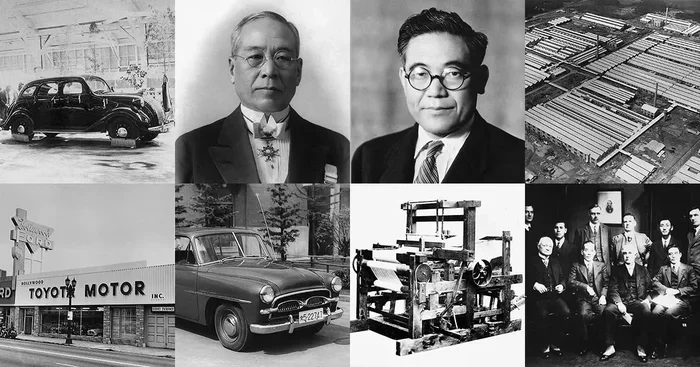
Visual guide about Toyota automotive history images
Image source: global.toyota
The Toyoda name had seven strokes in Japanese writing. Seven represents death in some cultural beliefs. The company wanted to avoid negative associations. Toyota with eight strokes sounded better and felt luckier. This simple change mattered for marketing and perception.
The new name also sounded sharper and more modern. Toyota rolled off the tongue easily in many languages. International expansion required a name that worked globally. The brand needed to feel accessible to foreign markets. A simpler name helped with this goal.
Some people think the change honored the founder differently. Others believe it created distance from the family business. The truth involves both practical and symbolic reasons. Regardless, the Toyota name became iconic worldwide. It represents quality, reliability, and Japanese engineering excellence.
The 1937 incorporation marked the official birth of Toyota Motor Co. This legal step separated automotive production from loom manufacturing. The company could now focus entirely on vehicles. Resources poured into car development and factory expansion. The name change symbolized a fresh start.
The First Toyota Vehicles and Early Models
Toyota’s first car arrived in 1936. The Model AA sedan was a significant milestone. This vehicle looked similar to contemporary European designs. However, it carried Japanese engineering DNA. The Model AA proved Toyota could build automobiles successfully.
The Model AA used a straight-six engine. This engine produced reasonable power for its time. The car targeted the upper-middle class market. Wealthy Japanese buyers appreciated the quality and style. Sales remained modest but steady during these early years.
World War II interrupted Toyota’s growth dramatically. The company shifted to military truck production. Civilian car manufacturing nearly stopped completely. Resources went toward supporting the war effort. This period tested the company’s resilience and adaptability.
After the war, Toyota faced huge challenges. Japan’s economy struggled to recover. Raw materials were scarce and expensive. Yet the company persisted with determination. Kiichiro Toyoda died in 1952, but his vision lived on. The team continued building vehicles despite difficulties.
The Toyota Crown launched in 1955 as a landmark model. This car represented post-war recovery and ambition. It became one of Japan’s best-selling vehicles. The Crown established Toyota’s reputation for comfort and reliability. Many people consider this the true start of Toyota’s success.
Other important early models followed quickly. The Toyota Corolla arrived in 1966 and changed everything. This compact car appealed to everyday buyers worldwide. Its affordability and practicality made it incredibly popular. The Corolla became the best-selling car in history.
Toyota’s Global Expansion and Growth Strategy
Toyota did not stay in Japan forever. The company looked outward for growth opportunities. International markets offered huge potential for expansion. Toyota carefully planned its global strategy over many years. This patience paid off tremendously.
The United States became a key target market. American drivers wanted affordable, reliable cars. Toyota offered exactly what this market needed. The company imported vehicles and learned local preferences. Gradual expansion avoided overwhelming the organization.
Manufacturing plants opened in various countries. Local production reduced shipping costs and delays. Customers received vehicles faster and cheaper. This approach also helped Toyota understand regional needs. Different markets required different vehicle features and styles.
Toyota focused heavily on quality control methods. The company developed unique manufacturing philosophies. Just-in-time production reduced waste significantly. Kaizen encouraged continuous improvement from all workers. These methods became industry standards worldwide.
Competitors noticed Toyota’s growing success. American and European brands had to adapt. Toyota proved that Japanese cars could compete globally. The company earned respect through consistent performance. Reliability became Toyota’s strongest selling point.
The oil crises of the 1970s helped Toyota significantly. Gas prices spiked and buyers wanted efficient cars. Toyota’s smaller, fuel-efficient vehicles shined during this period. American drivers switched to Japanese imports in large numbers. This shift permanently changed the automotive landscape.
Toyota expanded its lineup to serve diverse needs. Trucks, SUVs, sedans, and hybrids all found audiences. The company did not rely on single models. Diversification protected Toyota from market fluctuations. This strategy strengthened the brand’s global position.
Innovation and Technology in Toyota History
Toyota never stopped innovating throughout its history. The company invested heavily in research and development. New technologies improved safety, efficiency, and performance. Customers benefited from these continuous advancements. Toyota’s engineering culture valued progress constantly.
Hybrid technology became a major Toyota achievement. The Prius launched in 1997 as the first mass-market hybrid. This vehicle proved electric assist systems worked well. Other manufacturers followed Toyota’s lead eventually. The Prius established Toyota as an environmental leader.
Toyota developed advanced safety features over time. Anti-lock brakes, airbags, and stability control became standard. The company prioritized occupant protection in all designs. Safety innovations saved lives and built trust. Buyers felt confident choosing Toyota vehicles.
The company explored various powertrain options. Diesel, gasoline, hybrid, and hydrogen technologies all received attention. Toyota avoided putting all resources in one basket. This diversified approach reduced risk and increased options. Customers could choose what fit their needs best.
Recent years brought electric vehicle development. Toyota responded to the global shift toward electrification. New battery technologies and EV platforms emerged. The company balanced tradition with innovation carefully. This balance defines Toyota’s modern identity.
Advanced manufacturing techniques improved production quality. Robots and automation enhanced precision and consistency. Human workers still played crucial roles in oversight. The combination of technology and craftsmanship remained central. Toyota’s factories became models of efficiency worldwide.
Toyota’s Reputation for Reliability and Quality
People trust Toyota vehicles for good reasons. The company built its reputation on consistency. Cars start reliably and run for years without major issues. This dependability matters to everyday drivers. Toyota earned loyalty through proven performance.
Quality control processes catch problems early. Inspections happen at multiple production stages. Defects get addressed before vehicles leave factories. This attention to detail reduces warranty claims. Customers experience fewer surprises with Toyota products.
Long-term durability sets Toyota apart from many competitors. Engines and transmissions often last hundreds of thousands of miles. Regular maintenance keeps these vehicles running well. Many Toyota cars reach impressive ages and mileages. This longevity reduces total ownership costs.
The company maintains strong parts availability worldwide. Older Toyota models remain supported for decades. Owners can find replacement components easily. This support extends vehicle lifespans significantly. It also helps resale values stay strong.
Mechanics appreciate working on Toyota vehicles. Standardized designs and available documentation simplify repairs. Repair costs tend to be reasonable compared to luxury brands. This accessibility makes Toyota practical for average families. Ownership remains affordable over time.
Toyota’s reliability reputation attracts new buyers consistently. Word of mouth spreads through communities quickly. Friends recommend Toyota to friends frequently. This organic marketing proves powerful and genuine. The brand benefits from decades of trust building.
Key Takeaways
Toyota’s journey from a loom factory to a global automaker inspires many entrepreneurs. The company’s focus on quality, efficiency, and continuous improvement created lasting success. Understanding where Toyota came from explains why these vehicles perform so well today. The brand carries decades of engineering wisdom in every car.
Future buyers should appreciate this rich history. Toyota’s commitment to reliability continues in modern models. The company adapts to new technologies while maintaining core values. This balance ensures Toyota remains relevant for generations. The story of Toyota proves that patience and quality triumph over shortcuts.
Frequently Asked Questions
Where did Toyota originally come from?
Toyota originated in Japan as Toyoda Automatic Loom Works, a textile machinery company founded by the Toyoda family. Kiichiro Toyoda started the automotive division in 1933, and the company officially became Toyota Motor Co. in 1937. The brand’s roots are deeply connected to Japanese manufacturing traditions and family entrepreneurship.
What was Toyota’s first car model?
The Model AA, launched in 1936, was Toyota’s first production automobile. This sedan featured a straight-six engine and targeted affluent Japanese buyers. Though sales were modest, the Model AA proved Toyota could manufacture cars competently. It paved the way for future successful models like the Crown and Corolla.
Why did Toyota change its name from Toyoda?
The company changed from Toyoda to Toyota in 1937 for several reasons. The Toyoda name had seven Japanese strokes, which some associated with bad luck. Toyota with eight strokes sounded luckier and more modern. The simpler name also worked better for international branding and marketing efforts.
How did Toyota become so successful globally?
Toyota achieved global success through quality focus, efficient manufacturing, and strategic market expansion. The company introduced lean production methods like just-in-time and kaizen. Fuel-efficient vehicles gained popularity during oil crises. Gradual international growth and local manufacturing helped Toyota build strong worldwide presence and customer trust.
What makes Toyota vehicles so reliable?
Toyota’s reliability stems from rigorous quality control, proven engineering designs, and continuous improvement culture. The company tests components thoroughly and catches defects early. Engines and transmissions are designed for longevity. Parts availability and reasonable repair costs also contribute to Toyota’s dependable reputation among drivers worldwide.
What is Toyota known for today?
Toyota is known for producing reliable, affordable vehicles with strong resale values. The brand pioneered hybrid technology with the Prius and continues advancing electrification. Toyota’s manufacturing innovations like lean production influenced the entire auto industry. The company maintains a reputation for practicality, durability, and customer satisfaction across diverse vehicle lineups.