
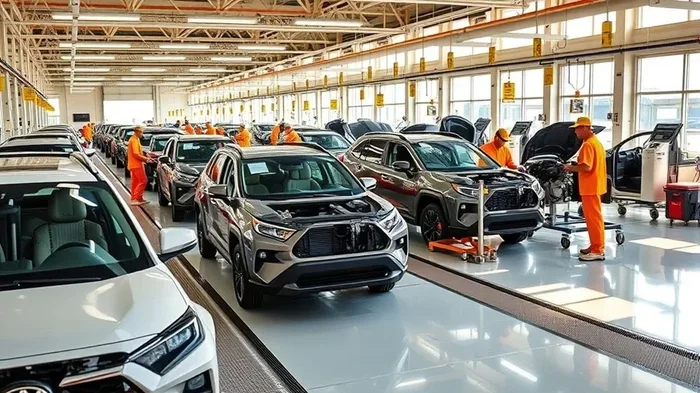
The Toyota RAV4 Hybrid is manufactured in multiple countries, including Japan and North America. Major production happens at plants in Kentucky, Canada, and Japan. Knowing where your car is made helps you understand its build quality and supply chain. This guide breaks down every factory location clearly.
Cars have become a huge part of daily life. People rely on them for work, school, and weekend trips. When you shop for a new vehicle, you want to know everything about it. You care about safety, fuel economy, and reliability. You also wonder about the factory where it was built. Many buyers ask where is Toyota RAV4 Hybrid manufactured before they sign the papers. This question matters because the build location can affect shipping costs, parts availability, and even your peace of mind.
Toyota has grown into a global giant. The company runs factories on nearly every continent. This wide network helps them serve customers faster. It also lets them adjust to changing market needs. The RAV4 Hybrid is one of their most popular models. It combines a rugged SUV shape with excellent gas mileage. Families love it for its space and comfort. Adventure seekers like it for its all-wheel drive options. Knowing the production story adds depth to your purchase.
In this guide, we will explore every major factory involved. We will look at the roles each plant plays. We will also discuss how parts travel across borders. You will learn how to check your own vehicle details. By the end, you will feel confident about the origins of this amazing SUV. Let us dive into the facts.
Key Takeaways
- Global Production: The RAV4 Hybrid is built in Japan, the United States, and Canada.
- Kentucky Plant: Toyota Motor Manufacturing Kentucky plays a huge role in North American supply.
- Japanese Roots: Some models still roll off the line in Japan for specific markets.
- Hybrid Systems: The hybrid battery and powertrain components come from specialized facilities.
- Quality Control: Each factory follows strict Toyota safety and quality standards.
- Market Demand: Production locations shift based on regional sales and logistics.
- Research Matters: Checking the VIN helps you confirm the exact origin of your vehicle.
📑 Table of Contents
- Where Is Toyota RAV4 Hybrid Manufactured Globally
- Toyota Motor Manufacturing Kentucky
- Toyota Canada Production Facility
- Japanese Manufacturing Origins
- Hybrid Battery and Component Sourcing
- How to Check Your RAV4 Hybrid Production Location
- Why Manufacturing Location Matters to Buyers
- Final Thoughts on Toyota RAV4 Hybrid Production
Where Is Toyota RAV4 Hybrid Manufactured Globally
The short answer is that production happens in several key locations. Toyota does not rely on a single factory for this model. Instead, they spread the work across different regions. This strategy reduces risk and improves efficiency. If one plant faces delays, others can keep the supply moving. It also brings the car closer to the buyers in each market.
The main production hubs sit in North America and Asia. Each facility has a specific focus. Some build the standard gas version. Others specialize in the hybrid powertrain. This division of labor keeps the process smooth. Workers at each site receive training for their specific tasks. Quality checks happen at every stage of the line.
Many buyers also wonder about the broader brand behind the car. You might ask is Toyota a good car brand overall. The answer usually depends on the model and the factory standards. Toyota has built a strong reputation over decades. They focus on durability and customer satisfaction. This reputation extends to their hybrid lineup as well.
Toyota Motor Manufacturing Kentucky
One of the most important sites for the RAV4 is in the United States. The Kentucky plant has been a cornerstone of Toyota operations for years. It sits in Georgetown, Kentucky. This facility handles a massive volume of vehicles every year. It serves the North American market with speed and precision.
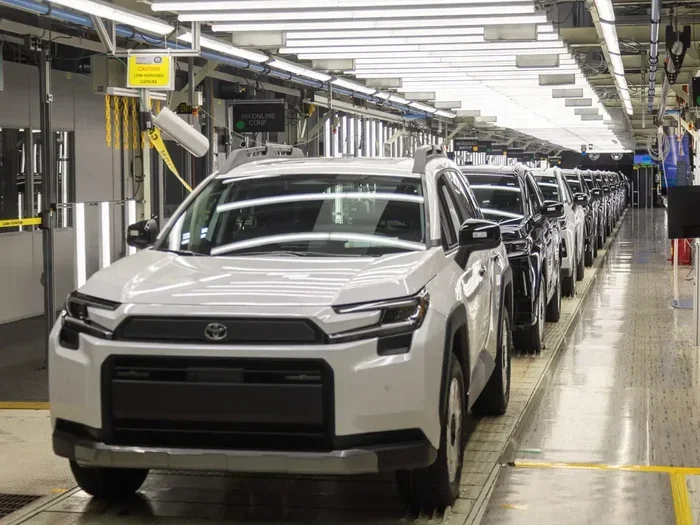
Visual guide about Toyota RAV4 hybrid assembly line
Image source: smartcdn.gprod.postmedia.digital
The Kentucky factory builds both gas and hybrid versions. Workers assemble the chassis, install the engine, and fit the interior components. The plant uses advanced robotics alongside skilled human labor. This mix helps maintain consistency. It also allows for quick adjustments when design updates arrive. The team takes pride in their output. They follow strict guidelines to ensure every car meets expectations.
If you drive a North American spec RAV4 Hybrid, chances are high that it came from this facility. The plant also produces other popular models. This variety shows the flexibility of the assembly line. Workers rotate through different stations to keep the flow steady. The result is a reliable vehicle that hits the road ready for action.
People often compare the RAV4 to other Toyota SUVs. You might wonder is Toyota Rav4 an Suv in the traditional sense. The answer is yes. It offers the height, cargo space, and ground clearance that define the segment. The Kentucky plant knows how to build these features to perfection. They test the suspension and body structure rigorously. This attention to detail supports the vehicle’s rugged image.
Hybrid Powertrain Assembly
The hybrid system requires extra care during assembly. The battery pack, electric motor, and power control unit must fit together perfectly. Technicians at the Kentucky plant receive specialized training for these parts. They inspect each connection for tightness and alignment. Even a small error can affect performance. The team uses diagnostic tools to verify every system before the car leaves the line.
This focus on the hybrid components sets the RAV4 Hybrid apart. Buyers want a smooth transition between gas and electric power. The factory ensures that the handover feels seamless. You get instant torque when you press the pedal. You also save fuel during city driving. The assembly process supports these driving benefits directly.
Toyota Canada Production Facility
Another key location sits just north of the United States border. Toyota operates a major plant in Canada. This facility contributes significantly to the RAV4 lineup. It serves Canadian buyers and sends units to other regions as needed. The Canadian plant follows the same high standards as its American sibling.
The Canadian factory benefits from a skilled workforce. Many employees have years of experience with Toyota vehicles. They understand the nuances of the hybrid system. This experience leads to fewer mistakes and faster build times. The plant also uses modern logistics to manage parts delivery. Trucks and trains bring components from nearby suppliers. This local network reduces shipping delays.
Weather can be a challenge in this region. The team adapts to cold temperatures and snow. They protect the assembly line from moisture and debris. These precautions keep the quality high year-round. Buyers can feel confident that their car was built in a controlled environment. The Canadian plant proves that location does not limit excellence.
Regional Market Focus
Each factory often targets specific markets. The Canadian plant may prioritize trims that sell well in colder climates. These trims might include enhanced heating systems or all-wheel drive packages. The team adjusts the build mix based on sales data. This flexibility helps Toyota meet local demand without overstocking. It also keeps inventory costs low.
Customers in different regions notice these tailored choices. A buyer in Vancouver might get a slightly different configuration than someone in Texas. Both cars share the same core technology. The differences lie in the optional features and packaging. This approach makes the RAV4 Hybrid feel personal to each owner.
Japanese Manufacturing Origins
Japan remains the heart of Toyota operations. The company started there, and many flagship models still come from Japanese factories. The RAV4 Hybrid is no exception. Some units are built in Japan for domestic sales and export. These vehicles often carry the same quality badges as their North American counterparts.
Japanese plants are known for their precision. Workers follow meticulous procedures during assembly. They focus on fit, finish, and long-term durability. The culture of continuous improvement drives every shift. Teams look for small ways to save time and reduce waste. This mindset has made Toyota a leader in the industry.
When you ask where is Toyota RAV4 Hybrid manufactured, Japan is always part of the answer. The country hosts several Toyota plants. Each one specializes in different vehicle types. The RAV4 line fits into this network seamlessly. Parts from various suppliers arrive at the factory gates. The assembly team integrates them into the final product.
Some buyers care about the country of origin for personal reasons. They may prefer a Japanese-built car for its reputation. Others want a North American model for easier service access. Both options offer strong performance. The choice often comes down to availability and price. Toyota ensures that both production sources meet the same high standards.
Toyota Brand Heritage
Understanding the brand helps you appreciate the manufacturing process. You might explore what is the logo for Toyota to see the history behind the name. The logo represents speed, reliability, and global reach. It reflects the company’s journey from a small loom works to an automotive powerhouse. This heritage influences how they build cars today.
The company also values customer support. If you ever need help, you can look up what is the Toyota customer service number for assistance. Good support matters because cars need maintenance over time. Toyota maintains a wide network of dealers and service centers. This network backs up the manufacturing quality with ongoing care.
Hybrid Battery and Component Sourcing
The hybrid system relies on more than just the assembly line. It depends on a complex supply chain. Battery cells, electric motors, and power electronics come from specialized suppliers. These parts travel to the main factory for installation. The logistics team coordinates every shipment carefully. Delays in one area can affect the whole production schedule.
Battery production is a critical piece of the puzzle. Toyota works with trusted partners to create high-quality cells. These cells store energy efficiently and last for many years. The factory tests each pack before installation. They check voltage, capacity, and temperature response. This testing ensures that the hybrid system performs reliably in real-world conditions.
Other components also matter. The engine, transmission, and suspension parts all come from different sources. Some are made in-house. Others come from external vendors. Toyota manages these relationships closely. They audit suppliers regularly to maintain quality. This oversight protects the final product from defects.
Buyers often compare the RAV4 Hybrid to other Toyota models. You might check what is the gas mileage on a Toyota Tacoma to see how different vehicles stack up. The RAV4 Hybrid typically offers better fuel economy than many trucks. This advantage comes from the efficient hybrid powertrain. The factory design supports this efficiency from the start.
Quality and Safety Standards
Every factory follows strict safety protocols. Workers wear protective gear and follow clear procedures. Machines have guards and sensors to prevent accidents. The management team reviews safety data regularly. They look for trends and make improvements. This focus keeps the workforce healthy and the production line running smoothly.
Vehicle safety is just as important. The RAV4 Hybrid undergoes rigorous crash testing and durability checks. Engineers analyze the results and make adjustments. They reinforce weak points and upgrade materials when needed. This process happens continuously. It ensures that each new model year meets or exceeds previous standards. Buyers can drive with confidence knowing the car was built with safety in mind.
How to Check Your RAV4 Hybrid Production Location
You can find out where your specific car was made with a few simple steps. The vehicle identification number, or VIN, holds the answer. The first few characters of the VIN indicate the country and plant. You can decode this information using online tools or by asking a dealer. This process takes only a minute.
Here is a quick guide to help you check:
- Find the VIN: Look on the dashboard near the windshield or on the driver’s side door jamb.
- Check the First Character: This letter or number shows the country of origin.
- Use a Decoder: Enter the full VIN into a trusted online decoder tool.
- Contact a Dealer: Ask a Toyota representative to verify the build plant for you.
- Review the Window Sticker: The original Monroney sticker often lists the assembly location.
Knowing the origin can be useful for resale and service. Some owners feel more connected to a car made in their region. Others want to track down specific parts. The VIN gives you a clear path to this information. It also helps you verify that the car matches its listing details.
If you ever need help with your vehicle, you can search for what is the Toyota customer service number to reach support. They can guide you through warranty questions and service needs. Good communication makes ownership easier. It also ensures that any manufacturing concerns get addressed quickly.
Why Manufacturing Location Matters to Buyers
Many shoppers overlook the factory location. They focus on price, color, and features. Yet the build site can influence several factors. Shipping distance affects the final cost of the vehicle. Local production often means lower transport fees. It can also mean faster delivery times for new orders.
Service and parts availability matter too. A car built nearby may have easier access to replacement components. Dealers in the region understand the local build specifications. They can order the right parts without guessing. This convenience saves time and money over the life of the car.
Quality perception also plays a role. Some buyers trust certain factories more than others. They may have heard positive stories or read reviews. Toyota works hard to keep standards consistent across all plants. Still, personal preference drives many decisions. Knowing the facts helps you make an informed choice.
You might also wonder about the broader brand context. Questions like is Toyota Rav4 a reliable car often come up during research. Reliability depends on design, manufacturing, and maintenance. A well-built car from any approved plant can last for years. Regular care keeps it running smoothly. The factory location is just one piece of the reliability puzzle.
Final Thoughts on Toyota RAV4 Hybrid Production
The answer to where is Toyota RAV4 Hybrid manufactured covers multiple countries and plants. Japan, Kentucky, and Canada all play important roles. Each facility brings its own strengths to the process. Together, they create a vehicle that meets global demand. The hybrid system adds efficiency and power to the mix. Buyers get a versatile SUV that fits many lifestyles.
Understanding the production story helps you appreciate the car more. You see the effort behind every bolt and panel. You also gain confidence in your purchase. Whether your RAV4 comes from North America or Japan, it carries Toyota’s commitment to quality. That promise matters more than the factory address.
If you want to explore more about the model, you can read is a Toyota Rav4 a good car to weigh the pros and cons. This research helps you compare trims, features, and ownership costs. You can also check is Toyota Rav4 4 wheel drive options if you need extra traction for rough roads. These details complete the picture of what the RAV4 Hybrid offers.
Take your time when choosing a vehicle. Visit a dealer, test drive a few models, and ask questions. Learn about the factory, the hybrid system, and the warranty coverage. The more you know, the happier you will be with your choice. The RAV4 Hybrid stands ready to serve you on every journey.
Frequently Asked Questions
Where is the Toyota RAV4 Hybrid primarily manufactured?
The Toyota RAV4 Hybrid is primarily manufactured in the United States, Canada, and Japan. Each region has a dedicated factory that handles specific market needs. This global network helps Toyota meet demand quickly.
Can I find out which plant built my RAV4 Hybrid?
Yes, you can check the vehicle identification number to see the exact plant. The first few characters of the VIN reveal the country and assembly location. You can also ask a Toyota dealer for help with decoding.
Does the manufacturing location affect the car’s quality?
Toyota maintains strict quality standards across all its factories. Each plant follows the same core procedures and safety checks. The location does not significantly change the overall build quality.
Are hybrid components made in the same factory as the vehicle?
Some hybrid parts come from specialized suppliers and are shipped to the main assembly plant. The battery pack and electric motor are installed during the final assembly stage. This process ensures everything fits together correctly.
Is the RAV4 Hybrid built differently for cold climates?
Certain trims and features may be adjusted for regional markets, including colder areas. These adjustments can include heating options or all-wheel drive packages. The core hybrid system remains the same across all versions.
Why does Toyota use multiple factories for the same model?
Using multiple factories helps Toyota manage supply chain risks and reduce shipping costs. It also allows them to serve different markets more efficiently. This strategy keeps production steady even when one location faces challenges.