
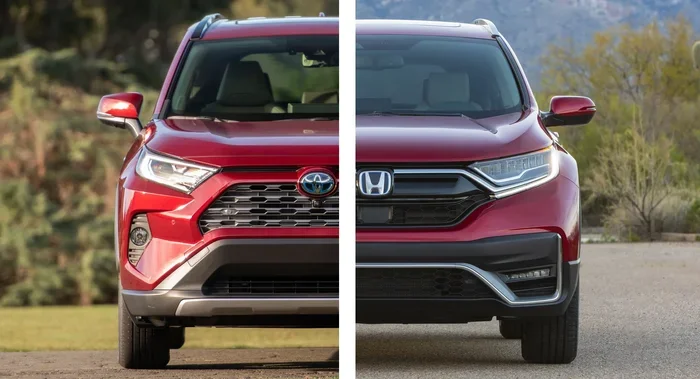
Choosing between Hondas and Toyotas can feel tough because both brands offer reliable cars that last for years. This guide breaks down Honda vs Toyota across price, safety, fuel economy, and ownership costs. You will learn which brand fits your budget and lifestyle best. By the end, you will know which car is better Honda or Toyota for your next purchase.
Picking a new car feels like a big decision. You want something that runs well, saves money, and fits your daily routine. That is why so many shoppers ask which car is better Honda or Toyota. Both brands have earned a strong reputation for building dependable vehicles. They also share similar goals, like offering practical interiors and modern safety tech. Still, the two companies take different paths when it comes to design, pricing, and driving feel.
In this guide, we will walk through the real differences between these two Japanese giants. You will see how they compare in reliability, cost, fuel economy, and everyday comfort. We will also look at popular models, ownership costs, and resale value. By the time you finish reading, you will have a clear answer for Honda vs Toyota that matches your needs. Let us dive in and make your car search easier.
Key Takeaways
- Reliability Matters: Both brands rank high, but Toyota often edges out Honda in long-term durability and lower repair costs.
- Price Differences: Honda models usually cost slightly more upfront, while Toyota offers strong value in compact and midsize segments.
- Fuel Economy: Honda often leads in efficiency, especially with its hybrid Civic and Accord options.
- Safety Features: Both brands provide top safety picks, but Toyota Safety Sense comes standard on most trims.
- Resale Value: Toyota vehicles typically hold their value better, making them smarter used-car buys.
- Driving Feel: Honda delivers a sportier ride, while Toyota focuses on comfort and smooth daily driving.
- Best Pick Depends on You: Your choice should match your budget, driving habits, and must-have features.
📑 Table of Contents
- Reliability and Long-Term Durability
- Price, Value, and Ownership Costs
- Performance, Driving Feel, and Engine Choices
- Fuel Economy and Hybrid Options
- Safety, Technology, and Family-Friendly Features
- Resale Value and Long-Term Ownership
- Common Mistakes to Avoid When Comparing Honda and Toyota
- Expert Insights on Choosing Between Honda and Toyota
- Final Thoughts on Which Car Is Better Honda Or Toyota
Reliability and Long-Term Durability
When buyers compare Honda vs Toyota, reliability usually tops the list. Both brands have spent decades building a reputation for vehicles that keep running with minimal trouble. Toyota often gets the edge in long-term studies because many of its models show fewer major issues as they age. Honda stays close behind with a strong track record, especially in its smaller cars and sedans.
Here is what you should know about durability:
- Engine Longevity: Toyota engines are known for simple, proven designs that handle high mileage well. Honda engines also last long, but some newer turbo models need more careful maintenance.
- Transmission Trust: Traditional automatic transmissions from both brands tend to be solid. Honda has improved its CVT systems over the years, while Toyota continues to use proven gearboxes in many models.
- Build Quality: Interior materials and assembly quality have improved across both lineups. Toyota often focuses on practical durability, while Honda aims for a lighter, more refined feel.
If you plan to keep a car for many years, Toyota may give you a slight peace-of-mind advantage. That said, Honda remains a very safe choice for most buyers. Regular oil changes, timely repairs, and good driving habits matter just as much as the badge on the hood. For a deeper look at long-term dependability, you can also read our guide on which Toyota is the most reliable.
Price, Value, and Ownership Costs
Price plays a huge role in any car decision. Many shoppers want the best mix of upfront cost and long-term value. In the Honda vs Toyota debate, the answer often depends on the specific model and trim you choose. Honda tends to price its vehicles a bit higher in some segments, especially when you add popular tech and safety features. Toyota often offers a more aggressive starting price in compact and midsize categories.
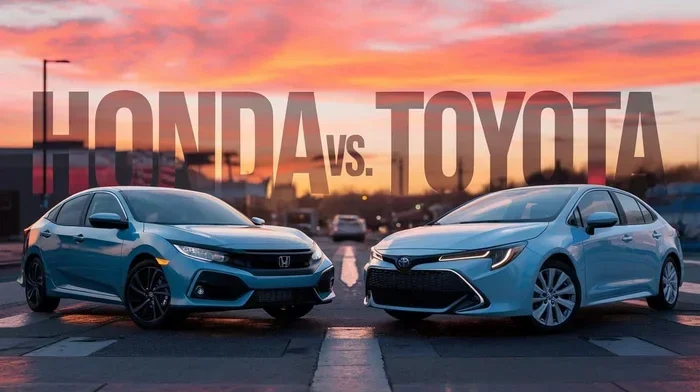
Visual guide about Honda and Toyota cars side by side
Image source: cdn.opplehouse.com
Consider these ownership cost factors:
- Base Price: Toyota usually starts lower in entry-level trims, which helps budget-conscious buyers.
- Trim Options: Honda often bundles features in a way that makes mid-level trims feel like strong value.
- Maintenance Costs: Both brands generally keep repair bills reasonable, though Honda parts can cost slightly more for certain models.
- Insurance Rates: Rates vary by location and driver, but both brands usually fall in a moderate range for family cars.
If you want the lowest total cost of ownership, compare the exact trims you plan to buy. Do not just look at the sticker price. Think about fuel, insurance, scheduled service, and expected repairs. For buyers who want a practical sedan with strong value, it also helps to check is a Toyota Camry a good car before making a final choice.
Performance, Driving Feel, and Engine Choices
Driving feel is where Honda and Toyota start to separate. Honda has a long history of tuning its cars for a more engaging ride. The steering often feels lighter, the suspension feels a bit sharper, and the engines can deliver a sportier response. Toyota usually takes a calmer approach. Its vehicles often feel stable, comfortable, and easy to live with every day.
Here is how the driving experience often compares:
- Acceleration: Honda models often feel peppier in the same class, especially in sedan form.
- Ride Comfort: Toyota typically favors a softer, more relaxed ride that soaks up bumps well.
- Handling: Honda usually offers more lively cornering, while Toyota focuses on steady, predictable control.
- Engine Variety: Both brands offer efficient four-cylinders, but Honda has leaned more into turbo options in some models, while Toyota has pushed hybrid power across many nameplates.
If you enjoy a car that feels a little more fun on twisty roads, Honda may be the better match. If you want a calm commute and a smooth daily drive, Toyota often delivers that in a very satisfying way. Either way, both brands make vehicles that are easy to drive and simple to trust.
Fuel Economy and Hybrid Options
Fuel economy matters more than ever, especially if you drive a lot each week. Both Honda and Toyota offer efficient gasoline engines, and both have expanded their hybrid lineups. Honda often shines in traditional fuel economy, especially with models like the Civic and Accord. Toyota has become a leader in hybrid popularity, with many models offering hybrid powertrains as a core part of the lineup.
Quick fuel-economy points to keep in mind:
- Gas Models: Honda frequently posts strong mileage numbers in compact and midsize cars.
- Hybrid Choices: Toyota offers hybrids across a wide range of vehicles, from small cars to larger SUVs.
- Real-World Driving: Highway mileage can vary based on driving style, terrain, and weather.
- Battery Longevity: Hybrid batteries are designed for long service life, though replacement costs should be part of your long-term planning.
If maximum efficiency is your top goal, compare the hybrid versions side by side. A Toyota hybrid may make more sense if you want a broad selection. A Honda hybrid or efficient gas model may be ideal if you prefer a sportier feel with excellent mileage. For buyers comparing crossover options, it can also help to look at is the Toyota Corolla Cross a good car when judging efficiency and practicality.
Safety, Technology, and Family-Friendly Features
Safety is one of the easiest areas to compare because both brands now pack their cars with helpful driver aids. Toyota Safety Sense appears on many models and includes features like lane support, adaptive cruise control, and automatic emergency braking. Honda also offers a strong safety suite, often with similar core features. The exact availability depends on trim level and model year.
What families and daily drivers usually care about most:
- Standard Safety Tech: Toyota often makes advanced safety features standard on more trims.
- Driver Assistance: Honda provides helpful aids that make highway driving and city traffic less tiring.
- Interior Space: Both brands design cabins with practical storage, comfortable seating, and easy access to controls.
- Infotainment: Screen quality, phone integration, and ease of use can vary by model, so test the system before you buy.
If you want a car that feels modern and safe without forcing you to buy the most expensive trim, Toyota often gives a strong starting point. If you prefer a more driver-focused cabin layout or a sportier interior style, Honda may appeal to you more. Either way, both brands continue to improve their safety and tech offerings year after year.
Resale Value and Long-Term Ownership
Resale value can make a big difference in the true cost of a vehicle. Many buyers do not think about this until they are ready to trade in or sell. Toyota often holds its value very well, especially in popular models that are known for durability. Honda also performs well in resale value, but the exact numbers can vary by model and market demand.
A few resale-value habits that help:
- Keep Service Records: Clean maintenance history matters a lot to used-car buyers.
- Choose Popular Colors and Trims: Common configurations often sell faster and hold value better.
- Avoid Overcustomization: Heavy modifications can reduce appeal for future buyers.
- Monitor Market Trends: Demand for compact cars, hybrids, and family SUVs can shift over time.
If you plan to sell or trade in after several years, Toyota may give you a slight advantage in many cases. Still, the best choice is the model that fits your life now, because a car you enjoy using will always be a better buy than one you simply hope will pay off later.
Common Mistakes to Avoid When Comparing Honda and Toyota
Shoppers sometimes focus too much on brand reputation and not enough on the actual vehicle they want. That can lead to a purchase that feels disappointing later. Here are some common mistakes to watch out for:
- Comparing Different Classes: Do not compare a compact car to a midsize SUV without thinking about space, price, and use case.
- Ignoring Trim Levels: Two cars from the same brand can feel very different depending on features and equipment.
- Skipping the Test Drive: A spec sheet cannot tell you how a car feels on your daily commute.
- Forgetting Total Cost: Look beyond the purchase price and include fuel, insurance, and maintenance.
- Assuming All Hybrids Are Equal: Hybrid systems differ, so compare real-world efficiency and battery warranty details.
Taking your time with the comparison process will help you avoid regret. The best car is the one that matches your routine, budget, and comfort preferences.
Expert Insights on Choosing Between Honda and Toyota
If you ask different drivers which brand they prefer, you will hear strong opinions on both sides. That is because each brand serves a slightly different priority. Honda often appeals to people who want a lively drive, efficient engines, and a refined cabin feel. Toyota often appeals to people who want dependable daily transportation, broad hybrid choices, and strong resale value. Neither approach is wrong. They are just different paths to the same goal: a car that works well for real life.
A smart way to decide is to narrow your list to the exact models you can afford and then compare them directly. Look at seating comfort, cargo space, visibility, and how the infotainment system feels in your hands. Ask yourself whether you care more about efficiency, driving enjoyment, or long-term value. Once you know your top priority, the right brand becomes much easier to spot.
Final Thoughts on Which Car Is Better Honda Or Toyota
So, which car is better Honda or Toyota? The honest answer is that both brands can be excellent choices. Toyota often wins on long-term reliability, resale value, and broad hybrid availability. Honda often wins on driving feel, efficiency in gas models, and a more engaging road presence. The best option depends on the model you choose and how you plan to use it.
If you want a calm, practical car with strong resale appeal, Toyota is a very safe bet. If you want a car that feels a little more spirited and efficient in gasoline form, Honda may suit you better. In either case, test drive the exact model, compare the trims, and think about your total budget. When you make the choice based on your real needs, you will end up with a car you can trust for years to come.
Frequently Asked Questions
Is Honda more reliable than Toyota?
Toyota often ranks slightly higher in long-term reliability studies, but Honda remains very dependable as well. The best choice depends on the model, trim, and how well the car is maintained over time.
Which brand has better fuel economy, Honda or Toyota?
Honda often posts strong fuel economy in gas-powered compact and midsize cars. Toyota usually offers a wider range of hybrid options, which can be a better pick if maximum efficiency is your top goal.
Do Toyota and Honda cars cost about the same?
They can be close, but pricing varies by model and trim. Toyota often starts a bit lower in some segments, while Honda may feel like better value in mid-level trims with more features included.
Which brand holds its value better?
Toyota generally has a strong reputation for holding value well, especially in popular models. Honda also performs well, though resale value can vary by vehicle type and local market demand.
Are Honda and Toyota safe for families?
Yes, both brands offer modern safety features and strong crash-test performance in many models. Toyota often makes advanced safety tech standard on more trims, while Honda also provides a solid driver-assistance suite.
Should I choose Honda or Toyota for a first car?
Either brand can be a smart first-car choice because both are practical and usually affordable to own. If you want a relaxed daily driver with broad value, Toyota is a strong option. If you want a lively, efficient car, Honda may fit better.