

Toyota brake pads come from trusted manufacturers like Denso, Aisin, and Tokico, ensuring reliable stopping power for your vehicle. Whether you stick with OEM parts or explore quality aftermarket brands, knowing who makes these components helps you make smarter repair decisions. This guide explains the top manufacturers and what to look for when replacing your brakes.
If you own a Toyota, you probably want to keep it running safely for years. One of the most important parts of your car is the braking system. When it is time to replace worn components, you might ask who makes Toyota brake pads. The answer is not just one company. Several trusted manufacturers supply these parts. Some build them for Toyota directly. Others make great options you can buy later.
Understanding the source of your brake pads helps you choose the right parts. It also saves you money and keeps your car safe on the road. In this guide, we will look at the top makers, the differences between OEM and aftermarket choices, and how to pick the best pads for your Toyota. We will also share simple tips to help you maintain your brakes and avoid common mistakes.
Let us start with the basics. Brake pads are the friction material that presses against your rotors to slow your car. They take a lot of heat and wear out over time. Choosing quality pads matters because your safety depends on them. Now, let us explore the manufacturers behind these critical parts.
Key Takeaways
- OEM Partnerships: Toyota works closely with brands like Denso, Aisin, and Tokico for original equipment brake pads.
- Aftermarket Quality: Reputable aftermarket brands such as Wagner, Akebono, and Power Stop offer reliable alternatives.
- Fitment Matters: Always match brake pads to your specific Toyota model and trim for optimal performance.
- Material Choices: Ceramic, semi-metallic, and low-metallic pads each offer different benefits for noise, dust, and durability.
- Professional Installation: Proper installation and bedding-in procedures ensure long-lasting brake performance.
- Cost vs. Value: OEM parts often cost more but guarantee compatibility, while quality aftermarket options can save money without sacrificing safety.
- Regular Maintenance: Inspect brake pads regularly and replace them before they wear down to the metal to avoid rotor damage.
📑 Table of Contents
Who Makes Toyota Brake Pads OEM
When you buy a new Toyota or order genuine parts, you often get components made by trusted suppliers. Toyota does not build every part in its own factories. Instead, it works with long-time partners who specialize in automotive components. These companies design and produce brake pads that meet Toyota strict standards.
The most common original equipment manufacturers include Denso, Aisin, and Tokico. These brands have worked with Toyota for decades. They understand the exact requirements for each model. When you see genuine Toyota brake pads, they often carry the name of one of these suppliers. This partnership ensures consistency and reliability.
Denso is a major player in the automotive parts world. They make brake components for many Toyota vehicles. Their pads are known for smooth stopping and low noise. Aisin is another key partner. They focus on high-quality parts that match Toyota engineering standards. Tokico also supplies braking systems and pads for various models. Together, these companies help Toyota deliver safe and dependable vehicles.
It is worth noting that Toyota sometimes uses multiple suppliers for the same part. This approach keeps production steady and allows for slight variations based on region or model year. If you look at the box or the part number, you can often find the actual manufacturer. This information helps you compare prices and find the right replacement.
Choosing OEM brake pads has clear benefits. You get parts that match the original design. They fit perfectly and work as the engineers intended. If you want peace of mind, OEM pads are a solid choice. They may cost a bit more, but they often last longer and perform consistently.
However, OEM does not always mean the best value for every driver. Some aftermarket brands offer similar quality at a lower price. We will look at those options next.
Top Aftermarket Manufacturers for Toyota Brake Pads
Aftermarket brake pads give you more choices. Many reputable companies make pads specifically for Toyota vehicles. These brands test their products to ensure they meet or exceed original standards. If you know who makes Toyota brake pads in the aftermarket world, you can find great options without paying OEM prices.
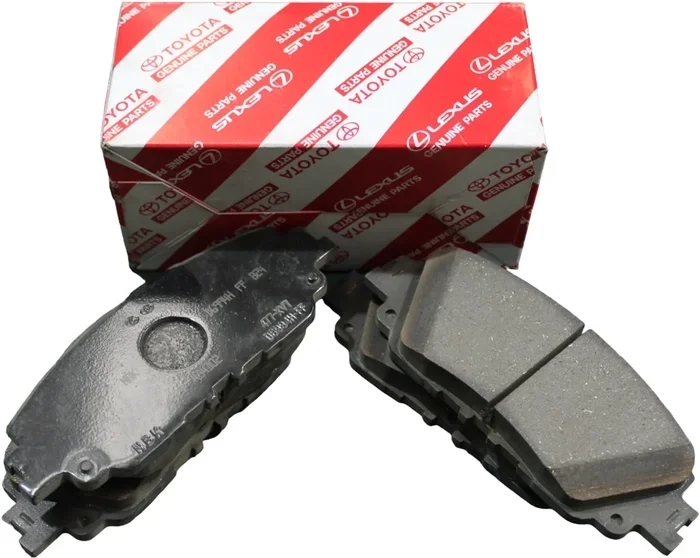
Visual guide about Toyota brake pads manufacturer
Image source: nunawadingtoyotaparts.com.au
One popular name is Akebono. They are known for high-quality ceramic pads. Akebono pads produce less dust and run quietly. They are a favorite among drivers who want a clean and smooth ride. Another well-known brand is Wagner. They offer a range of pads for different driving styles. Their ThermoQuiet line is especially popular for everyday use.
Power Stop is another brand that many Toyota owners trust. They make performance-oriented pads that handle heat well. If you drive in stop-and-go traffic or carry heavy loads, Power Stop pads can be a good fit. Bosch also makes reliable brake components. Their pads are designed for consistent stopping and easy installation.
When comparing aftermarket brands, look at the material type. Ceramic pads are great for daily driving. They produce less dust and wear slowly. Semi-metallic pads handle higher temperatures and are often used in performance applications. Low-metallic pads offer a balance between stopping power and dust control. Each type has its place depending on your needs.
You should also check fitment charts carefully. Toyota makes many models, from sedans to trucks and SUVs. A pad that works for a Camry may not fit a Tacoma. Always match the part to your exact year, make, and model. This step prevents returns and ensures safety.
Aftermarket pads can save you money while still delivering strong performance. The key is to choose a brand with a good reputation and the right specifications for your car.
OEM vs Aftermarket Toyota Brake Pads
Many drivers wonder whether to stick with genuine parts or try aftermarket options. Both choices have merits. Understanding the differences helps you decide what works best for your situation. Here is a simple comparison to guide you.
| Feature | OEM Brake Pads | Aftermarket Brake Pads |
|---|---|---|
| Manufacturer | Denso, Aisin, Tokico, or other Toyota suppliers | Akebono, Wagner, Power Stop, Bosch, and more |
| Fitment | Designed specifically for your Toyota model | Must verify fitment for your exact vehicle |
| Price | Usually higher | Often more affordable |
| Performance | Matches original engineering standards | Varies by brand and material type |
| Noise and Dust | Balanced for daily driving | Ceramic options reduce dust and noise |
| Availability | Available through Toyota dealers and parts stores | Widely available at auto parts retailers |
OEM pads are the safe bet. They come from the same suppliers that built your car original components. You know they will fit and perform as expected. This consistency is valuable if you want a straightforward replacement.
Aftermarket pads offer more variety. You can choose ceramic pads for less dust or performance pads for heavier use. Many aftermarket brands also provide better warranties or customer support. If you are comfortable checking specifications, you can find great value.
Your driving habits should guide your choice. If you drive mostly in the city, ceramic aftermarket pads may be ideal. If you tow or drive in mountainous areas, you might prefer pads with higher heat resistance. OEM pads work well for most daily drivers, but aftermarket options can be tailored to your needs.
In the end, both paths can lead to safe and reliable braking. The best choice depends on your budget, driving style, and how much you value exact original specifications.
How to Choose the Right Brake Pads for Your Toyota
Picking the right brake pads does not have to be complicated. Start by identifying your vehicle details. Write down the year, make, model, and trim. If you have a Toyota Camry, for example, note whether it has the standard or sport package. These details affect the pad size and material requirements.
Next, decide what matters most to you. Do you want quiet operation? Do you care about brake dust on your wheels? Are you looking for maximum durability? Your answers will point you toward the right material. Ceramic pads are excellent for low dust and quiet rides. Semi-metallic pads offer strong stopping power but may produce more dust. Low-metallic pads strike a middle ground.
Then, check the manufacturer specifications. Look for pads that list compatibility with your exact Toyota model. Reputable brands provide clear fitment charts. If you are unsure, ask a parts specialist or mechanic. They can confirm the correct part number and material type.
You should also think about your driving environment. Hot climates, steep hills, and heavy traffic can affect brake wear. If you face these conditions often, choose pads designed for higher heat tolerance. For normal commuting, standard ceramic pads usually work well.
Finally, consider your budget. OEM pads cost more but offer guaranteed compatibility. Quality aftermarket pads can be more affordable and still perform well. Set a realistic budget and compare options within that range. Remember that brakes are a safety item, so do not choose based on price alone.
Here is a quick checklist to help you decide:
- Confirm your Toyota model, year, and trim
- Choose a material type based on your driving needs
- Verify fitment with the manufacturer chart
- Compare OEM and aftermarket options
- Check reviews and warranty information
- Set a budget that prioritizes safety
Signs You Need to Replace Your Toyota Brake Pads
Brake pads wear out over time. Knowing the warning signs helps you replace them before they cause damage. Ignoring worn pads can lead to rotor damage and higher repair costs. Here are the most common signs to watch for.
First, listen for unusual noises. Squealing or grinding sounds often mean the pads are worn thin. Some pads have wear indicators that squeal when it is time to replace them. If you hear metal-on-metal grinding, the pads may be gone, and the rotors are at risk.
Second, pay attention to how your car feels when you brake. If the pedal feels soft or vibrates, something may be wrong. Pulsation can mean the rotors are warped, but worn pads can also affect braking feel. If stopping distance seems longer, have your brakes checked right away.
Third, look for visual clues. If you can see the pads through the wheel spokes, check their thickness. Thin pads need replacement. You may also notice brake dust buildup on your wheels. Excessive dust can signal uneven wear or a problem with the braking system.
Fourth, watch for warning lights. Some modern Toyotas have brake wear indicators that trigger a dashboard message. If you see a brake warning, do not ignore it. Have a professional inspect the system.
Regular inspections help you catch problems early. A mechanic can measure pad thickness and check the rotors, calipers, and brake fluid. Catching wear early saves money and keeps you safe.
Installation Tips and Maintenance for Toyota Brake Pads
Installing brake pads correctly matters just as much as choosing the right parts. If you are comfortable with basic car maintenance, you can replace pads yourself. If not, a trusted mechanic can handle the job. Either way, follow best practices for safety and performance.
Start by gathering the right tools. You will need jack stands, a lug wrench, a C-clamp or brake piston tool, and brake cleaner. Always work on a flat surface and use proper safety gear. Never rely on a jack alone to support the vehicle.
When you remove the old pads, inspect the calipers and rotors. Look for signs of wear, corrosion, or damage. If the rotors are scored or warped, they may need resurfacing or replacement. Clean the caliper slides and apply brake grease to the contact points. This step helps the pads move smoothly and reduces noise.
After installing the new pads, press the brake pedal several times to seat them. This action builds pressure and helps the pads make proper contact with the rotors. Follow the manufacturer bedding-in instructions if they are provided. Bedding-in helps transfer a thin layer of material to the rotor for better stopping power.
Maintenance does not end after installation. Check your brake fluid regularly and top it off if needed. Inspect the pads every few months or during oil changes. Listen for new noises and pay attention to braking feel. If you notice anything unusual, have the system checked promptly.
Here are a few expert tips to keep your brakes in great shape:
- Avoid riding the brake pedal in traffic
- Use engine braking on long downhill stretches
- Keep wheels and brakes free of excessive dirt and dust
- Replace pads in pairs to maintain even braking
- Follow the manufacturer schedule for inspections
Good habits extend the life of your brake pads and rotors. They also help you avoid costly repairs and stay safe on the road.
Conclusion
Knowing who makes Toyota brake pads gives you confidence when it is time for a replacement. OEM suppliers like Denso, Aisin, and Tokico provide reliable parts that match Toyota standards. Aftermarket brands such as Akebono, Wagner, and Power Stop offer quality alternatives with different benefits. The best choice depends on your driving habits, budget, and performance goals.
Take the time to verify fitment and choose the right material for your needs. Watch for warning signs like squealing, grinding, or reduced braking response. Replace worn pads promptly and follow proper installation and maintenance steps. With the right parts and care, your Toyota will stop safely and smoothly for years to come.
Frequently Asked Questions
Who makes original Toyota brake pads?
Original Toyota brake pads are typically made by trusted suppliers like Denso, Aisin, and Tokico. These companies work closely with Toyota to meet strict performance and safety standards.
Can I use aftermarket brake pads on my Toyota?
Yes, you can use quality aftermarket brake pads as long as they are designed for your specific Toyota model. Always verify fitment and choose a reputable brand for safe and reliable performance.
Are ceramic brake pads better for Toyota vehicles?
Ceramic brake pads are often better for daily driving because they produce less dust and run quietly. They also tend to wear slowly, making them a popular choice for many Toyota owners.
How often should I replace my Toyota brake pads?
Brake pad life varies based on driving habits, terrain, and pad material. Most pads last between 30,000 and 70,000 miles, but regular inspections help you replace them before they wear too thin.
What happens if I wait too long to change brake pads?
Waiting too long can cause the pads to wear down to the metal, which may damage the rotors and lead to costly repairs. It can also reduce braking performance and make driving less safe.
Do Toyota brake pads come with a warranty?
Many OEM and aftermarket brake pads include a warranty, but the terms vary by brand and retailer. Check the warranty details before buying to understand coverage for defects and wear.