Quick Summary
Many car owners ask who makes Toyota motor oil because they want to protect their engines properly. The truth is that Toyota does not refine the oil themselves. Instead, they partner with trusted oil companies to create Toyota Genuine Motor Oil. This blend meets strict Toyota standards for performance and protection. Understanding this helps you choose the right engine oil for your vehicle.
Who makes Toyota motor oil? This is a question that puzzles many car owners. You see the Toyota badge on the bottle. It looks official. It feels trustworthy. But does Toyota actually pump the oil out of the ground? The answer might surprise you. Toyota focuses on building cars. They leave the chemical engineering of lubricants to experts.
Understanding the source of your engine oil helps you make better choices. You want your car to run smooth. You want to avoid costly repairs. Knowing the truth about Toyota Genuine Motor Oil gives you peace of mind. It also helps you understand if you need to stick with the branded bottle or if you have options.
In this guide, we will dig deep into the oil industry. We will look at who blends the oil. We will discuss why specifications matter more than the logo. You will learn how to keep your Toyota running strong for years. Let’s explore the details behind the bottle.
Key Takeaways
- Toyota does not manufacture oil: They partner with major oil companies to produce Toyota Genuine Motor Oil.
- Blending partners vary: Companies like ExxonMobil, Idemitsu, and others often help blend the oil depending on your region.
- Strict specifications: Toyota sets rigorous standards for viscosity and performance that partners must meet.
- Protection is key: The oil is designed to prevent sludge and protect engine components over time.
- Regional differences exist: The specific manufacturer might change based on where you buy the oil.
- Aftermarket options work: You can use other oils if they meet Toyota’s specific requirements.
- Regular changes matter: Using the right oil is only half the battle; changing it on time is crucial.
📑 Table of Contents
Who Makes Toyota Motor Oil The Real Story
When you ask who makes Toyota motor oil, you are looking for the company behind the scenes. Toyota is an automotive manufacturer. They design engines and chassis. They do not own large-scale oil refineries. Instead, they work with established lubricant companies. These partners blend the oil to meet Toyota’s strict rules.
Think of it like a restaurant. Toyota writes the recipe. The partner cooks the meal. The final product carries the Toyota name because it passed their taste test. This ensures consistency across different regions. Whether you are in the United States or Asia, the oil meets the same standards.
The Role of Lubricant Partners
Several big names in the oil industry work with Toyota. Companies like ExxonMobil and Idemitsu Kosan are often involved. They have the technology to create high-quality base oils. They also add the necessary additives. These additives prevent wear and reduce friction. Without them, your engine would suffer quickly.
This partnership model is common in the auto industry. Many car brands sell branded fluids. They rely on chemical experts to make them. This allows Toyota to focus on what they do best. They ensure the oil works perfectly with their engines. You get a product that is tested for your specific vehicle.
Regional Variations in Manufacturing
The specific partner might change based on where you live. In Japan, Idemitsu is a major supplier. In the United States, other giants might handle the blending. This is due to logistics and supply chains. It is easier to source oil locally. It reduces shipping costs and carbon footprint.
Does this matter to you? Not really. The specifications remain the same. Toyota requires certain viscosity grades. They require certain performance levels. As long as the bottle says Toyota Genuine Motor Oil, it meets those needs. You do not need to worry about the factory location.
Understanding Toyota Genuine Motor Oil
Toyota Genuine Motor Oil is more than just a label. It represents a commitment to engine health. Toyota engineers design their engines with specific tolerances. The oil must flow correctly at cold starts. It must also protect at high temperatures. Generic oil might not handle these demands.
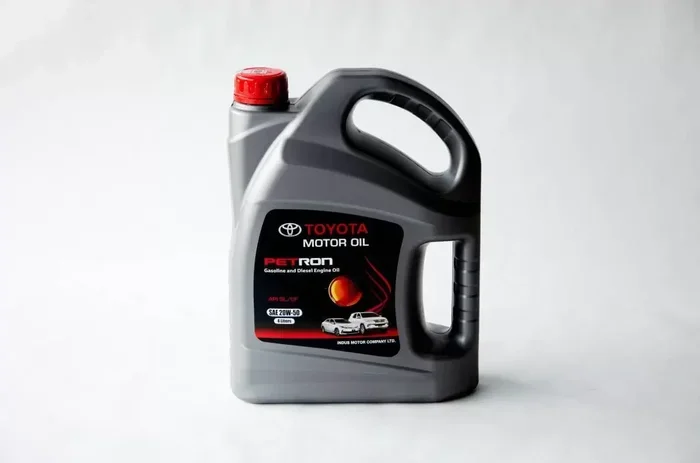
Visual guide about Toyota motor oil bottle close-up
Image source: filterpoint.net
Using the genuine option ensures compatibility. It reduces the risk of sludge buildup. Sludge is a major killer of engines. It blocks oil passages. It starves components of lubrication. Toyota oil contains detergents to fight this. It keeps the engine clean inside.
Viscosity Grades Explained
You will see numbers on the bottle. These numbers indicate viscosity. Common grades include 0W-20 and 5W-30. The first number refers to cold weather performance. The second number refers to hot weather performance. Toyota often recommends 0W-20 for newer models. This helps with fuel economy.
Older models might need 5W-30. It is thicker at high temperatures. This protects older engine parts with wider gaps. Using the wrong grade can cause issues. Too thin, and you lose protection. Too thick, and the engine works harder. Always check your owner’s manual.
Additives and Protection
Base oil is only part of the story. Additives make up the rest. These chemicals prevent oxidation. They neutralize acids. They also reduce friction between moving parts. Toyota specifies which additives are allowed. This ensures long-term reliability.
Some aftermarket oils might use different additive packages. They might meet general standards. But they might not meet Toyota’s specific needs. The genuine oil is tuned for Toyota engines. This is why many owners prefer it. It removes the guesswork.
Why Toyota Specifications Matter for Your Engine
Why should you care about Toyota motor oil specifications? Your engine is a complex machine. It has tight clearances. It relies on oil pressure for variable valve timing. If the oil is too thick, the system fails. If it is too thin, you lose pressure.
Toyota sets these rules based on testing. They run engines for thousands of miles. They check for wear. They check for deposits. The oil must pass these tests. This is why following their recommendation is wise. It protects your investment.
Sludge Prevention and Engine Longevity
Sludge is a big concern for Toyota owners. Some older engines were prone to buildup. Toyota updated their specifications to fight this. The new oils have better detergents. They keep contaminants suspended. The filter catches them during changes.
Preventing sludge extends engine life. It keeps oil flowing freely. It ensures coolants and oils do not mix. This is critical for head gasket health. Using the right oil is a cheap insurance policy. It costs less than an engine rebuild.
Fuel Economy and Performance
Modern Toyotas focus on efficiency. Low viscosity oil helps here. It reduces drag on the internal parts. The engine spins easier. This saves fuel over time. Using a thicker oil than recommended might hurt your mileage.
Performance also matters. You want smooth acceleration. You want quiet operation. The right oil reduces noise. It ensures smooth shifting in automatic transmissions. Everything works together. The oil is the lifeblood of the system.
Can You Use Aftermarket Oil Instead
Many people ask if they can use other brands. The short answer is yes. But there are conditions. The oil must meet Toyota’s specifications. Look for the API certification seal. Check the viscosity grade. If it matches, it should work fine.
Brands like Mobil 1 or Amsoil are popular. They often exceed industry standards. They can provide excellent protection. However, you must verify the viscosity. Do not assume all synthetic oil is the same. Some are formulated for European cars. They might not suit your Toyota.
Comparing Genuine vs Aftermarket
Here is a quick comparison to help you decide.
| Feature | Toyota Genuine Motor Oil | Aftermarket Synthetic Oil |
|---|---|---|
| Manufacturer | Blended by partners for Toyota | Made by oil companies (e.g., Mobil, Castrol) |
| Specifications | Tailored to Toyota engines | Must meet API/ACEA standards |
| Availability | Toyota dealers and online | Auto parts stores and online |
| Price | Often premium priced | Varies widely |
| Convenience | Guaranteed fit | Requires checking specs |
As you can see, both have pros and cons. Genuine oil offers convenience. You know it fits. Aftermarket oil offers variety. You might find a better price. Just ensure you check the label.
When to Change Your Toyota Engine Oil
Knowing who makes Toyota motor oil is useful. But knowing when to change it is vital. Oil breaks down over time. It picks up dirt and metal shavings. Old oil loses its protective abilities. You must change it regularly.
Toyota usually recommends changes every 5,000 to 10,000 miles. It depends on the model. It also depends on the oil type. Synthetic oil lasts longer. Conventional oil needs more frequent changes. Severe driving conditions require more frequent service.
Signs You Need an Oil Change
Watch out for warning signs. The oil life monitor might flash. This is common in newer Toyotas. It calculates usage based on driving habits. You might also see the oil pressure light. This is serious. Stop driving if this happens.
Check the dipstick regularly. If the oil looks black and gritty, change it. If it smells burnt, change it. Fresh oil is amber or golden. It should feel smooth. Do not ignore these signs. They protect your engine.
Quick Tips for Maintenance
- Follow the manual: Use the recommended viscosity grade.
- Check the monitor: Pay attention to the oil life indicator.
- Inspect regularly: Check the dipstick every few weeks.
- Use filters: Always replace the oil filter with the oil.
- Record dates: Keep a log of your service intervals.
How to Choose the Right Oil for Your Toyota
Choosing the right oil does not have to be hard. Start with your owner’s manual. It lists the exact specifications. It tells you the viscosity. It might suggest synthetic or conventional. Follow these guidelines first.
Next, consider your driving habits. Do you tow heavy loads? Do you drive in extreme heat? You might need a higher performance oil. Do you drive short trips? This causes more condensation. You might need more frequent changes.
Expert Insights on Oil Selection
Experts suggest sticking to the manual for daily driving. If you modify your engine, you might need different oil. High performance builds need specific protection. But for stock engines, the standard recommendation works best. Do not overthink it.
Some owners prefer synthetic blend. It offers a middle ground. It costs less than full synthetic. It protects better than conventional. It is a good option for older Toyotas. Just ensure it meets the viscosity requirements.
Common Mistakes to Avoid
- Ignoring viscosity: Using 10W-30 instead of 0W-20 can harm fuel economy.
- Skipping filters: A new filter ensures clean oil flow.
- Overfilling: Too much oil can damage the catalytic converter.
- Using expired oil: Oil shelf life matters. Check the date.
- Mixing types: Try not to mix synthetic and conventional often.
Conclusion
So, who makes Toyota motor oil? It is a team effort between Toyota and major lubricant partners. Toyota sets the standards. The partners do the blending. The result is Toyota Genuine Motor Oil. It is designed to protect your engine specifically.
You have options though. You can use aftermarket oil if it meets the specs. The most important thing is the viscosity and performance level. Regular changes keep your car running smooth. Do not neglect this simple maintenance task.
Your Toyota is a reliable vehicle. Treat it well. Use the right fluids. Follow the service schedule. This ensures you get the most out of your car. Now you know the truth behind the bottle. You can drive with confidence.
Frequently Asked Questions
Does Toyota make their own motor oil?
No, Toyota does not refine oil themselves. They partner with major lubricant companies to blend Toyota Genuine Motor Oil to meet their specific engine standards.
Who are the main partners that blend Toyota oil?
Partners vary by region but often include industry giants like ExxonMobil and Idemitsu Kosan. They manufacture the oil according to Toyota’s strict viscosity and performance requirements.
Can I use synthetic oil in my Toyota?
Yes, most modern Toyotas recommend synthetic or synthetic blend oil. Just ensure the viscosity grade, such as 0W-20, matches what is listed in your owner’s manual.
What happens if I use the wrong viscosity oil?
Using the wrong viscosity can reduce fuel economy or cause engine wear. Too thick oil may hinder cold starts, while too thin oil might not protect components at high heat.
How often should I change my Toyota oil?
Toyota typically recommends changes every 5,000 to 10,000 miles. Synthetic oil lasts longer, but severe driving conditions like towing or short trips may require more frequent changes.
Is Toyota Genuine Oil better than aftermarket brands?
Toyota Genuine Oil is tailored specifically for Toyota engines, ensuring perfect compatibility. However, high-quality aftermarket oils that meet Toyota’s specifications can perform just as well.