
Why did Toyota quit making the FJ Cruiser? The answer lies in shifting market demands, stricter emissions rules, and a strategic pivot toward modern SUVs. While the FJ Cruiser earned a loyal following for its retro styling and rugged capability, Toyota ultimately discontinued it to focus on more efficient, tech-forward vehicles. This guide breaks down the real reasons behind the discontinuation and what collectors and off-road enthusiasts should know now.
The FJ Cruiser quickly earned a cult following when it arrived. It brought a bold retro look, serious off-road capability, and a fun driving character that stood out in a sea of plain SUVs. Yet, despite strong enthusiasm from fans, the model eventually disappeared from showrooms. If you have ever asked why did Toyota quit making the FJ Cruiser, you are not alone. The story is a mix of business strategy, changing buyer habits, and the constant pressure to meet new rules.
In this guide, we will walk through the main reasons behind the discontinuation, what Toyota did next, and why the FJ Cruiser still matters today. We will also look at how this decision fits into the bigger picture of Toyota’s SUV lineup. If you are curious about other Toyota models and how they evolved, you may also want to read when Toyota stopped making the Avalon or when the Toyota Corolla Cross came out for more context on Toyota’s shifting priorities.
Key Takeaways
- Production ended in 2014: Toyota stopped building the FJ Cruiser after the 2014 model year to reallocate resources.
- Emissions and fuel economy played a role: Stricter regulations made the old 4.0L V6 less competitive over time.
- Market trends shifted toward crossovers: Buyers wanted lighter, more efficient SUVs with modern tech and safety features.
- Retro styling had limits: The vintage look attracted fans, but niche styling can constrain long-term sales.
- Toyota focused on new platforms: Resources moved to updated 4×4 models and next-generation off-road concepts.
- FJ Cruiser values remain strong: Low supply and high demand keep well-maintained examples desirable on the used market.
📑 Table of Contents
- Why Did Toyota Quit Making the FJ Cruiser in 2014
- The Role of Emissions Rules and Fuel Economy
- How Consumer Preferences Shifted Toward Crossovers
- Toyota’s Broader SUV Strategy at the Time
- What Happened to FJ Cruiser Fans and Values
- Expert Insights on the Discontinuation
- Common Mistakes When Shopping for a Used FJ Cruiser
- Key Takeaways
Why Did Toyota Quit Making the FJ Cruiser in 2014
The short answer is that Toyota made a strategic choice to end production and focus elsewhere. The FJ Cruiser launched with a strong identity, but its long-term outlook became harder to justify. Over time, the model’s aging powertrain, niche styling, and rising costs clashed with Toyota’s broader goals. When the 2014 model year ended, the company moved on to other projects that better matched future demand.
This decision did not happen in a vacuum. Toyota had to weigh sales volume, development costs, and the need to update its SUV family. The FJ Cruiser was never a high-volume mainstream seller, and that matters when a company plans its next generation of vehicles. At the same time, the off-road segment was changing fast, and Toyota wanted to compete where more buyers were heading.
A Model Built for a Specific Moment
The FJ Cruiser arrived when retro-inspired design was a hot trend. It stood out with its boxy shape, split rear window, and old-school adventure vibe. That style helped it find a dedicated audience. But niche appeal can be a double-edged sword. A vehicle that looks unlike anything else may attract loyal fans, yet it can also limit broader appeal.
Toyota likely saw that the FJ Cruiser had a clear ceiling. It was popular with a certain group of buyers, but it did not become a mass-market hit. When a model depends heavily on a distinctive look and a smaller audience, it can be harder to keep investing in it year after year.
Rising Costs and Changing Priorities
Every vehicle project comes with tradeoffs. Engineers, factories, parts supply, and marketing all cost money. If a model is not delivering the volume needed to justify those expenses, a company may decide to shift resources. That is especially true when there are other opportunities with stronger growth potential.
Toyota also had to think ahead. The FJ Cruiser was built on an older approach to SUV design. As buyers started asking for better fuel economy, more comfort features, and updated safety technology, the pressure to modernize increased. Continuing to sell the same basic concept for too long can make it harder to stay competitive.
The Role of Emissions Rules and Fuel Economy
One important part of the story is the regulatory environment. Over the years, emissions standards and fuel economy expectations have become stricter in many markets. That affects every automaker, especially with trucks and SUVs that traditionally use more fuel. The FJ Cruiser’s 4.0L V6 was capable and reliable, but it was not designed with today’s efficiency targets in mind.

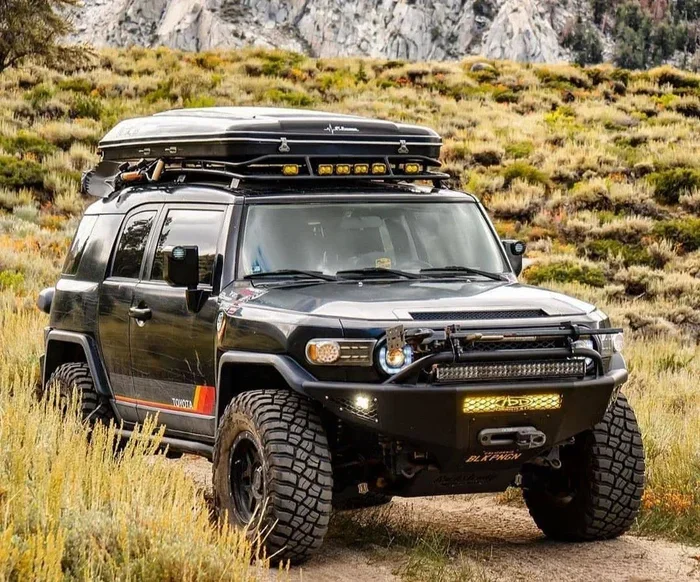
Visual guide about Toyota FJ Cruiser off-road
Image source: images.customwheeloffset.com
Improving an older powertrain to meet new rules can be expensive. Sometimes it makes more sense to develop a new platform than to keep updating an older one. For Toyota, the smarter move may have been to direct engineering effort toward newer models that could meet modern standards more naturally.
Why Efficiency Matters More Now
Buyers also care more about running costs than they used to. Gas prices, daily commuting, and long-term ownership expenses all influence purchasing decisions. A rugged SUV can still sell well, but many shoppers now want a better balance of toughness and efficiency. That shift pushed Toyota to rethink which vehicles deserved the most attention.
This does not mean the FJ Cruiser was a bad vehicle. It meant the market was moving in a different direction. The company had to decide whether to keep refining a capable but less efficient SUV or to invest in products that fit the next era of buyer expectations.
How Consumer Preferences Shifted Toward Crossovers
The SUV market changed dramatically over the years. Many buyers started preferring crossovers because they offer a smoother ride, easier entry, and often better fuel economy. These vehicles also tend to feel more comfortable for daily use. That trend affected even the rugged segments, where shoppers began expecting more comfort along with off-road ability.
The FJ Cruiser leaned into a more rugged, utilitarian personality. That was part of its charm. But it also meant it did not always align with the direction many shoppers were heading. As the crossover boom grew, Toyota had to decide where to place its focus. The company clearly chose to prioritize models that could capture a wider range of buyers.
Comfort, Tech, and Daily Usability
Modern buyers often want a vehicle that works well on the highway, fits family needs, and includes current technology. Features like advanced driver aids, better infotainment, and improved cabin quietness have become important. The FJ Cruiser was fun and rugged, but it was not built around the same level of modern convenience.
That gap mattered more as time went on. A vehicle can be beloved and still lose momentum if it does not keep pace with what buyers expect in everyday use. Toyota’s decision likely reflected the reality that the FJ Cruiser’s formula was becoming less aligned with the broader market.
Toyota’s Broader SUV Strategy at the Time
To understand the discontinuation, it helps to look at Toyota’s bigger plan. The company has a wide range of SUVs and trucks, and it constantly balances its lineup. Some models are built for volume. Others are built for niche appeal. The FJ Cruiser sat somewhere between those two worlds, but its long-term role became less clear.
During the same period, Toyota was preparing other vehicles that could serve different segments more effectively. The company continued to expand its SUV offerings and refine its 4×4 identity through other models. If you are interested in how Toyota’s larger SUVs evolved, you can explore the difference between the Toyota Highlander and Grand Highlander or the length of the Toyota Highlander to see how the brand approached different buyer needs.
Where the FJ Cruiser Fit in the Lineup
The FJ Cruiser was never meant to be a one-size-fits-all solution. It had a specific personality and a clear visual identity. That made it memorable, but it also meant it occupied a narrow slice of the market. Toyota may have decided that the same production capacity and engineering effort could be used more profitably elsewhere.
This is a common automaker decision. When a model is too specialized, it can be difficult to justify keeping it in production if the numbers do not support it. The FJ Cruiser’s strengths were real, but they were also part of the reason it remained a smaller-volume product.
What Happened to FJ Cruiser Fans and Values
Even after production stopped, the FJ Cruiser did not disappear from the conversation. In fact, interest stayed strong. Low supply, a distinctive design, and a loyal fan base helped keep values firm. Many buyers still look for one today, especially if they want a rugged SUV with a retro feel and a more analog driving experience.
That said, ownership comes with tradeoffs. Older models can require more attention, and parts availability may matter more as vehicles age. If you are considering buying one, it helps to understand the full picture before you commit. For a broader look at Toyota reliability questions, you might also find it useful to read whether the Toyota Sequoia is reliable or whether the Toyota GR86 is reliable when comparing long-term ownership expectations.
Why the FJ Cruiser Still Has a Following
The FJ Cruiser remains appealing because it feels different. Many modern SUVs look similar and drive in a more polished, computer-assisted way. The FJ Cruiser offered a more characterful experience with a clear design theme. That kind of personality is hard to replace, which is why the model still has a place in the used market.
Collectors and daily drivers alike appreciate its rugged image and practical utility. It can handle outdoor adventures, and it also has a visual style that turns heads. Even without new production, the FJ Cruiser continues to attract attention because it delivered a unique package that is not easy to replicate.
Expert Insights on the Discontinuation
From an industry perspective, the FJ Cruiser’s end is a classic example of how automakers balance passion and practicality. A vehicle can be loved by enthusiasts and still be discontinued if the business case weakens. Sales volume, compliance costs, development timelines, and lineup strategy all matter. Toyota’s choice likely reflected a mix of those factors rather than one single issue.
It is also worth noting that discontinuation does not mean failure. Many memorable vehicles have limited production runs. Their value comes from what they represented at the time, not from how long they stayed on sale. The FJ Cruiser gave buyers a rugged, retro-styled option when that kind of personality was less common. That identity still matters to fans.
Quick Tips if You Are Considering an FJ Cruiser
- Check the powertrain carefully: Inspect the engine, transmission, and cooling system, especially on older examples.
- Look at rust and corrosion: Exterior body seams, undercarriage areas, and hidden spots can reveal age-related wear.
- Test all off-road components: Verify 4WD operation, differential behavior, and suspension condition if you plan to use it outdoors.
- Review interior wear: Upholstery, dashboard components, and door panels can show heavy use over time.
- Compare ownership costs: Factor in maintenance, potential repairs, and parts availability before buying.
Common Mistakes When Shopping for a Used FJ Cruiser
Buying any used SUV requires patience, and the FJ Cruiser is no exception. Some shoppers focus only on the look and overlook mechanical condition. Others assume that a Toyota badge automatically means perfect reliability in every age group. The reality is more nuanced, and a careful inspection can save you trouble later.
Another common mistake is underestimating how driving habits affect wear. An FJ Cruiser used for serious off-road trips may have different stress points than one used mostly on paved roads. Knowing the vehicle’s history and intended use can help you make a smarter decision.
Key Things to Verify Before You Buy
- Service records: Regular maintenance is a good sign of careful ownership.
- 4WD system health: Make sure the system engages smoothly and does not show signs of neglect.
- Suspension and steering: Check for wear, leaks, and uneven movement.
- Interior functionality: Test switches, vents, infotainment, and seat adjustments.
- Exterior consistency: Look for mismatched paint, replacement panels, or signs of prior damage.
Key Takeaways
The FJ Cruiser’s end was not about one simple problem. It was about how the vehicle fit into a changing market and a changing regulatory world. Toyota chose to move toward other models that better matched future demand, while the FJ Cruiser remained a memorable part of the brand’s history. For buyers today, that means the FJ Cruiser is no longer a new-car option, but it still offers a distinctive mix of style, utility, and personality.
If you want to keep exploring Toyota’s model history, you may also enjoy reading what year the Toyota Crown came out or where the Toyota Venza is made to see how the company’s lineup and production choices have evolved over time.
Final Thoughts on Why Did Toyota Quit Making the FJ Cruiser
So, why did Toyota quit making the FJ Cruiser? In the end, it came down to a combination of market direction, efficiency pressures, and strategic focus. The FJ Cruiser had a strong identity and a devoted following, but Toyota ultimately decided to invest elsewhere. That decision reflects how the auto industry works: even beloved vehicles have to fit within a larger business plan.
If you love the FJ Cruiser, the good news is that its legacy is still alive. The model continues to attract interest, and its unique character keeps it relevant in the used market. Whether you see it as a fun weekend vehicle or a compact 4×4 with serious personality, the FJ Cruiser remains a memorable chapter in Toyota’s SUV story.
Frequently Asked Questions
Why did Toyota stop producing the FJ Cruiser?
Toyota ended FJ Cruiser production after the 2014 model year as part of a broader strategy shift. The company focused on models that better matched changing buyer preferences, efficiency expectations, and lineup priorities.
Did the FJ Cruiser have poor sales?
Not exactly. The FJ Cruiser built a loyal following, but it remained a niche vehicle rather than a high-volume seller. That limited reach made it harder to justify continued production as the market evolved.
Is the FJ Cruiser still worth buying used?
It can be, especially if you want a rugged SUV with a retro look and a more hands-on driving feel. The best choice depends on the specific vehicle’s condition, maintenance history, and your intended use.
What replaced the FJ Cruiser in Toyota’s lineup?
Toyota did not launch a direct replacement with the same retro style. Instead, the company continued expanding other SUVs and 4×4 options that served different segments and modern buyer expectations.
Why do FJ Cruiser values stay strong?
Values remain firm because supply is limited and demand from enthusiasts is steady. The distinctive design, off-road image, and compact utility make well-kept examples desirable.
Are there any common problems to watch for in the FJ Cruiser?
Potential issues can include age-related wear, suspension components, rust in vulnerable areas, and general maintenance needs on older examples. A thorough inspection and service history review are smart steps before buying.