

Why is the Toyota Mirai so cheap? The answer lies in a mix of limited hydrogen fueling, high ownership costs, and low resale demand. While the car offers clean, quiet driving and advanced hydrogen technology, buyers hesitate because fueling is hard to find and expensive. This guide breaks down the real reasons behind the low price tag and what it means for you.
Why is the Toyota Mirai so cheap? If you have been scanning used car listings or watching lease deals, you may have noticed a low price tag on this hydrogen-powered sedan. At first glance, it looks like a bargain. But the real story is more interesting. The Mirai is a forward-thinking vehicle with clean technology, smooth acceleration, and a futuristic design. Yet the market values it differently because ownership comes with unique challenges. In this guide, we will walk through the real reasons behind the low price, what those costs mean for everyday drivers, and whether this car could still make sense for your lifestyle.
Understanding the price starts with understanding the market. A car is only worth what people are willing to pay for it, and the Mirai serves a narrow audience. Hydrogen fueling is not as simple as pulling into any gas station. That limitation changes how people shop, how long they keep the car, and how much they offer when it is time to sell. At the same time, the Mirai brings genuine benefits like quiet operation, fast refueling compared with charging a battery electric car, and a long driving range for its class. So the low price is not just about the car itself. It is about how the whole hydrogen ecosystem affects demand.
Key Takeaways
- Limited fueling stations: Few hydrogen stations make daily use tricky, which lowers demand and resale value.
- High fuel costs: Hydrogen prices per kilogram can make long-term costs higher than similar gas or hybrid cars.
- Niche market: The Mirai targets early adopters, so the buyer pool is small and prices drop faster.
- Technology depreciation: Newer fuel cell designs and battery updates make older models less desirable.
- Lease and incentive impact: Heavy leasing and regional incentives can push down used prices in certain markets.
- Practical ownership trade-offs: Low upfront price can be attractive, but total cost of ownership matters more.
- Best fit for specific drivers: The Mirai works best for commuters near fueling stations who value clean tech and smooth rides.
📑 Table of Contents
- Why Is the Toyota Mirai So Cheap Compared With Similar Sedans
- Fueling Limitations Play a Big Role in Pricing
- Ownership Costs Influence the Low Price Tag
- Low Demand and Depreciation Drive Used Prices Down
- Lease Deals and Incentives Affect the Market Price
- When the Mirai Can Still Be a Smart Buy
- What to Check Before Buying a Used Mirai
- Final Thoughts on Why the Mirai Is Priced Lower
Why Is the Toyota Mirai So Cheap Compared With Similar Sedans
The simplest answer is that the Mirai sits in a very small niche. Most used sedans have a large pool of buyers who know the fueling routine, understand maintenance, and feel comfortable with resale value. The Mirai does not have that same comfort level. When demand is limited, prices often drop faster. This is especially true when buyers compare the Mirai with mainstream hybrids or gasoline sedans that can refuel anywhere. The comparison makes the hydrogen option feel less convenient, even if the driving experience is excellent.
Smaller Buyer Pool Means Lower Resale Pressure
Fewer interested buyers usually means softer pricing. A used car market works like an auction in slow motion. If only a handful of people want a specific model, sellers must adjust expectations. The Mirai is not a high-volume vehicle, and that affects secondhand value. Many shoppers also worry about long-term support, parts availability, and how easy it will be to sell later. Those concerns push prices downward, even when the car is in good condition.
Hydrogen Technology Still Feels New to Many Shoppers
Fuel cell vehicles are still uncommon in many regions. Some buyers see them as experimental, even though the technology has matured a lot. People often prefer what they know. If they are used to gas cars or popular hybrids, they may hesitate to try hydrogen. That hesitation lowers demand, which in turn affects price. The Mirai may be a polished, refined vehicle, but perception matters just as much as performance in the used market.
Fueling Limitations Play a Big Role in Pricing
One of the biggest reasons the Mirai is priced lower is the fueling network. Hydrogen stations are not everywhere, and that creates real-world friction. Even if the car itself performs well, owners need a reliable place to refuel. If a buyer lives far from a station, the car becomes harder to use. That inconvenience lowers appeal, and lower appeal usually means lower price.
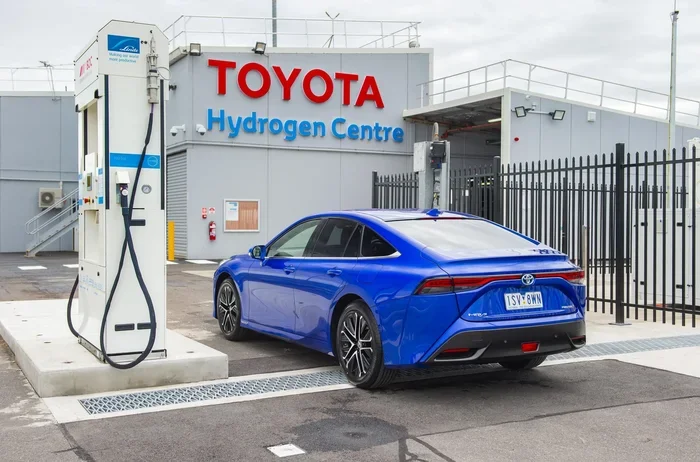
Visual guide about Toyota Mirai hydrogen fuel cell
Image source: images.carexpert.com.au
Few Stations Create Range Anxiety for Buyers
Range anxiety is not only a battery electric car issue. Hydrogen drivers can also worry about station availability, station hours, and whether a pump is working on the day they need it. If a station is out of service, the detour can be frustrating. Buyers factor that risk into their offer. They want a discount because they know the fueling experience is not as flexible as a standard gas car.
Regional Dependence Limits Market Value
The Mirai makes the most sense in regions with strong hydrogen infrastructure. In those areas, the car can be practical and convenient. In other places, it can feel almost unusable. That regional dependence creates uneven pricing. A Mirai in a hydrogen-friendly area may hold value better than one located far from fueling support. Sellers often price the car based on local reality, not just the vehicle’s features.
Ownership Costs Influence the Low Price Tag
The purchase price is only part of the story. Buyers also think about the total cost of ownership. Hydrogen fuel can cost more per mile than gasoline or electricity, depending on local prices and driving habits. That ongoing expense makes some shoppers cautious. They may like the idea of a clean, quiet car, but they do not want to pay a premium every week just to keep it running.
Fuel Price Per Kilogram Adds Up Over Time
Hydrogen pricing can be unpredictable. In some places, fuel per kilogram is expensive enough to make regular use costly. Even if the Mirai delivers a strong range, the fill-up bill can still be higher than expected. Buyers are aware of that math. When they compare long-term fuel costs with other vehicles, they often ask for a lower upfront price to balance the difference.
Maintenance and Service Considerations
Fuel cell vehicles have unique components, and that can affect service expectations. While the Mirai is designed for reliability, specialized service matters. Not every shop is set up for hydrogen systems. That can make owners more cautious, especially if they plan to keep the car for many years. When buyers sense extra complexity, they often want more room in the budget. That pressure can show up in the asking price.
Low Demand and Depreciation Drive Used Prices Down
Depreciation is one of the strongest forces in the used car market. Cars that are in high demand tend to hold value better. Cars that are hard to sell often drop faster. The Mirai has several factors working against strong resale demand, including limited fueling access, a small buyer pool, and the rapid pace of clean technology development. All of these can push used prices lower.
Fast Depreciation in a Changing Market
Clean vehicle technology changes quickly. Battery electric cars, plug-in hybrids, and improved gas engines keep evolving. As newer options arrive, older fuel cell models can seem less essential. That does not mean the Mirai is a bad car. It means the market is moving fast. When shoppers see many alternatives, they often negotiate harder. The result is a lower price for the hydrogen sedan.
Resale Concerns Make Buyers More Cautious
Many people think about the next sale before they even buy. If a car is hard to move later, buyers want a discount today. That is a simple but powerful market rule. The Mirai’s resale concerns are tied to fueling access, brand perception, and the limited number of similar vehicles on the road. Because of that, sellers often price the car to attract the few buyers who are genuinely ready to own it.
Lease Deals and Incentives Affect the Market Price
Sometimes the low price is not just about the car’s value. It is also about how the vehicle is sold and supported. Leasing, regional incentives, and promotional offers can shape the market. If many Mirais are leased rather than sold outright, fewer may enter the used market at any given time. When they do, pricing can reflect the original incentive structure and the lease environment.
How Leasing Changes Used Availability
Lease returns can create a steady stream of used vehicles, but the pricing may still be shaped by the original deal. If buyers were drawn in by lower monthly payments or special offers, the used market may see more cautious pricing later. Leasing also tends to attract customers who want the car for a shorter period. That can affect how long owners keep the vehicle and how it circulates in the secondhand market.
Regional Incentives Can Shift Buyer Expectations
In some areas, clean vehicle incentives change the way people shop. When buyers expect support or discounts, they may also expect a lower market price when the car is resold. That expectation can carry over into used listings. Even if the incentives do not apply directly to a used purchase, the overall mindset around clean tech pricing can influence negotiations.
When the Mirai Can Still Be a Smart Buy
A low price does not automatically mean a bad deal. In the right situation, the Mirai can be a practical and enjoyable car. If you live near reliable fueling, want a quiet sedan, and value clean technology, the lower entry price may work in your favor. The key is matching the car to your actual routine, not just the sticker price.
Best Fit for Drivers Near Hydrogen Stations
The Mirai makes the most sense for drivers who can refuel without hassle. If your daily route passes near a hydrogen station, or you work in an area with good access, the ownership experience becomes much easier. In that case, the low price can be a bonus rather than a warning sign. You get advanced technology at a lower upfront cost, as long as fueling remains convenient.
Who Should Think Twice Before Buying
If you travel often in areas with sparse hydrogen coverage, this may not be the best fit. The same is true if you want the simplest possible fueling routine or the lowest long-term fuel expense. Buyers who need maximum flexibility may feel restricted. In those cases, the low price is less important than the daily inconvenience. It is better to choose a vehicle that fits your habits without extra stress.
What to Check Before Buying a Used Mirai
If you are seriously considering one, a careful inspection matters even more than usual. Used clean vehicles deserve extra attention because the fueling environment and service needs are different. A good inspection can help you avoid surprises and make sure the price truly reflects the car’s condition.
Verify Fueling Access in Your Area
Before you buy, map out the stations you would actually use. Check distance, hours, and reliability if possible. Think about your regular routes, not just the closest station. If the fueling plan is realistic, the lower price becomes much more appealing. If it is not, the car may end up sitting unused, no matter how good the deal looks.
Review Service History and Warranty Status
Ask for service records and confirm any remaining warranty coverage. A well-maintained Mirai with clear documentation is more reassuring than one with an unclear past. Because hydrogen systems are specialized, a clean service history can make a big difference in confidence. It can also help justify the asking price if the car has been cared for properly.
Final Thoughts on Why the Mirai Is Priced Lower
So, why is the Toyota Mirai so cheap? The answer comes down to a mix of practical and market factors. Limited hydrogen fueling, higher ongoing fuel costs, a smaller buyer pool, and resale concerns all play a part. Add in the rapid evolution of clean vehicle technology, and the Mirai can lose value faster than more conventional sedans. That does not mean it is a poor vehicle. It means the market is shaped by convenience, infrastructure, and long-term cost expectations.
For the right driver, the low price can be an opportunity. If you have reliable fueling access, want a quiet and refined ride, and appreciate hydrogen technology, the Mirai may offer strong value at a lower entry point. For everyone else, the price tag is a reminder to look beyond the sticker and think about the full ownership experience. In the end, the cheapest car is not always the best car. The best car is the one that fits your routine, your budget, and your peace of mind.
Frequently Asked Questions
Why is the Toyota Mirai so cheap on the used market?
The used market price is often lower because demand is limited and hydrogen fueling is not available everywhere. Buyers also worry about resale value and ongoing fuel costs, so they negotiate harder. That combination usually pushes the price down.
Does the low price mean the Toyota Mirai is a bad car?
Not necessarily. The Mirai can be smooth, quiet, and technologically advanced. The low price mostly reflects market factors like fueling access and buyer demand, not necessarily poor quality. It is more about fit than flaws.
Is hydrogen fuel expensive for the Mirai?
Hydrogen fuel can cost more per mile than gasoline or electricity in some regions, depending on local prices. That ongoing expense can make ownership feel less affordable over time. It is one reason buyers expect a lower purchase price.
Can I drive a Mirai everywhere without fueling problems?
You can drive it, but fueling convenience depends heavily on where you live and travel. If hydrogen stations are sparse in your area, refueling can become inconvenient. That is why location matters so much with this vehicle.
Do Toyota Mirai lease deals affect used prices?
Yes, leasing and promotional offers can shape how many vehicles return to the used market and how buyers view pricing. When leasing is common, used availability and buyer expectations may shift. That can influence the final sale price.
Who is the Toyota Mirai best suited for?
It is best suited for drivers who live near hydrogen stations, want a clean-tech sedan, and value a quiet, refined driving experience. If fueling access is easy and you understand the ownership costs, it can be a practical choice. If not, a different vehicle may be a better match.