
The Toyota Highlander can tow small to medium trailers, but its capacity depends heavily on your specific trim, engine, and equipment package. Most Highlander models safely handle between 1,500 and 5,000 pounds when properly equipped with the factory towing package. Always check your owner’s manual, respect payload limits, and distribute weight correctly to ensure a smooth and safe towing experience.
Key Takeaways
- Know your exact capacity: Towing limits range from 1,500 to 5,000 pounds depending on trim, engine, and whether you have the factory tow package.
- Payload matters more than you think: Your vehicle’s payload capacity includes passengers, cargo, and tongue weight, so never exceed the door jamb sticker rating.
- Hitch selection is critical: Use a properly rated Class III or IV hitch that matches your model year and never exceed the lowest rating in your towing setup.
- Weight distribution changes everything: Keep tongue weight at 10 to 15 percent of the total trailer weight to maintain steering control and prevent sway.
- Driving habits must adapt: Slow down, increase following distance, brake earlier, and practice reversing in an empty lot before hitting the road.
- Regular maintenance keeps you safe: Check tire pressure, brake pads, fluids, and suspension components before every major tow to avoid breakdowns.
- When in doubt, go smaller: If your trailer exceeds half your vehicle’s rated capacity or you carry heavy passengers, consider a more capable SUV or truck.
📑 Table of Contents
- Can a Toyota Highlander Tow a Trailer Safely?
- Understanding Toyota Highlander Towing Capacity
- What Affects Your Highlander Towing Ability
- How to Tow Safely with a Toyota Highlander
- Choosing the Right Trailer for Your Highlander
- Maintenance and Long-Term Towing Care
- Final Thoughts on Can a Toyota Highlander Tow
Can a Toyota Highlander Tow a Trailer Safely?
Picking the right SUV for weekend adventures or hauling gear often comes down to one simple question. Can a Toyota Highlander tow a trailer safely? The short answer is yes, but the real answer depends on your exact model, engine, and how you plan to use it. Many owners love the Highlander for its comfortable ride, reliable reputation, and family-friendly layout. Yet when you attach a boat, camper, or utility trailer, the rules change fast.
Towing is not just about pulling weight. It is about control, braking, stability, and knowing your vehicle’s limits. A well-equipped Highlander can handle light to moderate loads with ease. Push past those limits, and you risk poor handling, overheating, or premature wear on critical parts. This guide breaks down everything you need to know so you can tow with confidence and keep your family safe on the road.
Understanding Toyota Highlander Towing Capacity

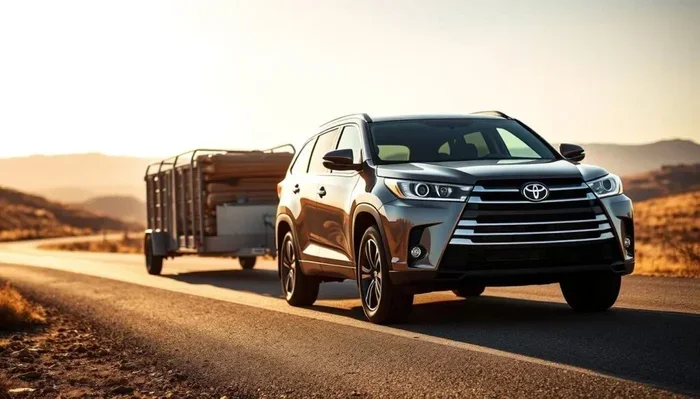
Visual guide about Toyota Highlander towing a trailer
Image source: tractionlife.com
Every vehicle has a rated towing limit, and the Highlander is no exception. The number you see in marketing materials is a starting point, not a free pass. Your actual safe limit depends on several factors that Toyota engineers build into each trim level.
How Toyota Determines Towing Ratings
Toyota assigns towing ratings based on engine output, transmission cooling, suspension design, frame strength, and available equipment. The company tests each configuration under controlled conditions. They look at how the vehicle handles hill climbs, long highway stretches, and sudden stops. The final number reflects the maximum weight the vehicle can pull while maintaining safe operation.
Keep in mind that ratings assume proper equipment. If your Highlander lacks the factory tow package, the official capacity may drop significantly. Some earlier models without the package top out near 1,500 pounds. Others with the right setup reach higher numbers. Always verify your specific configuration before attaching a load.
Trim Level and Engine Differences
Not all Highlanders are built the same. Different trims come with different standard features, and that affects towing potential. Here is a quick look at how common configurations compare:
| Configuration | Typical Towing Capacity | Key Notes |
|---|---|---|
| Base or mid trims without tow package | Around 1,500 to 3,500 pounds | Limited by cooling and hitch availability |
| Well-equipped trims with factory tow package | Up to 5,000 pounds | Requires proper hitch, wiring, and cooling |
| Hybrid variants | Often lower than gas models | Battery weight and system tuning affect limits |
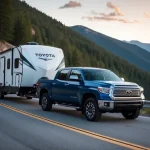
If you are comparing options, you may also want to read about what is the tow capacity of a Toyota Tundra to see how a full-size truck differs from a midsize SUV. The contrast helps put Highlander limits into perspective.
Real-World Factors That Change Your Limit
Paper ratings assume ideal conditions. Real life is messier. Altitude, heat, steep grades, and heavy passengers all reduce what your SUV can safely handle. A fully loaded family plus gear already eats into your payload. Add a heavy trailer, and the numbers tighten quickly.
Think of towing capacity as a ceiling, not a target. Smart owners stay well below that ceiling. They leave room for wind, emergency maneuvers, and long trips. That approach keeps the ride smooth and reduces stress on the drivetrain.
What Affects Your Highlander Towing Ability
Towing is a system, not a single number. Every component in your setup shares the load. When one part falls short, the whole setup suffers. Understanding these variables helps you make smarter choices.
Payload and Tongue Weight
Payload is the total weight your SUV can carry inside and on itself. That includes people, luggage, fuel, and the downward force from the trailer coupler. Tongue weight usually falls between 10 and 15 percent of the trailer’s total weight. If you hook up a 3,000-pound trailer, expect roughly 300 to 450 pounds of downward pressure on your hitch.
That downward force counts against your payload. Many owners forget this step. They pack the cabin, fill the tank, and then add a trailer. Suddenly, they exceed the door jamb rating. The result can be sluggish steering, squatting rear ends, and longer stopping distances.
Quick tip: Weigh your loaded SUV on a scale before hooking up. Then weigh the trailer tongue separately. Add them together and compare the total to your payload sticker. This simple habit prevents costly mistakes.
Hitch Type and Equipment
Your hitch is the bridge between vehicle and trailer. A weak or mismatched hitch becomes the weakest link. Most Highlanders that tow heavier loads use a Class III or Class IV receiver hitch. These units feature stronger steel, better fasteners, and higher ratings.
Never mix and match ratings. If your hitch is rated for 3,500 pounds but your trailer weighs 4,000 pounds, you are over the limit. The same rule applies to balls, couplers, and safety chains. Use gear that matches or exceeds your expected load.
If you are new to hitches, you might find it helpful to explore what is a Toyota Prerunner Pickup to understand how factory prep and towing packages differ across Toyota models. That background makes hitch selection easier.
Brakes, Cooling, and Suspension
Towing puts extra demand on your brakes and cooling system. Your Highlander must stop not only its own weight but also the trailer’s momentum. That is why many towing setups benefit from a trailer brake controller. Surge brakes or electric trailer brakes help slow the load and reduce fade on your SUV’s pads.
Cooling matters too. Long climbs and hot weather raise engine and transmission temperatures. A factory tow package often includes improved cooling features. If your model lacks those upgrades, plan shorter trips during cooler hours and monitor your gauges closely.
Suspension also plays a role. A loaded trailer can cause the rear to squat. That changes headlight aim, steering response, and stability. Some owners add helper springs or air bags, but those accessories do not increase your official rating. They only improve ride quality within your existing limits.
How to Tow Safely with a Toyota Highlander
Safe towing comes down to preparation, technique, and awareness. Once you understand your limits, you can build habits that protect your vehicle and everyone around you.
Before You Hook Up
Start with a checklist. Verify your trailer’s total weight, including cargo and fluids. Confirm that your hitch, ball, and coupler match that weight. Check that your tire pressures match the door jamb recommendations for your SUV and the sidewall recommendations for your trailer.
Inspect safety chains, lights, and brakes. Cross the chains under the tongue so they can catch the trailer if the hitch separates. Test all trailer lights, including turn signals and brakes. If your trailer has electric brakes, connect the controller and test the gain setting in a safe area.
Pack the trailer with heavier items over the axles and closer to the front. That placement improves tongue weight and reduces sway. Secure everything with straps or cargo nets. Loose items shift during travel and can upset the trailer’s balance.
Driving Techniques That Matter
Towing changes how your SUV behaves. Acceleration feels slower. Braking takes longer. Cornering requires wider arcs. Adjust your driving to match these changes.
Leave more space between you and the vehicle ahead. A good rule is to double your normal following distance. Start braking earlier than usual. Gentle, steady pressure works better than sudden stops. If your trailer has brakes, coordinate the controller so the trailer helps without locking up.
Take turns wider than normal. The trailer wheels cut inside the path of your SUV wheels. That off-tracking can cause strikes on curbs or tight obstacles. Slow down before the turn, then maintain a smooth line through it.
Reverse practice is essential. Trailers steer opposite to your steering input. A little wheel left pushes the trailer right. Find an empty lot and practice in straight lines before attempting tight parking maneuvers. Patience here saves dents later.
Quick tip: Use your SUV’s tow or sport mode if available. These settings can firm up transmission behavior and improve throttle response. Still, do not treat them as a substitute for safe speeds and proper loading.
Monitoring Your Vehicle on the Road
Keep an eye on your gauges. Watch for rising engine temperature, transmission heat, or unusual strain during climbs. If your SUV has a tow/haul display, use it to stay informed. Pull over if you notice smells, smoke, or significant performance drops.
Wind and passing trucks can trigger trailer sway. If the trailer starts to oscillate, ease off the accelerator. Do not slam the brakes. Steer straight and let the vehicle stabilize. If you use a weight distribution system or sway control, make sure it is adjusted correctly before the trip.
Plan fuel stops more often. Towing increases fuel consumption. A loaded Highlander burns more gas than a bare one. Build extra time into your schedule so you are not rushed. Rushing leads to risky decisions.
Common Mistakes to Avoid
Many towing problems come from simple oversights. Here are the most frequent errors and how to skip them:
- Ignoring payload limits: People often focus on trailer weight and forget passengers, gear, and tongue weight.
- Using the wrong hitch class: A light-duty hitch cannot safely handle a heavier camper or boat.
- Poor trailer loading: Heavy items placed too far back reduce tongue weight and increase sway.
- Driving too fast: Higher speeds amplify sway, extend braking distance, and stress components.
- Skipping pre-trip checks: Missed loose lug nuts, low tire pressure, or faulty lights cause avoidable headaches.
- Assuming all Highlanders tow the same: Trim, engine, and equipment packages create real differences in capacity.
If you want a broader view of Toyota’s towing lineup, you can compare what s the towing capacity of a Toyota Tacoma to see how a smaller truck handles loads. That comparison helps you decide when a Highlander is enough and when you need more capability.
Choosing the Right Trailer for Your Highlander
Matching a trailer to your SUV is about balance, not just numbers. A well-matched setup feels stable, predictable, and easy to control. A poor match feels twitchy, heavy, and tiring.
Best Trailer Types for Midsize SUVs
The Highlander works best with lighter loads. Think small utility trailers, modest boats, and compact campers. These options usually stay within reasonable weight ranges and keep tongue weight manageable.
Utility trailers are versatile for gear, landscaping supplies, or weekend projects. Keep the load tight and centered. Boaters often choose lighter skiffs or small pontoons that fit within the SUV’s comfort zone. Campers with simple floor plans and modest appliances also work well when kept light.
Avoid large fifth wheels or heavy travel trailers. Those setups belong on trucks with stronger frames and higher ratings. Using a midsize SUV for a heavy trailer compromises safety and drivability.
How to Match Weight to Your Specific Model
Start with your owner’s manual. Find the official towing rating for your exact trim and engine. Then check the payload sticker on the driver’s door jamb. Subtract the weight of passengers, cargo, and fuel. The remaining number tells you how much tongue weight you can safely carry.
Next, estimate your trailer’s total weight. Include the dry trailer weight plus gear, water, and accessories. Multiply by 10 to 15 percent to estimate tongue weight. Compare that result to your available payload. If the numbers clash, choose a lighter trailer or reduce your cabin load.
If you are curious about how Toyota positions its SUVs globally, you might enjoy reading where is Toyota Highlander built. Understanding the vehicle’s origins can give you context about its design priorities and typical use cases.
When to Consider a Different Vehicle
Sometimes the smartest choice is to wait and upgrade. If your trailer consistently pushes you near the limit, or if you often carry four passengers plus gear, a heavier SUV or truck may suit you better. Towing should feel controlled, not stressful.
You may also want to look at what is the difference between Toyota Highlander and Grand Highlander if you are comparing larger family SUVs. The extra space and possible equipment differences can influence how you plan to haul people and cargo together.
Maintenance and Long-Term Towing Care
Towing adds wear. Smart maintenance keeps your Highlander reliable over time. A little attention before and after trips goes a long way.
Pre-Trip and Post-Trip Checks
Before each tow, inspect tire condition and pressure on both the SUV and the trailer. Look for cracks, bulges, or uneven wear. Verify that lug nuts are torqued to spec. Check brake pad thickness and fluid levels. Make sure your hitch receiver is clean, lubricated, and free of cracks.
After the trip, give your vehicle a quick once-over. Look for signs of overheating, loose fasteners, or suspension stress. Wash off road grime and salt if you traveled in harsh conditions. Let the engine and transmission cool down before storing the trailer for a long period.
Common mistake: Many owners forget to recheck trailer tire pressure after the first few miles. Tires heat up and pressure changes. A quick stop at the first rest area helps you catch problems early.
Parts That Wear Faster Under Load
Brakes, tires, and suspension components see extra stress. Expect shorter intervals for pad and rotor inspections. Monitor your tires for age and tread depth, not just pressure. Even if the tread looks fine, old rubber can fail under heavy loads.
Transmission fluid and engine oil also deserve attention. Towing generates heat, and heat accelerates fluid breakdown. Follow Toyota’s recommended service intervals, and consider shorter intervals if you tow frequently or in hot climates. Always use the fluids specified for your model.
If you are curious about long-term reliability, you may find it useful to explore why does Toyota last so long. That background explains why regular care matters so much for high-use vehicles.
Upgrades That Help, Not Hurt
Some owners add accessories to improve comfort. Air helpers, heavier sway controls, and better wiring can make towing smoother. Just remember that accessories do not raise your official rating. They improve the experience within your existing limits.
Avoid modifications that change suspension geometry or reduce structural integrity. Stick to reputable brands and follow installation instructions carefully. If you are unsure, ask a qualified technician to verify the setup.
Expert insight: The best upgrade is often a better habit. Slow down, load wisely, and check your gear. Those simple steps outperform flashy parts every time.
Final Thoughts on Can a Toyota Highlander Tow
So, can a Toyota Highlander tow a trailer safely? Yes, when you respect its limits and prepare properly. The right trim, engine, and tow package give you a solid foundation. Smart loading, proper hitch selection, and careful driving turn that foundation into a confident on-road experience.
Keep your setup within rated limits. Watch payload as closely as trailer weight. Check your gear before every trip. Adjust your driving for the extra mass and momentum. Do those things, and your Highlander can handle many common towing tasks with ease.
Towing does not have to feel complicated. It just needs respect. Treat the vehicle and trailer as one system, plan ahead, and stay within the numbers. That approach protects your SUV, your cargo, and everyone sharing the road with you.
Frequently Asked Questions
How much can a Toyota Highlander tow?
Most Toyota Highlander models can tow between 1,500 and 5,000 pounds, depending on trim, engine, and whether you have the factory tow package. Always check your owner’s manual for the exact rating of your specific vehicle.
Do I need a tow package to tow with a Highlander?
Yes, a factory tow package is strongly recommended for anything beyond very light loads. It typically adds a stronger hitch, better cooling, and the wiring needed for trailer lights and brakes.
Can a Highlander tow a boat or small camper?
It can tow many smaller boats and light campers as long as the total weight stays within your vehicle’s rating. Keep tongue weight in the proper range and avoid overloading the cabin with passengers and gear.
Does tongue weight count against payload capacity?
Yes, tongue weight pushes down on the hitch and counts toward your SUV’s payload limit. That limit already includes passengers, cargo, and fuel, so you must factor in the trailer’s downward force.
What speed is safe when towing with a Highlander?
Slower is safer, and many experts suggest staying well below highway speeds when towing. Reduce your pace in wind, on steep grades, or when carrying a load near your vehicle’s limit.
How do I know if my trailer is too heavy for my Highlander?
Compare the trailer’s total weight and tongue weight to your SUV’s towing and payload ratings. If you are close to the limit, notice sway, or see rising temperature gauges, the load is likely too heavy for comfortable, safe towing.