The tow capacity of a Toyota Tundra ranges from 8,000 to 12,000 pounds depending on your trim, engine, and options. This guide explains exactly what affects your rating, how to read your door sticker, and which configurations give you the strongest pull. You will also learn safe towing habits, payload limits, and real-world tips to protect your truck and trailer.
Key Takeaways
- Tow range: The tow capacity of a Toyota Tundra spans roughly 8,000 to 12,000 pounds across trims and engines.
- Engine matters: Twin-turbo V35A and V30A setups typically support higher ratings than older naturally aspirated engines.
- Configurations count: Axle ratio, bed length, cab style, and tow packages change your official rating.
- Payload first: Your door-jamb sticker and actual payload often limit towing more than the engine itself.
- Safer setup: Use the correct hitch class, sway controls, and brake controller for a stable, confident tow.
- Real-world limits: Wind, grade, trailer weight, and cargo placement affect how much you should tow on a given day.
- Check the sticker: Always verify your specific truck using the yellow towing sticker and owner’s manual.
📑 Table of Contents
Understanding the Tow Capacity of a Toyota Tundra
When people ask about the tow capacity of a Toyota Tundra, they usually want a single number. The truth is a bit more nuanced. Your truck’s rating depends on the engine, axle ratio, cab and bed layout, and the optional tow package. You also need to look at payload, because that limit often matters more than the engine’s raw strength.
This guide walks you through the key factors. You will learn how to read your door sticker, what the different trims can handle, and how to set up your hitch for a smooth, safe tow. We will keep the language simple and the advice practical. By the end, you will know exactly how to match your Tundra to the trailer you plan to pull.
If you are comparing trucks, you might also wonder how the Tundra stacks up against other half-ton pickups. Many buyers start by asking whether the Toyota Tundra is a half-ton truck, and the answer helps frame what kind of towing you can expect. Half-ton pickups are built for daily driving with solid towing ability, and the Tundra fits that role well. You can read more in our guide on Is Toyota Tundra A Half Ton Truck.
What Determines the Tow Capacity of a Toyota Tundra
Several parts work together to set your rating. The engine provides power, but the transmission, axles, brakes, cooling system, and frame also play a role. Toyota engineers test each configuration and assign a specific number to that exact setup. That is why two Tundras with different options can have different ratings.

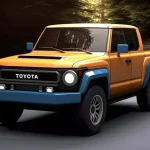
Visual guide about Toyota Tundra towing trailer
Image source: motortrend.com
Engine and Drivetrain
Modern Tundras use strong V8-style engines with twin-turbo designs. These engines make plenty of torque at low speeds, which helps when you start moving a heavy trailer. The transmission shifts smoothly under load, and the drivetrain transfers that power to the wheels. A capable engine is only one piece of the puzzle, though. You still need the right axle ratio and cooling capacity to sustain a heavy tow.
Axle Ratio and Options
The axle ratio changes how engine speed translates into wheel speed. A numerically higher ratio often improves towing feel because it multiplies torque at the wheels. That said, the official rating comes from the complete package, not just one part. Optional tow packages may add a larger radiator, upgraded battery, integrated trailer brake controller, and a hitch receiver with the right class rating.
Cab, Bed, and Payload
Your payload limit is the maximum weight the truck can carry on its suspension. This includes passengers, cargo in the bed, and the trailer tongue weight. If your payload is tight, you may need to reduce the trailer size even if the engine could handle more. The cab and bed choices can shift interior space and cargo capacity, which affects how you balance the load.
If you want a deeper look at how the Tundra is classified by weight, check our article on Is The Toyota Tundra A 3 4 Ton. It explains how these categories work and why the distinction matters for towing and hauling.
Trim Levels and Their Tow Ratings
Different trims can have different ratings because of engine choices and optional equipment. While exact numbers vary by model year and market, you can think in broad ranges. The key is to match the trim to your typical trailer rather than chasing the highest number on paper.
Base and Mid Trims
Entry and mid-level trims often come with capable engines and standard towing hardware. For many buyers, these trims offer a great balance of comfort and utility. You get a strong tow rating without paying for features you may not use. If your trailer is a mid-size boat, a small travel trailer, or a utility trailer, these trims usually cover the job well.
Top Trims and Max Tow Setups
Higher trims sometimes include the best tow-friendly options, such as the ideal axle ratio and the full tow package. In many cases, these configurations reach the upper end of the Tundra’s range. That does not mean every top trim automatically has the highest rating. You still need to confirm the exact build, because missing one option can lower the number.
Quick Tips for Choosing a Trim
- Define your trailer: Write down the trailer’s dry weight, expected cargo, and tongue weight before shopping.
- Check the package: Look for the tow package, integrated brake controller, and the axle ratio that matches your needs.
- Mind payload: A tow-friendly trim is great, but your door sticker still sets the real limit.
- Plan for growth: If you might upgrade your trailer later, choose a setup with some headroom.
How to Read Your Door Sticker and Manual
The most reliable number for your truck is the one printed on the vehicle. Open the driver door and look for the yellow safety compliance sticker. It lists your payload, tire size, and often a towing note. This sticker reflects your specific build, so it is more accurate than a general brochure number.
Payload and Tongue Weight
Payload is the total weight on the truck’s springs. Tongue weight is the downward force from the trailer coupler, usually about 10 to 15 percent of the trailer weight for conventional towing. If your payload is 1,500 pounds and you have passengers plus cargo in the bed, you may have less room for tongue weight than you expect. Balancing these numbers is the secret to safe towing.
Where to Find the Official Rating
Your owner’s manual usually includes a towing section with step-by-step guidance. It explains how to connect the hitch, use the brake controller, and load the trailer properly. The manual also lists any limits for the hitch receiver and wiring. Keep the manual in the truck, because it is the fastest reference when you are on the road.
Common Mistakes
- Relying on memory: Guessing your rating leads to mistakes. Always check the sticker and manual.
- Ignoring tongue weight: Too little or too much tongue weight causes sway and poor handling.
- Overlooking payload: People often count the trailer but forget passengers and cargo in the bed.
- Skipping the prep: Tires, brakes, and lights need a quick check before every long tow.
Real-World Towing Tips for the Tundra
A good rating is only useful if you apply it well. The way you load the trailer, set the hitch, and drive on the highway changes how the truck feels behind the wheel. A few simple habits make every trip smoother and safer.
Set Up the Hitch Correctly
Use a hitch that matches your trailer’s weight and your truck’s receiver. Add a weight-distributing setup if your trailer is heavy or tends to push the rear of the truck. A sway control device can help keep the trailer steady in crosswinds and around curves. Always secure the safety chains in a proper crossover pattern and connect the brake controller wire.
Load the Trailer for Stability
Place heavy items over the axles and keep the tongue weight in the recommended range. If the trailer leans too far forward or backward, it can sway or lift the truck’s rear. Secure all cargo so it cannot shift during travel. A balanced trailer reduces strain on the Tundra and makes steering easier.
Drive with the Load in Mind
Start in a lower gear when you need more control on hills. Allow extra distance for braking, because the trailer adds momentum. On long downgrades, use engine braking rather than riding the brakes. Watch your mirrors often and make small steering corrections instead of big ones.
Quick Tips for the Road
- Check pressure: Set tires to the recommended cold pressure for the load.
- Test lights: Confirm brake, turn, and running lights work before you leave.
- Use mirrors: Extend mirrors help you see the trailer edges and traffic behind you.
- Plan fuel stops: Towing uses more fuel, so plan ahead for longer trips.
If you tow in snow or on wet roads, the Tundra’s traction systems can help you stay steady. Learn more in our guide on What Does The Snow Button Do In Toyota Highlander, which explains how these systems behave in low-traction conditions.
Payload, Braking, and Safety Considerations
Towing is not just about pulling weight. It is also about stopping, steering, and keeping everything stable. Your Tundra’s brakes, tires, and suspension must handle the full rig, not just the engine’s pull. That is why payload and braking deserve as much attention as the tow number.
Braking and Trailer Brakes
A heavy trailer carries a lot of momentum. The truck’s brakes do most of the work, but a trailer brake system helps during steep descents and sudden stops. Set the controller gain so the trailer brakes smoothly without locking up. Test the setup in a safe area before heading out on a long trip.
Tires and Suspension
Proper tire pressure supports the load and helps prevent overheating. Do not underinflate to soften the ride, because that can reduce stability and increase wear. If you tow often, consider suspension upgrades that reduce sag and improve control. A level ride keeps the headlights aimed correctly and helps the truck track straight.
When to Dial It Back
Wind, steep grades, and rough roads can reduce what feels safe on a given day. A trailer that is fine on a calm highway may feel unstable in strong gusts. If the truck begins to squat heavily or the trailer starts to sway, reduce speed and check your load. It is better to arrive a little later than to push past the safe limit.
Expert Insights
Seasoned towers usually say the same thing: match the truck to the trailer you actually use, then leave some margin. A setup with a little extra capacity is easier on the drivetrain and more comfortable in traffic. Regular checks of tires, lights, and hitch hardware prevent small problems from becoming big ones. Consistency matters more than chasing the highest number.
How the Tundra Compares for Towing
Many buyers look at several trucks before choosing one. The Tundra offers a modern twin-turbo engine, a comfortable cabin, and a strong towing reputation. Other half-ton pickups have their own strengths, so the best choice depends on your trailer, your budget, and the features you value most.
Strengths of the Tundra
The Tundra is known for a smooth ride, a roomy interior, and a powertrain built for daily use and weekend projects. Its towing hardware is integrated into the truck, which makes setup simpler. Many owners appreciate the blend of comfort and capability, especially when they use the truck for both family trips and hauling tasks.
What to Weigh Before Buying
Think about the total cost of ownership, fuel economy while towing, and the features you will use most. A higher trim may add comfort, but the tow rating depends on the right options. Also consider how often you will tow, because frequent heavy use can influence maintenance and tire choices.
Comparison Snapshot
Below is a simple way to think about the trade-offs. Exact numbers vary by year and build, so use this as a starting point, not a final spec sheet.
| Factor | Why It Matters | What to Check |
|---|---|---|
| Engine | Torque and low-end pull help with heavy starts | Engine type and tune for your trim |
| Axle ratio | Affects towing feel and grade ability | Option code or door sticker details |
| Tow package | Adds hardware and may raise the rating | Integrated brake controller and hitch class |
| Payload | Often the real limit once you add cargo | Yellow sticker payload value |
| Tongue weight | Controls trailer stability and truck squat | 10 to 15 percent of trailer weight |
If you are curious about other Toyota models and how they fit into your plans, you might also explore our article on What Is A Toyota Prerunner Pickup. It gives context on Toyota’s pickup naming and how different models are positioned.
Conclusion
The tow capacity of a Toyota Tundra is impressive, but the right number depends on your exact truck and how you use it. Check the door sticker, understand payload, and choose the hitch and brake setup that match your trailer. With a balanced load and a careful driving style, your Tundra can handle a wide range of towing jobs with confidence.
Remember that safe towing is about more than one rating. It is about preparation, steady habits, and knowing when to slow down. Use this guide as a practical reference, and you will be ready for everything from a small utility trailer to a larger travel setup. The tow capacity of a Toyota Tundra gives you a strong foundation, and smart setup turns that potential into a smooth, reliable ride.
Frequently Asked Questions
What is the tow capacity of a Toyota Tundra?
The tow capacity of a Toyota Tundra generally ranges from about 8,000 to 12,000 pounds, depending on the engine, axle ratio, cab and bed layout, and tow package. Your exact rating is on the door sticker and in the owner’s manual.
Which Tundra trim has the highest tow rating?
The highest rating usually comes from a trim with the right engine, axle ratio, and full tow package. That combination often appears on higher trims, but you still need to confirm the specific build because one missing option can lower the number.
Does payload limit towing more than engine power?
Often, yes. Payload includes passengers, cargo, and trailer tongue weight, so it can run out before the engine does. A strong engine is helpful, but the door sticker payload is usually the more important limit to watch.
What hitch do I need for a Tundra?
Use a hitch receiver that matches your trailer’s weight and your truck’s class rating, plus a brake controller wire for trailers with brakes. For heavier trailers, a weight-distributing hitch and sway control can improve stability.
How much tongue weight should I aim for?
Aim for about 10 to 15 percent of the trailer’s total weight as tongue weight for conventional towing. Too little tongue weight can cause sway, while too much can make the truck squat and handle poorly.
What should I check before towing with a Tundra?
Check tire pressure, trailer lights, hitch security, safety chains, and the trailer brake controller before you leave. Also verify your payload and make sure the load is balanced over the trailer axles for stable towing.