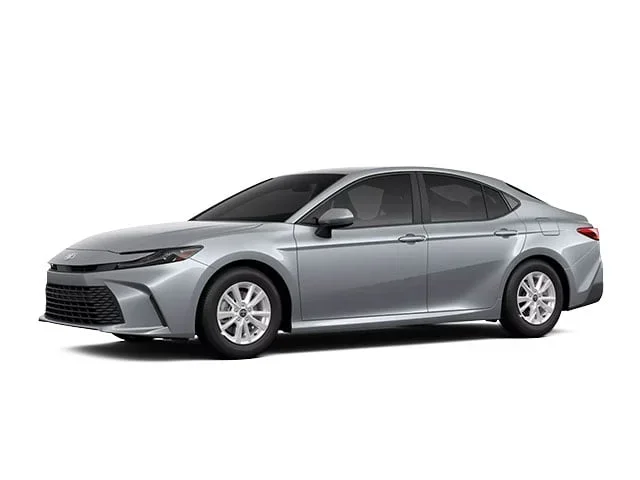

Does Toyota Camry have 4 wheel drive? The short answer is no. The Toyota Camry is primarily a front-wheel-drive sedan. However, Toyota offers an all-wheel-drive option on select trims, which provides better traction in slippery conditions. This guide explains everything you need to know about the Camry’s drivetrain, including engine performance, AWD benefits, and how it compares to other Toyota models.
Many car shoppers ask the same question when looking at one of the most popular sedans on the market. Does Toyota Camry have 4 wheel drive? This is a common query because people want to know if this reliable family car can handle rough roads, heavy snow, or slippery hills. The Camry has a long reputation for being a safe, comfortable, and efficient choice for daily commuting. However, its drivetrain setup is often misunderstood. Some buyers assume that a popular Toyota might come with four-wheel drive like a truck or an SUV. Others wonder if the Camry offers all-wheel drive for extra peace of mind during bad weather.
Understanding the difference between four-wheel drive and all-wheel drive is key to answering this question. Four-wheel drive, often called 4WD, is a system usually found on trucks and rugged SUVs. It sends power to all four wheels and often includes a low-range gear for off-road crawling. All-wheel drive, or AWD, is a different system. It automatically sends power to the wheels that need it most, usually for better grip on paved roads in rain or snow. The Camry is a sedan built for highway cruising and city driving. It is not designed for rock crawling or deep mud. Therefore, Toyota focuses on providing a drivetrain that matches the Camry’s role as a comfortable and efficient passenger car.
In this guide, we will break down exactly what drivetrain options the Toyota Camry offers. We will look at the standard front-wheel-drive setup, the available all-wheel-drive system, and how these choices affect performance, fuel economy, and safety. We will also compare the Camry to other Toyota vehicles that do offer 4WD. By the end, you will have a clear picture of whether the Camry fits your needs and what to expect from its driving dynamics.
Key Takeaways
- No 4WD Option: The Toyota Camry does not offer a traditional 4-wheel drive system. It is designed as a front-wheel-drive or all-wheel-drive vehicle.
- AWD Availability: All-wheel drive is available on specific Camry trims, such as the XSE and XLE, providing improved grip in rain or snow.
- FWD Standard: Most Camry models come with front-wheel drive, which is efficient and sufficient for everyday driving in mild climates.
- Engine Choices: The Camry features a range of engine options, including a 2.5L 4-cylinder, a 3.5L V6, and a hybrid powertrain, all paired with front-wheel or all-wheel drive.
- Traction Focus: The AWD system in the Camry is designed for on-road traction, not off-road adventures like a 4WD SUV.
- Fuel Efficiency: Front-wheel-drive Camry models generally offer better fuel economy compared to AWD versions due to reduced weight and drivetrain losses.
- Resale Value: Camrys with AWD may have a slight advantage in resale value in regions with harsh winter weather, as buyers seek added safety.
📑 Table of Contents
Does Toyota Camry Have 4 Wheel Drive or All-Wheel Drive?
When people ask about four-wheel drive, they are often really asking about extra traction. The Toyota Camry does not have a traditional 4WD system. Instead, Toyota offers an all-wheel-drive option on certain trims. This distinction matters because AWD and 4WD serve different purposes. The Camry’s AWD system is light, efficient, and designed to help the car stick to the road when conditions get slick. It does not have the heavy-duty components or low-range gearing found in a 4WD truck.
The AWD system in the Camry is a reactive setup. It normally sends power to the front wheels. When the car detects slip, it can send power to the rear wheels to help maintain stability. This happens quickly and automatically. Drivers do not need to flip switches or engage levers. This makes the Camry AWD very user-friendly for people who live in areas with occasional rain, light snow, or wet leaves. If you need serious off-road capability, the Camry is not the right tool. But for everyday weather-related traction, the AWD option adds a layer of confidence.
Front-Wheel Drive Is the Standard Setup
Most Toyota Camry models come with front-wheel drive as the standard configuration. Front-wheel drive means the engine sends power to the front wheels, which also steer the car. This layout is very common in sedans because it saves space and weight. It allows for a smaller engine bay and more cabin room. It also tends to be more fuel-efficient than systems that drive all four wheels.
For the majority of drivers, front-wheel drive is perfectly adequate. If you live in a region with mild weather and well-maintained roads, the FWD Camry will feel nimble and efficient. The front-wheel-drive layout also helps with traction during acceleration because the weight of the engine sits directly over the drive wheels. This is why many front-wheel-drive cars feel stable when pulling away from a stoplight, even on damp pavement.
When All-Wheel Drive Makes Sense
The all-wheel-drive Camry is worth considering if you face frequent rain, light snow, or steep driveways. AWD can improve confidence during cornering and acceleration in slippery conditions. It can also help if you live in a hilly area where extra grip is useful. However, AWD does not help you stop faster. Braking performance depends on tires, brakes, and road conditions, not on which wheels receive power. This is a common misconception. AWD helps you go, but it does not help you stop.
If you often drive in heavy snow or on unpaved roads, an SUV or crossover with higher ground clearance and a more robust drivetrain might be a better fit. The Camry is a low-slung sedan, so deep snow or rough terrain can still be a challenge, even with AWD. The AWD system is best viewed as a traction aid for paved roads, not a ticket to off-road adventure.
Toyota Camry Drivetrain Options Explained
The Camry offers a range of engine and drivetrain combinations. Knowing these options helps you choose the right trim for your needs and budget. The drivetrain works with the engine to deliver power to the wheels. In the Camry, the engine choices include a 2.5-liter four-cylinder, a 3.5-liter V6, and a hybrid powertrain. Each engine can be paired with front-wheel drive or, on select trims, all-wheel drive.

Visual guide about Toyota Camry sedan exterior
Image source: motorbiscuit.com
The 2.5-liter Dynamic Force engine is the most common choice. It provides a strong balance of power and efficiency. This engine is often paired with a CVT transmission, which helps keep fuel economy high. The V6 option adds more horsepower and a smoother, more relaxed feel at highway speeds. The hybrid version combines a gasoline engine with an electric motor for excellent efficiency and smooth low-speed driving. Each of these powertrains can be mated to the AWD system where available, giving buyers flexibility.
How the AWD System Works in the Camry
The Camry’s AWD system is designed to be simple and efficient. It uses a rear drive unit that can engage when needed. Under normal conditions, the car runs in front-wheel drive to save energy. When sensors detect a loss of traction, the system can send torque to the rear wheels. This helps the car maintain forward motion and stability. The transition is smooth, so most drivers will not feel a sudden shift in power delivery.
This system is different from a full-time AWD setup found in some performance cars or rugged SUVs. The Camry’s AWD is an on-demand system. It prioritizes efficiency and only uses the rear wheels when it adds value. This approach helps keep fuel economy competitive while still offering extra grip when the road gets slick. It is a practical solution for a sedan that spends most of its time on highways and city streets.
FWD vs. AWD: What Changes for the Driver?
Choosing between FWD and AWD affects a few key areas. The most noticeable difference is traction in poor weather. AWD can make the car feel more secure during acceleration on wet or icy roads. It can also help in corners when the front tires start to lose grip. However, the day-to-day driving experience is otherwise very similar. Steering, braking, and handling are largely the same because the Camry’s chassis and suspension are shared across both drivetrain types.
There is also a slight difference in fuel economy. AWD models usually consume a bit more fuel because of the added weight and mechanical complexity. The difference is not huge, but it is worth noting if you track every mile per gallon. Maintenance can also vary slightly. AWD models have more components, so there are more parts that could need service over a long ownership period. Still, Toyota’s reliability reputation means both FWD and AWD Camrys are generally easy to own and repair.
Why Most Camry Buyers Choose Front-Wheel Drive
Front-wheel drive remains the most popular choice for Camry buyers, and there are good reasons for that. Many drivers live in areas where snow is rare or where roads are cleared quickly. For these owners, the extra cost of AWD may not provide enough benefit to justify the purchase. FWD models are usually more affordable upfront. They also tend to have slightly better fuel economy, which matters for budget-conscious families.
Another reason is simplicity. Front-wheel-drive systems have fewer moving parts than AWD setups. This can mean lower maintenance costs over time and fewer components that could fail. For a car that is expected to last a long time, simplicity is a virtue. Many Toyota owners keep their Camrys for years, and a straightforward drivetrain supports that long-term ownership goal. If your main priority is reliable daily transportation with low running costs, FWD is a smart pick.
Cost and Fuel Economy Considerations
When comparing trims, it helps to look at the total cost of ownership. AWD models often carry a higher price tag. That premium can vary by model year and trim level. You should also consider tire costs. AWD vehicles sometimes require matching tires on all four corners, and replacing all four tires at once can be more expensive. Fuel economy is another factor. The FWD version usually edges out the AWD version by a small margin. Over many years of ownership, that difference can add up, especially if you drive a lot of miles.
On the other hand, AWD can add resale appeal in certain markets. In regions with winter weather, buyers often look for AWD when shopping for a used sedan. This can make an AWD Camry easier to sell later. If you plan to trade in or sell the car after a few years, the AWD option might help you recover some of the extra cost. It is a trade-off between upfront price, running costs, and future resale value.
How Camry AWD Compares to Other Toyota AWD Models
Toyota offers AWD on many models, but the implementation varies by vehicle type. The Camry’s AWD is tuned for a sedan’s weight and handling balance. Compare that to a Toyota RAV4 or a Highlander, and you will see differences in how power is delivered. SUV AWD systems are often paired with more ground clearance and tires designed for varied surfaces. They may also offer modes for snow, sand, or mud. The Camry does not have those off-road features because it is not built for them.
If you are cross-shopping the Camry with other Toyotas, it helps to think about your real needs. For example, if you want a car that can handle a ski trip with light snow on the roads, the Camry AWD can do that job well. If you want to drive on gravel forest roads or tackle deep snow, a crossover or SUV is a better match. Toyota’s lineup gives you choices, and the Camry sits in the sedan category where comfort, efficiency, and on-road traction are the priorities. For more on which Toyota models offer AWD, you can read about what Toyotas are all-wheel drive.
When a Crossover or SUV Might Be a Better Fit
There are times when a different vehicle makes more sense. If you frequently carry bulky gear, need higher seating position, or drive on rougher roads, a crossover like the RAV4 could be a better fit. The RAV4 also offers AWD and more cargo space. Some buyers even wonder if models like the Toyota RAV4 are all-wheel drive, and the answer is that AWD is available on many RAV4 trims. That extra clearance and cargo room can be valuable for families or outdoor enthusiasts.
The Camry shines when you want a car-focused driving experience. It typically offers a smoother ride on highways, easier parking, and better fuel economy than a larger SUV. If your driving is mostly paved roads, school runs, and commuting, the Camry is hard to beat. It is a focused tool for a specific job, and it does that job very well.
Performance, Safety, and Real-World Traction
Traction is only one part of safe driving. The Camry also brings strong safety features to the table, regardless of drivetrain. Modern Camry models often include Toyota Safety Sense, which offers features like pre-collision braking, lane departure alert, and adaptive cruise control. These tools help reduce the chance of accidents and can make driving less stressful. AWD can help you accelerate with confidence, but these safety systems help you avoid hazards in the first place.
Tires matter a lot, too. Even an AWD Camry will struggle with worn or wrong-type tires. Good winter tires can dramatically improve grip in snow and ice. In many cases, a FWD Camry with winter tires will outperform an AWD Camry on all-season tires in severe conditions. This is an important point for buyers in cold climates. The drivetrain helps, but tires are the real contact point with the road. Investing in the right tires can be just as important as choosing AWD.
Common Myths About AWD and Safety
There are a few myths worth clearing up. One common myth is that AWD makes a car invincible in snow. It does not. AWD helps with acceleration, but it does not change the laws of physics. If the road is too slick, the car can still slide. Another myth is that AWD improves braking. It does not. Braking distance depends on speed, road surface, tire condition, and brake quality. AWD can help you get moving, but it will not shorten your stop.
A third myth is that AWD is always better. That is not true for every driver. If you live in a warm, dry climate, AWD may be an unnecessary expense. It adds weight and complexity without much benefit. The best choice depends on where you live, how you drive, and what you value. For some, FWD is the rational choice. For others, AWD provides meaningful peace of mind.
Should You Buy a Camry With AWD? Final Thoughts
Deciding on AWD comes down to your climate, driving habits, and budget. If you face regular rain, occasional snow, or steep wet roads, the AWD Camry is a sensible upgrade. It adds traction when you need it and does so without requiring any extra effort from the driver. If you live in a mild climate and want the lowest cost of ownership, the FWD Camry is a strong choice. It delivers excellent reliability, comfortable rides, and great fuel economy.
It also helps to think about long-term plans. If you might move to a snowier region later, AWD could be a useful feature to have. If you plan to keep the car for many years, the added confidence of AWD may be worth the extra cost. On the other hand, if you are focused on maximizing efficiency and minimizing expenses, FWD is hard to argue against. The Camry is a flexible car, and both drivetrain options have their place.
When you shop, test drive both FWD and AWD versions if possible. Pay attention to how the car feels in wet conditions if you can, or ask about the AWD behavior during the demo. Also, check the trim features, because AWD is often bundled with other desirable options. That can make the choice easier. If you want a sedan that feels secure in bad weather without moving up to a bigger SUV, the Camry AWD is a compelling middle ground. And if you are curious about Toyota’s reliability and why these cars last so long, you can explore why Toyota lasts so long.
In the end, the answer to whether the Toyota Camry has four-wheel drive is simple. It does not have 4WD. It offers front-wheel drive as standard and all-wheel drive as an option on select trims. That AWD system gives you extra grip on slick roads while keeping the Camry’s efficiency and comfort intact. For most buyers, that is exactly the right balance. The Camry remains a smart, practical sedan that does its job well, whether you choose FWD or AWD.
Frequently Asked Questions
Does Toyota Camry have 4 wheel drive?
No, the Toyota Camry does not have traditional four-wheel drive. It comes with front-wheel drive as standard, and select trims offer an all-wheel-drive option for better traction on slippery roads.
Is the Toyota Camry all-wheel drive?
Some Toyota Camry trims are available with all-wheel drive. This AWD system helps improve grip in rain, snow, and other low-traction conditions, but it is not offered on every model or trim level.
Does Camry AWD help in snow?
Yes, Camry AWD can help with acceleration and stability in light snow and wet conditions. However, it does not improve braking, so good winter tires are still important for safe driving in heavy snow.
Is front-wheel drive enough for the Camry?
For many drivers, front-wheel drive is more than enough. If you live in a mild climate with well-maintained roads, FWD offers excellent efficiency, lower cost, and reliable everyday performance.
Does AWD affect Camry fuel economy?
Yes, AWD usually reduces fuel economy slightly compared to front-wheel drive. The added weight and extra drivetrain components can lower miles per gallon, though the difference is often modest.
Which Camry trims have all-wheel drive?
All-wheel drive is typically available on select Camry trims, such as XLE and XSE, depending on the model year. It is best to check the specific trim and powertrain details when shopping, since availability can vary.