
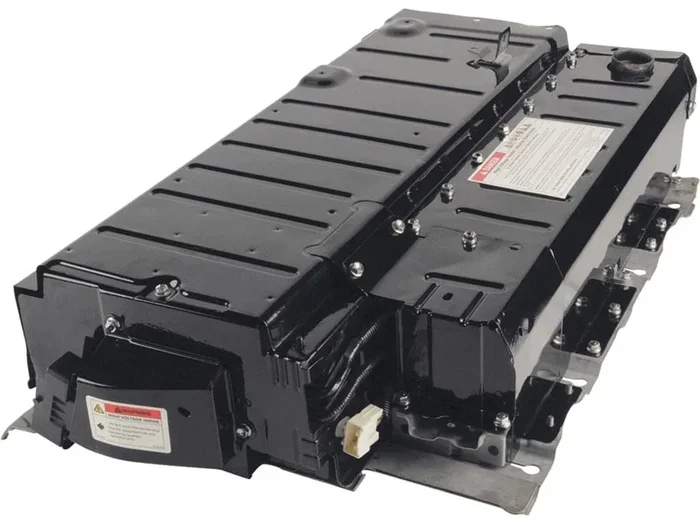
The Toyota Highlander Hybrid battery usually lasts between 10 to 15 years or 100,000 to 150,000 miles. Regular maintenance and smart driving habits can help you extend hybrid battery life significantly. Most owners never face replacement costs, but knowing the signs of failure saves money and stress.
The Toyota Highlander Hybrid has earned a strong reputation for reliability and efficient daily driving. Families love the spacious interior, smooth ride, and impressive fuel economy. Yet many buyers still ask one important question before signing the paperwork. How long does a toyota highlander hybrid battery last in real-world use? The short answer is reassuring. Most hybrid batteries perform well for over a decade when treated properly.
Hybrid systems work differently than traditional gas engines. They blend electric power with gasoline to reduce fuel consumption and lower emissions. The battery pack plays a central role in this setup. It stores energy, powers the electric motor, and helps the engine during acceleration. Because the battery runs constantly, owners naturally worry about longevity and replacement costs. Understanding how the system works makes it much easier to care for your vehicle.
This guide breaks down everything you need to know. We will cover expected lifespan, warning signs, warranty details, replacement costs, and practical maintenance tips. You will also learn how driving habits affect battery health. By the end, you will feel confident about owning and caring for a Highlander Hybrid.
Key Takeaways
- Typical Lifespan: The Highlander Hybrid battery often lasts 10-15 years under normal driving conditions.
- Mileage Range: Many units reach 100,000 to 150,000 miles before needing service or replacement.
- Warranty Coverage: Toyota includes a hybrid component warranty that covers defects and significant capacity loss.
- Warning Signs: Reduced fuel economy, dashboard warnings, and power loss often signal battery issues.
- Replacement Cost: New hybrid battery packs range from roughly 3,000 to 5,000 dollars depending on labor and parts.
- Maintenance Tips: Keep the battery cool, avoid deep discharges, and service the cooling system regularly.
- Reconditioning Option: Cell balancing or module replacement can sometimes restore performance at a lower cost.
📑 Table of Contents
- Understanding the Toyota Highlander Hybrid Battery
- How Long Does a Toyota Highlander Hybrid Battery Last on Average
- Common Warning Signs of Hybrid Battery Problems
- Toyota Highlander Hybrid Battery Warranty and Coverage
- Replacement Cost and Repair Options for the Highlander Hybrid Battery
- Tips to Extend the Life of Your Toyota Highlander Hybrid Battery
- Key Takeaways for Highlander Hybrid Battery Ownership
- Key Takeaways
Understanding the Toyota Highlander Hybrid Battery
The Highlander Hybrid uses a high-voltage nickel-metal hydride battery in most recent generations. Some newer trims may feature updated battery technology, but the core design remains similar. This type of battery handles repeated charging and discharging cycles without major wear. That is one reason hybrid vehicles prove so durable over time.
The battery does not run the car alone. It works alongside the gasoline engine through a clever power control unit. During low-speed driving, the electric motor often takes the lead. When you accelerate harder or climb hills, the gas engine steps in. The system recovers energy during braking and sends it back to the battery. This regenerative process helps the battery stay balanced and reduces strain.
Many drivers assume hybrid batteries fail quickly because they are complex. In reality, Toyota engineered these packs for long-term use. The cells operate within a controlled temperature range. The vehicle also manages charge levels carefully to avoid deep discharge. These protections help the battery age gradually instead of failing suddenly.
Battery Design and Daily Operation
The Highlander Hybrid battery sits behind the rear seats or under the cargo floor, depending on the model year. This placement keeps weight centered and frees up cabin space. The pack contains multiple individual cells grouped into modules. A dedicated cooling fan helps move air across the battery to prevent overheating.
Daily operation is mostly invisible to the driver. You start the car and drive normally. The system decides when to use electric power, gas power, or both. You may notice the engine turn off at stoplights. That is the hybrid system saving fuel while the battery supports accessories and idle power. This seamless operation is why many owners forget the battery exists until a warning appears.
How the Hybrid System Protects the Battery
Toyota includes several built-in safeguards. The battery management system monitors temperature, voltage, and charge state. It adjusts cooling fan speed when the pack gets warm. It also limits how high or low the charge goes during normal driving. These controls reduce stress on the cells and slow capacity loss.
Another protection comes from the hybrid inverter and power control unit. They convert electricity efficiently and keep power flow steady. This balanced design helps the battery last longer than many people expect. If you want to understand the full hybrid system in more detail, you can read how does a toyota camry hybrid work for a helpful breakdown of similar hybrid technology.
How Long Does a Toyota Highlander Hybrid Battery Last on Average
Most owners can expect the battery to last 10 to 15 years with regular use. In mileage terms, many packs remain reliable from 100,000 to 150,000 miles. Some batteries go even longer when the vehicle sees gentle driving and proper maintenance. The real-world lifespan depends on climate, driving style, and how often the cooling system is serviced.
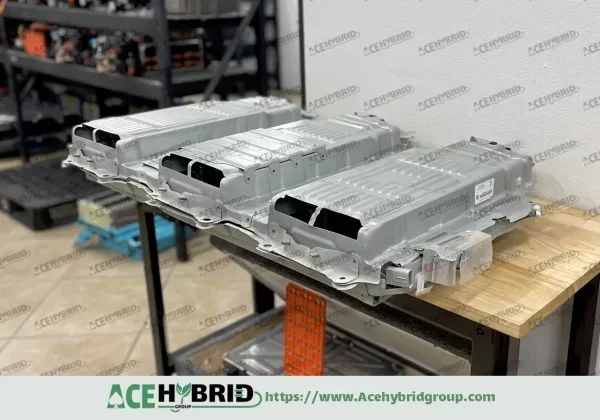
Visual guide about Toyota Highlander Hybrid battery
Image source: acehybridgroup.com
It helps to think in terms of gradual capacity loss rather than sudden failure. Like all rechargeable batteries, hybrid packs slowly lose some storage ability over time. A small drop in capacity usually does not affect daily driving. You may notice a minor change in fuel economy or electric-only performance. Major problems usually appear only when a cell or module begins to fail.
In moderate climates, batteries often age more gracefully. Extreme heat can speed up wear because high temperatures stress the cells. Very cold weather does not usually damage the battery permanently, but it can reduce short-term performance. If you live in a hot region, extra attention to cooling and parking habits can help.
Real-World Mileage Expectations
Many Highlander Hybrid owners report strong battery performance well past the 100,000-mile mark. Some vehicles reach 150,000 miles or more without battery replacement. Others may need service earlier if a specific cell weakens. The overall trend is positive because Toyota hybrid batteries are known for durability.
Fleet data and owner reports also show that maintenance matters. Vehicles with clean airflow around the battery fan tend to age better. Cars that sit unused for long periods may also experience more battery imbalance. Regular driving keeps the system active and helps the battery management system stay balanced.
Factors That Influence Battery Longevity
Several variables affect how long the battery remains healthy:
- Climate: Hot weather can increase aging if the battery runs hot often.
- Driving style: Gentle acceleration and braking reduce stress on the pack.
- Maintenance: Clean cooling vents and a working fan support stable temperatures.
- Charge habits: The vehicle already manages charge well, but extreme usage patterns still matter.
- Model year and battery type: Newer designs may include improvements in thermal management.
If you are curious about how Toyota hybrid systems compare across models, you may also want to check how does a toyota camry hybrid car work for another practical look at hybrid operation.
Common Warning Signs of Hybrid Battery Problems
Hybrid batteries rarely fail without any warning. More often, the vehicle gives small clues first. Paying attention to these signs can help you act early and avoid being stranded. The most common symptom is a drop in fuel economy. If your Highlander suddenly uses more gas than usual, the battery may not be supporting the engine as effectively.
Another clue is reduced power during acceleration. The hybrid system may feel less responsive if the battery cannot deliver enough power. You might also notice the gasoline engine running more often than before. That happens when the system needs the engine to compensate for weaker battery output.
Dashboard alerts are the clearest warning. Toyota vehicles may display a hybrid system warning or battery alert. Sometimes the message appears briefly and then disappears. Even if it goes away, it is still smart to have the vehicle checked. A temporary warning can indicate a cell imbalance or a cooling issue.
Performance and Fuel Economy Clues
Watch for these practical signs during everyday driving:
- Lower MPG: Fuel economy drops noticeably without a change in driving route or habits.
- More engine use: The gas engine runs more frequently, even at low speeds.
- Slower response: Acceleration feels less smooth when merging or climbing hills.
- Odd noises: The cooling fan may run louder or longer than usual.
- Charging issues: The battery takes longer to recover after braking.
Dashboard Lights and Error Messages
The Highlander Hybrid may show a dedicated hybrid warning indicator. In some cases, the message states that the hybrid system needs service. Other times, the vehicle enters a limited-power mode to protect the battery. If that happens, drive gently and schedule service soon. Ignoring the warning can allow a small issue to grow into a larger repair.
It is also worth noting that not every warning means full battery failure. Sometimes the problem is with the cooling fan, a sensor, or a single weak module. A proper diagnostic test can identify the exact cause. That is why early inspection matters. If you want to learn more about hybrid starting behavior and system basics, see how do you start a toyota prius for useful context on hybrid system operation.
Toyota Highlander Hybrid Battery Warranty and Coverage
Toyota backs the Highlander Hybrid with a hybrid component warranty. This coverage typically applies to the battery and related hybrid parts. In many regions, the hybrid battery warranty lasts for 8 years or 100,000 miles, whichever comes first. Some states with emissions or hybrid-specific rules may offer longer coverage. Always check the warranty terms for your specific model year and location.
This warranty generally covers defects and significant loss of battery capacity under normal use. It does not cover every possible issue, so it helps to understand the boundaries. Damage from accidents, neglect, or unauthorized modifications may not be covered. Routine wear also may not qualify if the battery simply ages over time.
If your vehicle is still under warranty, battery service may be much less expensive. A dealer can test the pack and determine whether it meets warranty conditions. That is one reason to keep your service records organized. Clear documentation helps prove that the vehicle received proper maintenance.
What the Hybrid Warranty Typically Covers
Here is a general overview of what buyers often expect from hybrid warranty coverage:
- Battery defects: Manufacturing problems that cause premature failure.
- Capacity loss: Significant performance drop within the warranty period.
- Hybrid system parts: Related components tied to hybrid operation, depending on coverage terms.
- Diagnostic testing: Dealer inspection to confirm the issue and coverage eligibility.
Warranty Limitations to Keep in Mind
Even with strong coverage, there are limits. The warranty is not a lifetime guarantee. It also may not cover damage caused by overheating from blocked vents or forgotten maintenance. If you modify the vehicle or use improper charging equipment where applicable, coverage could be affected. Reading the warranty booklet for your region is the safest approach.
For owners outside the warranty window, the cost conversation changes. That leads many buyers to ask whether replacement is worth it or whether repairs make more sense. We will cover that next.
Replacement Cost and Repair Options for the Highlander Hybrid Battery
When a Highlander Hybrid battery finally needs attention, the cost depends on the repair path you choose. A full replacement from a dealer or reputable shop usually costs between 3,000 and 5,000 dollars. The exact price varies by model year, labor rates, and whether the pack is new or remanufactured. This range is important to know because it helps you plan ahead.
A remanufactured battery can be a practical middle ground. In many cases, the shop replaces weak modules or balances the cells instead of installing a brand-new pack. This approach can reduce cost while still restoring reliable performance. Some owners also choose independent hybrid specialists because they may offer lower labor rates than a dealership.
Another option is module-level repair. If only one or a few cells are failing, a technician may replace the affected section. This can be less expensive than a full pack replacement. However, it works best when the rest of the battery is still in good condition. If the entire pack is aged, a full replacement may be the better long-term choice.
New Battery vs Reconditioned Battery
Choosing between new and reconditioned comes down to budget and expected vehicle life. A new battery usually offers the most predictable performance. A reconditioned pack can be a smart choice if you plan to keep the vehicle for several more years and want to save money.
Consider these points before deciding:
- Vehicle age: If the Highlander is relatively young, a new battery may make sense.
- Future plans: If you expect to sell soon, a reconditioned pack may be enough.
- Budget: Module repair or reconditioning often costs less upfront.
- Warranty on the repair: Ask whether the shop provides a warranty on the new or rebuilt pack.
DIY Risks and Professional Service
Some people wonder whether they can handle battery replacement themselves. Hybrid batteries operate at high voltage, so this work carries real risk. Proper tools, safety procedures, and training matter a lot. For most owners, professional service is the safer and more reliable route. A qualified technician can also test the cooling system and check for related issues during the repair.
If you are weighing service options, ask for a full diagnostic first. That helps you understand whether you need a full replacement or a more limited repair. It also prevents spending money on the wrong solution.
Tips to Extend the Life of Your Toyota Highlander Hybrid Battery
Good habits can help the battery stay healthy longer. The best part is that most of these tips are simple and do not require special equipment. The goal is to keep the battery cool, balanced, and under normal stress levels. Small routine actions add up over time.
Start with airflow. The Highlander Hybrid relies on a cooling system to move air through the battery area. Dust, leaves, and debris can block vents and make the battery run warmer. Check the intake area regularly and clear any obstructions. A quick visual inspection every few months can make a real difference.
Next, drive with the battery in mind. Smooth braking helps regenerative charging work efficiently. Hard braking is sometimes necessary, but gentle driving generally reduces wear on all parts of the hybrid system. Try not to let the vehicle sit unused for long stretches. Regular driving keeps the battery balanced and prevents the car from sitting in a static charge state for too long.
Best Maintenance Habits for Hybrid Longevity
Use these practical habits to support battery health:
- Keep vents clean: Remove debris from the battery cooling intake.
- Watch the fan: Listen for unusual fan noise or constant running.
- Drive regularly: Short, frequent trips are better than long storage periods.
- Avoid extreme heat when possible: Park in shade or a garage during hot days.
- Service on schedule: Follow the recommended maintenance plan for the vehicle.
- Check tires and alignment: Better rolling resistance helps fuel economy and reduces system strain.
Driving Habits That Help the Battery
Your daily driving style matters more than many people realize. Gentle acceleration allows the electric motor to do more work at low speeds. That reduces strain on the gasoline engine and helps the battery operate in a comfortable range. Anticipating stoplights also helps because it gives the regenerative system more time to recover energy.
If you often carry heavy loads or tow, the battery works harder. That does not mean you should avoid using your vehicle for real tasks. It simply means you should stay on top of maintenance and watch for warning signs. For towing-related questions, you may find can a toyota highlander tow useful when planning how you use the vehicle.
Quick Tips for Hot Climates and Long Storage
Hot climates require extra attention. Heat is one of the biggest enemies of battery longevity. If you live where summer temperatures climb high, try to park indoors when possible. If you must park outside, choose shade. Also, make sure the battery cooling system is working well before the hottest months arrive.
If the vehicle will sit for an extended period, start it and let the hybrid system run normally for a while if safe to do so. Long storage without use can leave the battery in one state for too long. A short drive every so often helps keep the system balanced.
Key Takeaways for Highlander Hybrid Battery Ownership
Key Takeaways
- Expect long service life: Most Highlander Hybrid batteries last 10-15 years with normal use.
- Watch for early signs: Fuel economy drops and power loss often appear before major failure.
- Use the warranty wisely: Hybrid battery coverage may help with defects or major capacity loss.
- Compare repair options: Full replacement, remanufactured packs, and module repair each have pros and cons.
- Maintain cooling and airflow: Clean vents and a working fan help the battery stay cooler.
- Drive smoothly: Gentle braking and steady acceleration support battery balance.
- Plan ahead: Knowing the likely lifespan and cost range makes ownership less stressful.
Owning a Toyota Highlander Hybrid can be a confident, practical choice. The battery is built for durability, and most owners enjoy years of dependable service. If you stay alert to warning signs and keep up with simple maintenance, you give the battery the best chance to last. When people ask how long does a toyota highlander hybrid battery last, the most accurate answer is that it usually lasts a long time, especially with thoughtful care.
If you are comparing vehicles or planning to keep your Highlander for the long haul, it helps to think beyond the battery alone. Toyota’s reputation for durability is one reason these hybrids remain popular. If you want to explore why Toyota vehicles often stay on the road for so many years, you can read why does toyota last so long for more perspective on overall reliability.
The best approach is simple. Drive normally, keep the battery cooling area clean, and respond to warnings early. With those habits, your Highlander Hybrid can stay efficient, comfortable, and ready for family trips year after year.
Frequently Asked Questions
How many years does a Toyota Highlander Hybrid battery usually last?
Most Toyota Highlander Hybrid batteries last around 10 to 15 years with normal driving and basic maintenance. Some packs perform well beyond that range, especially if the vehicle is driven gently and kept cool.
How many miles can a Highlander Hybrid battery go before replacement?
Many Highlander Hybrid batteries reach 100,000 to 150,000 miles before needing service or replacement. Some continue working longer, while others may need attention earlier if a cell or module weakens.
What are the first signs that the hybrid battery is failing?
Common early signs include lower fuel economy, more frequent gasoline engine use, slower acceleration, and dashboard hybrid warnings. A cooling fan that runs louder or longer than usual can also point to battery stress.
How much does it cost to replace a Toyota Highlander Hybrid battery?
A full hybrid battery replacement usually costs between 3,000 and 5,000 dollars, depending on parts and labor. Reconditioned packs or module repairs may cost less, but the best choice depends on the vehicle’s age and condition.
Does Toyota warranty cover the Highlander Hybrid battery?
Toyota typically provides a hybrid component warranty that covers the battery for a set period, often 8 years or 100,000 miles in many regions. Coverage details can vary by model year and location, so it is best to check your warranty documents.
What is the best way to make a Highlander Hybrid battery last longer?
Keep the battery cooling vents clean, park in shade when possible, and drive the vehicle regularly. Smooth braking and gentle acceleration also help reduce stress on the battery and support longer hybrid battery life.