Not every Toyota Rav4 comes with all-wheel drive. While AWD is available across most trims, the base models often start with front-wheel drive only. Choosing the right drivetrain depends on your driving needs, climate, and budget. This guide breaks down exactly which Toyota Rav4 models offer AWD and what that means for you.
When people shop for a compact SUV, one question comes up again and again. Are all Toyota Rav4 models all wheel drive? The short answer is no. Toyota offers both front-wheel drive and all-wheel drive options across the Rav4 lineup. This gives buyers flexibility based on their budget, driving habits, and local weather conditions.
The Rav4 has been a best-selling SUV for decades. It is known for reliability, practical cargo space, and a comfortable ride. But drivetrain choices can be confusing. Some shoppers assume every new Rav4 comes with AWD. Others think only the top trims get it. The truth sits somewhere in the middle. Understanding your options helps you avoid paying for features you do not need.
Key Takeaways
- Not all Toyota Rav4 models are all-wheel drive. Base trims typically start with front-wheel drive.
- AWD is available on most trims, but it is often an optional upgrade rather than standard equipment.
- Toyota’s AWD system is designed for on-road use, making it ideal for rain, snow, and light gravel.
- Fuel economy varies between FWD and AWD models, with front-wheel drive versions typically getting better mileage.
- Rav4 Hybrid and Prime models offer unique AWD configurations that differ from the gas-only versions.
- Checking the specific trim and options package is the best way to confirm drivetrain availability.
- AWD adds cost and weight, so consider whether your daily driving truly requires it.
📑 Table of Contents
Are All Toyota Rav4 Models All Wheel Drive?
The simple answer is no. Toyota does not make every Rav4 with all-wheel drive. Most model years offer a front-wheel drive base configuration. From there, buyers can often upgrade to AWD for an extra fee. The availability depends on the trim level, the powertrain, and the model year.
Here is the general breakdown you will find in recent generations:
- Base and mid trims usually start with front-wheel drive.
- AWD is commonly available as an option on nearly all gas trims.
- Some hybrid and plug-in hybrid trims come with standard AWD.
- Destination and regional factors can sometimes affect what is offered at purchase.
This setup makes sense for Toyota. Front-wheel drive keeps the starting price lower. It also improves fuel economy. AWD adds traction for slippery roads and gives buyers more confidence in bad weather. If you live in a mild climate, front-wheel drive may be perfectly fine. If you deal with snow, heavy rain, or rough roads, AWD is worth considering.
Which Trims Come With AWD Standard?
Not every trim treats AWD the same way. On many gas Rav4 models, AWD is an optional upgrade. On certain hybrid versions, Toyota makes AWD standard. The exact setup changes by model year, so it is smart to verify the specific vehicle you are looking at.
In recent years, the trend has looked like this:
- Gas trims often let you choose between FWD and AWD.
- Hybrid trims frequently include AWD as standard equipment.
- Higher trims may bundle AWD into the package or make it the only choice.
If you are shopping for a used Rav4, the drivetrain is even more important to confirm. A previous owner may have chosen FWD to save money. Another buyer may have paid extra for AWD. The window sticker or vehicle history report can help you verify what you are getting.
How Toyota’s AWD System Works on the Rav4
Toyota’s all-wheel drive system on the Rav4 is designed mainly for on-road use. It is not a heavy-duty off-road system like you might find on a truck or a dedicated adventure SUV. Instead, it focuses on traction, stability, and confidence in everyday conditions.
The system typically sends power to the front wheels first. When the vehicle detects slip or needs extra grip, it transfers power to the rear wheels. This happens quickly and automatically. The driver does not need to push buttons or manage levers in most configurations.
Key benefits of this approach include:
- Better traction in rain and snow.
- Improved stability during cornering.
- Automatic power distribution without driver input.
- Practical daily use rather than extreme off-road performance.
If you want a vehicle for city driving, commuting, and weekend trips to the mountains in winter, this AWD system is a strong fit. If you plan to tackle deep mud, rock crawling, or steep dirt trails, you may want a more rugged setup.
Front-Wheel Drive vs All-Wheel Drive on the Rav4
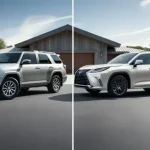
Many buyers wonder whether the extra cost of AWD is worth it. The answer depends on how you drive and where you live. Front-wheel drive has real advantages. It is simpler, lighter, and usually more efficient. All-wheel drive adds capability, but it also adds expense and a small fuel economy penalty.

Visual guide about Toyota RAV4 all-wheel-drive vehicle
Image source: toyotaautodealer.com
Here is a quick comparison to help you think through the choice:
| Feature | Front-Wheel Drive | All-Wheel Drive |
|---|---|---|
| Starting price | Lower | Higher |
| Fuel economy | Generally better | Slightly lower |
| Traction in snow | Good with proper tires | Better with standard tires |
| Driving feel | Light and efficient | More confident in slippery conditions |
| Best for | Mild climates, city driving | Rain, snow, variable weather |
The table makes the tradeoff clear. FWD saves money up front and helps you stretch every tank of gas. AWD gives you extra grip when the road gets slick. If you live in a place where winter storms are common, AWD can make a noticeable difference. If your winters are mild, FWD may be all you need.
When Front-Wheel Drive Makes Sense
Front-wheel drive works well for many buyers. If you mostly drive on paved roads and your weather is moderate, FWD is a practical choice. It is also a good option if you want to keep the purchase price and long-term fuel costs down.
FWD makes the most sense when:
- You live in a warm or dry climate.
- You do mostly city commuting.
- You want the lowest possible price.
- You are comfortable using winter tires if needed.
Even with front-wheel drive, good tires matter a lot. A set of proper all-season or winter tires can improve traction significantly. The drivetrain helps, but tires are the real contact point with the road.
When All-Wheel Drive Is Worth the Extra Cost
AWD is worth considering if your daily life includes unpredictable weather or mixed road conditions. It can also be a good fit if you simply want more confidence when accelerating from a stop in bad weather.
AWD is especially useful when:
- You deal with frequent rain or snow.
- Your area has hilly roads or slippery inclines.
- You want a more versatile vehicle for family trips.
- You prefer extra traction without thinking about it.
Remember that AWD helps you get moving and stay stable. It does not replace safe driving habits. Slowing down, leaving extra space, and choosing the right tires still matter a lot.
Rav4 Hybrid and Prime AWD Differences
The Rav4 Hybrid and Rav4 Prime add another layer to the drivetrain conversation. In many cases, these electrified versions handle AWD differently than the standard gas models. That is because the hybrid system can use electric motors to help drive the rear wheels.
On hybrid models, the electric motor often powers the rear wheels when extra traction is needed. This creates a responsive and efficient AWD setup. The gas engine typically drives the front wheels, while the electric system adds rear-wheel support when necessary.
This design brings a few advantages:
- Smooth power delivery.
- Efficient use of energy.
- Strong traction without a bulky mechanical setup.
- A refined driving experience.
The Rav4 Prime, which is a plug-in hybrid, also offers strong performance. It combines electric driving range with the flexibility of a hybrid powertrain. For many buyers, this makes it one of the most appealing versions of the Rav4. If you want AWD and electrified efficiency together, the hybrid and Prime options deserve a close look.
Do Hybrid Models Always Have AWD?
Not always, but many hybrid trims do include AWD as standard. That said, availability can still vary by model year and market. It is best to confirm the exact configuration before you buy. Some base hybrid models may be front-wheel drive only in certain cases, while higher hybrid trims often come with AWD.
If AWD is important to you, the hybrid lineup is often a smart place to shop. You may get standard AWD without needing to pay for an optional upgrade. That simplicity can make the buying process easier.
What This Means for Fuel Economy and Cost
Drivetrain choice affects more than just traction. It also influences fuel economy, purchase price, and sometimes long-term ownership costs. Front-wheel drive models usually get better mileage because they are lighter and have less mechanical drag. AWD models add components that can reduce efficiency a bit.
The difference is not always huge, but it is noticeable over time. If you drive a lot of miles each year, the fuel savings from FWD can add up. On the other hand, if AWD helps you feel safer and more confident, the extra cost may be worth it for peace of mind.
Things to weigh when comparing costs:
- Purchase price difference between FWD and AWD.
- Estimated fuel economy for each drivetrain.
- Your annual mileage and local gas prices.
- Tire replacement costs and availability.
- Resale value in your region.
In some markets, AWD vehicles are more popular and may hold their value a little better. In other places, buyers care more about fuel economy and price. Think about what matters most in your area.
Quick Tips for Choosing the Right Drivetrain
Here are a few simple tips to help you decide:
- Match the drivetrain to your climate. If snow is rare, FWD may be enough.
- Think about your daily routes. Hills and slick roads favor AWD.
- Compare total cost, not just sticker price. Fuel economy matters too.
- Ask about tire options. Good tires can improve either drivetrain.
- Test drive both versions if possible. The feel can be different.
Common Mistakes When Buying a Rav4
Shoppers sometimes assume every Rav4 has the same drivetrain. That assumption can lead to surprises at the dealership or during a private sale. Another common mistake is focusing only on the trim name without checking the actual equipment list. Trim names can be misleading if you do not verify the details.
Here are a few mistakes to avoid:
- Assuming AWD is standard on every model.
- Ignoring fuel economy differences.
- Overpaying for AWD you will rarely use.
- Skipping the test drive in slippery conditions.
- Forgetting to check tires and their condition.
A careful buyer checks the spec sheet, asks direct questions, and confirms the drivetrain before signing anything. That small step can save time, money, and frustration later.
Expert Insight on Drivetrain Choice
The best drivetrain is the one that fits your real life, not just the one that sounds impressive. If you mostly drive on dry pavement, front-wheel drive can be a smart and economical choice. If you want extra confidence in changing weather, AWD is a valuable upgrade. The Rav4 gives you both paths, which is part of its appeal.
It also helps to think long term. Consider how your needs might change over the next several years. A new job, a longer commute, or a move to a different region can change what matters most. Buying with the future in mind leads to a better decision.
Final Thoughts on Are All Toyota Rav4 Models All Wheel Drive
So, are all Toyota Rav4 models all wheel drive? No, they are not. Toyota gives buyers a choice. Some Rav4 models come with front-wheel drive, while others offer all-wheel drive as an option or standard equipment. Hybrid and plug-in hybrid versions often make AWD more accessible, but the exact setup still depends on the trim and model year.
The right choice comes down to your climate, budget, and driving habits. If you want the lowest price and best fuel economy, front-wheel drive is a solid option. If you want extra traction for rain, snow, or slick roads, AWD is worth considering. Either way, the Rav4 remains a practical and dependable compact SUV.
Before you buy, verify the drivetrain on the specific vehicle you are interested in. Check the trim, the options, and the window sticker if available. That simple step ensures you get the right Rav4 for your needs.
Frequently Asked Questions
Are all Toyota Rav4 models all wheel drive?
No, not every Toyota Rav4 comes with all-wheel drive. Many models start with front-wheel drive, and AWD is often available as an option or standard on certain trims.
Which Toyota Rav4 trims come with AWD?
AWD availability depends on the model year and trim. On many gas models, AWD is an optional upgrade. On several hybrid trims, AWD is often standard. Always check the specific vehicle to confirm.
Is front-wheel drive enough for the Toyota Rav4?
For many buyers, yes. If you live in a mild climate and mostly drive on paved roads, front-wheel drive can be a practical and efficient choice. Good tires also help improve traction.
Do Toyota Rav4 Hybrid models have all-wheel drive?
Many Rav4 Hybrid models include AWD, and in some cases it is standard. The hybrid system can power the rear wheels with an electric motor when extra traction is needed.
Does AWD on the Rav4 improve fuel economy?
No, AWD usually reduces fuel economy slightly compared with front-wheel drive. The added weight and mechanical components can lower mileage a bit, though the difference varies by model and driving habits.
Should I buy AWD if I live in a warm climate?
If snow and heavy rain are rare where you live, AWD may not be necessary. Front-wheel drive can save money upfront and deliver better fuel economy. Choose AWD only if you expect to need extra traction often.