
The a/t oil temp toyota gauge tells you how hot your automatic transmission fluid is running. If the temperature climbs too high, you risk serious damage to your gearbox and engine. This guide explains exactly what that dashboard light means, why it matters, and how to keep your ride running cool. You will learn simple driving habits and maintenance tips to protect your car.
Key Takeaways
- Monitor your gauge: Keeping an eye on the a/t oil temp toyota reading helps you catch overheating early.
- Know the safe range: Transmission fluid should stay between 170 and 220 degrees Fahrenheit for best performance.
- Avoid heavy loads in heat: Towing or climbing steep hills raises fluid temperature fast.
- Check fluid levels: Low or old transmission fluid causes poor cooling and higher temps.
- Let the engine warm up: Gentle driving for the first few minutes helps the transmission reach a stable temperature.
- Use the right fluid: Toyota recommends specific automatic transmission fluid for each model.
- Pull over if needed: If the gauge spikes into the red, stop driving and let the car cool down.
📑 Table of Contents
Understanding the a/t oil temp toyota Gauge
Your dashboard has many lights and gauges. One of the most important is the a/t oil temp toyota indicator. This gauge shows the temperature of the fluid inside your automatic transmission. The fluid does more than just help gears shift. It also cools the transmission, lubricates moving parts, and transfers power from the engine. When the fluid gets too hot, it breaks down. That leads to rough shifts, slipping, and even total failure.
Many drivers ignore this gauge until a warning light pops up. That is a big mistake. The temperature reading gives you a real time look at how your car is handling stress. City traffic, hot weather, and heavy loads all push the temperature up. A healthy transmission keeps the reading in a safe zone. If you see the needle climbing, you can change your driving habits right away. That simple step can save you thousands of dollars in repairs.
Toyota builds its vehicles with reliable transmissions. The a/t oil temp toyota system is part of that reliability. Yet even the best gearbox needs proper care. You do not need to be a mechanic to understand this gauge. You just need to know what the numbers mean and how to react when they change. In the sections below, we break down everything you need to know in plain language.
How the Temperature Sensor Works
Modern Toyota cars use a sensor inside the transmission. This sensor measures the heat of the fluid as it circulates. The data goes to the dashboard display or the vehicle info screen. Some models show a simple gauge with a safe zone. Others show a digital number in degrees. Both styles give you the same core information. The sensor works alongside the engine control module to keep the car running smoothly.
What the Numbers Mean
Temperature readings fall into a few clear ranges. You can think of them like traffic lights. Green means safe. Yellow means caution. Red means stop and cool down. Here is a quick guide to help you read the gauge:
- 170 to 180 F: This is the ideal range for daily driving. The fluid is warm and flows well.
- 190 to 210 F: This is still safe for most trips. Long climbs or heavy traffic can push the temp here.
- 220 to 240 F: This is the caution zone. The fluid starts to lose some protective qualities. Drive lighter and slower if possible.
- 250 F and above: This is the danger zone. The fluid can break down fast. Stop and let the car cool if you see this reading.
Quick Tips for Reading Your Gauge
Keep these simple habits in mind when you drive:
- Check the gauge during long trips or hot days.
- Notice how the reading changes when you accelerate hard.
- Compare your normal reading to the reading after towing or hill climbing.
- Use the vehicle info screen if your model has one.
Why a/t oil temp toyota Matters for Your Drivetrain
Transmission fluid is the lifeblood of your automatic gearbox. It carries heat away from the clutch packs and gears. It also keeps seals soft and prevents wear. When the a/t oil temp toyota reading climbs too high, the fluid thins out. Thin fluid does not protect parts as well. It also loses its ability to cool the transmission. That creates a vicious cycle. Higher heat leads to more wear. More wear leads to even higher heat.

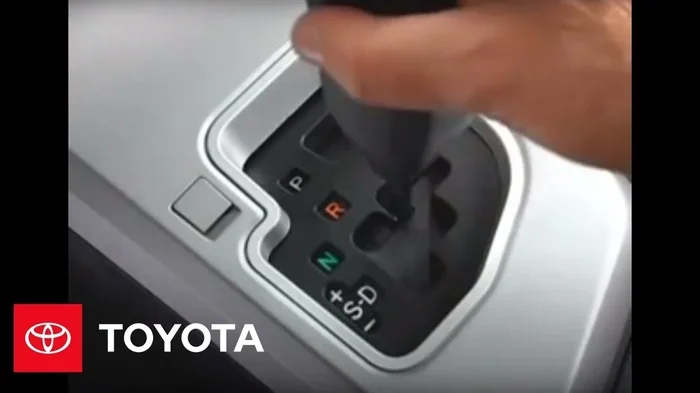
Visual guide about Toyota transmission temperature gauge
Image source: i.ytimg.com
This is why the gauge matters so much. It gives you a chance to break that cycle before damage happens. Many transmission failures start with overheating. The parts do not break all at once. They wear down slowly over time. By watching the temperature, you can spot the early warning signs. You can also avoid habits that push the fluid into the red zone.
The Link Between Heat and Fluid Breakdown
Automatic transmission fluid contains additives that fight heat and friction. These additives work well within a normal temperature range. When the fluid gets too hot, the additives break down faster. The fluid turns darker and smells burnt. It also becomes less slippery. That causes more friction inside the gearbox. More friction creates more heat. This cycle is one of the main reasons transmissions fail early.
How Heat Affects Shifting
You may notice rough shifts when the fluid is hot. The transmission may hesitate or jerk. That happens because the fluid cannot pressurize the clutches properly. The solenoids and valves also work less efficiently when the fluid is thin. If you feel these shifts often, check your temperature gauge. A simple fluid change or driving habit change can fix the problem before it gets worse.
Common Signs of Overheating Fluid
Watch for these warning signs alongside your gauge reading:
- A burning smell from under the car
- Delayed or harsh gear changes
- Slipping between gears
- Transmission warning lights on the dash
- Fluid leaks under the car
What Causes High a/t oil temp toyota Readings
Several everyday factors can push your transmission temperature up. Some of them are obvious. Others sneak up on you. Knowing the causes helps you avoid them. It also helps you decide when to take extra care with your car.
Heavy Loads and Towing
Towing a trailer or carrying a heavy load puts extra stress on the transmission. The engine works harder. The transmission shifts more often. Both actions create more heat. If you tow often, you should watch the a/t oil temp toyota gauge closely. You may also want to use a transmission cooler if your vehicle does not have one. Many Toyota trucks and SUVs handle towing well, but they still need proper monitoring.
Stop and Go Traffic
City driving can be tough on transmissions. Constant stopping and starting keeps the fluid from cooling down. The transmission stays in low gears for long periods. That builds up heat over time. If you drive in heavy traffic often, plan for breaks on longer trips. Let the car idle for a few minutes if the gauge starts to climb.
Hot Weather and Poor Cooling
Summer heat affects every part of your car. The transmission cooler works harder when the outside air is hot. If the cooler is clogged or the fan is weak, the fluid cannot shed heat fast enough. A quick look at your coolant system can help. A healthy engine cooling system also helps the transmission stay cool. Many parts of the car share the same airflow and cooling paths.
Old or Low Transmission Fluid
Fluid that is old or low cannot cool the transmission well. It also loses its ability to lubricate. Low fluid causes the pump to work harder. That creates more heat. Old fluid turns dark and loses its additives. If you are not sure when the fluid was last changed, check your maintenance records. You can also learn more about the right fluid for your model by reading what type of oil does a 2007 toyota camry take. While that guide focuses on engine oil, it also explains why using the correct fluid matters for Toyota vehicles.
Aggressive Driving Habits
Hard acceleration and frequent fast shifts raise transmission temperature quickly. The clutches engage with more force. The fluid heats up from friction. If you enjoy spirited driving, give the gearbox time to cool between hard runs. A few gentle miles can bring the temperature back down.
How to Keep Your a/t oil temp toyota in the Safe Zone
You do not need expensive tools to manage transmission temperature. Simple habits make a big difference. The goal is to keep the fluid in its comfortable range. That keeps the additives working and the parts protected. Here are the best ways to stay in the safe zone.
Warm Up Gently
Start your car and let it idle for a short time on cold mornings. Gentle driving for the first few minutes helps the fluid warm up evenly. Do not floor the gas right away. Let the transmission reach a steady temperature before you push it. This is one of the easiest habits to build.
Drive Smoothly in Heat
Smooth acceleration and early braking reduce stress on the transmission. You also help the fluid stay cooler. Try to anticipate traffic so you do not brake or accelerate hard all the time. This habit saves fuel too. It is a win for your car and your wallet.
Check Fluid Levels and Condition
Low fluid is a common cause of overheating. Check the level according to your owner manual. Look at the color too. Fresh fluid is usually red or light amber. Dark brown or black fluid needs attention. If you are unsure about the right fluid for your transmission, you can explore who makes toyota motor oil to understand how Toyota matches fluids to its vehicles. Using the correct fluid helps the transmission run at the right temperature.
Use the Right Fluid for Your Model
Toyota designs its transmissions for specific fluids. The fluid thickness and additives matter a lot. The wrong fluid can cause shifting issues and higher temperatures. Always follow the recommendation in your owner manual. If you want to compare models and their needs, you might also look at what engine does a toyota camry have. Understanding your engine and transmission combo helps you choose the right care routine.
Take Breaks on Long Trips
Long highway drives can still raise transmission temperature, especially in summer. Plan short stops every few hours. Let the car idle or shut it off for a few minutes. That gives the fluid a chance to cool. If you tow often, this step is even more important.
Keep the Cooling System Healthy
Your engine cooling system and transmission cooler work together. Clean coolant, a working radiator, and a strong fan all help. If your temperature gauge climbs too fast, have a mechanic check the cooling system. A small fix now can prevent a big repair later.
Quick Tips for Everyday Driving
- Watch the gauge during the first 10 minutes of driving.
- Avoid hard launches from a stop in hot weather.
- Use cruise control on long highway stretches when safe.
- Park in shade when possible on very hot days.
- Keep up with routine fluid checks and changes.
When to Worry and What to Do Next
Sometimes the gauge climbs even when you drive carefully. That does not always mean disaster. It does mean you should pay attention. Knowing when to act can save your transmission. Here is a simple plan for high readings.
Step by Step Response to a High Reading
If the a/t oil temp toyota gauge moves into the caution zone, take these steps:
- Ease off the gas and drive at a steady speed.
- Turn on the heater to draw heat away from the engine bay.
- Avoid sharp turns and hard braking if possible.
- Find a safe place to pull over if the reading keeps rising.
- Let the car idle for a few minutes before shutting it off.
When to Call a Mechanic
Some issues need professional help. Call a mechanic if you notice any of these signs:
- The gauge stays high even after cooling down.
- You see fluid leaks under the car.
- The transmission slips or refuses to shift.
- The fluid smells burnt or looks very dark.
- Warning lights stay on after the temperature drops.
Common Mistakes to Avoid
Drivers often make a few simple mistakes with transmission heat. Avoid these traps:
- Ignoring the gauge: Small temperature rises can become big problems.
- Overfilling the fluid: Too much fluid can cause foaming and poor cooling.
- Using the wrong fluid: The wrong formula can raise temps and hurt shifts.
- Towing without monitoring: Heavy loads demand extra attention to the gauge.
- Delaying fluid changes: Old fluid loses its ability to protect and cool.
Expert Insights on Transmission Longevity
Mechanics often say that heat is the number one enemy of automatic transmissions. That is why monitoring the a/t oil temp toyota gauge is such a smart habit. A transmission that stays in its normal range can last for many years. One that runs hot for long periods often needs early repairs. Regular fluid service also makes a big difference. Fresh fluid keeps the additives strong. It also helps the cooler do its job. If you want to understand more about how Toyota builds its vehicles for durability, you can read why does toyota last so long. That guide explains the care and design choices that help these cars stay on the road.
Key Takeaways for Safe Driving
To keep your transmission healthy, remember these points:
- Watch the gauge as part of your normal driving routine.
- Keep the fluid at the right level and in good condition.
- Drive gently when the weather is hot or the roads are crowded.
- Take breaks on long trips and during heavy towing.
- Fix cooling issues early instead of waiting for a failure.
- Use the fluid that matches your Toyota model.
Final Thoughts on the a/t oil temp toyota Gauge
Your transmission works hard every time you drive. It shifts gears, transfers power, and handles heat. The a/t oil temp toyota gauge gives you a simple way to watch that effort. When you understand the reading, you can make smarter choices behind the wheel. You can also protect your car from avoidable damage. A few minutes of attention can lead to years of reliable driving. Keep the fluid clean, the cooling system healthy, and the temperature in check. Your Toyota will thank you with smooth shifts and a long service life.
Frequently Asked Questions
What is a normal a/t oil temp toyota reading?
A normal reading usually sits between 170 and 210 degrees Fahrenheit during regular driving. If your gauge stays in this range, your transmission fluid is doing its job well. You should only worry if the number keeps climbing toward the red zone.
What happens if the a/t oil temp toyota gets too high?
High temperature thins the fluid and breaks down its protective additives. That can lead to rough shifts, slipping, and long term wear inside the transmission. If the heat stays high for too long, the gearbox may fail much sooner than expected.
How can I lower the a/t oil temp toyota while driving?
You can ease off the gas, drive at a steady speed, and avoid hard acceleration. Turning on the heater can also help pull heat away from the engine area. If the temperature keeps rising, pull over safely and let the car idle before shutting it off.
Does towing raise the a/t oil temp toyota reading?
Yes, towing adds extra load and stress to the transmission. That makes the fluid work harder and heat up faster. If you tow often, watch the gauge closely and consider a transmission cooler if your vehicle does not have one.
How often should I check the transmission fluid for a/t oil temp toyota concerns?
You should check the fluid level and condition during routine maintenance or whenever you notice shifting issues. Many drivers check it at least once a year or before long trips. Fresh fluid and the correct level help keep the temperature in a safe range.
Can the wrong fluid cause a high a/t oil temp toyota reading?
Yes, the wrong fluid can change how the transmission handles heat and pressure. It may not cool the gearbox as well or protect the parts properly. Always use the fluid recommended for your specific Toyota model to keep the temperature under control.