

Toyota vehicles face potential price changes due to evolving trade policies and import tariffs. Understanding how tariffs impact Toyota helps you make smarter buying decisions. This guide breaks down the facts, timelines, and what to expect before you shop for your next car.
Buying a car is a big decision. You want to know the real cost, not just the sticker price. Trade policies can change what you pay at the dealership. Many shoppers ask the same question today: will Toyotas be affected by tariffs? The short answer is yes, but the full picture is more nuanced.
Tariffs are taxes on goods that cross borders. When a government places a tariff on auto parts or finished vehicles, manufacturers often pass some of that cost to buyers. Toyota builds cars in several countries. That means some models face more trade pressure than others. The impact also depends on how companies adjust their supply chains over time.
In this guide, we will break down how tariffs work, which Toyota vehicles are most exposed, and what this means for your wallet. You will also learn practical tips to shop smart and avoid overpaying. Let us dive in.
Key Takeaways
- Tariffs directly impact vehicle pricing: Import duties on foreign-made parts and assembled vehicles can raise the final sticker price for Toyota buyers.
- Manufacturing locations matter: Toyota builds cars in multiple countries, so tariff exposure varies by model and assembly plant.
- Supply chain shifts are underway: Toyota is adjusting sourcing and production to reduce tariff risks and keep costs stable.
- Not all models are affected equally: Trucks, SUVs, and hybrids may see different price impacts based on where components are made.
- Buyers should time their purchases carefully: Waiting for policy clarity or shopping during promotional periods can help offset potential price hikes.
- Long-term outlook remains stable: Toyota has a strong history of adapting to trade changes, so major disruptions are unlikely to persist.
📑 Table of Contents
How Tariffs Impact Toyota Pricing
Tariffs change the cost of making and moving cars. When parts come from overseas, a tariff adds a fee at the border. When a finished vehicle is imported, another fee may apply. Manufacturers usually absorb some of that cost, but they also raise prices to protect their margins. That is why tariff impact on Toyota vehicles can show up as higher monthly payments or a higher out-the-door price.
Where Toyota Builds Its Vehicles
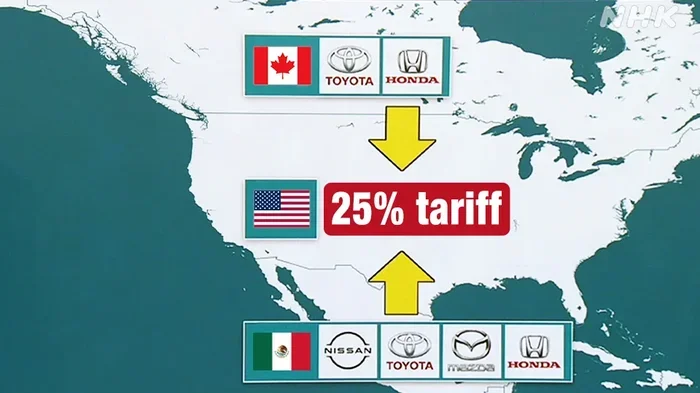
Toyota operates factories in many regions. The United States, Japan, Canada, Mexico, and several Asian countries all host Toyota production sites. This global footprint helps the company balance costs and meet local demand. It also means tariff exposure varies by model. A truck built in Texas may face different trade rules than a sedan assembled in Japan.
Here is a simple look at how location changes the equation:
- North American assembly: Vehicles built in the U.S., Canada, or Mexico often qualify for trade agreements that lower or remove certain tariffs.
- Asian and European sourcing: Parts and vehicles from outside North America may face higher duties, depending on current trade policy.
- Mixed supply chains: Many cars use parts from several countries. Even a domestically assembled vehicle can include imported components that carry tariff costs.
How Costs Flow to Buyers
Dealers do not always raise prices the moment a tariff is announced. Companies may use inventory, negotiate with suppliers, or shift production to soften the blow. Still, if tariffs stay in place, the added cost usually reaches shoppers over time. The result is often a modest price increase rather than a sudden spike. That is why Toyota tariff impact is usually felt gradually, not all at once.
Quick Tip
Ask your dealer about the build origin of the exact trim you want. Two cars with the same badge can have different manufacturing paths, and that can affect how trade policy influences the price.
Which Toyota Models Face the Most Tariff Risk
Not every Toyota vehicle carries the same trade exposure. Trucks, SUVs, sedans, and hybrids all use different parts, assembly methods, and sourcing strategies. To understand how tariffs affect Toyota, it helps to look at each segment separately.

Visual guide about Toyota vehicles US auto tariffs
Image source: toyotaautodealer.com
Trucks and Large SUVs
Pickups and larger SUVs often use heavy steel, large engines, and many components. Some of those parts may come from outside the country of final assembly. If tariffs target steel, aluminum, or specific components, these vehicles can see cost pressure. At the same time, popular trucks often have strong demand, which gives manufacturers more room to manage pricing.
Sedans and Compact Models
Smaller cars usually have different cost structures. They may rely more on high-volume parts and streamlined assembly. That can make them less sensitive to certain tariffs, though imported electronics and components still matter. If trade rules change on consumer goods or technology parts, these models can also feel the effect.
Hybrids and Electrified Options
Hybrid systems include batteries, motors, power electronics, and specialized sensors. Some of these components are sourced globally. Trade policy on batteries or electronic parts can influence hybrid pricing. As Toyota expands its electrified lineup, the company also adjusts where it sources key parts. That helps reduce risk, but it does not remove it entirely.
Common Mistake
Assuming every Toyota has the same tariff exposure. In reality, the model, trim, and assembly location all matter. Always check the specific vehicle you are considering rather than guessing based on the brand alone.
Toyota’s Supply Chain and Manufacturing Strategy
Toyota is known for careful planning. The company has spent decades building a flexible supply chain. That strategy matters when trade rules shift. To understand will Toyotas be affected by tariffs, you need to look at how the company sources parts and manages production.
Multi-Country Sourcing
Toyota often buys parts from several suppliers in different regions. This approach lowers the risk of a single trade dispute disrupting production. If one source becomes more expensive due to tariffs, the company can adjust volumes or renegotiate contracts. It is not a perfect shield, but it helps.
Local Production Where It Makes Sense
Building vehicles close to the market reduces shipping costs and trade risk. Toyota has expanded local assembly in key regions to serve buyers more efficiently. Local production can also help the company qualify for trade agreements that lower duties. This is one reason Toyota trade policy responses often focus on regional manufacturing.
Supplier Relationships
Long-term partnerships give Toyota more stability. When suppliers and automakers work closely, they can plan for cost changes and share forecasts. That cooperation makes it easier to absorb short-term tariff shocks without major disruptions. It also supports steady quality, which matters to buyers.
Expert Insight
Trade costs are only one piece of the pricing puzzle. Labor, materials, logistics, and demand all shape the final price. A tariff may raise costs, but smart manufacturing and sourcing can limit what shoppers actually pay.
What This Means for Toyota Buyers
If you are shopping for a Toyota, you probably want clear answers. The good news is that tariff changes usually unfold over months, not days. That gives buyers time to plan. Here is what to watch if you are wondering will Toyota prices go up due to tariffs.
Timing Your Purchase
Trade announcements can create uncertainty, but they do not always lead to immediate price changes. Dealers often have existing inventory that was built before new duties take effect. That means you may find stable pricing in the short term. If you are ready to buy, comparing multiple dealers can help you find the best deal.
Watch for Incentives
When demand shifts or inventory builds, manufacturers and dealers may offer promotions. These can include financing deals, cash incentives, or bonus equipment. Incentives can offset some of the pressure from higher costs. Always ask what current offers apply to the model you want.
Compare Total Cost, Not Just the Sticker
The out-the-door price includes taxes, fees, and optional add-ons. A tariff-related price change might be small compared with other costs. Focus on the full package. Negotiate carefully, and make sure you understand every line item before you sign.
Quick Tip
Get quotes from several dealerships. Prices can vary even within the same city. A little comparison shopping goes a long way when trade policy is in flux.
How Toyota May Adjust to New Trade Policies
Automakers rarely sit still when trade rules change. They adjust sourcing, shift production, and sometimes redesign parts to reduce costs. Toyota has a strong track record of adapting to market changes. That matters when people ask are Toyota vehicles tariff exempt or how the company will respond to new duties.
Shifting Production and Sourcing
If a tariff makes one supply route more expensive, Toyota can move more volume to another plant or supplier. This takes time, but it is a practical way to limit long-term cost increases. The company may also increase local sourcing for certain parts to reduce dependence on cross-border shipments.
Design and Engineering Choices
Sometimes engineers can simplify a part or use a different material to lower costs. These changes are not always visible to buyers, but they help keep prices manageable. Small adjustments across many components can add up to meaningful savings.
Inventory and Forecasting
Toyota plans ahead. By forecasting demand and tracking trade developments, the company can position inventory more wisely. That helps dealers stay stocked while reducing the risk of sudden price swings. Good forecasting also supports smoother production schedules.
Common Mistake
Waiting indefinitely for the perfect moment. Trade policy can be unpredictable, and waiting too long may mean missing current incentives or favorable pricing. Balance patience with practical timing.
Long-Term Outlook for Toyota Prices
Most buyers care about two things: what happens next, and what happens over time. In the near term, Toyota tariff impact may show up as small price adjustments or limited incentives. Over the longer term, the company’s flexible manufacturing and broad supplier network should help keep things steady.
Why Stability Is Likely
Toyota has dealt with trade changes before. The company has experience managing costs, adjusting supply chains, and keeping production running smoothly. That history suggests it can handle new duties without major disruption. Buyers should expect gradual changes rather than dramatic shocks.
What Could Change the Picture
Several factors can influence the outcome. The scope of any tariff, the duration of the policy, and how other countries respond all matter. Exchange rates, fuel prices, and consumer demand also play a role. In other words, tariffs are important, but they are not the only force shaping Toyota pricing.
Practical Expectations
If you are planning to buy, think in terms of months, not days. Monitor official announcements, check dealer inventory, and compare offers. If you find a strong deal now, it may make sense to move forward. If you can wait, keep an eye on how trade policy evolves and watch for new incentives.
Quick Tip
Set a budget based on the total cost you can afford, not just the base price. That way, small price changes will not derail your plan.
Key Takeaways
- Tariffs can raise costs, but the effect is usually gradual: Expect modest changes over time rather than sudden price spikes.
- Build origin matters: Vehicles assembled in North America may face different trade rules than imported models.
- Different models have different risk levels: Trucks, sedans, and hybrids each have unique parts and sourcing needs.
- Toyota adapts through flexible sourcing: Multi-country supply chains and local production help reduce tariff risk.
- Shop smart and compare offers: Incentives, dealer pricing, and total cost all matter when trade policy is uncertain.
- Long-term stability is likely: Toyota’s experience and manufacturing strategy support a steady pricing outlook.
If you are still wondering will Toyotas be affected by tariffs, the clearest answer is that some impact is possible, but it is manageable. Toyota’s global production network, supplier relationships, and planning habits all help limit the effect on buyers. The most important thing you can do is stay informed, compare options, and focus on the total cost of the vehicle you want.
Trade policy will keep evolving, and automakers will keep adapting. That means the best move is to shop with a clear budget and a calm timeline. When you understand how tariffs work and how Toyota responds, you can make a confident choice. That is the smart way to approach your next purchase.
Frequently Asked Questions
Will Toyotas be affected by tariffs in the United States?
Yes, some Toyota vehicles and parts can be affected by tariffs, depending on where they are built and sourced. The impact varies by model, assembly location, and current trade policy.
Are all Toyota models equally exposed to tariff costs?
No, exposure differs by vehicle type and supply chain. Trucks, SUVs, sedans, and hybrids each use different parts and production paths, so the tariff impact is not the same across the lineup.
Do tariffs always lead to higher Toyota prices?
Not always right away. Manufacturers may use inventory, adjust sourcing, or offer incentives to soften the effect. Over time, though, sustained tariffs can contribute to higher prices for some models.
Which Toyota vehicles are built in North America?
Many popular models are assembled in the U.S., Canada, or Mexico, including several trucks, SUVs, and sedans. The exact build location can vary by trim and production schedule, so it is worth checking the specific vehicle.
Should I wait to buy a Toyota if tariffs are expected?
It depends on your timeline and budget. If you find a strong deal now, waiting may not help. If you can be flexible, monitor trade updates and dealer incentives before making your decision.
How can I reduce the tariff impact when shopping for a Toyota?
Compare multiple dealers, ask about the vehicle’s build origin, and look for current incentives. Focus on the total out-the-door price rather than only the base sticker price.


