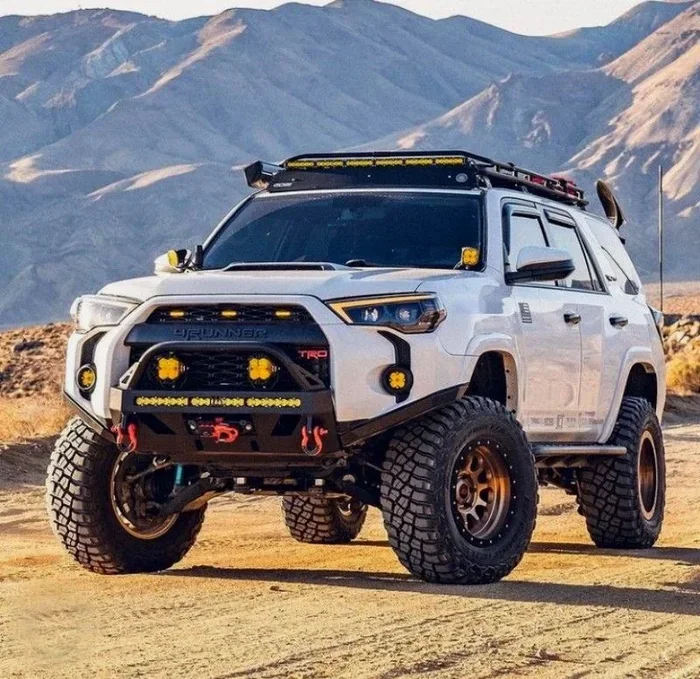
Toyota 4Runners remain one of the most trusted SUV choices for adventurers and daily drivers alike. Their legendary reliability, strong resale value, and proven off-road capability make them a smart long-term investment. However, they are not perfect, and knowing their quirks helps you decide if this rugged vehicle fits your lifestyle.
If you have ever wondered are Toyota 4Runners good cars, you are not alone. This rugged SUV has built a loyal following over the years, and for good reason. People trust it for weekend trail trips, daily commutes, and everything in between. It carries a reputation for lasting a long time and holding its value better than most competitors.
In this guide, we will look at the real-world strengths and weaknesses of the 4Runner. You will learn how it handles on and off the road, what owners love, what they complain about, and how it stacks up against similar vehicles. We will also share practical buying tips and maintenance advice so you can make a confident decision.
Key Takeaways
- Legendary Reliability: Toyota 4Runners consistently rank among the most dependable SUVs on the market, with many examples reaching 200,000+ miles with basic care.
- Excellent Resale Value: They hold their value exceptionally well, often retaining over 70% of their worth after five years, making them a smart financial choice.
- Proven Off-Road Capability: The standard part-time 4WD system, locking differentials, and robust suspension make them highly capable on trails and rough terrain.
- Comfort and Fuel Economy Trade-offs: They prioritize durability and capability over refinement, so ride quality, cabin noise, and gas mileage lag behind modern crossovers.
- Common Issues to Watch: Older models may show throttle body wear, rear differential leaks, or interior trim cracks, but serious mechanical failures are rare.
- Best for Specific Buyers: They shine for outdoor enthusiasts, families needing a rugged daily driver, and anyone who values long-term ownership costs over luxury features.
- Used Buying Tips: Focus on maintenance records, rust inspection, and 4WD system function rather than cosmetic perfection when shopping for a pre-owned 4Runner.
📑 Table of Contents
- Why the Toyota 4Runner Has a Strong Reputation
- Reliability and Long-Term Ownership Costs
- Off-Road Capability and Everyday Usability
- Resale Value and Total Cost of Ownership
- Common Complaints and Real-World Trade-Offs
- Who Should Buy a Toyota 4Runner?
- Final Thoughts on the 4Runner’s Strengths and Limits
- Conclusion
Why the Toyota 4Runner Has a Strong Reputation
The 4Runner earned its name by doing two jobs well. It works as a capable off-road SUV and as a practical family hauler. This dual nature is rare. Many vehicles lean too far toward comfort or too far toward ruggedness. The 4Runner sits in the middle and keeps improving with each generation.
Toyota built this truck-based SUV with a body-on-frame design. That means it uses a strong frame under the body, similar to a pickup truck. This setup helps it handle rough terrain, heavy loads, and long-term wear. It also gives the vehicle a solid feel that many drivers appreciate on bumpy roads.
Another reason for its strong reputation is consistency. The core design has stayed focused on reliability and utility. You will not find the flashiest interior or the most advanced tech in every model year, but you will find a vehicle that tends to start, drive, and last. That kind of steady performance builds trust over time.
What Makes the 4Runner Different From Crossovers
Many modern SUVs are built on car platforms. They are lighter, smoother, and often more fuel-efficient. The 4Runner takes a different path. It uses a truck-based structure that favors toughness and off-road ability. This choice affects ride quality, cargo space, and gas mileage, but it also gives the 4Runner real strength in challenging conditions.
If you mostly drive on paved roads, a crossover may feel easier to live with day to day. If you want a vehicle that can carry a roof rack, tow a small trailer, or tackle a muddy trail with confidence, the 4Runner has a clear edge. It is a tool-first vehicle, not a luxury-first one.
Reliability and Long-Term Ownership Costs
When people ask are Toyota 4Runners good cars, they often want to know if the vehicle will stay dependable for years. The short answer is yes, with proper care. The 4Runner has a strong track record for avoiding major mechanical failures. Many owners report high mileage with routine maintenance and few big repair bills.
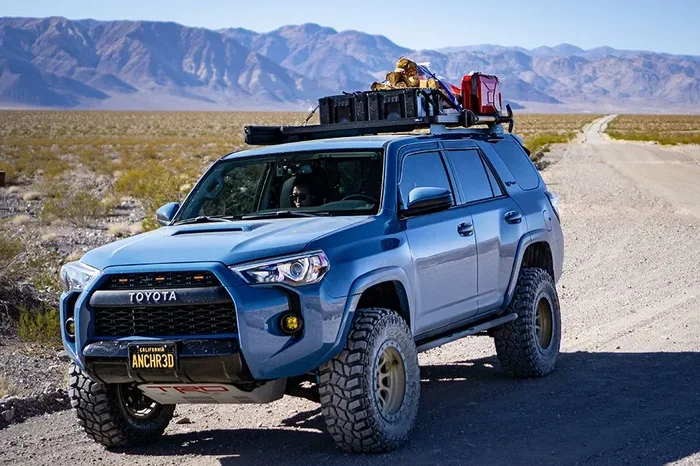
Visual guide about Toyota 4Runner off-road adventure
Image source: i.pinimg.com
This reliability matters because it affects total cost of ownership. A vehicle that needs fewer unexpected repairs usually costs less to keep over time. It also reduces stress. You do not want to worry about a breakdown when you are far from home or in the middle of a trip. The 4Runner is known for giving owners peace of mind in that regard.
Of course, no vehicle is immune to wear. Parts age, fluids break down, and suspension components eventually need attention. The difference is that the 4Runner’s core systems tend to be straightforward and well-supported by parts availability. That makes long-term ownership more manageable.
Common Maintenance Areas to Watch
Even a dependable SUV needs regular care. The 4Runner benefits from simple, consistent maintenance. Oil changes, fluid checks, brake inspections, and tire rotations go a long way. Owners should also pay attention to a few areas that often come up in discussions about the vehicle.
- Throttle body and idle issues: Some older models can develop rough idle or throttle response quirks over time. Cleaning or servicing the throttle body may help.
- Rear differential leaks: Differential seals can wear and leak fluid. Catching this early helps prevent more serious damage.
- Suspension wear: Bushings, ball joints, and shocks naturally wear with age and use. Off-road driving can speed up this process.
- Interior trim and plastics: Hard plastics may crack or loosen after many years. This is mostly cosmetic, but it is worth checking if you want a tidy cabin.
These issues do not make the 4Runner a poor choice. They simply remind us that every vehicle has age-related wear points. A well-maintained example usually avoids the worst of them.
How Reliability Compares to Competitors
It helps to compare the 4Runner with similar vehicles when judging long-term value. Some rivals may offer smoother rides or more advanced technology. Others may cost less up front. But if your priority is durability and predictable ownership costs, the 4Runner often stands out.
This is one reason many buyers also look closely at Toyota’s broader lineup when choosing a vehicle. If you want to understand how the brand approaches durability across different models, you may enjoy reading about how reliable Toyota Corollas are, since that car shares some of the same reputation for steady, long-term performance.
Off-Road Capability and Everyday Usability
The 4Runner is famous for going places many SUVs cannot. It comes with a part-time four-wheel drive system that lets you switch into low-range mode for tough terrain. This setup helps with sand, mud, rocks, snow, and steep grades. It is not a luxury feature. It is a functional tool for people who actually use their vehicle off the pavement.
For serious off-road use, many buyers add accessories or choose trim levels with extra hardware. Features like locking rear differentials, upgraded tires, and skid plates can improve confidence on trails. Even without major modifications, the stock 4Runner has a strong foundation for light to moderate off-road adventures.
At the same time, the 4Runner must also work as a daily driver. This is where the trade-offs show up. The ride can feel firm on rough pavement. Body roll is noticeable in tight corners. Road noise and cabin vibration can be higher than in some crossovers. These are the compromises that come with a truck-based design.
Who Benefits Most From This Capability
The 4Runner makes the most sense for people who need more than a pavement-only vehicle. If your weekends include camping, hiking, beach trips, or trail riding, the extra capability is meaningful. If you live in an area with snow or unpaved roads, the four-wheel drive system can also add confidence during bad weather.
Families often appreciate the durable nature of the vehicle. Parents like knowing the SUV can handle school runs, grocery trips, and a sudden detour to a campsite without feeling fragile. The cargo area and rear seating also make it practical for gear, pets, and passengers.
Everyday Comfort Considerations
If you spend most of your time on highways, comfort becomes a bigger factor. The 4Runner is usable every day, but it does not feel as refined as some newer unibody SUVs. Seat comfort, noise levels, and ride softness vary by trim and generation. Many owners accept these trade-offs because they value the vehicle’s toughness and versatility more than a plush cabin.
It helps to test drive the exact model year you are considering. Comfort can change from one generation to the next, and your personal preference matters more than any general statement. A vehicle that feels perfect to one driver may feel too firm or busy to another.
Resale Value and Total Cost of Ownership
One of the biggest reasons buyers choose the 4Runner is its strong resale value. This vehicle tends to hold its worth well compared with many other SUVs. That matters because a higher resale price can offset a higher purchase price over time. If you plan to sell or trade in later, the 4Runner often protects your wallet better than many rivals.
Strong demand also plays a role. People want capable, dependable SUVs, and the 4Runner has a clear identity in that market. When a vehicle is known for lasting a long time and staying useful for years, buyers are willing to pay for it on the used market. That creates a virtuous cycle for owners who want to recoup more of their investment.
Total cost of ownership includes more than the sticker price. You should think about fuel, insurance, maintenance, repairs, tires, and depreciation. The 4Runner may not be the cheapest vehicle to buy or fuel, but its long-term durability and value retention often balance the scale. For many owners, that makes the overall financial picture more attractive.
How to Think About Value When Buying Used
If you are shopping for a used 4Runner, value can be tricky. These vehicles often stay expensive on the used market because of their reputation. That does not mean every used example is a good deal. It means you should compare condition, mileage, service history, and region carefully.
A well-maintained higher-mileage example may be a better buy than a low-mileage one with neglected care. Rust, leaks, suspension wear, and 4WD system health matter more than shiny paint. If you are comparing regions and manufacturing origins, you might also find it useful to explore where Toyota 4Runners are manufactured, since build location can sometimes influence parts availability and regional spec differences.
Costs to Plan For
Even a dependable SUV has ongoing costs. Plan for routine service, tires, brakes, and occasional suspension work. If you use the vehicle off-road, budget for tires, recovery gear, and possible wear items. If you tow or carry heavy loads, monitor cooling systems, brakes, and transmission health more closely.
- Fuel: Expect moderate to lower fuel economy compared with crossovers. Driving style and terrain make a big difference.
- Tires: Off-road tires or aggressive all-terrains can reduce pavement comfort and increase noise, but they improve trail performance.
- Maintenance: Regular service is the best way to protect value. Neglect is the fastest way to turn a reliable SUV into a costly one.
- Insurance and registration: These vary by location and trim, so get real quotes before you buy.
Common Complaints and Real-World Trade-Offs
No vehicle is perfect, and the 4Runner has clear trade-offs. The most common complaints usually come from buyers who expected a softer, quieter, more fuel-efficient SUV. If you compare the 4Runner to a modern crossover, you will notice the differences. The ride can feel less smooth. The steering can feel less precise. The cabin can feel more utilitarian.
Some owners also mention that the infotainment and interior design can feel dated in certain model years. That does not mean the vehicle is bad. It means the 4Runner prioritizes function over flash. If you want the latest screens and luxury touches, you may need to look elsewhere or accept a more basic layout.
There are also practical limitations. Cargo shape, rear visibility, and parking size can be less convenient than in smaller vehicles. The truck-based structure adds weight and size, which affects maneuverability in tight spaces. These are real considerations if you live in a dense city or park in narrow lots every day.
When the 4Runner Is Not the Best Fit
The 4Runner is a strong vehicle, but it is not the best fit for everyone. If your priority is maximum fuel economy, the 4Runner may disappoint. If you want a quiet, luxury-like cabin, you may find it too rough around the edges. If you rarely drive off pavement and do not need a body-on-frame SUV, a crossover might serve you better.
That does not make the 4Runner a bad car. It simply means the vehicle is designed for a specific kind of buyer. The best choice is the one that matches your actual needs, not the one with the most impressive spec sheet.
How to Reduce the Trade-Offs
You can soften some of the compromises with smart choices. A smoother tire helps pavement comfort. A well-chosen trim can improve seating and convenience. Careful driving habits can improve fuel economy. Regular maintenance keeps small issues from becoming big ones. These steps do not change the vehicle’s fundamental character, but they can make ownership more enjoyable.
If you are comparing brands and trying to decide what kind of vehicle philosophy fits you best, you may also find it helpful to read which is better Toyota or Nissan, since brand philosophy can shape reliability expectations, design choices, and long-term ownership experience.
Who Should Buy a Toyota 4Runner?
The 4Runner is a great fit for buyers who want a durable, capable SUV with a long service life. It suits people who value function, toughness, and resale value more than luxury or efficiency. It also suits buyers who want one vehicle that can handle both daily life and occasional adventure without feeling out of place.
This includes outdoor enthusiasts, rural drivers, snow-belt owners, and families who need a sturdy vehicle for gear and passengers. It can also be a smart choice for someone who plans to keep the vehicle for many years. A long ownership horizon rewards durability and lowers the pressure to chase the latest features every few years.
On the other hand, if your driving is mostly city-based, your routes are mostly paved, and your priority is comfort and efficiency, you may want to compare other options. The right vehicle should fit your life, not the other way around.
Quick Tips for Choosing the Right 4Runner
- Define your use case first: Decide how much off-road use, towing, and daily commuting matter before you shop.
- Pick the right trim: Higher trims can add comfort and tech, but make sure you are paying for features you will actually use.
- Check the 4WD system: Test shifting into four-wheel drive if possible, and listen for unusual noises or binding.
- Look for service records: A documented maintenance history is often more valuable than a few cosmetic extras.
- Inspect for rust and leaks: These are the silent value-killers in used SUVs, especially in wet or salty climates.
Final Thoughts on the 4Runner’s Strengths and Limits
So, are Toyota 4Runners good cars? For the right buyer, absolutely. They offer dependable performance, strong off-road ability, and excellent value retention. They are built for people who want a vehicle that can work hard and last. They are not the most refined or efficient option in the SUV world, but they do not try to be.
If you want a vehicle that can handle rough roads, carry your gear, and keep going for years with sensible care, the 4Runner makes a compelling case. If you want a softer ride, better fuel economy, and a more modern cabin, you may prefer a different type of SUV. The best choice depends on how you actually use your vehicle.
The smartest approach is to match the vehicle to your needs, inspect any used example carefully, and stay on top of maintenance. That is how you get the most out of a 4Runner and enjoy the kind of long-term ownership that has made it a favorite for so many drivers.
Conclusion
When you look at the full picture, the Toyota 4Runner stands out as a practical, durable, and capable SUV with a strong reputation for reliability and resale value. It is not perfect, and it comes with clear trade-offs in comfort, noise, and fuel economy. Still, those trade-offs are part of its identity, and many buyers accept them because they value toughness and long-term usefulness more than polish.
If you are still asking are Toyota 4Runners good cars, the answer depends on your priorities. For adventure, durability, and dependable daily use, the 4Runner is a solid choice. For maximum comfort or efficiency, other vehicles may fit better. Either way, knowing what this SUV does well and where it compromises will help you buy with confidence and enjoy it for years to come.
Frequently Asked Questions
Are Toyota 4Runners reliable long term?
Yes, they are generally very reliable when maintained regularly. Many owners report high mileage with few major issues, especially if oil changes, fluids, and suspension service are kept up.
Do Toyota 4Runners hold their value well?
They usually hold value very well compared with many other SUVs. Strong demand, durability, and off-road reputation help them retain a higher percentage of their original price over time.
Are Toyota 4Runners good for daily driving?
They can be good daily drivers, but they are not as smooth or efficient as many crossovers. They work well for daily use if you value toughness and capability more than a soft, quiet ride.
What are the common problems with Toyota 4Runners?
Common issues can include throttle body wear, rear differential leaks, suspension wear, and interior trim cracks on older models. These are usually manageable with inspection and maintenance.
Is the Toyota 4Runner good in snow or bad weather?
Yes, the part-time four-wheel drive system can help in snow and slippery conditions when used correctly. Tires, driving technique, and visibility still matter a lot, so good winter tires are recommended.
Who is the best buyer for a Toyota 4Runner?
The best buyer is someone who wants a durable, capable SUV for mixed daily use and occasional off-road or bad-weather driving. It is especially appealing to buyers who plan to keep the vehicle for many years.