
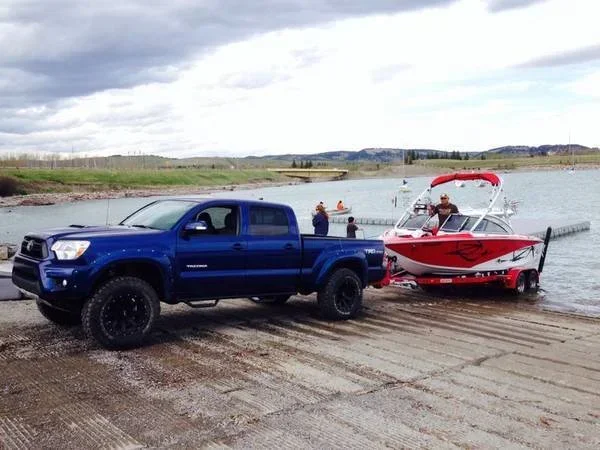
Yes, a Toyota Tacoma can pull a boat, but you must know its exact limits. This mid-size truck offers solid towing capacity for small to medium watercraft. Always check your specific model year and engine size before hearing. Safe towing depends on weight ratings and proper equipment.
Many people love the outdoors. They enjoy fishing trips and weekend adventures on the water. A reliable truck makes these trips much easier. You might wonder about the capabilities of a popular mid-size truck. This vehicle is known for durability and strength. It is a common choice for outdoor enthusiasts.
Towing a watercraft requires careful planning. You need to understand weight limits and safety rules. The Toyota Tacoma is a strong contender for this task. It offers a good balance of size and power. Many owners use it for hauling gear and boats. Knowing the facts helps you make the right choice.
This guide explains everything you need to know. We will look at engine options and weight ratings. You will learn how to match your boat to your truck. Safety tips are included to keep you secure on the road. Read on to find out if this truck fits your needs.
Key Takeaways
- Towing Capacity: Most Toyota Tacoma models can tow between 3,500 and 6,800 pounds depending on the engine and configuration.
- Boat Size: A Tacoma works best for jet skis, small fishing boats, and modest pontoon boats under its weight limit.
- Engine Matters: The V6 engine provides significantly more towing power than the four-cylinder option.
- Trailer Weight: You must count the trailer weight along with the boat weight to stay within safety limits.
- Towing Package: Adding a factory towing package increases capacity and adds helpful features like a transmission cooler.
- Safety First: Proper loading and hitching are critical to prevent sway and ensure stable driving on the road.
- Check Manual: Always read your owner manual to confirm the exact rating for your specific vehicle.
📑 Table of Contents
Understanding Toyota Tacoma Towing Capacity
The towing capacity varies by model year. It also depends on the engine type. You must check the specific numbers for your truck. The manufacturer sets these limits for safety. Exceeding them can cause damage or accidents. Always stay within the recommended range.
Older models often have lower limits. Newer models usually offer better performance. The V6 engine is the top choice for towing. It provides more horsepower and torque. The four-cylinder engine is less powerful. It might struggle with heavier loads. You should consider this when buying.
Here is a general breakdown of capacity:
- Base Models: These often tow around 3,500 pounds.
- Mid-Range Models: These can handle up to 5,000 pounds.
- High-End Models: Some versions reach 6,800 pounds with the right package.
These numbers are estimates. Your specific vehicle might differ. The Toyota Tacoma towing capacity is a key factor. You can find detailed specs online. Knowing this helps you plan your trips. It ensures you do not overload your truck.
Engine Options and Performance
The engine plays a huge role. The V6 engine is the standard for towing. It offers smooth power delivery. This helps when accelerating with a heavy load. The four-cylinder engine saves fuel. However, it reduces towing ability. You should prioritize power if you plan to tow often.
Transmission type also matters. Automatic transmissions are common. They handle torque well. Manual transmissions are rare now. They require more driver skill. Automatic systems are easier for most people. They manage gear shifts during towing.
Impact of Drivetrain
Four-wheel drive models exist. They offer better traction in mud. They help on slippery boat ramps. However, they might add weight. This extra weight reduces payload capacity. Two-wheel drive models are lighter. They might offer slightly more towing room. Consider your typical driving conditions.
Calculating Your Boat and Trailer Weight
You cannot just weigh the boat. You must include the trailer too. The trailer adds significant weight. You also need to count fuel and gear. A full tank of gas adds pounds. Fishing equipment adds more weight. All these factors matter.
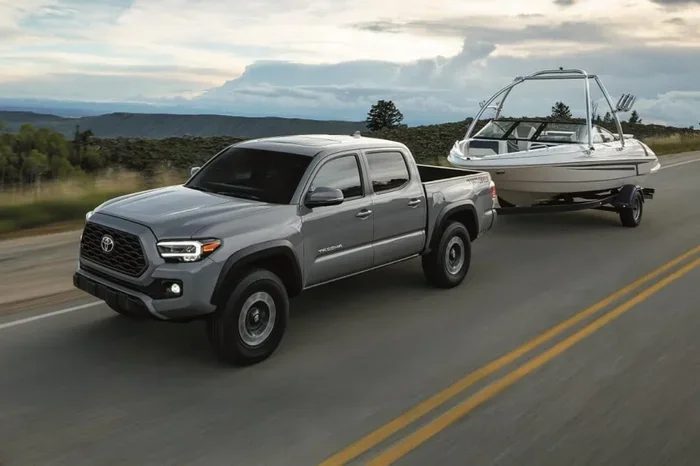
Visual guide about Toyota Tacoma towing boat
Image source: trailtacoma.com
Start by finding the boat weight. This is often listed by the manufacturer. You can also weigh it at a scale. Trailers vary in weight too. Aluminum trailers are lighter. Steel trailers are heavier. Know the total weight before you hook up.
Here is a simple formula to use:
- Boat Weight: Dry weight plus engine.
- Trailer Weight: The metal frame weight.
- Cargo Weight: Fuel, water, and gear inside.
- Total Gross Weight: Add all three together.
Compare this total to your truck rating. If the total is higher, you cannot tow safely. You might need a bigger truck. Or you might need a lighter boat. Safety is the most important goal.
Why Trailer Weight Matters
Many people forget the trailer. They only look at the boat. This is a common mistake. The trailer tongue weight also matters. It puts weight on the hitch. This affects the truck handling. Too much tongue weight causes sagging. Too little causes sway. Balance is key.
Using a Weight Distribution Hitch
A special hitch can help. It distributes weight across the axle. This improves stability. It reduces strain on the rear suspension. This is useful for heavier loads. It helps keep the truck level. You should consider this for larger boats.
Choosing the Right Boat for Your Tacoma
Not all boats are equal. Some are very heavy. Others are quite light. A small fishing boat is a great fit. A large yacht is not. You need to match the boat to the truck. This ensures a safe and enjoyable experience.
Jet skis are very light. You can tow multiple jet skis. Small aluminum boats work well too. They are popular for freshwater fishing. Pontoon boats can be heavier. You must check the size carefully. Larger pontoons might exceed limits.
Consider these boat types:
- Bass Boats: These are often within limits.
- Jon Boats: These are very lightweight and easy to tow.
- Small Sailboats: Some fit, but check the keel weight.
- Personal Watercraft: These are the easiest to haul.
You should also think about storage. Where will you keep the boat? A Toyota Tacoma bed length might help you transport items. But boats usually go on trailers. The truck size still matters for maneuvering. A smaller truck is easier to park.
Matching Engine to Watercraft
If you have a V6, you have more options. You can handle medium-sized boats. If you have a four-cylinder, stick to small craft. Do not push the limits. It is better to be safe. Your engine will last longer too. Overloading causes wear and tear.
Future Proofing Your Purchase
Think about your future needs. You might buy a bigger boat later. Choosing a higher capacity model now helps. It saves you from upgrading later. The V6 model is a smart choice. It offers flexibility for growth. You can add accessories later too.
Essential Towing Equipment and Accessories
You need more than just a truck. Proper equipment ensures safety. A good hitch is essential. It must match your weight needs. Class III hitches are common for this truck. They handle moderate loads well. Class IV hitches are for heavier loads.
Brakes are also critical. Larger trailers need their own brakes. This reduces strain on the truck. It improves stopping power. Laws often require trailer brakes over certain weights. Check your local regulations. Safety chains are mandatory too. They prevent detachment if the hitch fails.
Other important items include:
- Towing Mirrors: These help you see behind the trailer.
- Brake Controller: This activates the trailer brakes.
- Safety Chains: These cross under the tongue.
- Tail Lights: Ensure the trailer lights work.
You might also want a Toyota Tacoma truck cap for extra storage. This helps when you are not towing. It protects gear from weather. It adds value to the truck. Many owners find this useful.
Transmission Coolers
Towing generates heat. Your transmission can get hot. A cooler helps manage this. It extends the life of the transmission. Some trucks have this built-in. Others need an add-on. Check if your model has it. It is a wise investment for heavy use.
Tire Considerations
Your tires must be in good shape. Check the pressure before towing. Under-inflated tires are dangerous. They can blow out under load. Use tires rated for towing. All-season tires might not be enough. Look for load-rated options.
Safety Tips for Towing on the Road
Driving with a boat is different. You need to adjust your habits. Stopping takes longer. Turning requires more space. You must be aware of your surroundings. Practice in an empty lot first. This builds confidence.
Accelerate slowly. Do not rush. Sudden moves cause sway. Sway can lead to loss of control. Keep a safe distance from other cars. Give yourself room to stop. Watch your speed. High speeds are risky with a load.
Here are some quick safety tips:
- Check Connections: Inspect hitch and lights before leaving.
- Balance the Load: Keep weight evenly distributed.
- Monitor Weather: Wind affects trailer stability.
- Plan Stops: Know where to park safely.
If you experience sway, slow down. Do not brake hard. Use the manual control if you have it. Steer straight to stabilize. Preventive measures are best. Load your boat correctly. Secure all items inside.
Backing Up a Boat Trailer
Backing up is tricky. The trailer turns opposite to the truck. Practice makes perfect. Have a spotter help you. They can see blind spots. Take it slow. Small steering adjustments work best. Rushing causes mistakes.
Launching at the Ramp
Ramps can be slippery. Approach with caution. Use low gear. Keep your foot ready. Ensure the boat is ready to unload. Have lines ready. Do not rush the launch. Safety prevents accidents. Watch out for other users.
Maintenance and Long-Term Reliability
Towing puts stress on the vehicle. Regular maintenance is vital. Change your oil on time. Check fluid levels often. Inspect the brakes regularly. Listen for unusual noises. Address issues quickly. This keeps your truck running well.
Many Toyota owners know about longevity. You might ask how many miles can a Toyota Avalon last. Trucks often last just as long. Proper care ensures durability. The Tacoma is known for strength. It handles rough use well. But neglect causes problems.
Keep an eye on the engine. Heat is the enemy. Ensure cooling systems work. Check the radiator fluid. Look for leaks. A healthy engine tows better. It saves you money on repairs. Preventive care is cheaper than fixes.
Fuel Economy While Towing
Expect lower gas mileage. Towing increases drag. Your engine works harder. Do not be surprised by the drop. Plan your fuel stops. Fill up before long trips. Carry extra fuel if needed. This helps on remote roads.
Resale Value
Well-maintained trucks hold value. Document your maintenance. Keep records of service. This proves care to buyers. A Tacoma with towing history is still valuable. It shows robustness. Buyers appreciate honesty. It helps when you sell later.
Common Mistakes to Avoid
People make errors when towing. Avoid these to stay safe. Do not guess the weight. Use a scale. Do not ignore the manual. It has vital info. Do not skip safety checks. A quick check prevents disasters.
Another mistake is poor loading. Put heavy items over the axle. This balances the tongue weight. Do not overload the truck bed. Keep the center of gravity low. Secure loose items. They become projectiles in a crash.
Common errors include:
- Ignoring Wind: Strong gusts affect control.
- Speeding: Faster speeds increase risk.
- Wrong Hitch: Using a weak hitch is dangerous.
- Skipping Break-in: New brakes need time to seat.
Learn from others. Read forums and guides. The Toyota Tacoma flat tow info is different. Flat towing means all wheels on the ground. This is for RVs. Boat towing uses a trailer. Know the difference. Each method has rules.
Expert Insights on Towing
Experts agree on preparation. They say know your limits. They suggest testing your setup. Practice in safe areas. They emphasize equipment quality. Cheap gear fails under stress. Invest in reliable parts. This protects you and your cargo.
Mechanics recommend regular checks. They look for wear on brakes. They check suspension components. They inspect the hitch receiver. Rust can weaken metal. Keep everything clean and lubricated. This extends the life of parts.
Professional towers suggest planning routes. Some roads have restrictions. Bridges might have height limits. Weight limits exist on some roads. Plan your path ahead. Avoid tight turns. Use maps designed for trucks.
Conclusion
So, can a Toyota Tacoma pull a boat? Yes, it can handle many types of watercraft. You just need to respect the limits. Know your weight ratings. Equip your truck properly. Drive safely and carefully. This truck is a great companion for aquatic adventures.
With the right preparation, you will have fun. You can enjoy fishing and boating trips. Your Tacoma will serve you well. It offers reliability and strength. Take care of it, and it will take care of you. Start planning your next trip today.
Frequently Asked Questions
What size boat can a Toyota Tacoma tow?
A Toyota Tacoma can typically tow boats up to 6,800 pounds depending on the engine. This usually includes small fishing boats and jet skis. Always check your specific model rating first.
Do I need a towing package for a boat?
A factory towing package is highly recommended for better capacity. It often includes a transmission cooler and upgraded hitch receiver. This ensures safer hauling for heavier loads.
How do I calculate the total towing weight?
Add the boat weight, trailer weight, fuel, and gear together. Compare this total to your truck manual rating. Never exceed the maximum limit listed by the manufacturer.
Is it hard to back up a boat trailer with a Tacoma?
Backing up requires practice because the trailer turns opposite to the truck. Using a spotter helps significantly during launch. Take your time and make small steering adjustments.
Can a four-cylinder Tacoma pull a boat?
Yes, but the capacity is lower than the V6 model. It works for very light watercraft like jet skis. You should avoid heavy boats with the four-cylinder engine.
What safety checks should I do before towing?
Check the hitch connection, safety chains, and trailer lights. Ensure your tires are properly inflated for the load. Verify that the brake controller is working correctly.