

Yes, Toyota does make an electric vehicle, and the brand is expanding its green car options fast. The Toyota bZ4X leads the charge as a reliable all-electric SUV with solid range. You will also find hybrid and plug-in hybrid choices if you are not ready for full electric yet. This guide breaks down every Toyota EV model, charging needs, and what to expect next.
If you have been shopping for a new car lately, you have probably noticed the buzz around electric SUVs and sedans. The big question many shoppers ask is simple: does Toyota make an electric vehicle? The short answer is yes, and the lineup is growing. Toyota has spent years perfecting hybrids, and now it has moved into full battery electric cars. The Toyota bZ4X is the headline model, and it brings a familiar Toyota feel to the electric world.
People often wonder how an electric Toyota compares to a hybrid or a gas SUV. That is a smart question because the right choice depends on your daily drive, your charging setup, and your budget. In this guide, we will walk through the current Toyota EV options, the driving experience, charging basics, battery coverage, and what is coming next. By the end, you will know whether a Toyota electric car fits your life.
Key Takeaways
- Toyota bZ4X is the first dedicated EV: This compact SUV offers up to 252 miles of range and supports fast charging.
- Toyota has more EVs planned: Several new battery electric models are coming to fill every size category.
- Hybrids are still a big part of the lineup: If you want lower emissions without changing habits, hybrids and plug-in hybrids remain strong options.
- Charging is straightforward: Home Level 2 charging and public DC fast charging both work well with Toyota EVs.
- Battery warranty matters: Toyota backs its EV battery with a long warranty for peace of mind.
- Toyota EV incentives can help: Federal and state credits may reduce your purchase price depending on where you live.
- Test drive both EV and hybrid: Comparing the bZ4X to a hybrid SUV helps you pick the right powertrain for your daily drive.
📑 Table of Contents
- What Electric Vehicles Does Toyota Offer Today
- Toyota bZ4X Range and Battery Details
- Charging a Toyota Electric Vehicle
- Toyota EV Incentives and Costs to Consider
- Toyota Battery Electric Vehicle Reliability and Warranty
- Are There More Toyota EVs Coming Soon
- Should You Buy a Toyota EV or a Hybrid
- Final Thoughts on Toyota Electric Vehicles
What Electric Vehicles Does Toyota Offer Today
Toyota has taken a steady approach to electrification. Rather than rushing every model to market, the company focused on a clean, reliable first step. That first step is the Toyota bZ4X, a compact electric SUV built for daily errands, family trips, and weekend adventures. It sits in the same segment as other small electric SUVs, so it is easy to compare on price, range, and features.
If you are not quite ready for a full electric car, Toyota still offers plenty of electrified choices. You can shop hybrid models that pair a gas engine with an electric motor. You can also look at plug-in hybrid variants that let you drive short distances on battery power alone. These options matter because they give you flexibility while you decide if a full EV is right for you.
Toyota bZ4X Overview
The bZ4X is Toyota’s first dedicated battery electric vehicle for retail buyers. It comes in a few trim levels, so you can choose between a standard range setup and a longer range setup. The longer range version is the better pick if you take frequent road trips or want extra buffer for cold weather. Either way, the SUV feels practical and easy to live with.
Inside, the cabin is tidy and driver-focused. You get a clear infotainment screen, useful safety tools, and comfortable seats. The steering feels light, and the ride is calm for city streets and highway cruising. If you like a car that just works without a lot of fuss, this Toyota electric SUV fits the bill.
Other Electrified Toyota Options
Beyond the bZ4X, Toyota keeps expanding its hybrid family. Many popular models now come with hybrid powertrains, and some trims offer plug-in hybrid versions. This matters because you can get better fuel economy without changing your routine. If your charging access is limited, a hybrid or plug-in hybrid can be a smart middle ground.
It also helps to think about the kind of driving you do most. If you mostly drive around town, a hybrid can save you money at the pump. If you have a garage charger and a longer daily commute, a full EV may make more sense. The best choice is the one that matches your real-world habits.
Toyota bZ4X Range and Battery Details
Range is one of the first things people check when they shop for an EV. The Toyota bZ4X offers a solid range for a compact electric SUV, with the higher estimate coming from the dual motor setup. Real-world range will change with speed, weather, and how you drive, so it is wise to think in terms of your usual routine rather than the maximum number on a spec sheet.
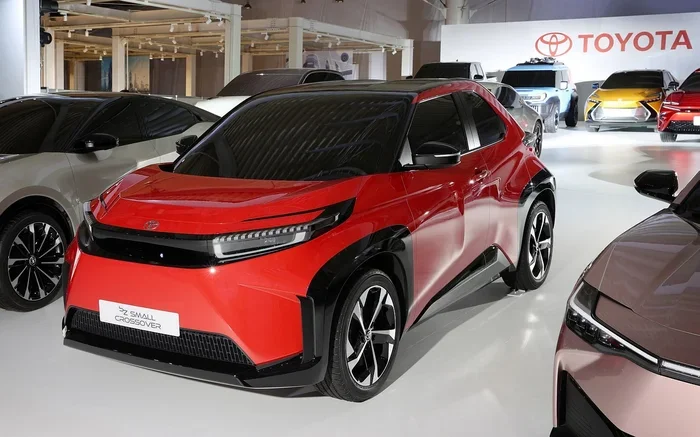
Visual guide about modern Toyota electric vehicle
Image source: mag.toyota.co.uk
The battery pack is designed for everyday use and long-term reliability. Toyota builds its EVs with a focus on durability, which fits the brand’s reputation for long-lasting cars. If you want an electric car that holds up over time, Toyota’s approach is reassuring. You can also read more about the brand’s reputation for longevity in our guide on why Toyota lasts so long.
How Driving Style Affects Range
Your range will change based on how you drive. Gentle acceleration and steady highway speeds help the battery last longer. Hard launches, high speeds, and constant climate use will trim the range. Cold weather also reduces range, which is normal for any battery electric vehicle. Planning ahead makes a big difference.
Here are a few simple habits that help you get the most out of every charge:
- Charge to a comfortable level: You do not always need a 100 percent charge for daily driving.
- Pre-condition the cabin: Warm or cool the car while it is still plugged in to save battery power.
- Use regenerative braking: Letting the car recapture energy on deceleration can extend range.
- Plan charging stops: For longer trips, map out chargers before you leave so you do not have to improvise.
Charging a Toyota Electric Vehicle
Charging is the part that makes some shoppers nervous, but it is simpler than it sounds. You can charge at home with a standard outlet or a faster Level 2 charger. Home charging is the easiest routine because you plug in overnight and wake up to a full battery. If you have a driveway or garage, this is the most convenient option.
Public charging is also widely available in many areas. DC fast charging can add a lot of range in a short time, which is helpful on road trips. The bZ4X supports fast charging, so you can top up during a coffee break or a meal stop. It is a good idea to check charger maps in your area before you buy, just so you know what is nearby.
Home Charging Setup Tips
Setting up home charging does not have to be complicated. Start by checking your electrical panel and parking spot. A qualified electrician can install a Level 2 charger where you need it. If you live in an apartment or condo, ask about shared charging options or nearby public chargers. A little planning now saves headaches later.
Quick tips for a smooth home charging setup:
- Pick a convenient outlet location: Place the charger where you can easily plug in every night.
- Ask about electrical capacity: Make sure your home can support the charger you want.
- Check for local incentives: Some areas offer rebates for home charger installation.
- Learn the app basics: Charging apps can help you start, stop, and track sessions.
Toyota EV Incentives and Costs to Consider
Price is a big part of the decision, and electric cars can have different costs than gas models. The good news is that Toyota EV incentives may help lower the price depending on your location and the model you choose. Some buyers qualify for federal tax credits, and some states add extra rebates. It is worth checking the current rules before you sign paperwork.
You should also think about the total cost of ownership. Electric cars can have lower fueling costs than gas cars, especially if you charge at home. Maintenance can also be simpler because there is no oil changes schedule and fewer moving parts in the drivetrain. Of course, tire wear and battery care still matter, so regular checkups are important.
How to Compare Total Cost
When you compare an electric Toyota to a gas or hybrid model, look at more than the sticker price. Think about fuel or electricity costs, insurance, maintenance, and any credits you may receive. A lower monthly fuel bill can make an EV feel more affordable over time. The right choice depends on how long you plan to keep the car and how much you drive.
A simple comparison checklist can help:
- Purchase price after incentives: Include any credits or rebates you expect to receive.
- Fuel or charging cost: Estimate your monthly electricity use versus gas.
- Maintenance needs: Compare routine service for EV, hybrid, and gas models.
- Resale plans: Consider how long you will keep the vehicle before trading it in.
Toyota Battery Electric Vehicle Reliability and Warranty
Reliability is a major reason people trust Toyota. The brand has a long history of building cars that stay on the road for a long time. That same mindset carries into its electric models. If you are curious about what Toyota covers, you can review what Toyota warranty covers for a clearer picture of protection on new vehicles.
EV battery coverage is especially important because the battery is one of the most valuable parts of the car. Toyota backs the bZ4X battery with a long warranty, which gives buyers extra confidence. It is always smart to read the warranty details so you know what is included and for how long. That way, you can buy with a clear understanding of your coverage.
What to Look For in EV Coverage
When you review warranty and coverage details, focus on the battery, the drive system, and the basic vehicle warranty. Also check whether roadside assistance and trial subscriptions are included. These details may seem small at first, but they can make ownership easier. A well-covered EV is a more comfortable buy.
Key items to confirm before you buy:
- Battery warranty length: Understand how long the battery is covered and under what conditions.
- Vehicle warranty terms: Review the standard new car warranty for other components.
- Service access: Make sure you have a convenient place to get routine care.
- Charging support: Ask about any charging trials, apps, or installation guidance.
Are There More Toyota EVs Coming Soon
Yes, Toyota has more electric models in the works. The company is adding new battery electric vehicles across different sizes and styles. That means shoppers will have more choice in the near future, from smaller city cars to larger family SUVs. If the bZ4X is not the perfect fit today, another Toyota EV may be closer to what you want soon.
This matters because choice makes EV shopping easier. Some people want a smaller car for city parking. Others need a bigger SUV for passengers and cargo. As Toyota expands its EV lineup, more buyers will find a model that matches their needs without giving up the Toyota feel they trust.
What This Means for Shoppers
If you are waiting for more options, you do not have to pause your research. You can still learn about charging, range, and incentives now so you are ready when the right model arrives. It also helps to keep an eye on local inventory and delivery timelines. Electric models can arrive in waves, so availability may vary by region.
A few practical steps while you wait:
- Define your must-haves: List range, size, and budget before a new model arrives.
- Check charger access: Make sure your home or area can support EV charging.
- Compare powertrains: Test drive a hybrid and an EV to feel the difference.
- Watch for incentives: Credit rules can change, so verify the latest info close to your purchase date.
Should You Buy a Toyota EV or a Hybrid
This is one of the most useful questions you can ask. A Toyota EV makes sense if you can charge at home and want lower day-to-day fuel costs. It also suits drivers who like smooth, quiet acceleration and want to reduce tailpipe emissions. A hybrid is a great fit if you want better efficiency without worrying about charging. The best pick depends on your routine.
If you are comparing models, it helps to look at the whole picture. Think about your typical trips, your parking situation, and how much you value a simpler fueling routine. Some shoppers even start with a hybrid and move to a full EV later. That is a perfectly reasonable path, especially if you are still getting used to electric driving.
Quick Decision Guide
Use this simple guide to narrow your choice:
- Choose a Toyota EV if: You have home charging, want lower fuel costs, and can plan around range.
- Choose a hybrid if: You want great efficiency with no charging routine and flexible long-distance travel.
- Choose a plug-in hybrid if: You want some electric-only driving but still want gas backup for trips.
- Test drive first: Feeling the acceleration, braking, and cabin feel can clarify your preference.
If you want to compare other Toyota models while you shop, you may also find it useful to read about whether the Toyota RAV4 has a third row or whether the Toyota Highlander has third row seating. Those comparisons can help if you need more passenger or cargo space.
Final Thoughts on Toyota Electric Vehicles
So, does Toyota make an electric vehicle? Yes, and the bZ4X is a strong starting point for buyers who want a practical electric SUV. Toyota is also building more EVs, so the lineup will keep growing. If you are not ready for full electric, hybrids and plug-in hybrids remain excellent choices. The right decision comes down to your charging setup, your driving habits, and your budget.
The best next step is simple. Decide how much range you need, check your charging options, and test drive the models you like. Compare the total cost, read the warranty details, and make sure the car feels right on the road. With a little planning, a Toyota electric car can be a smart and comfortable choice for everyday life.
Frequently Asked Questions
Does Toyota make an electric vehicle?
Yes, Toyota makes the bZ4X, which is its first dedicated battery electric SUV for retail buyers. The company is also developing more electric models for future release.
What is the Toyota bZ4X range?
The bZ4X offers a competitive range for a compact electric SUV, with a higher estimate available on the longer range version. Real-world range varies with weather, speed, and driving style.
Can I charge a Toyota EV at home?
Yes, you can charge a Toyota EV at home with a standard outlet or a faster Level 2 charger. Home charging is the easiest routine for most owners because you can plug in overnight.
Does Toyota offer EV incentives?
Toyota EV incentives may be available through federal tax credits, state rebates, or local programs depending on where you live. Eligibility rules can change, so verify the current details before buying.
How long is the Toyota EV battery warranty?
Toyota provides long battery coverage on its electric vehicles, which helps protect one of the most important parts of the car. Always review the specific warranty terms for the model and trim you are considering.
Are there more Toyota electric vehicles coming?
Yes, Toyota is expanding its electric lineup with additional battery electric models over time. More choices will make it easier to find an EV that fits your size and budget needs.