
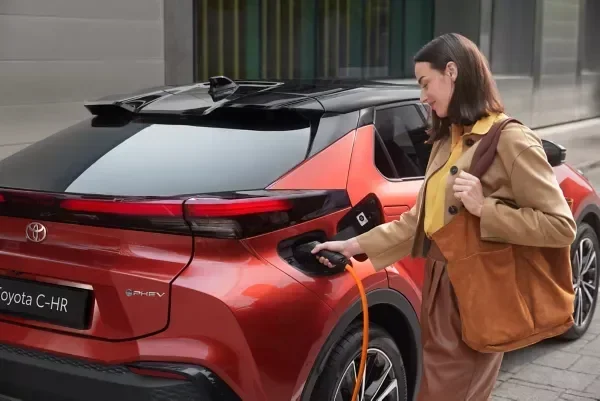
Does Toyota make an EV? Yes, Toyota now produces fully electric vehicles, including the popular bZ4X SUV. The company is expanding its electric vehicle lineup with more models planned for the near future. Buyers can also choose from Toyota’s hybrid and plug-in hybrid options if they are not ready for a full EV. This guide covers everything you need to know about Toyota’s electric cars, charging, range, and buying tips.
If you have been shopping for cars lately, you have probably noticed a major shift. Electric vehicles are everywhere. More buyers want zero-emission driving. More brands are releasing battery-powered models. So a common question pops up: does Toyota make an EV? The short answer is yes. Toyota has entered the electric vehicle space with real products, not just concepts. But there is more to the story. Toyota’s approach to electrification includes hybrids, plug-in hybrids, and now fully electric cars. This article breaks down what Toyota offers, how their EVs compare, and what you should know before buying one.
Toyota has built a strong reputation for reliability, practicality, and smart engineering. That reputation carries over into their electric plans. The company did not rush to market with a flashy EV that lacks everyday usefulness. Instead, they focused on vehicles that fit real life. That means decent range, comfortable rides, and easy ownership. If you are curious about Toyota’s electric options, you are in the right place. We will cover the current lineup, battery performance, charging basics, and what is coming next.
Key Takeaways
- Toyota makes fully electric vehicles: The bZ4X SUV is Toyota’s first dedicated EV for the global market.
- Hybrid options are widely available: Most Toyota models offer hybrid or plug-in hybrid variants for buyers who want electric assistance without going fully electric.
- Battery range varies by model: Toyota EVs typically offer 200 to 300 miles of range, depending on trim and driving conditions.
- Charging is convenient: Toyota EVs support home charging and public fast charging, with growing infrastructure support.
- Future EV plans are strong: Toyota is investing heavily in battery technology and plans to release more electric models in the coming years.
- Buying an EV requires planning: Consider your daily driving needs, charging access, and available incentives before purchasing.
- Toyota’s reliability extends to EVs: The brand’s reputation for durability and customer support applies to its electric vehicles as well.
📑 Table of Contents
- Does Toyota Make an EV in 2026?
- Toyota EV Lineup and What Each Model Offers
- Battery Range and Real-World Performance
- Charging Options and Ownership Convenience
- Cost, Incentives, and Buying Considerations
- What Is Next for Toyota Electric Vehicles
- Quick Tips for Buying a Toyota EV
- Common Mistakes to Avoid
- Expert Insights
- Final Thoughts
Does Toyota Make an EV in 2026?
Yes, Toyota makes fully electric vehicles today. The most notable model is the bZ4X, a compact electric SUV designed for daily driving. This vehicle marks Toyota’s push into dedicated EV territory. It is not a converted gas model. It was built from the ground up as an electric car. That matters because purpose-built EVs usually handle better, use space more efficiently, and offer a smoother driving experience.
Toyota also offers electric-adjacent options across many nameplates. Hybrid models use a small battery and electric motor to improve fuel economy. Plug-in hybrids go a step further with a larger battery and the ability to drive on electric power alone for short distances. These choices matter because not every buyer wants or needs a full EV. Some people want lower emissions without changing their charging routine. Others want the full electric experience. Toyota now serves both groups.
The Toyota bZ4X SUV
The bZ4X is Toyota’s flagship electric SUV. It comes with a practical shape, a comfortable interior, and a focus on everyday usability. The SUV offers enough cargo space for groceries, travel gear, and family trips. It also includes modern technology features that many buyers expect today. You get a clear infotainment screen, driver-assist tools, and app-based controls that make ownership easier.
Under the skin, the bZ4X uses a battery pack that powers one or more electric motors. The exact range and performance depend on the trim and wheel size. Smaller wheels usually help improve range. Larger wheels can look sharper but may reduce efficiency. This is a common trade-off in electric cars. If you care more about driving distance than styling, it is worth comparing the available configurations carefully.
Other Toyota Electric Options
Beyond the bZ4X, Toyota continues to expand its electrification efforts. The company has been developing additional battery-powered models for different markets and buyer needs. Some of these projects focus on city-friendly cars. Others aim at larger vehicles for families or outdoor use. The key point is that Toyota is not standing still. They are building a broader electric portfolio over time.
If you are comparing brands, it helps to look at the full picture. A brand may have one visible EV while also offering hybrids that reduce fuel use. Toyota’s strategy has always been practical. They want to give buyers choices that match their lifestyle, budget, and charging access. That is why many shoppers find Toyota’s electrification path easier to adopt than a sudden switch to a niche EV.
Toyota EV Lineup and What Each Model Offers
When buyers ask does Toyota make an EV, they usually want to know what they can actually buy today. Right now, the bZ4X is the clearest answer for a dedicated electric car. It sits in the compact SUV segment, which is one of the most popular categories in the market. That makes it a strong starting point for shoppers who want an electric vehicle with everyday utility.
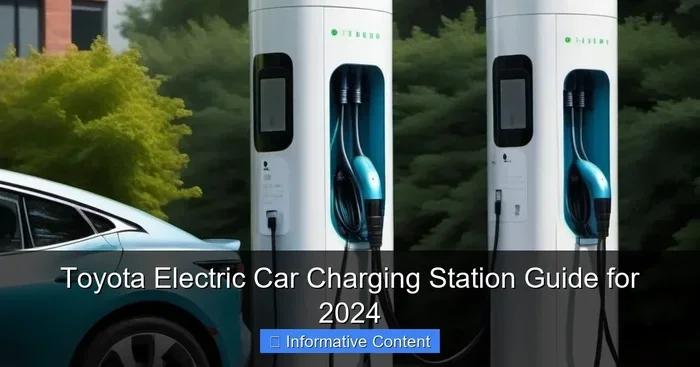
Visual guide about Toyota electric vehicle charging
Image source: electriccarwiki.com
Toyota’s broader lineup also includes models with hybrid powertrains. These are not full EVs, but they still use electric motors and batteries to reduce fuel consumption. For many households, a hybrid feels like a manageable first step. It does not require a charging station. It still lowers emissions compared with a standard gas vehicle. And it keeps the familiar refueling routine intact.
Compact Electric SUV Segment
The compact electric SUV segment is crowded, but that is good for buyers. Competition pushes brands to improve range, charging speed, and features. In this category, the bZ4X competes with other electric SUVs that target daily commuting, school runs, and weekend trips. The main things to compare are range, charging time, cargo space, and driving feel.
Some buyers want a softer ride. Others want quicker acceleration. Some care most about interior tech. Toyota tends to prioritize comfort and practicality. That approach appeals to people who want an EV that feels normal to live with. It is not always about maximum performance. It is about making electric driving easy for regular users.
Hybrid and Plug-in Hybrid Alternatives
If a full EV feels like too big a change, hybrid and plug-in hybrid models can be a smart middle ground. A hybrid uses both gas and electricity. It recovers energy during braking and uses the battery to assist the engine. A plug-in hybrid has a larger battery and can travel on electric power for short trips before switching to hybrid mode.
These options are useful for people who do not have reliable home charging. They are also helpful for drivers who take longer trips often and do not want to plan every stop around a charger. Toyota has used hybrid technology for years, so the systems are mature and dependable. That gives buyers confidence, especially if they are new to electrified driving.
Battery Range and Real-World Performance
Range is one of the biggest concerns for anyone asking does Toyota make an EV and whether it will fit their life. Electric range is not just a number on a window sticker. It changes with weather, speed, terrain, and how you drive. Cold weather can reduce range. Highway driving usually uses more energy than city driving. Hard acceleration can also shorten distance between charges.
Toyota designs its EVs to deliver practical range for normal use. For many buyers, that means enough battery to handle daily commuting and errands without constant worry. If you charge at home, range becomes even less stressful. You can start each day with a full battery. That changes the ownership experience a lot. You stop thinking about fuel stops and start treating the car more like a device you plug in overnight.
What Affects EV Range
Several factors influence how far an electric Toyota can go on a single charge. Understanding these helps you set realistic expectations.
- Driving speed: Faster travel uses more energy, especially on highways.
- Weather conditions: Cold temperatures can reduce battery efficiency.
- Heating and cooling: Climate control draws power from the battery.
- Tire choice: Larger or heavier tires can lower efficiency.
- Driving style: Smooth acceleration usually improves range.
- Payload and passengers: Extra weight can reduce distance.
If you want the best range, it helps to choose the right trim and wheel setup. It also helps to learn how to use regenerative braking and eco modes. These features are simple, but they make a real difference over time. Many new EV owners are surprised by how much control they have over efficiency.
Home Charging and Daily Use
Home charging is one of the best parts of EV ownership. If you can park near an outlet or install a dedicated charger, daily charging becomes easy. You plug in after dinner and wake up with a full battery. For many people, that is more convenient than visiting a gas station. It also makes range less stressful because you are not starting the day with a low battery.
Public charging matters too, especially for longer trips. Fast chargers can add meaningful range in a shorter time. But public charging works best when you plan ahead. It is wise to check charger locations along your route before leaving. That habit makes road trips smoother and avoids unnecessary delays.
Charging Options and Ownership Convenience
A common follow-up to does Toyota make an EV is whether charging will be convenient. The answer depends on your routine. If you mostly drive locally and can charge at home, ownership is very convenient. If you travel long distances often, you will use public charging more often. Both situations can work well, but they require different habits.
Toyota EVs are built to work with standard charging equipment and public networks. That gives buyers flexibility. You can charge at home, at work, or at a public station when needed. Many shopping centers, offices, and travel routes now have charging points. The network is still growing, but it is already usable for most daily needs.
Level 1 and Level 2 Charging
Level 1 charging uses a standard household outlet. It is slow, but it can work for low-mileage drivers. Level 2 charging is faster and usually requires a dedicated home charger or a public station. Most EV owners prefer Level 2 because it balances speed and convenience. It can fully recharge a vehicle overnight in many cases.
If you are thinking about buying an electric Toyota, it is smart to check your parking setup. A garage, driveway, or assigned parking spot near power makes ownership easier. If you rely on street parking only, you may need to plan around public chargers. That does not make EV ownership impossible, but it changes how you manage charging.
Public Fast Charging for Trips
Fast charging is useful when you need more range on the road. It can add battery power much quicker than home charging. This is especially helpful during long drives or when you forgot to plug in the night before. The key is to treat fast charging as a tool, not your only charging method. Home charging should still do most of the work if you have access to it.
When planning a trip, look for reliable charging stops along the route. Check whether the charger type matches your vehicle’s charging capability. Also, build in some buffer time. Even with fast charging, a short break for food or rest can line up well with a charging stop. That makes the trip feel less interrupted.
Cost, Incentives, and Buying Considerations
Price is a big part of any car decision. Electric vehicles can have different ownership costs compared with gas models. The upfront price may be higher in some cases, but fuel savings and lower maintenance can help over time. Electricity usually costs less per mile than gasoline. There are also fewer moving parts in an EV powertrain, which can reduce some service needs.
Incentives can also matter. Depending on where you live, there may be tax credits, rebates, or utility programs that support EV purchases and home charging. These incentives change over time, so it is best to check current local rules before buying. A little research can make the purchase more affordable and more practical.
Total Cost of Ownership
Total cost of ownership looks beyond the sticker price. It includes fuel, maintenance, insurance, depreciation, and charging setup. For many EV buyers, the biggest savings come from lower fuel costs and reduced routine maintenance. But the exact numbers depend on your driving habits and local energy prices. If you drive a lot, the savings can be more noticeable.
It is also wise to compare warranty coverage and service support. Toyota is known for strong dealer networks and long-term customer support. That can make ownership feel easier, especially if you want help with charging questions, battery concerns, or regular maintenance. A dependable support system matters when you are trying a new type of vehicle.
Who Should Buy a Toyota EV
An electric Toyota can be a great fit for many buyers, but it is not the right choice for everyone. It tends to work best for people who:
- Drive regular daily routes
- Can charge at home or at work
- Want lower emissions without losing practicality
- Prefer a comfortable, easy-to-use SUV
- Are open to new technology and simpler fueling habits
If your life involves frequent long-distance travel, limited charging access, or a strong need for maximum towing range, you may want to compare options carefully. A hybrid or plug-in hybrid might suit you better. The best choice is the one that matches your real routine, not just the one that looks exciting on paper.
What Is Next for Toyota Electric Vehicles
Toyota is continuing to develop its electric plans. The company is investing in battery research, new vehicle platforms, and expanded model choices. That means the current bZ4X is likely just the beginning. Over time, buyers can expect more EVs in different sizes and styles. Some will focus on city use. Others may target families, outdoor adventures, or commercial needs.
The brand’s long-term goal is to offer a wide range of electrified choices. That includes full EVs, hybrids, and plug-in hybrids. This mixed approach gives shoppers flexibility. It also reflects the reality that different buyers have different needs. Some want a full switch to electric. Others want gradual improvement in fuel economy. Toyota is building products for both groups.
Why Toyota’s EV Strategy Matters
Toyota’s approach matters because it focuses on practicality. The company has always worked to make cars that are useful in daily life. That same mindset is showing up in its electric vehicles. Instead of chasing every trend, Toyota is trying to create EVs that people can live with comfortably. That includes range that makes sense, charging that fits normal routines, and vehicles that feel easy to own.
For buyers, this is reassuring. It means Toyota is not treating EVs as a novelty. They are building them as part of a broader product family. That can make the transition to electric driving feel less intimidating. You do not have to give up practicality to choose an EV. You just need to pick the right model and set up your charging routine well.
Quick Tips for Buying a Toyota EV
If you are ready to explore a Toyota electric vehicle, a few simple steps can make the process smoother.
- Know your daily mileage: This helps you choose the right range and trim.
- Check your charging setup: Home charging makes EV life much easier.
- Compare trims carefully: Wheels, battery options, and features affect range and price.
- Test drive the EV: Driving feel, braking, and comfort matter a lot.
- Ask about incentives: Local programs can reduce the purchase cost.
- Plan for trips: Learn how to use public charging before you need it.
These tips are simple, but they save time and prevent surprises. Buying an EV is not complicated once you understand your needs. The more you plan ahead, the more confident you will feel.
Common Mistakes to Avoid
New EV shoppers sometimes make avoidable mistakes. Knowing them early helps you choose smarter.
- Ignoring charging access: Buying an EV without a charging plan can be frustrating.
- Chasing maximum range only: Real-world driving matters more than big numbers on paper.
- Overlooking wheel size: Larger wheels can reduce efficiency.
- Skipping the test drive: EV braking and acceleration feel different from gas cars.
- Forgetting about weather: Cold months can change range more than expected.
- Not checking incentives: Local savings may be available but change often.
Avoiding these mistakes is mostly about honest planning. If you match the vehicle to your life, the experience is much better.
Expert Insights
Experts usually say the best EV choice is the one that fits your routine. That means thinking about where you park, how far you drive, and how often you take long trips. A Toyota EV can be a strong option for buyers who want a practical SUV with electric power. The brand’s service network and reputation for reliability also help make ownership less stressful.
Another useful insight is to think long term. Battery technology keeps improving. Charging networks keep expanding. That means today’s EV is better than yesterday’s, and tomorrow’s will likely be even better. If you are waiting for the perfect model, it helps to define what “perfect” means for you. For many people, a practical EV they can charge at home is already a great solution.
Final Thoughts
So, does Toyota make an EV? Yes, and the option is already available for buyers who want a fully electric SUV. The bZ4X gives shoppers a practical entry point into Toyota’s electric lineup. If you are not ready for a full EV, hybrids and plug-in hybrids offer another path toward lower emissions and better efficiency. The right choice depends on your driving habits, charging access, and budget.
Electric vehicles are no longer a distant future idea. They are part of today’s market. Toyota has joined that shift with models designed for real-world use. If you take the time to understand range, charging, and ownership costs, you can make a confident decision. Whether you choose a full EV or a hybrid, the most important thing is picking a vehicle that fits your life.
Frequently Asked Questions
Does Toyota make a fully electric vehicle?
Yes, Toyota makes a fully electric vehicle with the bZ4X SUV. It is a purpose-built electric car designed for everyday driving. Toyota also offers hybrid and plug-in hybrid models across many of its nameplates.
What is the range of the Toyota bZ4X?
The range varies by trim, wheel size, and driving conditions, but it is designed for practical daily use. Real-world range can change with weather, speed, and climate control use. It is best to compare the specific trim you want and test drive it before buying.
Can I charge a Toyota EV at home?
Yes, home charging is one of the easiest ways to own an EV. You can use a standard outlet or install a faster Level 2 charger if your parking setup allows it. Home charging usually makes daily driving much more convenient.
Does Toyota have more EVs coming soon?
Toyota is continuing to develop additional electric models and improve battery technology. The company plans to expand its EV offerings over time. That means more choices for buyers in the near future.
Is a Toyota hybrid the same as an EV?
No, a hybrid is not a full EV. It uses both a gas engine and an electric motor to improve fuel economy. A plug-in hybrid has a larger battery and can drive on electric power for short distances before switching to hybrid mode.
What should I consider before buying a Toyota EV?
You should think about your daily driving distance, charging access, budget, and how often you take long trips. It also helps to compare wheel sizes, trims, and available incentives. A test drive can show you whether the EV feels right for your routine.