
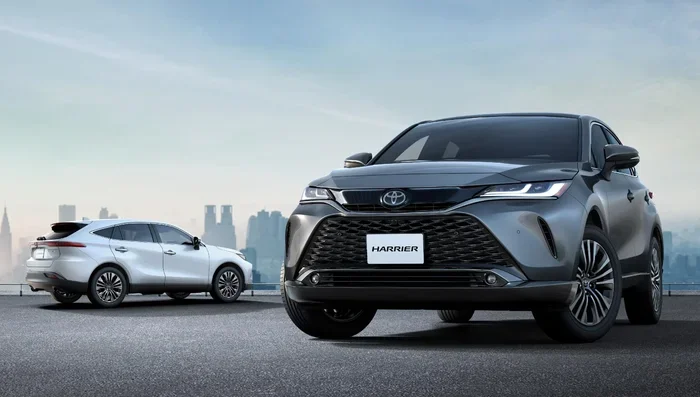
How long will a Toyota Corolla last? Most owners see their Corolla reach 200,000 miles or more with proper care. This guide explains the real lifespan, key factors that affect longevity, and practical tips to keep your car running smoothly for years.
Buying a car is a big decision. You want something reliable, affordable, and built to last. That is why so many people ask how long will a Toyota Corolla last. This question matters because a car that lasts longer saves you money and reduces stress. The Toyota Corolla has a strong reputation for durability. Many drivers trust it for daily commutes, family trips, and long-term ownership. In this guide, we will explore the real lifespan of this popular sedan. We will also share practical tips to help you get the most out of your vehicle. You will learn what affects longevity, what maintenance steps matter most, and how to avoid common pitfalls. By the end, you will have a clear picture of what to expect from a Toyota Corolla.
Reliability is not just a buzzword. It is a daily benefit. When your car starts every morning and runs smoothly, your routine stays on track. The Corolla has earned its place as a go-to choice for practical drivers. But no car lasts forever without care. Understanding the factors that influence lifespan helps you make smarter choices. You will also see how driving style, maintenance habits, and even fuel choices play a role. Let us dive into the details and separate fact from fiction.
Key Takeaways
- Longevity Expectations: A well-maintained Toyota Corolla often lasts between 200,000 and 300,000 miles.
- Maintenance Matters: Regular oil changes, fluid checks, and timely repairs are critical for long-term reliability.
- Driving Habits Impact Life: Gentle acceleration and avoiding hard stops reduce wear on engine and brake components.
- Fuel Efficiency Helps: The Corolla’s efficient engine design reduces stress on mechanical parts over time.
- Common Issues Exist: Watch for minor problems like sensor warnings or suspension wear before they become costly.
- Resale Value Remains Strong: High reliability and long lifespan keep Corolla resale values competitive in the used market.
- Expert Tips Extend Life: Simple habits like warming up the engine in cold weather and using quality parts make a big difference.
📑 Table of Contents
- Understanding the Lifespan of a Toyota Corolla
- Maintenance Tips to Maximize Corolla Longevity
- Common Issues and How to Prevent Them
- Real Owner Experiences and Mileage Expectations
- Fuel Efficiency and Engine Reliability
- Buying a Used Corolla and Long-Term Value
- Expert Insights and Best Practices
- Final Thoughts on Corolla Longevity
Understanding the Lifespan of a Toyota Corolla
The Toyota Corolla has a long history of dependable performance. Many owners report high mileage with minimal major repairs. This reputation comes from thoughtful engineering and consistent quality control. The Corolla is designed with simplicity in mind. Fewer complex parts often mean fewer things to go wrong. That does not mean it is indestructible. It means the foundation is solid when you treat it right.
So, how long will a Toyota Corolla last in real-world use? Most experts and owner reports point to a range of 200,000 to 300,000 miles. Some well-cared-for examples go even further. The key is consistent care. A car that receives regular attention tends to outlive one that is neglected. This is true for any vehicle, but the Corolla’s design makes it especially forgiving when maintained properly.
What the Numbers Say
Mileage is only one part of the story. Age also matters. A car with low miles but years of sitting can develop issues. Rubber seals dry out. Fluids degrade. Tires age. On the other hand, a car with higher miles that is driven regularly and serviced on time can stay healthy. The sweet spot is a balance of use and care. Many Corolla owners hit 150,000 miles with only routine service. Others push past 200,000 miles with major components still functioning well.
Here is a quick look at typical longevity markers:
- 100,000 miles: Routine service items like brakes, tires, and batteries may need replacement. The engine and transmission usually remain strong.
- 150,000 miles: Suspension components and exhaust parts may show wear. Regular fluid changes keep things running smoothly.
- 200,000 miles: Many Corollas reach this mark with proper care. Some may need timing chain attention or sensor replacements depending on the model year.
- 250,000+ miles: This is achievable for disciplined owners. Consistent maintenance and gentle driving are common traits among these high-mileage examples.
Factors That Influence Longevity
Several variables shape how long a Corolla lasts. First, maintenance history is the biggest factor. Second, driving conditions matter. City driving with frequent stops puts more stress on brakes and transmission cooling. Highway driving is generally easier on the powertrain. Third, climate plays a role. Extreme heat can strain cooling systems. Heavy salt use in winter can accelerate rust on undercarriage parts. Fourth, fuel quality and oil choices affect engine health over time.
Another important factor is how the car is driven. Hard acceleration and sudden braking increase wear. Smooth driving reduces strain. Even small habits add up over thousands of miles. The Corolla responds well to calm, consistent use. That is one reason it remains a favorite for ride-share drivers, commuters, and families alike.
Maintenance Tips to Maximize Corolla Longevity
If you want to extend the life of your Corolla, start with a simple routine. Consistency beats complexity. You do not need expensive tricks. You need a schedule you can follow. The goal is to catch small issues before they become big ones. A proactive approach saves money and keeps the car reliable.
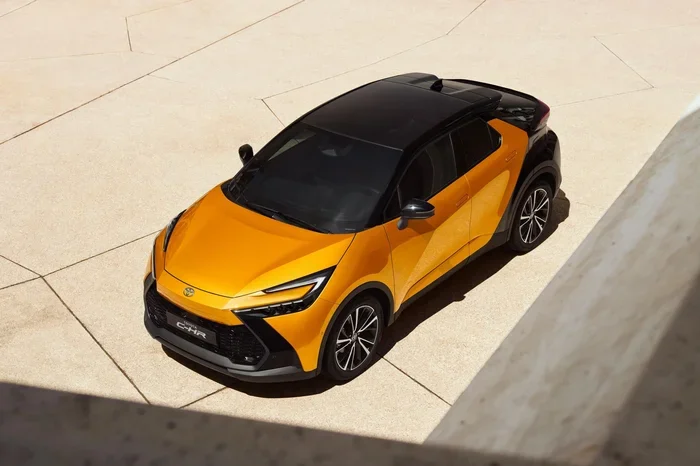
Visual guide about Toyota Corolla driving highway
Image source: images.carexpert.com.au
Essential Service Schedule
Follow the manufacturer’s recommended service intervals. These guidelines are built around the engine, transmission, and drivetrain design. Here are the core items to track:
- Oil Changes: Change the engine oil at the recommended interval. Clean oil reduces friction and protects internal parts.
- Fluid Checks: Monitor coolant, brake fluid, transmission fluid, and power steering fluid. Top them off or replace them as needed.
- Filters: Replace the air filter and cabin filter on schedule. Clean air flow supports engine efficiency and cabin comfort.
- Brakes and Tires: Inspect brake pads and rotors. Check tire pressure and tread depth. Good brakes and tires improve safety and reduce stress on other parts.
- Battery Care: Test the battery periodically. A weak battery can cause starting issues and strain electrical systems.
If you ever see the maintenance reminder on your dashboard, do not ignore it. Learning how to reset a maintenance light on a Toyota Corolla is simple, but the real value is in addressing the service need first. A reset should come after the work is done, not before.
Quick Tips for Daily Care
Small habits make a big difference over time. Try these easy practices:
- Warm up the engine briefly in very cold weather before driving hard.
- Use quality fuel from trusted stations to keep the fuel system clean.
- Listen for unusual sounds and address them early.
- Keep the exterior and undercarriage clean to reduce corrosion risk.
- Store the car in a garage when possible to protect it from harsh weather.
These steps are simple, but they support long-term health. A Corolla does not need fancy treatment. It needs steady, sensible care.
Common Issues and How to Prevent Them
No vehicle is perfect. Even a highly reliable sedan can develop issues over time. The good news is that many Corolla problems are minor and preventable. Awareness is your best tool. When you know what to watch for, you can act early and avoid bigger repairs.
Typical Wear Items
As mileage climbs, certain parts naturally wear out. This is normal. The important thing is to replace them before they cause damage. Common wear items include:
- Brake Pads and Rotors: These wear with use. Replace them when thickness drops below safe limits.
- Suspension Components: Bushings, struts, and shocks can loosen or lose effectiveness. Uneven tire wear or a rough ride can signal trouble.
- Exhaust System: Rust or small leaks may appear over time. A quick inspection can catch problems early.
- Sensors and Electronics: Modern cars rely on sensors. A faulty oxygen sensor or mass airflow sensor can affect performance and fuel economy.
Preventive Habits
You can reduce the chance of surprise repairs with a few smart habits. First, pay attention to warning lights. A check engine light does not always mean disaster, but it does mean something needs attention. Second, keep records of all service. A clear history helps you stay on schedule and adds value if you sell the car later. Third, use trusted mechanics or dealership service centers for major work. Quality repairs matter.
Another helpful practice is to compare your Corolla with other reliable models when you think about long-term ownership. For example, many buyers also look at the Toyota Camry for a larger sedan option. If you want to understand how another popular Toyota model holds up over time, you can read about how long Toyota Camrys last. Seeing the bigger picture helps you choose the right vehicle for your needs.
Real Owner Experiences and Mileage Expectations
Owner stories give us a practical view of Corolla longevity. Many drivers share experiences of reaching high mileage with basic maintenance. Some report smooth performance at 180,000 miles. Others mention minor repairs but overall strong reliability. These real-world accounts line up with the general expectation that a Corolla can last a long time when cared for.
It helps to think in terms of stages. In the first few years, the car usually runs well with only routine service. In the middle years, wear items appear and should be addressed. In later years, major components may need attention, but many Corollas still perform dependably. The pattern is consistent: care extends life, and neglect shortens it.
What High Mileage Looks Like
High mileage does not automatically mean poor condition. A well-maintained Corolla with 200,000 miles can still be a smart buy. Look for service records, test the brakes, check for leaks, and inspect the tires and suspension. A mechanical inspection can reveal the true condition. Do not focus only on the odometer. Focus on how the car has been treated.
If you are curious about mileage expectations for other Toyota models, you may also want to explore how many miles a Toyota Camry can last. Comparing models gives you a broader sense of Toyota’s reliability across different vehicles.
Fuel Efficiency and Engine Reliability
Fuel efficiency is one of the Corolla’s strongest traits. A efficient engine runs cooler and with less stress when designed well. That can support longer life. The Corolla’s powertrain is tuned for everyday use. It balances performance and economy in a way that suits daily driving. This practical design helps reduce unnecessary strain on internal components.
Efficient driving also matters. Gentle throttle inputs, steady speeds, and smooth braking help the engine and transmission last longer. Aggressive driving increases heat and wear. Over time, the difference can be significant. If your goal is longevity, your right foot is part of the equation.
Engine Care Basics
Keep these engine-friendly habits in mind:
- Use the recommended oil grade and change it on time.
- Replace the air filter to maintain proper airflow.
- Fix small coolant or oil leaks quickly.
- Avoid ignoring unusual smells, sounds, or performance changes.
- Keep the cooling system in good shape to prevent overheating.
A healthy engine is the heart of a long-lasting car. The Corolla’s engine is known for straightforward serviceability. That makes routine care easier for owners and technicians alike.
Buying a Used Corolla and Long-Term Value
A used Corolla can be an excellent value. It offers lower purchase cost while still delivering strong reliability. The key is to buy smart. Check the service history, inspect the body and undercarriage, and verify that major service items are up to date. A pre-purchase inspection is worth the cost. It can reveal hidden issues and give you confidence.
Long-term value also comes from ownership costs. A reliable car usually means fewer repairs and less downtime. That saves money over time. It also reduces frustration. For many buyers, that peace of mind is just as valuable as the purchase price.
Quick Tips for Used Buyers
- Ask for maintenance records and verify oil change intervals.
- Check for rust, especially in regions that use road salt.
- Test all electronics, lights, and climate controls.
- Look for even tire wear and healthy brake performance.
- Consider a professional inspection before finalizing the purchase.
If you are comparing options, you might also look at how other compact or midsize cars hold up. For example, some buyers consider the Corolla alongside the Toyota Corolla Cross or other Toyota models. Understanding the broader lineup helps you choose the best fit for your budget and lifestyle.
Expert Insights and Best Practices
Experts agree on a few core principles for maximizing vehicle life. First, follow the service schedule. Second, fix small problems early. Third, use quality parts and fluids. Fourth, drive in a way that reduces stress on the car. These principles apply to the Corolla and to most reliable vehicles.
Another expert insight is the value of documentation. A detailed service record helps you track what has been done and what is due next. It also supports resale value. Buyers appreciate transparency. A well-documented car often sells faster and for a better price.
Common Mistakes to Avoid
Even careful owners can make mistakes. Here are a few to watch for:
- Skipping oil changes to save money, which can lead to faster engine wear.
- Ignoring warning lights and hoping they disappear.
- Using the wrong fluid types for brakes, coolant, or transmission.
- Delaying brake or tire replacements until performance suffers.
- Assuming low mileage means no maintenance is needed.
Avoiding these mistakes is simple when you stay proactive. A little attention now prevents bigger headaches later.
Final Thoughts on Corolla Longevity
So, how long will a Toyota Corolla last? The answer is encouraging. With proper care, many Corollas reach 200,000 miles and beyond. Some even go further. The car’s reputation is built on real results, not marketing hype. It is a practical choice for people who want dependable transportation and low stress.
The real secret is consistency. Regular maintenance, attentive driving, and early repairs keep the Corolla performing well. Small efforts add up over time. If you treat the car well, it tends to return the favor with years of reliable service. That is the truth behind the Corolla’s lasting popularity.
If you want to keep your Corolla running strong, start with a simple plan. Set reminders for oil changes. Keep an eye on fluids. Address warnings quickly. Drive smoothly. These steps are easy to follow and powerful in result. The Corolla is built to last. Your habits help it reach its full potential.
For more Toyota ownership guidance, you may find it helpful to learn how to reset a maintenance light on a Toyota Corolla after service. Staying informed makes ownership smoother and more confident.
Frequently Asked Questions
How many miles can a Toyota Corolla last on average?
Most Toyota Corollas last between 200,000 and 300,000 miles with regular maintenance. Some well-cared-for examples go even further. Mileage depends on driving habits, service history, and operating conditions.
Does the Toyota Corolla last longer than other compact cars?
The Corolla is widely recognized for strong reliability and long service life. Many owners find it competes well with other compact cars in durability. Consistent maintenance remains the biggest factor in any car’s lifespan.
What maintenance matters most for Corolla longevity?
Oil changes, fluid checks, brake inspections, and tire care are the most important items. Replacing filters and addressing warning lights early also helps. A simple, consistent schedule works better than occasional intensive service.
Can a Toyota Corolla reach 200,000 miles?
Yes, many Corollas reach 200,000 miles and remain dependable. The key is regular service and timely repairs. High mileage alone does not determine condition; how the car was treated matters more.
What are common signs my Corolla is nearing the end of its life?
Frequent major repairs, severe oil consumption, persistent transmission issues, and extensive rust can signal advanced wear. A professional inspection can clarify whether problems are isolated or widespread.
Is a high-mileage Corolla a good buy?
A high-mileage Corolla can be a smart buy if it has service records and no major mechanical issues. A pre-purchase inspection helps confirm its condition. Well-maintained examples often offer excellent value.