
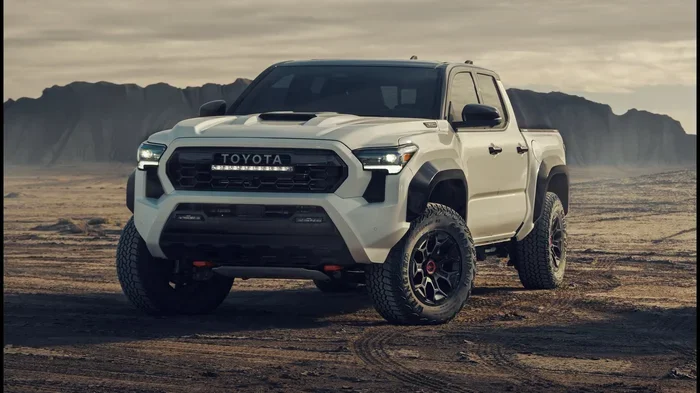
How many miles does Toyota Tacoma last is a common question for truck buyers. Most owners report reaching 200,000 miles with proper care. Some even push past 300,000 miles. This guide explains what affects longevity. You will learn simple ways to keep your Tacoma running longer.
If you are thinking about buying a truck, you probably want one that stays on the road for a long time. Nobody likes spending money on repairs too often. That is why people ask how many miles does Toyota Tacoma last. This truck has a strong reputation. Many drivers trust it for work, play, and daily driving.
Toyota builds vehicles known for durability. The Tacoma is no exception. It handles rough roads and heavy loads well. But like any machine, it needs care. In this article, we will look at real-world data. We will also share tips to help your truck go the distance. You will learn what to watch for and how to save money.
Key Takeaways
- Longevity Expectations: A well-maintained Toyota Tacoma often lasts between 200,000 and 300,000 miles.
- Engine Reliability: Both gas and turbo engines show strong durability over high mileage.
- Maintenance Matters: Regular oil changes and fluid checks are critical for long-term survival.
- Driving Habits: Off-roading and heavy towing can increase wear if not managed carefully.
- Common Issues: Watch for rust, transmission shifts, and suspension wear as mileage climbs.
- Cost Efficiency: Repairing a Tacoma is often cheaper than buying a new truck.
- Resale Value: High-mileage Tacomas still hold value due to their trusted reputation.
📑 Table of Contents
What Is the Real Lifespan of a Toyota Tacoma?
When people ask how many miles does Toyota Tacoma last, they want a clear number. There is no single answer for every truck. However, data from owners and mechanics gives us a good idea. Most Tacoma trucks reach 200,000 miles without major issues. Some go much further.
The lifespan depends on several factors. Engine type matters. Driving style matters. Maintenance history matters most. A truck with regular service often outlives one that is neglected. Let us break down the numbers.
Average Mileage by Generation
Toyota has made the Tacoma for many years. Each generation brings improvements. Older models still run strong today. Newer models have better tech and engines. Here is a general look at what owners report.
First Generation (1995-2004): These trucks are known for simplicity. Many reach 250,000 miles. Rust can be a problem in snowy areas.
Second Generation (2005-2015): These are very popular on the used market. Owners often see 200,000 to 300,000 miles. Transmission issues appeared in some early models.
Third Generation (2016-Present): These trucks have modern engines. The turbo engine is strong but needs good oil. Many are just hitting high mileage now. Early reports look promising.
Gas vs. Turbo Engine Durability
The Tacoma offers different engine choices. The standard engine is a V6. It is simple and reliable. The turbo engine offers more power. It also needs more attention. Both can last a long time.
The V6 engine is a favorite for high mileage. It handles heat well. It does not stress as much as a turbo. The turbo engine is efficient. It gives great torque. But it requires strict oil change schedules. Clean oil keeps the turbo safe.
If you plan to tow heavy loads, the engine works harder. This can reduce lifespan if you ignore maintenance. Light driving helps any engine last longer.
Real Owner Stories and Data
Online forums are full of Tacoma stories. Owners share their odometer readings. Many celebrate 200,000 miles. Some reach 300,000 miles. A few even go higher. These numbers are not rare for this truck.
Mechanics also see these trucks often. They note that major repairs usually happen after 150,000 miles. This is normal for any vehicle. The Tacoma tends to avoid catastrophic failures. Parts wear out, but the core structure stays strong.
If you want to know how many miles does Toyota Tacoma last, look at the care it received. A truck with records is worth more trust. A truck with no history is a risk.
Key Factors That Influence Tacoma Longevity
Several things change how long a truck lasts. You cannot control everything. But you can control how you use and care for it. Understanding these factors helps you make smart choices.
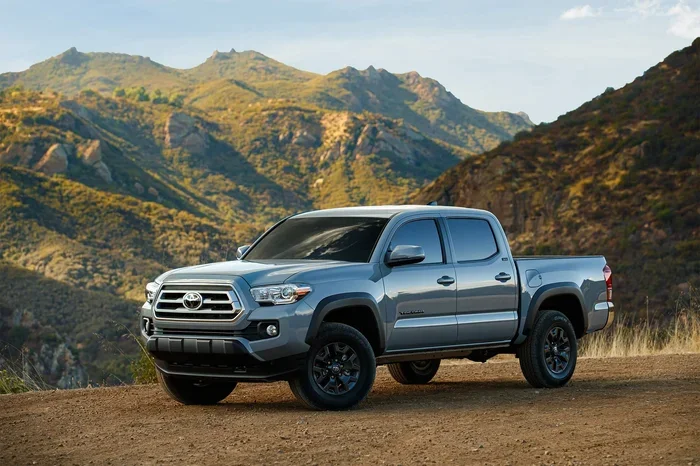
Visual guide about Toyota Tacoma pickup truck
Image source: assets.bwbx.io
Maintenance Schedule and Habits
Maintenance is the biggest factor. Toyota provides a schedule in the owner manual. Following this schedule is wise. It keeps parts lubricated and cool. It catches small problems early.
Oil Changes: Engine oil protects moving parts. Old oil causes sludge. Sludge kills engines. Change oil on time.
Fluids: Transmission fluid, brake fluid, and coolant matter. They degrade over time. Fresh fluids prevent wear.
Filters: Air filters keep dirt out. Clogged filters reduce power. Fuel filters protect injectors.
Skipping service saves money short term. It costs more long term. A well-maintained Tacoma often beats the averages.
Driving Conditions and Terrain
Where you drive changes wear rates. Smooth highways are easy on trucks. Stop-and-go city traffic adds stress. Rough off-road trails are fun but hard on parts.
Off-roading puts stress on axles and joints. It can bend frames if done hard. Sand and mud cause overheating. Rocks damage undercarriages. If you off-road, inspect your truck often.
Towing also adds load. Heavy trailers strain the engine and transmission. Brakes work harder too. If you tow often, let the engine cool down after trips.
Climate and Environmental Factors
Weather plays a role too. Salt on roads causes rust. Rust weakens frames and bodies. Snowy regions see more corrosion. Coastal areas have salty air. This also speeds up rust.
Heat affects engines too. Hot climates make cooling systems work harder. Radiators and hoses may wear faster. Cold climates thicken oil. This makes starting harder in winter.
Washing your truck helps prevent rust. Clean the undercarriage in winter. Wax the paint to protect metal. Small habits make a big difference.
Modifications and Aftermarket Parts
Many Tacoma owners love mods. Lift kits, big tires, and exhaust systems are common. Some mods are safe. Others cause problems.
Lifting the truck changes geometry. It can strain CV joints and bearings. Big tires add weight and drag. This reduces fuel economy. It also stresses the transmission.
Aftermarket parts vary in quality. Cheap parts may fail soon. High-quality parts last longer. Always choose reputable brands. Professional installation matters too. Bad installation causes leaks and noises.
Common Issues at High Mileage
Even reliable trucks have weak points. Knowing them helps you prepare. You can watch for signs early. This saves time and money.
Rust and Corrosion
Rust is a top concern for older Tacomas. Frame rust can be serious. It affects safety and structure. Surface rust on bolts is common. Deep rust needs attention.
Check the frame during oil changes. Look for bubbles in paint. These signal rust underneath. Fix small spots quickly. Paint over bare metal to protect it.
Transmission and Engine Wear
Transmissions shift gears thousands of times. Slippage or harsh shifts signal wear. Fluid leaks are also warning signs. Address these early to avoid failure.
Engines lose compression over time. Misfires or rough idling happen. Spark plugs and sensors often fix this. Serious engine work is rare before 200,000 miles. Most issues are minor.
Suspension and Steering Components
Suspension parts absorb bumps. Bushings and ball joints wear out. Clunks over bumps mean check these parts. Steering play can also develop.
These repairs are common at high mileage. They are usually not expensive. Replacing worn parts restores ride quality. It also keeps the truck safe.
How to Extend the Life of Your Tacoma
You want your truck to last. Good habits help a lot. Here are practical steps you can take today. These tips apply to new and used Tacomas.
Essential Maintenance Tips
Start with the basics. Follow the factory schedule. Use quality parts. Do not wait for lights to come on.
- Change oil every 5,000 to 10,000 miles. Use the right viscosity.
- Replace filters regularly. Air and fuel filters are cheap insurance.
- Check fluid levels monthly. Top off brake and coolant as needed.
- Inspect belts and hoses. Cracks mean replace them soon.
- Listen to your truck. Strange noises need investigation.
Consistent care prevents big repairs. It also keeps resale value high. Buyers pay more for documented service.
Driving Habits for Longevity
How you drive matters. Smooth driving saves parts. Hard braking wears pads fast. Fast acceleration stresses the engine.
Let the engine warm up in cold weather. Drive gently for the first few minutes. Avoid lugging the engine in high gears. Shift manual transmissions wisely.
If you tow, stay within ratings. Overloading causes heat and stress. Use the right gear for hills. Downshift before steep climbs.
Storage and Protection
Parking matters too. Store the truck in a garage if possible. Sun fades paint and cracks interiors. Moisture promotes rust.
Use a cover if you park outside. Keep tires inflated to spec. Underinflated tires wear unevenly. They also hurt fuel economy.
For long storage, add fuel stabilizer. Disconnect the battery if needed. Move the truck occasionally to prevent flat spots.
Cost of Ownership and Repair Considerations
People also ask about cost. A truck that lasts long saves money. But repairs still happen. Knowing typical costs helps you budget.
Repair vs. Replace Decision
When a big repair comes, think carefully. Compare the cost to the truck value. A $3,000 repair on a $10,000 truck may be worth it. A $5,000 repair on a $5,000 truck is harder.
Tacomas hold value well. This makes repairs more justifiable. You can drive them for years after fixes. Many owners keep them forever.
Fuel Economy and Operating Costs
Fuel is a big ongoing cost. The Tacoma gets decent mileage for a truck. Real-world numbers vary by engine and driving. City driving uses more fuel. Highway driving is better.
Tires, brakes, and fluids add up. Budget for these yearly. Regular care costs less than emergency fixes. Planning ahead reduces stress.
Resale Value and Market Demand
Used Tacomas sell fast. They are in high demand. Even high-mileage examples find buyers. This is due to trust and reputation.
Clean history helps price. Service records prove care. Low rust improves value too. If you plan to sell, maintain records. It pays off later.
Expert Insights and Owner Community Tips
Learning from others helps. Mechanics and long-time owners share wisdom. Their tips come from real experience. Here are some common insights.
What Mechanics See Most Often
Mechanics report common issues. Oil leaks from valve covers happen. Suspension bushings wear out. Brake calipers stick sometimes. These are fixable.
They also note that neglect causes most big failures. Owners who skip service face more problems. Those who follow schedules rarely see surprises.
Community Wisdom on High Mileage
Online groups share mileage stories. Owners celebrate milestones. They share what worked for them. Many recommend synthetic oil. Others stress cooling system care.
Some suggest upgrading certain parts early. This prevents failures later. Others say run stock parts until they fail. Both approaches have merit. Choose what fits your budget.
When to Consider a Major Overhaul
At very high mileage, think about overhaul. Engine rebuilds are rare but possible. Transmission replacements happen too. These are big jobs.
If the truck is special to you, it may be worth it. If you plan to sell, weigh the cost. Sometimes a new truck makes more sense. There is no wrong answer. It depends on your goals.
Conclusion
So, how many miles does Toyota Tacoma last? The answer is usually a lot. Most trucks reach 200,000 miles. Many go to 300,000 miles or more. The real number depends on care and use.
Maintenance is the key. Follow the schedule. Use good parts. Drive smart. Protect the truck from rust and harsh conditions. Watch for common issues and fix them early.
The Tacoma is a solid choice for longevity. It offers reliability and value. With the right habits, your truck can serve you for many years. Take care of it, and it will take care of you.
Frequently Asked Questions
How many miles can a Toyota Tacoma last with proper maintenance?
With proper maintenance, a Toyota Tacoma can easily reach 200,000 miles. Many owners report reaching 300,000 miles with consistent care. The key is following the service schedule and addressing issues early.
Does the turbo engine affect how many miles a Tacoma lasts?
The turbo engine is reliable but needs strict maintenance. Clean oil and regular changes are critical for turbo longevity. If cared for, it can last as long as the standard V6 engine.
What are the most common problems at high mileage?
Common high-mileage issues include rust, suspension wear, and transmission shifts. Oil leaks and brake component wear also occur. Most problems are manageable if caught early.
How often should I change the oil to maximize Tacoma life?
Change the oil every 5,000 to 10,000 miles depending on driving conditions. Severe use like towing or off-roading may require more frequent changes. Always use the manufacturer-recommended viscosity.
Can off-roading reduce the lifespan of a Tacoma?
Off-roading can increase wear on axles, joints, and the undercarriage. Hard impacts may damage the frame or components. Regular inspection and careful driving help minimize negative effects.
Is it worth repairing a Tacoma with over 200,000 miles?
Yes, it is often worth repairing because Tacomas hold value well. Major repairs are usually cheaper than buying a new truck. The decision depends on the specific repair cost and your attachment to the vehicle.