

How many miles will a Toyota Corolla last is a question many drivers ask before buying. With proper maintenance, a Toyota Corolla can easily exceed 200,000 miles and often reach 300,000 miles or more. This reliable sedan stands out for its durable engine and low cost of ownership. In this guide, you will learn exactly what affects Corolla longevity and how to keep your car running strong.
When you think about buying a new car, one question always comes up. How many miles will a Toyota Corolla last? It is a smart question. You want a vehicle that gives you real value. You also want peace of mind on the road. The Toyota Corolla has built a strong reputation for exactly that reason. Many drivers keep their Corollas for well over a decade. Some push them past 300,000 miles. Others sell them around 150,000 miles. The truth is simple. This car can go the distance if you treat it right.
People choose the Corolla for many reasons. It is affordable. It is easy to drive. It does not demand constant attention. Mechanics know it well. Parts are easy to find. All of these factors help the car stay on the road longer. But mileage alone does not tell the whole story. How you drive matters. How you maintain the car matters. The climate you live in matters too. In this guide, we will break down everything you need to know. You will learn what affects Corolla longevity. You will also learn practical steps to keep your car running strong for years.
Key Takeaways
- High Mileage Potential: Most Toyota Corollas reliably last between 200,000 and 300,000 miles with routine care.
- Engine Durability: The Corolla’s simple, efficient powertrain is built for long-term reliability and easy repairs.
- Maintenance Matters: Regular oil changes, fluid checks, and timely part replacements are the biggest factors in extending vehicle life.
- Driving Habits Count: Smooth acceleration, proper braking, and avoiding harsh conditions help reduce wear on critical components.
- Cost Efficiency: Low maintenance costs and widespread parts availability make the Corolla an affordable long-term choice.
- Common Weak Points: Watch for suspension components, battery health, and minor electronics as the car ages.
- Expert Tip: Keep detailed service records and address small issues early to prevent costly repairs later.
📑 Table of Contents
- What Is the Real Mileage Potential of a Toyota Corolla?
- Key Factors That Affect Corolla Longevity
- How Toyota Corolla Reliability Supports High Mileage
- Real-World Mileage Expectations and Owner Experiences
- Best Practices to Maximize Your Corolla’s Lifespan
- Common Mistakes That Shorten Corolla Life
- Expert Insights on Toyota Corolla Durability
- Conclusion
What Is the Real Mileage Potential of a Toyota Corolla?
Many car buyers want a straight answer. They want a number. The honest answer is that a well-cared-for Toyota Corolla can last 200,000 to 300,000 miles. Some examples go even higher. The exact number depends on several factors. Engine type matters. Driving style matters. Service history matters most of all. A car that gets regular oil changes and timely repairs will almost always outlive a neglected one.
The Corolla is known for a simple and durable design. It does not rely on overly complex systems. That simplicity is a big advantage. Fewer complex parts usually mean fewer unexpected failures. The engine and transmission are designed for everyday use. They handle city traffic and highway cruising with ease. This balanced design helps the car age well over time.
Typical Lifespan by Driving Style
Different drivers put different stress on their cars. A gentle commuter will usually see better longevity than a hard-driving enthusiast. Here is a quick look at how driving habits affect Toyota Corolla mileage.
- Easy Commuter: Smooth starts, moderate speeds, and regular service often lead to 250,000 miles or more.
- City Driver: Frequent stops and starts add wear, but good maintenance still supports 200,000+ miles.
- Highway Driver: Steady cruising is easier on the engine and transmission, often supporting higher mileage.
- Hard Driver: Aggressive acceleration and braking can shorten component life if care is ignored.
These are general patterns, not fixed rules. A city driver who stays on top of maintenance can still beat a highway driver who skips service. The key is consistency. Small habits add up over time.
Why the Corolla Is Built for Long-Term Use
Toyota has a long history of focusing on reliability. The Corolla continues that tradition. Engineers design it with practical durability in mind. They choose proven parts. They test common failure points. They keep the system manageable for owners and repair shops. This approach creates a car that feels dependable year after year.
Another advantage is the wide service network. Almost every mechanic can work on a Corolla. That means you have more options for honest, affordable repairs. You also get faster turnaround times. When a car is easy to service, owners are more likely to maintain it properly. That cycle supports longer life.
Key Factors That Affect Corolla Longevity
If you want to know how many miles will a Toyota Corolla last in your situation, look at the big drivers of wear. Mileage is not random. It is shaped by choices you make every day. The most important factors include maintenance, driving habits, environment, and repair timing.
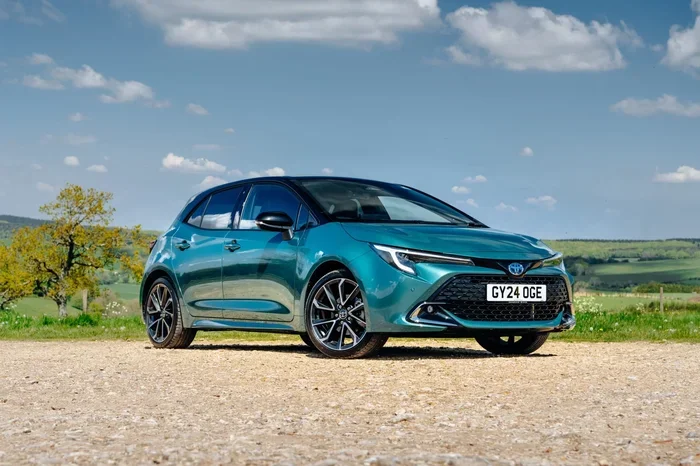
Visual guide about Toyota Corolla car photo
Image source: media.toyota.co.uk
Maintenance and Service History
Maintenance is the number one factor. A Corolla that gets regular oil changes, fluid checks, and timely part replacements will usually outperform a neglected one. Oil keeps internal engine parts lubricated. Fresh oil reduces friction and heat. That protects the engine over the long run.
You should also pay attention to filters, belts, and hoses. These parts wear out slowly. They rarely fail without warning if you inspect them on schedule. Tire care matters too. Proper inflation and alignment reduce stress on suspension parts. That helps the car stay balanced and comfortable for longer.
A simple maintenance routine can look like this:
- Change engine oil and filter on schedule
- Check coolant, brake fluid, and transmission fluid
- Replace air filters when dirty
- Inspect tires, brakes, and suspension components
- Address warning lights early instead of waiting
This routine does not need to be complicated. It just needs to be consistent. Consistency is what turns a good car into a long-lasting one.
Driving Habits and Usage Patterns
How you drive changes how fast parts wear out. Hard braking wears pads and rotors faster. Rapid acceleration stresses the engine and transmission. Constant stop-and-go traffic adds heat and wear. On the other hand, smooth driving reduces strain. It also improves fuel economy, which is a nice bonus.
If you often carry heavy loads or tow, that adds extra stress. The Corolla is not built for heavy towing. It is built for daily transportation. Using it within its intended role helps it last longer. If you need a vehicle for tough jobs, a different platform may be a better fit.
Climate and Environmental Conditions
Where you live matters more than many people realize. Hot climates can stress cooling systems and batteries. Cold climates can make starting harder and increase engine wear during warm-up. Road salt in winter can speed up corrosion on underbody parts. Humid coastal air can also affect metal components over time.
You cannot control the weather, but you can adapt. Regular undercarriage rinses help in salty regions. Proper battery care matters in extreme temperatures. Using the right fluids for your climate also helps. These small steps protect the car from avoidable damage.
How Toyota Corolla Reliability Supports High Mileage
Reliability is the main reason people trust the Corolla. It is not just a marketing word. It comes from a design philosophy that values consistency. The engine starts easily. The transmission shifts smoothly. The electronics stay simple and functional. These qualities make the car easier to live with for many years.
When a car is reliable, owners tend to keep it longer. That creates a positive cycle. Longer ownership means more care. More care means fewer major failures. Fewer major failures mean the car can reach higher mileage. This is one reason you see so many high-mileage Corollas on the road.
Engine and Transmission Durability
The heart of the car is the powertrain. The Corolla uses efficient, proven engines. They are designed for everyday reliability rather than extreme performance. That choice helps them survive years of regular use. The transmission is also built for smooth, predictable operation. It does not need constant attention if it is serviced properly.
Some owners worry about smaller engines being less durable. That is not always true. A smaller engine can be very durable if it is not overloaded. The Corolla’s powertrain is matched to the car’s weight and purpose. When the system works as intended, it can deliver impressive lifespan.
Common Parts That Age Well
Several components on the Corolla tend to hold up well over time. These include:
- Engine block and internal parts: Built for steady, long-term operation
- Suspension bushings and joints: Generally durable with normal use
- Brakes and rotors: Wear predictably and are easy to replace
- Exhaust system: Usually lasts well with decent corrosion protection
- Interior trim and seats: Often remain functional for many years
Of course, every car ages differently. But these areas are known for manageable wear. That makes long-term ownership less stressful.
Real-World Mileage Expectations and Owner Experiences
Numbers are helpful, but real-world experience is even better. Many Corolla owners report reaching 200,000 miles with routine care. Some share stories of 250,000 miles or more. A smaller group pushes toward 300,000 miles. These examples show what is possible, not what is guaranteed. Every car has its own path.
You can also look at broader patterns. Cars that are driven mostly on highways often log miles more gently than cars used in heavy traffic. But highway miles are not automatically easier on every part. Long trips can still add wear if the car is not maintained. The best approach is to focus on care, not just mileage type.
What High-Mileage Corolla Owners Report
Owners with high-mileage Corollas often mention a few common themes. They change oil regularly. They fix small problems quickly. They avoid ignoring strange noises or dashboard warnings. They also keep records of service. These habits make a big difference.
Another common theme is simplicity. Many long-term owners avoid unnecessary modifications. They keep the car close to its original design. That helps maintain reliability. It also makes it easier to find parts and help from technicians.
When to Expect Major Service Milestones
As a Corolla ages, some services become more important. You may see items like brake service, suspension work, or battery replacement. These are normal. They do not mean the car is failing. They mean the car is aging in a predictable way. Planning for these costs helps you stay ahead.
A practical milestone checklist can include:
- Brake inspection and pad or rotor service as needed
- Suspension and steering checks for worn components
- Battery testing, especially in extreme weather
- Cooling system checks for leaks or aging hoses
- Tire replacement based on tread and age
Thinking ahead like this keeps small issues from becoming big ones.
Best Practices to Maximize Your Corolla’s Lifespan
If you want your Corolla to go the distance, focus on habits that protect it every day. You do not need special skills. You just need a steady routine. The goal is simple. Reduce unnecessary wear. Catch problems early. Keep the car within its design limits.
Smart Maintenance Habits
Start with the basics. Follow the service schedule in your owner’s manual. Do not stretch oil changes too far. Use the recommended fluids. Keep an eye on leaks, noises, and warning lights. If something feels different, get it checked sooner rather than later.
It also helps to build a relationship with a trusted repair shop. A good technician can spot early signs of wear. They can also help you prioritize repairs. That saves money over time because you fix what matters first.
Fuel, Fluids, and Everyday Care
Use quality fuel from reliable stations. Clean fuel protects the engine and fuel system. Keep up with fluid levels between services. Check coolant, brake fluid, and windshield washer fluid when you can. These checks take only a few minutes. They can prevent bigger problems later.
Here are a few simple daily and monthly habits:
- Check tire pressure regularly
- Listen for unusual sounds when starting or driving
- Watch for dashboard warning lights
- Keep the car clean to reduce corrosion risk
- Store keys and fobs carefully to avoid battery issues
These small actions may seem minor, but they support long-term health. A car that is watched closely is a car that stays usable longer.
Quick Tips for Long-Term Ownership
Quick Tip: Keep a simple service log. Write down dates, mileage, and what was done. This helps you stay organized and proves maintenance history if you ever sell the car.
Quick Tip: Learn the basics of your key fob and battery replacement. A dead key fob battery can be frustrating, but it is usually an easy fix. If you ever need help, you can check guides on how to replace a Toyota key battery or how to replace battery in a Toyota key fob.
Quick Tip: Watch for maintenance reminder lights and address them on time. If you own a Corolla, you may also find it useful to read about how to remove maintenance required on Toyota Corolla or how to reset Toyota Corolla maintenance light.
Common Mistakes That Shorten Corolla Life
Even a reliable car can suffer if it is treated poorly. Some mistakes are easy to avoid. Others are subtle. The goal is not perfection. The goal is to avoid repeated bad habits that add up over time.
Neglecting Routine Service
Skipping oil changes is one of the most common mistakes. Oil is the lifeblood of the engine. When it breaks down, friction increases. That can lead to faster wear. Ignoring fluid checks and minor warnings can also cause problems. A small leak today can become a big issue later.
Ignoring Early Warning Signs
A new noise, a soft brake pedal, or a slight pull in steering may seem small. These signs often point to real issues. Waiting too long usually makes repairs more expensive. If you notice something unusual, get it checked. Early action is almost always cheaper than delayed action.
Common Mistakes to Avoid
- Skipping scheduled oil and filter changes
- Ignoring dashboard warning lights
- Delaying brake or tire service
- Using poor-quality fuel or wrong fluids
- Overloading the car beyond normal use
- Washing the car too rarely in salty or humid areas
Avoiding these mistakes does not require expert knowledge. It just requires attention. A few minutes of care each month can protect thousands of miles of driving.
Expert Insights on Toyota Corolla Durability
Experts usually agree on one thing. The Corolla is a practical, dependable choice for long-term ownership. It is not flashy, but it is steady. That steadiness is valuable. It means fewer surprises and more predictable costs. For many drivers, that is exactly what they want.
Another expert insight is that longevity is not just about the car. It is also about the owner. A well-maintained Corolla can last a long time. A neglected one may not. This is true for almost any vehicle. The Corolla simply gives you a strong starting point.
What the Data and Owner Stories Suggest
Owner stories and service patterns point in the same direction. Regular care leads to longer life. Simple systems are easier to maintain. Affordable repairs make it easier to keep the car on the road. These factors work together. They help explain why so many Corollas stay in service for many years.
If you are comparing options, it helps to think broadly. You may also want to look at related models and their lifespan expectations. For example, some readers explore how long does a Toyota RAV4 last or how long can a Toyota Camry last when they are weighing different Toyota choices. Each model has its own strengths, but the same basic rule applies. Care matters.
Key Takeaways for Long-Term Owners
Key Takeaway: Treat the Corolla as a long-term tool, not a temporary car. Plan for routine service. Fix small issues early. Keep records. These habits help you get the most miles from your investment.
Key Takeaway: Do not chase mileage as the only goal. Aim for dependable mileage. A car that runs well at 180,000 miles is often more valuable than one that struggles at 220,000 miles.
Key Takeaway: Learn the basics of your car. Know how to check fluids, understand warning lights, and handle simple tasks. That knowledge makes you a better owner.
Conclusion
So, how many miles will a Toyota Corolla last? In real life, many Corollas reach 200,000 to 300,000 miles with proper care. Some go even further. The exact number depends on maintenance, driving habits, climate, and how quickly you address problems. The Corolla’s strong reputation comes from its simple design, reliable powertrain, and easy serviceability. Those qualities make it a smart choice for drivers who want a car that lasts.
If you want the best results, stay consistent. Change the oil on time. Check fluids. Replace worn parts before they cause trouble. Drive smoothly. Keep the car clean and protected from harsh conditions when you can. These steps are simple, but they pay off over time. A Toyota Corolla can be a long-term companion if you give it the care it deserves.
In the end, the best mileage comes from a balanced approach. Buy a dependable car. Maintain it well. Use it wisely. Then enjoy the ride for as long as it keeps going.
Frequently Asked Questions
How many miles will a Toyota Corolla last on average?
Most well-maintained Toyota Corollas last between 200,000 and 300,000 miles. The exact number depends on service history, driving habits, and climate. With consistent care, many owners push their Corollas well beyond 200,000 miles.
What is the best way to make a Toyota Corolla last longer?
The best way is to follow a regular maintenance schedule and fix small issues early. Change the oil on time, check fluids, inspect brakes and tires, and avoid ignoring warning lights. Smooth driving and proper care also help reduce wear.
Do Toyota Corollas have major problems at high mileage?
High-mileage Corollas can develop normal wear items like brakes, suspension parts, batteries, and hoses. Serious failures are less common when the car has been maintained properly. Most issues are manageable if they are caught early.
Is a high-mileage Toyota Corolla still worth buying?
A high-mileage Corolla can be a smart buy if it has a solid service record and no major unresolved issues. These cars are often affordable and still reliable. A pre-purchase inspection is always a good idea before buying.
How often should a Toyota Corolla be serviced for long life?
Service intervals vary by model year and driving conditions, so it is best to follow the owner’s manual. In general, regular oil changes, fluid checks, and periodic inspections are essential. Staying on schedule helps prevent avoidable wear.
Can driving habits really affect how many miles a Corolla lasts?
Yes, driving habits make a real difference. Gentle acceleration, smooth braking, and avoiding overloading the car reduce stress on key parts. Hard driving and neglected maintenance can shorten the life of the engine, transmission, and suspension.