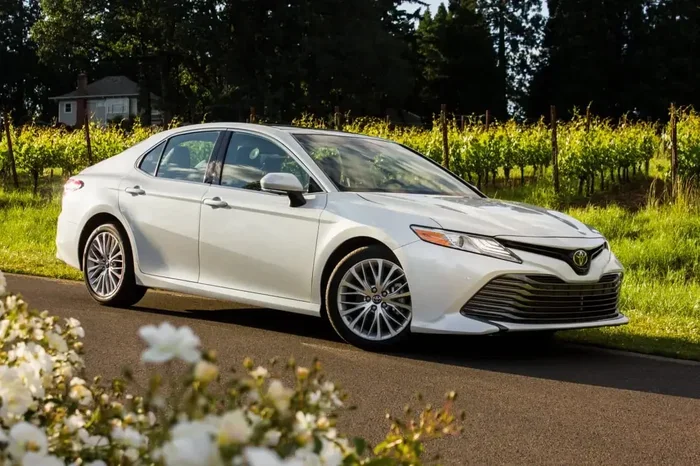

If you are asking how much is a 2018 Toyota Camry worth, the answer depends on trim level, mileage, condition, and your local market. Most examples trade between roughly $11,500 and $18,500 in 2026, with higher trims and lower mileage commanding stronger prices. Clean history, regular maintenance, and desirable features like the hybrid powertrain can push values toward the top of that range. By understanding what buyers pay attention to, you can price, buy, or trade in with confidence.
Key Takeaways
- Typical value range: A 2018 Toyota Camry usually sits between $11,500 and $18,500 depending on trim, mileage, and condition.
- Trim matters a lot: LE and SE models often price lower, while XLE, XSE, and Hybrid trims hold value better.
- Mileage is a major factor: Each additional 10,000 miles can reduce value by several hundred dollars, especially above 80,000 miles.
- Condition and history count: Clean titles, documented service, and no accidents support stronger offers.
- Location changes price: Regional demand, weather-related wear, and local inventory all shift what buyers will pay.
- Private sale vs. trade-in: Selling privately usually nets more money, while trading in offers convenience and less hassle.
- Timing helps: Listing in spring or early fall, when demand rises, can improve your final sale price.
📑 Table of Contents
- How Much Is a 2018 Toyota Camry Worth Today
- Trim Levels and How They Affect Value
- Mileage, Condition, and Service History
- Market Trends and Regional Differences
- Private Sale vs. Trade-In: Which Gets You More
- How to Price Your 2018 Camry for Sale
- Common Mistakes When Valuing a Used Camry
- Final Thoughts on How Much Is a 2018 Toyota Camry Worth
How Much Is a 2018 Toyota Camry Worth Today
If you have been shopping around or listing your own car, you have probably asked yourself, how much is a 2018 Toyota Camry worth in today’s market. The short answer is that most examples land somewhere between $11,500 and $18,500, but the exact number depends on several moving parts. Trim level, mileage, condition, service history, and even your local market can push the price up or down.
This model year remains popular because it balances comfort, reliability, and everyday practicality. Buyers like the smooth ride, predictable handling, and low cost of ownership. That steady demand helps used values stay fairly stable, even as newer models arrive. Still, not every 2018 Camry is created equal, and understanding the differences can help you buy smarter or sell for more.
In this guide, we will break down what drives the value, how trims compare, what mileage really means, and how to get the best deal whether you are buying or selling. We will also look at common mistakes, expert tips, and a few FAQs to help you move forward with confidence.
Trim Levels and How They Affect Value
One of the biggest reasons two 2018 Camrys can have very different prices is the trim level. The base LE model is affordable and practical, but it usually prices lower than the more feature-rich XLE or XSE versions. The Hybrid trim also tends to hold its value well because fuel efficiency remains a strong selling point for many shoppers.
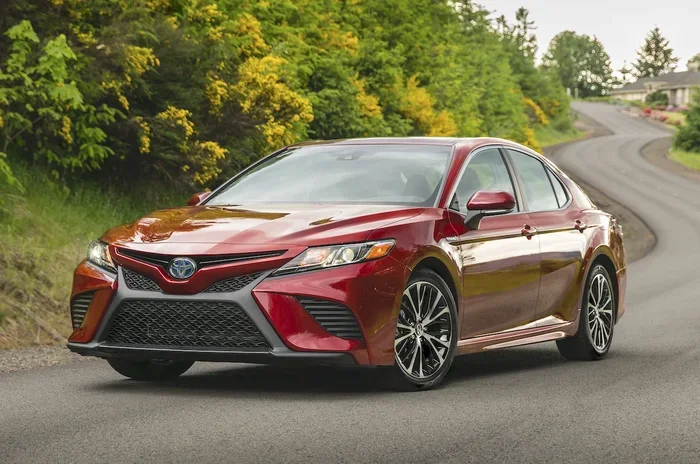
Visual guide about 2018 Toyota Camry exterior
Image source: tflcar.com
Here is a simple comparison to show how trim can shift pricing:
| Trim | Typical 2026 Value Range | Key Strengths |
|---|---|---|
| LE | $11,500 – $14,500 | Affordable, practical, good fuel economy |
| SE | $12,500 – $15,500 | Sportier styling, slightly firmer ride |
| XLE | $14,000 – $17,000 | More comfort features, nicer interior |
| XSE | $14,500 – $17,500 | Sport styling, upgraded wheels, engaging drive |
| Hybrid LE/Hybrid XLE | $15,000 – $18,500 | Excellent fuel economy, strong resale appeal |
These numbers are general guidelines, not fixed prices. A well-maintained LE with low miles can outperform a higher trim with heavy wear. On the other hand, a Hybrid with clean history and modern safety tech can command a premium. If you want a broader sense of how Toyota pricing works across the lineup, you can also look at how much are Toyota Camrys in today’s market.
When comparing trims, focus on the features you actually care about. Heated seats, a better audio system, blind-spot monitoring, and larger wheels can add appeal, but they only increase value if buyers in your area want them. A car that matches local preferences usually sells faster and for a better price.
Hybrid vs. Gas: Which One Holds Value Better
The 2018 Camry Hybrid is often a standout on the used market. Fuel efficiency matters to a lot of buyers, and the hybrid powertrain delivers a noticeable advantage in daily driving. That demand can help hybrid models retain value a bit longer than comparable gas versions, especially in areas with higher gas prices.
Gas models still have plenty of appeal, though. They often cost less up front, and many drivers prefer the simpler fueling routine. If you are trying to decide between the two, think about your driving habits. A hybrid makes the most sense if you log a lot of miles in stop-and-go traffic. A gas model can be a smart choice if you want a lower purchase price and mostly drive on open roads.
For a deeper dive into hybrid technology and why it matters for long-term ownership, check out what is a Toyota hybrid engine and how it supports everyday efficiency.
Mileage, Condition, and Service History
Mileage is one of the first things buyers look at, and for good reason. A 2018 Camry with 40,000 miles usually appeals to more buyers than one with 110,000 miles, even if both run well. That said, mileage alone does not tell the whole story. How the car was driven matters just as much.
A lower-mileage car that was only used for short trips may have less wear than a higher-mileage car that spent most of its life on steady highway driving. Still, buyers often use mileage as a quick filter, so it can influence price in a big way. As a general rule, each additional 10,000 miles can reduce value by a few hundred dollars, and the effect becomes more noticeable once a car passes 80,000 miles.
Condition and service history can either support or hurt the price. A car with:
- Regular oil changes
- Timely tire rotations
- Clean interior and exterior
- No accident history
- Documented maintenance records
…will usually justify a stronger offer. On the other hand, visible wear, neglected maintenance, or a patchy service record can make buyers cautious. If you are selling, gathering records and fixing small issues before listing can pay off. If you are buying, a pre-purchase inspection is one of the best ways to avoid surprises.
Common Wear Items to Check
A few parts tend to show age before the rest of the car does. Watch for worn brake pads, tired tires, cloudy headlights, and interior wear on the driver’s seat or steering wheel. These items may seem minor, but they can affect both safety and perceived value. Replacing them before a sale can improve buyer confidence and help you negotiate from a stronger position.
Market Trends and Regional Differences
Used car prices do not stay the same everywhere. Local demand, weather patterns, and inventory levels all play a role. In some regions, sedans remain highly desirable because they are practical and affordable. In other areas, buyers may lean toward SUVs or crossovers, which can soften demand for a Camry slightly. Even so, the Camry’s reputation for reliability keeps it competitive in most markets.
Seasonality also matters. Spring and early fall often bring more buyers, which can help sellers get better offers. Winter may slow things down in colder regions, especially if the car has visible wear from road salt or weather exposure. If you are planning to sell, timing your listing around higher-demand months can make a difference.
If you want to compare how other Toyota models are moving in the current market, it can help to look at related values such as how much are the new Toyota Supras or how much does a Toyota Sequoia cost. Seeing the bigger picture can help you understand where the Camry fits in the broader Toyota lineup.
How to Gauge Local Demand
A good way to estimate local demand is to look at similar listings in your area. Check the asking prices, mileage, and condition of comparable cars. If well-kept examples are selling quickly, demand is likely strong. If listings sit for a long time, buyers may be more price-sensitive. You can also ask local dealers what similar cars are bringing in trade, since that gives you a practical benchmark.
Private Sale vs. Trade-In: Which Gets You More
If you are selling, one of the biggest decisions is whether to sell privately or trade the car in. A private sale usually brings more money because you are selling directly to another buyer. A trade-in is often easier and faster, but the offer may be lower because the dealer needs room to resell the car.
Here is a quick way to think about it:
- Private sale: Higher potential price, more paperwork, more time, and direct buyer interactions.
- Trade-in: Faster and simpler, less hassle, but usually a lower return.
If your car is in great shape and you have time to list it, a private sale can be worth the effort. If you want convenience and a smooth transition into your next vehicle, trading in may be the better fit. Either way, knowing your car’s approximate value gives you a stronger starting point for negotiations.
Tips for Getting a Better Offer
Whether you sell privately or trade in, a little preparation can improve your result. Clean the car thoroughly, fix minor issues, and gather service records. Take clear photos from multiple angles, and write an honest description that highlights the best features. If you are trading in, get a few quotes from different dealers so you can compare offers and avoid leaving money on the table.
How to Price Your 2018 Camry for Sale
Pricing your car well is part research and part strategy. Start with a realistic range based on trim, mileage, condition, and local listings. Then decide whether you want a quicker sale or a higher price. A price that is too high can scare buyers away, while a price that is too low can leave money on the table.
A practical pricing approach looks like this:
- Check recent sales and active listings for similar 2018 Camrys in your area.
- Compare trim and options so you are not comparing a base LE to a fully loaded XLE.
- Adjust for condition, including interior wear, exterior damage, and service history.
- Set a target price and a minimum price you are willing to accept.
- Leave room for negotiation while staying within a fair market range.
If you are buying instead of selling, the same research helps you recognize a good deal. A 2018 Camry that is priced well below market may have hidden issues, while one priced fairly with clean history can be a solid value. For buyers who want a dependable sedan with strong resale appeal, the Camry remains one of the safer choices in the used market.
Quick Tips for Listing Success
Use clear photos, write a straightforward title, and mention the most appealing features early. Be honest about any flaws, because transparency builds trust and reduces wasted time. Respond to inquiries quickly, and be ready to share service records or arrange a test drive. A well-prepared listing often sells faster and attracts more serious buyers.
Common Mistakes When Valuing a Used Camry
Even experienced buyers and sellers can make mistakes when estimating value. Here are a few to watch out for:
- Focusing only on mileage: Condition and maintenance history matter just as much.
- Comparing the wrong trims: A base model and a premium trim should not be priced the same.
- Ignoring local market differences: What sells well in one area may move slower in another.
- Overlooking small repairs: Minor issues can make buyers assume bigger problems exist.
- Setting an emotional price: Personal attachment can lead to unrealistic pricing.
- Skipping research: Without current listings and sales data, it is easy to guess wrong.
Avoiding these mistakes helps you stay realistic and make better decisions. Whether you are trying to sell at a fair price or buy without overpaying, a clear view of the market is your best advantage.
Expert Insight: What Buyers Notice First
Most buyers start with the big three: mileage, condition, and price. After that, they look at trim features, service records, and any signs of prior damage. A car that presents well and has a clean story usually stands out. If you are selling, make those strengths easy to see. If you are buying, use them to judge whether the price makes sense.
Final Thoughts on How Much Is a 2018 Toyota Camry Worth
So, how much is a 2018 Toyota Camry worth in 2026? For most buyers and sellers, the realistic range sits between about $11,500 and $18,500, with the final number shaped by trim, mileage, condition, and local demand. A clean, well-maintained example with desirable features can easily command a stronger price, while a higher-mileage base model may land on the lower end.
The good news is that the Camry remains a practical, reliable choice that continues to attract buyers. That steady interest helps support its value and makes it a sensible pick for anyone who wants a dependable sedan without a steep ownership burden. If you are selling, prepare your car well and price it based on real market data. If you are buying, focus on condition and history as much as the asking price.
In the end, the best deal is the one that matches your needs and budget. With a little research and a clear understanding of what drives value, you can move forward with confidence and make a smart decision for the long run.
Frequently Asked Questions
How much is a 2018 Toyota Camry worth in 2026?
Most 2018 Toyota Camrys are worth roughly $11,500 to $18,500 in 2026, depending on trim, mileage, condition, and local market demand. Well-kept examples with lower miles and desirable features often reach the higher end of that range.
Does the trim level change the value a lot?
Yes, trim level can make a noticeable difference. Base LE models usually price lower, while XLE, XSE, and Hybrid trims often bring stronger offers because they include more features or better fuel economy.
How much does mileage affect the price?
Mileage matters a lot, especially once a car passes 80,000 miles. Higher mileage usually lowers the value, but a well-maintained higher-mileage car can still be worth more than a neglected lower-mileage one.
Is a 2018 Camry Hybrid worth more than the gas version?
Often, yes. The Hybrid can appeal to more buyers because of its fuel efficiency, which may help it hold value better in many markets. That said, the final price still depends on condition, mileage, and local demand.
Should I sell privately or trade in my 2018 Camry?
Selling privately usually gets you more money, while trading in is faster and easier. If you want the best return and have time to list the car, a private sale is often the better choice. If convenience matters most, a trade-in may be the smarter move.
What makes a 2018 Camry sell faster?
A clean title, documented maintenance, good tires and brakes, and a well-presented interior and exterior all help. Accurate photos, honest descriptions, and a fair price also make the car more attractive to serious buyers.