The 2023 Toyota Camry offers excellent value with prices starting around $26,400. Real-world costs depend on trim, options, and dealer fees. This guide breaks down every expense so you can budget accurately before buying.
Buying a new car is exciting. It is also stressful. You want a reliable vehicle. You also want a fair price. The 2023 Toyota Camry is a top choice for many drivers. It offers comfort, safety, and great fuel economy. But the big question remains. How much is a 2023 Toyota Camry really going to cost you?
The sticker price is just the beginning. Dealer fees, taxes, and options change the total. You need to know the full picture. This article breaks down every cost. We look at trim levels and engine choices. We also discuss financing and insurance. By the end, you will know exactly what to expect. You can walk into the dealership with confidence.
Let us dive into the numbers. We will explore real-world prices. You will learn how to save money. We will also compare different models. This guide covers everything you need. Get ready to find your perfect sedan.
Key Takeaways
- Base Price Range: The 2023 Toyota Camry starts at approximately $26,400 and can exceed $35,000 for top trims.
- Trim Levels Matter: Choosing between LE, SE, XLE, and XSE significantly impacts the final price.
- Dealer Fees Add Up: Destination charges, documentation fees, and taxes can add $2,000 to $5,000 to the sticker price.
- Hybrid Option: The Camry Hybrid costs slightly more upfront but saves money on fuel over time.
- Financing Costs: Interest rates and loan terms affect the total amount you pay over the life of the loan.
- Resale Value: Toyota Camrys hold their value well, making them a smart long-term investment.
- Insurance Varies: Your location and driving history will influence your monthly insurance premiums for this sedan.
📑 Table of Contents
Understanding the 2023 Toyota Camry Price Structure
When you look at the window sticker, you see the MSRP. This stands for Manufacturer’s Suggested Retail Price. It is the base cost set by Toyota. However, this is rarely the final price. Dealers add fees. Taxes apply based on your state. You might also choose extra features. All these factors change the total cost.
The 2023 Toyota Camry comes in several configurations. Each configuration has a different price point. The base model is the most affordable. The sporty or luxury trims cost more. You also have the hybrid option. This adds efficiency but also cost. Understanding these layers helps you budget better.
You should also consider the market conditions. Sometimes demand is high. This can push prices above MSRP. Sometimes there are incentives. These can lower the cost. Researching local deals is smart. It helps you negotiate a better price.
Base Model vs. Top Trim Costs
The price gap between trims is significant. The LE trim is the entry point. It has essential features for daily driving. The XSE trim is the performance option. It has a bigger engine and sporty styling. Here is a general breakdown of the differences:
- LE Trim: Focuses on value and fuel efficiency.
- SE Trim: Adds sporty aesthetics and handling tweaks.
- XLE Trim: Offers more comfort and luxury features.
- XSE Trim: Provides the highest performance and styling.
Choosing the right trim depends on your needs. If you want savings, pick the LE. If you want speed, pick the XSE. Knowing this helps you narrow down your search. It also clarifies your budget requirements.
How Much Is a 2023 Toyota Camry by Trim Level
This is the most common question buyers ask. The answer varies by trim. The 2023 Toyota Camry lineup is diverse. You can find a model for almost any budget. Let us look at the specific price ranges. These numbers reflect the MSRP before fees.
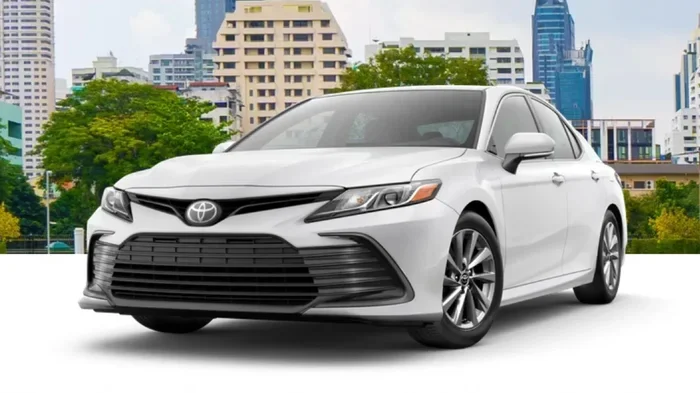
Visual guide about 2023 Toyota Camry front view
Image source: motorbiscuit.com
The LE model is the cheapest. It starts around the mid-twenty thousands. This is great for budget-conscious buyers. The SE model costs a bit more. It adds some sporty elements. The XLE model focuses on comfort. It often includes leather seats and better tech. The XSE is the most expensive gas model. It combines power with luxury features.
Then there is the Hybrid. The Toyota Camry Hybrid commands a premium. But it saves on gas. This trade-off is important. You pay more now to save later. We will discuss fuel savings in a later section. For now, know that hybrids cost more upfront.
Engine Options and Their Impact
Engine choice affects the price too. The standard engine is a 2.5-liter four-cylinder. It is efficient and reliable. It comes with most LE and SE models. The available engine is a 3.5-liter V6. This engine is faster. It is usually reserved for higher trims.
The V6 adds power. It also adds cost. You might pay extra for this option. Some buyers prefer the four-cylinder. It is cheaper to fuel. It is also cheaper to buy. Think about your driving habits. Do you need extra horsepower? If not, save the money.
Here is a quick comparison of engine types:
| Engine Type | Horsepower | Fuel Economy | Price Impact |
|---|---|---|---|
| 2.5L 4-Cylinder | 203 hp | Up to 32 MPG | Base Price |
| 3.5L V6 | 301 hp | Up to 27 MPG | Higher Cost |
| Hybrid 2.5L | 208 hp | Up to 52 MPG | Moderate Premium |
This table shows the trade-offs. The V6 is faster but thirstier. The Hybrid is efficient but costs more. The 4-cylinder is the balanced choice. Consider these factors when choosing.
Real-World Costs: Taxes, Fees, and Dealer Add-Ons
The sticker price is not the final bill. You must account for extra costs. These vary by location. Sales tax is a big one. It depends on your state and county. Some states have no sales tax. Others have high rates. This can add thousands to the price.
Dealer fees are also common. Documentation fees cover paperwork. Destination charges cover shipping the car. These are often mandatory. Some dealers add extra fees. They might call them “prep fees” or “market adjustments.” You should question these. Not all of them are necessary.
Options and packages increase the cost too. You might want a sunroof. Maybe you want premium audio. These features are nice. But they raise the price. Decide what you truly need. Skip the extras if you are on a budget.
Negotiating the Final Price
You have power as a buyer. Do not accept the first offer. Negotiate the “out-the-door” price. This includes all fees and taxes. It is the total amount you pay. Dealers sometimes hide fees in the monthly payment. Focus on the total cost instead.
Research incentives before you go. Toyota often offers cash rebates. They might offer low-interest financing. These deals change frequently. Check the official website. Ask the dealer about current offers. This can save you money immediately.
Here are some tips for negotiation:
- Get Pre-Approved: Secure financing from your bank first.
- Compare Dealers: Call multiple dealerships for quotes.
- Be Ready to Walk: If the price is too high, leave.
- Focus on Total Cost: Ignore monthly payment talks initially.
Being prepared helps you win. You know the 2023 Toyota Camry value. You know the fees. You can spot a bad deal. This confidence leads to savings.
Financing and Ownership Costs
Most people do not pay cash. They use a loan. The interest rate matters. A high rate costs more over time. A low rate saves money. Your credit score determines your rate. Good credit gets better deals. Check your score before applying.
Loan terms also affect cost. A 36-month loan has higher payments. But you pay less interest. A 72-month loan has lower payments. But you pay more interest. Choose the shortest term you can afford. This saves money in the long run.
Insurance is another cost. You must insure your new car. Rates vary by driver. Your age and location matter. The car model matters too. The Toyota Camry is generally affordable to insure. It is not a luxury sports car. But safety features can lower premiums. Ask your agent about discounts.
Fuel and Maintenance Expenses
Owning a car costs more than buying it. You need gas. You need maintenance. The Camry is known for efficiency. The hybrid model is excellent here. It can get over 50 MPG in the city. This saves hundreds per year. The gas models are also good. They are not the most efficient cars. But they are better than trucks.
Maintenance is usually low. Toyota parts are common. Mechanics know these cars well. Oil changes are routine. Tires are standard sizes. You do not need special tools. This keeps ownership costs down. For specific maintenance needs, you might wonder how many quarts of oil does a Toyota Camry take. Knowing this helps you plan for service visits.
You should also budget for repairs. Even new cars need fixes. Warranties cover most issues early on. The basic warranty is three years. The powertrain warranty is longer. This protects your wallet. Understand the coverage before you buy.
Comparing the Camry to Competitors
The Camry is not the only sedan. You have other choices. The Honda Accord is a main rival. The Mazda6 is another option. Each has pros and cons. Price is a major factor. The Camry often offers better value. It holds its value very well.
Reliability is another key point. Toyota has a strong reputation. Many drivers trust the brand. This matters for long-term ownership. You want a car that lasts. The Camry is known for longevity. Many reach high mileage without major issues. You might wonder how many miles will a Toyota Rav 4 last, and the same durability often applies to the Camry sedan.
Technology is competitive too. New cars have screens and safety tech. The Camry has Toyota Safety Sense. This includes automatic braking. It also has lane tracing. These features are often standard. Competitors might charge extra for them. This adds value to the Camry price.
Value Retention and Resale
resale value is important. You will sell the car someday. Some cars lose value fast. Others keep their worth. The Camry is in the second group. It is a popular used car. This means high demand later. You get more money back when you sell.
This makes the total cost of ownership lower. You pay less depreciation. Depreciation is the loss in value. A car that holds value loses less. This is a hidden cost. The Camry minimizes this loss. It is a smart financial choice.
Is the 2023 Toyota Camry Worth the Price
Now we answer the big question. Is it worth it? For most buyers, yes. It balances cost and quality. It is not the cheapest car. But it is not the most expensive. It sits in a sweet spot. You get reliability without luxury prices.
If you need a daily driver, this is ideal. It is comfortable for long trips. It is safe for families. The fuel economy helps your budget. The resale value helps your future. All these factors add up. The 2023 Toyota Camry price is justified.
However, consider your specific needs. If you need a truck, look elsewhere. If you want pure luxury, try German cars. But for a mainstream sedan, this is top-tier. It offers peace of mind. That is worth a lot of money.
Final Thoughts on Budgeting
Set your budget before you shop. Include insurance and fuel. Include maintenance savings. Do not stretch too thin. A car should help your life. It should not stress your finances. The Camry fits many budgets. You just need to pick the right trim.
Take your time. Test drive different models. Compare the prices. Use the information in this guide. You are now informed. You can make a smart choice. Enjoy your new sedan.
Frequently Asked Questions
What is the starting MSRP for a 2023 Toyota Camry?
The starting MSRP for a 2023 Toyota Camry LE trim is approximately $26,400. This price excludes destination charges, taxes, and dealer fees. Higher trims like the XSE can cost significantly more depending on options.
Does the Camry Hybrid cost more than the gas model?
Yes, the Camry Hybrid typically costs a few thousand dollars more than the standard gas model. However, the improved fuel economy can save you money on gas over time. It is a good investment for high-mileage drivers.
What fees should I expect when buying a 2023 Camry?
You should expect destination charges, documentation fees, and sales tax. Dealer-added accessories or market adjustments may also apply. Always ask for an out-the-door price to see the full cost.
How much does insurance cost for a 2023 Toyota Camry?
Insurance costs vary based on your location, driving history, and coverage level. Generally, the Camry is affordable to insure compared to sports cars. Safety features may help lower your premium.
Can I negotiate the price of a 2023 Toyota Camry?
Yes, you can often negotiate the price, especially on dealer fees and add-ons. While MSRP is fixed, the final out-the-door price is flexible. Researching incentives and comparing dealers gives you leverage.
What is the resale value of a 2023 Toyota Camry?
The 2023 Toyota Camry has excellent resale value compared to many competitors. Toyota sedans are known for holding their worth over time. This makes them a smart financial choice for long-term ownership.