
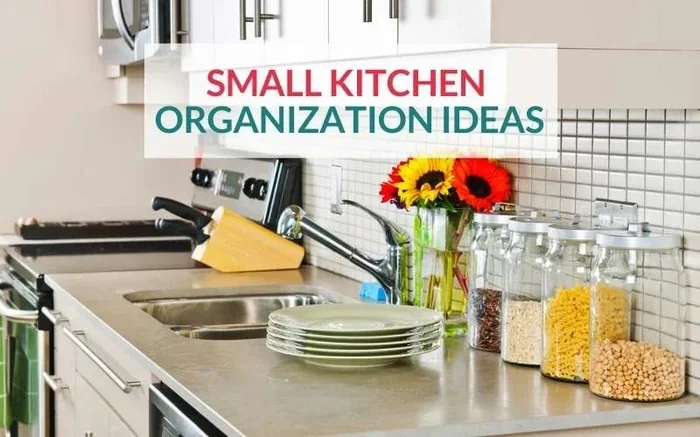
Featured image for how to small kitchen organization ideas
Image source: littlehouselovelyhome.com
A small kitchen without a pantry can still feel calm and functional when you assign a clear home for every item and use vertical space wisely. This guide walks you through simple steps to sort, store, and maintain a tidy kitchen that fits your daily routine. You will learn practical storage ideas, cabinet upgrades, and habits that keep clutter from returning.
If you are figuring out how to organize a small kitchen without a pantry, the first thing to know is that you do not need a giant room full of shelves to stay organized. You need a system that matches the way you cook, clean, and store the items you use most. A compact kitchen can feel practical and even pleasant when every object has a clear place and the space around it is easy to use.
This guide will show you how to plan your storage, make the most of cabinets and walls, and set up simple habits that keep the room from sliding back into chaos. You will learn how to sort your belongings, choose storage tools that actually help, and arrange your kitchen so daily tasks feel smoother. The goal is not perfection. The goal is a kitchen that supports your routine without making you search for basics every time you cook.
📑 Table of Contents
- Step One: Empty the Space and Sort Everything
- Step Two: Understand Your Kitchen’s Real Limits
- Step Three: Create Storage Zones
- Step Four: Make Cabinets Work Harder
- Step Five: Use Vertical Space and Walls
- Step Six: Store Food Without a Pantry
- Step Seven: Keep Counters Clear
- Step Eight: Build Simple Maintenance Habits
- Troubleshooting Common Problems
- When This Approach Works Best
- A Final Thought
Step One: Empty the Space and Sort Everything
Before you buy bins or rearrange shelves, it helps to see what you actually have. Take everything out of one area at a time, especially cabinets, drawers, and any open storage you already use. Working in small sections keeps the project manageable and helps you notice duplicates, forgotten items, and things you no longer need.
Sort items into simple groups
As you empty each spot, sort items into basic groups such as cooking tools, baking supplies, food, cleaning items, and miscellaneous objects. This makes it easier to see patterns. You may discover that you own three vegetable peelers, two sets of measuring cups, or a stack of containers with missing lids. Those duplicates are often the first thing to reduce.
Keep, donate, and relocate
Next, decide what stays in the kitchen and what does not. Keep the items you use regularly or truly enjoy. Donate duplicates, broken tools, and appliances you never reach for. Relocate items that belong elsewhere in the home, such as extra batteries, mail, or craft supplies that somehow ended up near the stove. A small kitchen works better when it only holds what belongs there.
Step Two: Understand Your Kitchen’s Real Limits
Once you know what you own, look closely at the space itself. In a small kitchen without a pantry, the challenge is usually not a lack of stuff but a mismatch between the stuff and the storage. Measure your cabinets, drawers, wall space, and any awkward corners. Pay attention to what is easy to reach and what gets pushed behind other items.
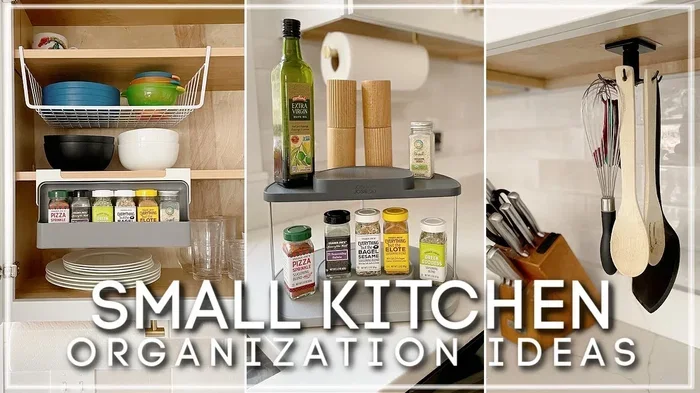
Visual guide about how to small kitchen organization ideas
Image source: i.ytimg.com
Notice your high-use areas
Think about the places your hand goes to first when you cook. That may be the drawer with your everyday utensils, the shelf where you keep oil and spices, or the counter spot where you set a hot pan. These high-use areas should hold the items you reach for most often. Less-used items can move farther away or into tighter storage.
Identify the trouble spots
Every kitchen has a few problem areas. Maybe one cabinet becomes a jammed storage zone, or one shelf turns into a pile where items disappear. Maybe your counters collect clutter because there is nowhere else to put it. Write down those trouble spots so you can solve them directly instead of just shuffling things around.
Step Three: Create Storage Zones
One of the most useful ways to organize a small kitchen is to divide it into zones. A zone is simply a place for items related to a specific task. When items live near the job they support, you spend less time hunting and less time spreading clutter across the room.
Cooking zone
Your cooking zone should hold the tools and ingredients you use at the stove or oven. This might include spatulas, spoons, tongs, a few favorite pans, cooking oil, and seasonings you use often. Keep these items close to where heat and prep happen so you can move efficiently while cooking.
Prep zone
The prep zone is where you chop, measure, and combine ingredients. A cutting board, knives, mixing bowls, measuring tools, and commonly used produce can live here. If you have limited counter space, keep only the prep tools you use frequently within reach and store the rest nearby.
Baking zone
If you bake even occasionally, group those supplies together. Flour, sugar, measuring cups, baking pans, and mixing tools can stay in one area so you are not gathering items from several places every time you make a recipe. If space is tight, keep this zone compact and store specialty tools separately from everyday cooking items.
Cleaning zone
A cleaning zone near the sink or dishwasher helps streamline cleanup. Dish soap, sponges, towels, trash bags, and food storage items can live here. This is also a good place for items you use to wipe counters or rinse produce, because they are already close to water and disposal.
Step Four: Make Cabinets Work Harder
When you do not have a pantry, cabinets become your main storage system. The trick is to use them intentionally instead of letting them become catch-all spaces. A few simple upgrades can make a big difference.
Use shelf risers and stackable organizers
Shelf risers can double your usable vertical space inside cabinets. They work well for plates, bowls, mugs, and cans. Stackable bins or baskets can help you store dry goods, snacks, or small items without creating a messy pile. The key is to choose organizers that fit your cabinet depth and height instead of forcing awkward containers into the space.
Add drawer dividers
Drawers often become mixed piles of tools because nothing has a defined place. Dividers help separate utensils, gadgets, and small tools so you can see what you have at a glance. If you prefer a simpler setup, even a small tray or container inside a drawer can keep related items together.
Use the inside of cabinet doors
Cabinet doors are often overlooked. They can hold spice racks, lid organizers, cleaning supplies, or lightweight bins for items you do not need every minute. This is especially helpful in a small kitchen because it uses space that otherwise goes unused. Just make sure the items you store there are easy to remove and put back without crowding the door.
Try tension rods and simple hacks
Tension rods can create vertical dividers for baking sheets, cutting boards, or trays. They are inexpensive and easy to adjust, which makes them useful in odd-shaped cabinets. You can also use small bins, magazine holders, or file-style organizers to store items upright instead of stacked in messy layers.
Step Five: Use Vertical Space and Walls
If floor and counter space are limited, look upward. Walls, the side of a cabinet, and even the area above a counter can hold useful storage without making the kitchen feel crowded.
Install hooks and rails
Hooks and rail systems can hold mugs, utensils, aprons, oven mitts, or lightweight pots and lids. This keeps frequently used items visible and reachable while freeing drawer space for things that truly need it. If you rent or prefer not to drill holes, look for damage-free options that still feel sturdy enough for the items you plan to hang.
Add open shelves where they make sense
Open shelves can be helpful if you want quick access to everyday dishes or pantry-style items in a small kitchen. They work best when you keep them simple and intentional. Too many open shelves can create visual clutter, so choose a few high-use items rather than storing everything in sight.
Use the fridge side, cabinet sides, and narrow gaps
Thin storage solutions can fit into narrow spaces that would otherwise be wasted. A slim rack on the side of the fridge or a small organizer between cabinets can hold spices, wraps, or packets. These small additions are not dramatic on their own, but together they can reduce pressure on your main storage areas.
Step Six: Store Food Without a Pantry
Food storage is often the hardest part of organizing a small kitchen without a pantry. Without a dedicated room or closet, you need a system that keeps food visible, protected, and easy to rotate.
Group food by category
Instead of scattering food across random shelves, group it by category. Keep breakfast items together, snack items together, baking supplies together, and cooking staples together. When similar foods live in one place, you can see what you have and avoid buying duplicates.
Choose containers that save space
Uniform containers can make a small kitchen feel much more orderly. They stack more neatly, use less awkward shelf space, and help keep dry goods fresh. Clear containers are especially useful because you can identify what is inside without opening every box or bag. If you are working with a limited budget, start with the foods you buy most often and expand later.
Use shelf-stable storage in cabinets
If you cannot dedicate one area to food, use cabinet shelves as your pantry substitute. Place everyday dry goods on one shelf, snacks on another, and less-used ingredients higher or lower depending on how often you reach for them. Keep the most common items at eye level so you do not forget what you own.
Rotate food regularly
A small kitchen benefits from a simple rotation habit. When you buy new groceries, move older items forward and newer items behind. This reduces waste and helps you notice what you already have before you shop again. A quick check once a week is usually enough to keep food storage under control.
Step Seven: Keep Counters Clear
Counters are precious in a small kitchen, so it helps to protect them from clutter. A clear counter makes cooking easier and makes the whole room feel larger.
Store appliances you use less often
If a toaster, blender, mixer, or extra appliance sits on the counter every day but is only used occasionally, move it to a cabinet or higher shelf. Keep only the appliances you use almost daily on the counter, if any. This instantly creates more workspace and reduces visual noise.
Limit decorative items
A few nice objects can make a kitchen feel welcoming, but too many can crowd a small space. Choose a small number of decorative items that you truly like and keep the rest stored. In a compact kitchen, every visible item competes for attention, so it is worth being selective.
Create a small landing spot
Even in a tight kitchen, it helps to have one clear place for keys, mail, or items you bring in from outside. If those things land on the counter, they quickly spread. A small tray, hook, or designated shelf near the entry point of the kitchen can keep everyday clutter from taking over.
Step Eight: Build Simple Maintenance Habits
The best organization system is the one you can actually maintain. A small kitchen can stay organized with a few short habits, not a huge weekly overhaul.
Do a quick reset after cooking
After you cook, spend a few minutes putting tools back, wiping surfaces, and returning food to its zone. This does not need to be perfect. The goal is to stop clutter from piling up overnight. A short reset makes the next meal feel easier and keeps the kitchen from becoming overwhelming.
Review one area at a time
Once a week or once a month, check a single cabinet, drawer, or shelf. Look for items that have drifted out of place, duplicates that crept back in, or food that needs to be used soon. Small, regular reviews are easier than waiting until the whole kitchen feels out of control.
Adjust the system when life changes
Your kitchen use may change with seasons, work schedules, or cooking habits. If you start baking more, you may need more room for baking tools. If you cook simpler meals, you may need fewer gadgets within reach. Let the layout evolve so it keeps matching the way you live.
Troubleshooting Common Problems
Even a good system can hit snags. Here are a few common issues and practical ways to handle them.
Problem: Everything feels cramped
If the kitchen feels crowded, look for items that can be reduced or relocated. You may not need to store everything in the kitchen itself. Consider whether some items belong in another room, a closet, or a donation bag. Cramped feelings often come from keeping too many things within arm’s reach.
Problem: Items keep disappearing
When things vanish, it usually means the storage is too deep, too stacked, or too hidden. Try storing items upright, using clear containers, or moving frequently used objects to a more visible spot. If you cannot see it easily, you are less likely to use it and more likely to forget it exists.
Problem: Counters become a dumping zone
If clutter lands on the counter automatically, create a designated spot for it or reduce what is allowed to stay out. A small tray can help, but only if you also sort that tray regularly. The real fix is to stop giving clutter a permanent home on the counter.
Problem: One cabinet is always messy
A single messy cabinet often means the items inside do not belong together. Separate them into categories, use bins or dividers, and decide whether everything in that cabinet truly needs to be there. Sometimes the fix is not better organization but simpler contents.
When This Approach Works Best
This kind of organization works well when you cook regularly, want a calmer workspace, or need to make a small kitchen feel more functional. It is especially useful if you do not have a pantry and need to turn cabinets, walls, and small containers into a reliable storage system. The approach also helps if you prefer a kitchen where items are easy to find and easy to put away.
A Final Thought
Learning how to organize a small kitchen without a pantry is really about making thoughtful choices. Start by reducing what you own, then arrange what remains in a way that matches your routine. Use vertical space, make cabinets more efficient, and keep food and tools grouped by task. Once the system is in place, a few small habits will help it stay that way. A compact kitchen does not have to feel crowded or frustrating. With a little planning, it can become one of the easiest rooms in your home to use every day.