
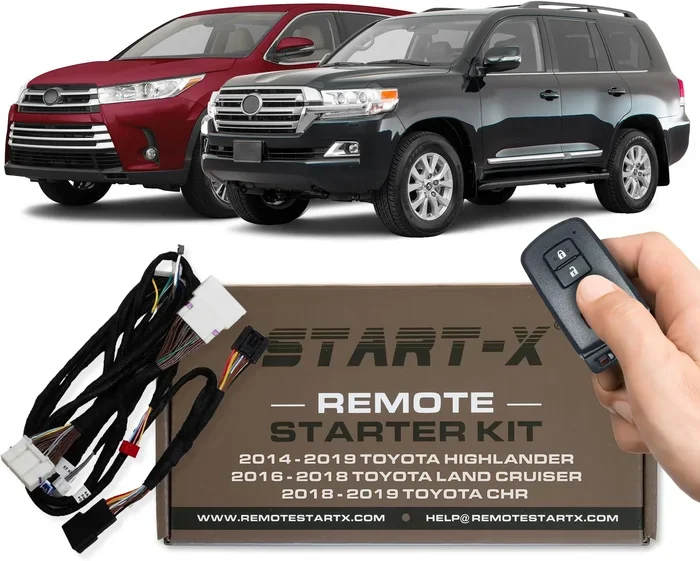
Remote starting your Toyota Highlander with the key fob is a simple way to warm up your vehicle before you step inside. This feature works on select trims equipped with the factory remote engine start system. You just press a sequence of buttons on your key fob to activate the engine from a distance. Always follow safety guidelines and check your owner manual for model-specific instructions. This guide breaks down the exact steps, troubleshooting tips, and common mistakes to avoid.
Key Takeaways
- Check compatibility first: Only certain Toyota Highlander trims and model years include factory remote start.
- Use the correct button sequence: Press the lock button, then hold the remote start button for a few seconds.
- Watch for indicator lights: Flashing lights or horn chirps confirm the system accepted your command.
- Keep the key fob within range: Most systems work within 80 to 100 feet under normal conditions.
- Follow safety rules: Never remote start in an enclosed garage or with obstructions near the exhaust.
- Replace fob batteries regularly: A weak battery causes intermittent remote start failures.
- Consult your manual for limits: Some models restrict remote start cycles or require a security PIN.
📑 Table of Contents
- Introduction
- What You Need Before You Begin
- Step by Step Guide to Remote Start Your Toyota Highlander
- Range, Weather, and Real World Limitations
- Troubleshooting Common Remote Start Problems
- Safety Guidelines and Best Practices
- Quick Tips for Everyday Use
- Expert Insights and Common Mistakes
- Key Takeaways for Reliable Remote Starts
Introduction
Cold mornings make every driver wish for a warm cabin before they even touch the door handle. A factory remote engine start system solves that problem quickly. You can turn on the heater, defrost the windows, and let the engine reach optimal temperature while you finish your coffee. Many Toyota Highlander owners wonder if their key fob supports this feature. The answer depends on the trim level, model year, and optional packages installed at the dealership.
This guide explains exactly how to remote start a Toyota Highlander with the key fob. We cover compatible models, step-by-step button sequences, range tips, and common troubleshooting fixes. You will also learn safety rules, battery maintenance advice, and what to do when the system refuses to engage. By the end, you will feel confident using your remote start feature every single day.
What You Need Before You Begin

Visual guide about Toyota Highlander remote start
Image source: i.ytimg.com
Verify Your Trim and Model Year
Not every Highlander comes with factory remote start. Earlier model years often require an optional convenience package. Luxury trims and higher-grade packages usually include the feature as standard equipment. Check your window sticker, owner manual, or original build sheet to confirm. You can also look for a remote start button on your key fob. The button typically shows a circular arrow icon or a small engine symbol.
Inspect Your Key Fob Battery
A weak key fob battery causes missed signals and failed start attempts. Most Toyota key fobs use a small coin cell battery that lasts two to four years. If your buttons feel unresponsive or the range seems shorter than usual, replace the battery first. A fresh battery often solves remote start issues instantly. You can find simple replacement guides online that show the exact steps for your specific fob design.
Understand Your Vehicle Security Settings
Some Highlander models require a security PIN or a specific unlock sequence before remote start works. The system may also disable remote start if the hood is open, the transmission is not in park, or a door is ajar. Always park on a flat surface and ensure all doors are fully closed. These safety checks prevent accidental starts and protect your engine.
Step by Step Guide to Remote Start Your Toyota Highlander
Locate the Correct Buttons on Your Key Fob
Most Toyota key fobs place the remote start button near the lock and unlock controls. The icon usually looks like a circular arrow or a small vehicle outline. Some older fobs use a separate slide-out remote or a dedicated start button on the side. Identify the button before you step outside. You do not want to fumble with the fob in freezing weather.
Press the Lock Button First
The factory system typically requires you to lock the vehicle before starting the engine remotely. Press the lock button once and wait for the lights to flash or the horn to chirp. This step confirms the security system accepted the lock command. If you skip this step, the remote start feature may not activate on certain trims.
Hold the Remote Start Button
After locking the vehicle, press and hold the remote start button for three to five seconds. Watch the parking lights or key fob indicator flash to confirm the signal sent successfully. The engine should crank and start within a few moments. If the vehicle does not start, release the button and try the sequence again. Avoid holding the button for too long, since repeated attempts can confuse the security module.
Check the Dashboard and Exterior Indicators
Once the engine starts, the dashboard may display a remote start confirmation message. Exterior lights often flash twice or pulse in a specific pattern. Some models also sound a short horn chirp. These indicators tell you the system accepted the command. If you see no feedback, the start likely failed. Move closer to the vehicle and try again.
Enter the Vehicle and Turn Off Remote Mode
When you approach the Highlander, the engine may continue running until you insert the key fob or press the start button. Some systems automatically shut off the remote start once you unlock the door. Others require you to press the brake pedal and turn the ignition to accessory or run mode. Always follow the prompt on the dashboard. This step prevents the engine from idling longer than necessary.
Range, Weather, and Real World Limitations
Typical Operating Distance
Most Toyota remote start systems work within 80 to 100 feet under normal conditions. Walls, metal structures, and heavy foliage reduce that range significantly. If you live in an apartment or park in a covered lot, you may need to step closer to the vehicle. Test your actual range on a clear day so you know what to expect during winter storms.
Cold Weather Performance
Low temperatures affect battery strength, tire pressure, and engine oil viscosity. A weak key fob battery struggles even more in freezing conditions. Keep your fob indoors when possible and replace the cell before the deep winter months. Cold weather also makes the engine take slightly longer to reach operating temperature. Give the cabin a few extra minutes if you want full defrosting and warm air.
Built In Cycle Limits
Many factory remote start systems limit the engine run time to about fifteen or twenty minutes per cycle. This limit protects the engine from unnecessary idling and conserves fuel. If you need more warmth, you can usually restart the cycle once the first run time expires. Check your owner manual for the exact time limit on your model. Some trims also restrict the number of remote starts per hour.
Troubleshooting Common Remote Start Problems
Engine Cranks But Does Not Start
This issue often points to fuel delivery, starter motor wear, or a security system lockout. If the security light flashes rapidly, the vehicle may not recognize the key fob. Try unlocking the door with the fob, then reattempt the remote start sequence. If the problem continues, inspect the battery terminals and check for loose ground connections. A professional diagnostic scan can reveal hidden fault codes.
Remote Start Button Does Not Respond
A dead key fob battery is the most common cause. Replace the coin cell and test the button again. You should also verify that the vehicle is in park and that all doors are closed. Some systems block remote start when the hood latch sensor detects an open hood. If the fob still fails, check for interference from other electronics or nearby radio sources.
Vehicle Starts Then Shuts Off Quickly
A short run time usually indicates a security lockout or a sensor fault. The system may detect an open door, a seatbelt issue, or a transmission not fully in park. Walk around the vehicle and confirm everything is secure. If the problem repeats, the hood latch switch or door ajar sensor may need adjustment. A dealership service visit can calibrate these sensors quickly.
Intermittent Range Issues
Range problems often come from a weak fob battery, damaged antenna wiring, or a low vehicle battery. Test the fob at different distances and note where the signal drops. Replace the fob battery first, then check the vehicle battery voltage. A weak 12V battery can cause erratic remote start behavior even when the engine runs fine normally.
Safety Guidelines and Best Practices
Never Start in an Enclosed Space
Carbon monoxide builds up quickly in garages and covered parking areas. Always remote start your Highlander in an open area with proper ventilation. Even a partially closed garage door creates a serious safety hazard. This rule applies to every vehicle, regardless of trim or model year.
Keep the Area Around the Exhaust Clear
Snow, debris, and parked objects can block the exhaust outlet. A blocked exhaust forces dangerous gases toward the cabin and undercarriage. Clear the area before you start the engine remotely. This habit protects passengers, pets, and nearby bystanders.
Do Not Leave the Vehicle Unattended for Long Periods
Remote start is designed for short warm-up cycles, not extended idling. Long idle times waste fuel and increase engine wear. Use the feature to take the chill off the cabin, then drive away once the windows clear. If you need a longer warm-up, monitor the vehicle and keep the area secure.
Maintain Your Key Fob and Vehicle Battery
A reliable remote start system depends on two batteries: the fob cell and the vehicle 12V battery. Test both regularly, especially before winter. Clean battery terminals, tighten loose connections, and replace aging cells before they fail. These simple habits prevent most remote start headaches.
Quick Tips for Everyday Use
Create a Consistent Button Routine
Use the same sequence every time so the process becomes second nature. Lock first, then hold the remote start button. Watch for the confirmation lights before you walk away. A steady routine reduces mistakes and saves time on busy mornings.
Keep a Spare Fob Accessible
Store a spare key fob in a known location at home or at work. If the primary fob battery dies, the spare keeps you moving. Label the fobs clearly so you know which one has a fresh battery. This small preparation step prevents frustrating cold-weather delays.
Use the Feature Wisely in Rain and Snow
Wet conditions can reduce signal strength and make the exterior lights harder to see. Step closer to the vehicle when the weather turns bad. Clear snow from the key fob buttons and the vehicle sensors before you attempt a start. A little extra attention goes a long way.
Track Your Remote Start Usage
Note how often you use the feature and how long the engine runs each time. This habit helps you spot changes in battery performance or fuel consumption. If the vehicle starts using more fuel than usual, schedule a maintenance check. Early detection keeps your Highlander running smoothly.
Expert Insights and Common Mistakes
Expert Insight: Match the Sequence to Your Trim
Toyota uses slightly different remote start logic across trims and model years. Some systems require a double press of the lock button. Others need a long hold on the start button. Read your owner manual once and save the exact sequence in your phone. That small step prevents guesswork and repeated failed attempts.
Common Mistake: Ignoring the Park Requirement
Remote start will not engage if the transmission is not in park. Many drivers forget this detail after parallel parking or adjusting the steering wheel. Always verify the gear selector before you press the start button. This habit eliminates one of the most common remote start failures.
Common Mistake: Assuming Every Fob Works the Same
Key fob designs change over time. Some fobs place the remote start button on the side, while others hide it behind a sliding cover. Do not assume the button location matches a friend’s vehicle. Identify your own fob layout before you rely on the feature in harsh weather.
Expert Insight: Pair Remote Start With Routine Maintenance
A healthy engine responds better to remote start cycles. Fresh oil, clean sensors, and a strong battery improve cold starts and reduce rough idle. Schedule regular service visits and mention any remote start quirks to your technician. Preventive care keeps the system dependable for years.
Key Takeaways for Reliable Remote Starts
Remember the Core Steps
Lock the vehicle, hold the remote start button, and watch for confirmation lights. Keep the fob within range and ensure the vehicle sits in park with all doors closed. These basics solve most everyday use cases.
Respect the Safety Rules
Open air, clear exhaust paths, and short warm-up cycles protect you and your vehicle. Never treat remote start as a substitute for proper ventilation or responsible idling habits.
Maintain the Supporting Hardware
Replace the key fob battery, check the vehicle battery, and keep sensors clean. A well-maintained system responds faster and fails less often. Small maintenance tasks deliver big convenience rewards.
Conclusion
Learning how to remote start a Toyota Highlander with the key fob is straightforward once you know the correct button sequence and safety rules. The feature adds real comfort on cold mornings and makes your daily routine smoother. Check your trim compatibility, keep your fob battery fresh, and follow the lock-then-start pattern every time. With a little practice, you will start your Highlander from a distance without second guessing yourself. Use the feature wisely, maintain the hardware, and enjoy a warm cabin before you even step outside.
Frequently Asked Questions
Does every Toyota Highlander come with remote start?
No, remote start is not standard on every Highlander. It usually appears on higher trims or vehicles equipped with a convenience package. Check your owner manual or key fob for a dedicated remote start button.
How far away can I remote start my Toyota Highlander?
Most factory systems work within 80 to 100 feet under normal conditions. Walls, metal structures, and heavy weather can reduce that range. Test your actual distance in a clear area so you know what to expect.
What should I do if the remote start button does not work?
Replace the key fob battery first, since a weak cell is the most common cause. Make sure the vehicle is in park, all doors are closed, and the hood is fully latched. If the issue continues, check for security lockouts or schedule a diagnostic scan.
Can I remote start my Toyota Highlander in a garage?
You should never remote start a vehicle in an enclosed garage because of carbon monoxide risk. Always use the feature in an open, well-ventilated area. Even a partially closed door can trap dangerous exhaust gases.
How long does the remote start engine run time last?
Many Toyota systems limit the run time to about fifteen or twenty minutes per cycle. This limit protects the engine and conserves fuel. You can usually start another cycle after the first one ends, depending on your model.
Will a dead key fob battery affect remote start performance?
Yes, a weak key fob battery often causes missed signals and short range. The remote start button may feel sluggish or stop working entirely. Replacing the coin cell usually restores normal performance right away.