
Starting your car should be easy, but a dead fob battery or a faulty system can stop you cold. In this guide, you will learn exactly how to start Toyota Corolla with key fob without stress. We cover push-button ignition basics, backup manual methods, battery replacement signs, and quick fixes for common starting issues. Follow these clear steps to get moving fast every single time.
Key Takeaways
- Push-button start basics: Keep the key fob inside the cabin and press the brake to start the engine quickly.
- Dead fob battery workaround: Use the physical key blade or hold the fob directly against the start button for backup access.
- Battery replacement signs: Weak range, unresponsive buttons, and dashboard warnings often mean it is time to change the fob battery.
- Troubleshooting first: Check brake pedal pressure, gear position, and fuel level before assuming a major electrical fault.
- Preventive care: Replace fob batteries every one to two years and store the key away from strong magnetic or electronic interference.
- Model variations matter: Exact steps can differ by Corolla generation, so always confirm your specific trim and year details.
- Professional help: If repeated attempts fail, consult a trusted mechanic or dealership to avoid deeper electrical damage.
How to Start Toyota Corolla With Key Fob the Right Way
Modern cars are built for convenience, and the Toyota Corolla is no exception. Most recent models come with a push-button ignition that works seamlessly with your key fob. You simply sit down, press the brake, and tap the start button. It feels almost magical when everything works as expected. But what happens when the system does not respond? A weak fob battery, a dead car battery, or a simple user error can turn a quick morning commute into a frustrating delay.

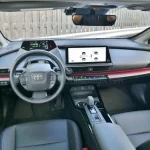
Visual guide about Toyota Corolla key fob start
Image source: toyotaautodealer.com
The good news is that starting your Corolla with a key fob is straightforward once you understand the basic steps. This guide walks you through the normal process, backup methods, warning signs of a failing fob battery, and practical troubleshooting tips. You will also learn how to keep your keyless system reliable for the long haul. By the end, you will feel confident handling both routine starts and unexpected hiccups.
Understanding Push-Button Start Basics
Before diving into the exact steps, it helps to know how the system works. Your key fob sends a low-frequency signal to the car’s receiver. When the vehicle detects the fob inside the cabin, the push-button ignition becomes active. Pressing the brake pedal tells the car you want to start the engine, and the button completes the sequence. If the fob is too far away, the car may not recognize it, and the start attempt will fail.
This system is designed for safety and convenience. The car checks for the fob before allowing the engine to crank. That is why you sometimes see a dashboard message reminding you to check the key if it is not detected. Understanding this basic flow makes it easier to spot what went wrong when a start does not happen.
Step-by-Step: Starting Your Corolla Normally
Here is the standard process for a smooth start. Follow these steps in order, and you will usually have the engine running in seconds.
- Sit in the driver seat and make sure the key fob is inside the cabin, such as in your pocket or on the seat beside you.
- Press the brake pedal firmly. The car needs to detect brake input before it allows a start.
- Press the engine start button once. You should hear the fuel pump prime and the engine crank.
- Release the button and let the engine settle. The dashboard should show a normal running status.
- Check the gauges to confirm the engine is running and no warning lights remain on.
If your Corolla has an automatic transmission, make sure it is in Park before starting. If you are trying to start in Neutral, the car may still crank, but it is safer and more reliable to begin in Park. This simple habit prevents accidental movement and reduces wear on the starter system.
What to Do When the Key Fob Battery Is Weak
A fading fob battery is one of the most common reasons a key fob start fails. The car may still recognize the fob at close range, but the signal can become inconsistent. You might notice shorter range, delayed responses, or a dashboard reminder about the key. Fortunately, there are easy ways to keep moving while you plan a battery replacement.
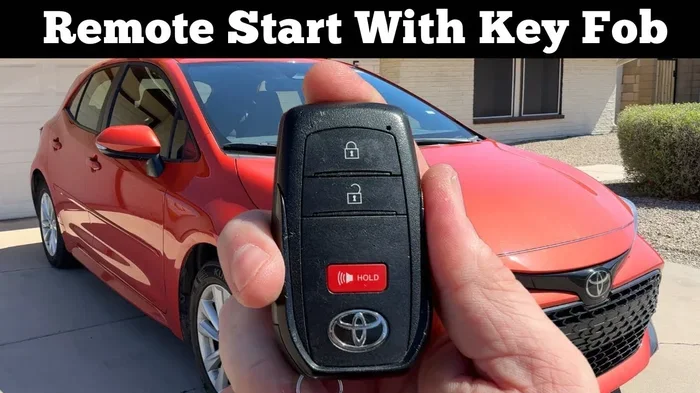
One common workaround is to hold the fob directly against the start button or place it in a designated backup spot if your model has one. Some drivers also use the physical key blade inside the fob for emergency access. If your fob battery is dying, replacing it soon is a smart move. A fresh battery restores reliable signal strength and prevents future start disruptions.
If you want a clear walkthrough for changing the battery, you can review our guide on how to change battery in Toyota Corolla key fob. That resource breaks the process into simple steps so you can do it at home with minimal tools.
Backup Starting Methods and Emergency Access
Sometimes the fob battery is completely dead, or the start button does not respond as expected. In those moments, knowing a backup method can save time and stress. The exact backup process depends on your Corolla’s year and trim, but a few general approaches usually apply.
First, try the physical key blade hidden inside the fob. Many fobs allow you to slide out the mechanical key for door access when electronic entry fails. Once you are inside, the push-button system may still work if you position the fob very close to the receiver or start button. If the car still refuses to start, check whether the car battery is weak, because a low vehicle battery can mimic a fob problem.
For owners who also use a Toyota Camry or another Toyota model, the backup process can feel similar, but the fob design and receiver location may differ. If you are ever unsure about opening the fob itself, you can look at how to open Toyota Camry key fob for a helpful overview of fob access methods. Even though it focuses on the Camry, the general idea often translates well to other Toyota key fobs.
Common Reasons the Start Button Does Not Work
If you press the button and nothing happens, do not panic. Most start issues come from a few predictable causes. Checking these possibilities first can save you from unnecessary repairs.
- Brake pedal not pressed enough: The system may ignore the start command if it does not detect firm brake pressure.
- Key fob out of range: The fob may be in a bag, purse, or compartment that blocks the signal.
- Fob battery nearly dead: A weak battery can allow limited function but fail during the start sequence.
- Car battery low or disconnected: A weak vehicle battery can prevent the electronics from activating properly.
- Transmission not in Park: Some models will not start unless the shifter is fully in Park.
- Dashboard warning active: A maintenance or security message may block the start until the issue is addressed.
If you recently had a maintenance reminder pop up, you may want to check your model year-specific reset steps. For example, some Corolla owners look for how to reset maintenance light on 2014 Toyota Corolla when they want to clear a reminder after service. That kind of step does not fix a no-start condition directly, but it helps you rule out display-related confusion.
Quick Troubleshooting Checklist
When the start system feels unresponsive, work through this short checklist before calling for help. These steps are simple, safe, and often solve the problem quickly.
1. Confirm the fob is inside the car. Move it to the center console or passenger seat and try again.
2. Press the brake firmly. Make sure your foot is fully on the pedal, not just lightly touching it.
3. Check the gear selector. Verify the transmission is in Park and the shifter is fully seated.
4. Look at the dashboard. Note any messages about the key, battery, or security system.
5. Try a backup position. Hold the fob close to the start button or another designated spot if your model has one.
6. Inspect the car battery. If the interior lights are dim or the electronics feel sluggish, the vehicle battery may need attention.
If the fob itself is the likely culprit, you may also find it useful to read how to change the battery in a Toyota key for broader fob battery guidance. That can be especially helpful if you are not sure whether your Corolla fob follows the same replacement pattern as other Toyota keys.
When to Replace the Fob Battery
You do not need to wait for a complete failure before changing the fob battery. In fact, replacing it early is easier and less stressful. Watch for these warning signs so you can stay ahead of a no-start situation.
- Shorter operating range: The door lock buttons work only when you are very close to the car.
- Intermittent button response: Some presses work, while others do nothing.
- Start button hesitation: The car sometimes recognizes the fob and sometimes does not.
- Dashboard key warnings: A message appears asking you to check the key or key battery.
- Age of the current battery: If it has been more than a year or two, replacement is a good preventive step.
Most fob batteries are small coin-style cells, and they are usually inexpensive. Swapping them is often a quick DIY job if you have a small flat tool and a careful hand. If you prefer a model-specific walkthrough, you can also check how to change Toyota Camry key battery for another example of Toyota fob battery replacement. While the exact steps may vary, the general process is often similar enough to give you confidence.
Keeping Your Keyless Start System Reliable
A little routine care goes a long way. If you want your Toyota Corolla key fob to work smoothly for the long term, build a few simple habits into your routine. These small steps reduce surprise failures and keep the start process effortless.
Store the fob away from extreme heat, cold, and moisture when possible. Avoid placing it directly on strong magnetic holders or next to devices that may interfere with its signal. Replace the battery before it is fully exhausted, especially if you rely on keyless entry every day. If you ever notice unusual behavior, test the fob with the car from different positions so you can tell whether the issue is range, battery, or something else.
It also helps to keep your car’s electrical system healthy. A weak vehicle battery can create symptoms that look like a fob issue, so pay attention to slow window movement, dim lights, or difficult starts. If you want to stay on top of basic vehicle checks, you can explore how to check tire pressure on Toyota Corolla as part of a broader habit of regular car care. Tire pressure is not directly tied to starting, but it reflects the kind of simple maintenance that keeps your car dependable overall.
Expert Tips for Smooth Starts Every Time
A few small habits make a big difference when you use a push-button ignition daily. These tips are practical, easy to remember, and useful for most Corolla owners.
Keep the fob in a consistent spot inside the car, such as a cup holder or console pocket. That reduces the chance of forgetting it or leaving it too far from the receiver. Press the brake with confidence rather than tapping it lightly. If the start button does not respond, pause and recheck the fob position before trying repeatedly. Repeated rapid presses can be frustrating and rarely help if the car has not detected the key.
If you often carry lots of items in your bag, try not to bury the fob under metal objects or electronics. Those can weaken the signal. And if you ever switch between vehicles, remember that different Toyota models may have slightly different fob behavior. For example, someone who also drives a Toyota Camry might compare notes using how to connect Bluetooth to Toyota Camry when learning the tech features of a new car. That kind of familiarity makes it easier to understand how each model handles keyless functions.
Comparison: Normal Start vs. Backup Start
The table below gives a quick side-by-side look at the usual start process and the backup approach when the fob battery is weak.
| Feature | Normal Start | Backup Start |
|---|---|---|
| Key fob condition | Strong battery, clear signal | Weak or dead battery |
| Driver action | Press brake, tap start button | Hold fob close, use backup position |
| Reliability | High, when system is healthy | Temporary, until battery is replaced |
| Best use case | Daily routine starts | Emergency or unexpected failure |
| Next step | Drive normally | Replace fob battery soon |
This comparison shows why a backup method is helpful but not a permanent fix. Use it to get moving, then replace the battery to restore full reliability.
Final Thoughts on Starting With Confidence
Learning how to start Toyota Corolla with key fob is mostly about knowing the normal sequence and recognizing the common obstacles. In most cases, the process is simple: sit inside, press the brake, and press the start button. When something goes wrong, the cause is usually easy to identify, such as a weak fob battery, a low car battery, or a missed step like the brake pedal or gear position.
The best approach is to stay prepared. Replace the fob battery before it fails completely, keep an eye on dashboard messages, and practice the backup method so it feels familiar if you ever need it. With those habits in place, you can handle everyday starts with ease and avoid unnecessary stress when the car does not respond right away.
Frequently Asked Questions
How do I start my Toyota Corolla if the key fob battery is dead?
Try holding the fob very close to the start button or in a backup detection area if your model has one. You may also be able to use the physical key blade for door access, then start the car once you are inside. If the vehicle battery is also weak, that could be part of the problem.
Why does my Corolla not detect the key fob when I press start?
The fob may be too far away, blocked by metal objects, or have a weak battery. The car may also fail to detect it if the brake pedal is not pressed firmly or the transmission is not fully in Park. Check these basics first before assuming a major fault.
Can I start my Toyota Corolla without pressing the brake pedal?
In most push-button models, you need to press the brake pedal to start the engine normally. Some vehicles allow an accessory or neutral start sequence, but that varies by model and year. For a reliable engine start, use the brake pedal as intended.
How often should I replace my Toyota Corolla key fob battery?
Many drivers replace the fob battery every one to two years, or sooner if they notice reduced range and unresponsive buttons. If your fob is already acting inconsistently, replace the battery instead of waiting for a full failure. A fresh battery usually restores dependable performance.
What should I check first if the engine does not crank at all?
Start with the simple things: confirm the fob is inside the cabin, press the brake firmly, and make sure the car is in Park. Then look for dashboard warnings and check whether the interior lights or electronics seem dim, which may point to a low car battery. If those basics check out, the fob battery or start system may need attention.
Do all Toyota Corolla models start the same way with a key fob?
Most modern Corolla models use a similar push-button start process, but the exact fob design, backup detection spot, and warning messages can vary by year and trim. If you are unsure about your specific model, check the owner’s manual for the most accurate steps. That is the safest way to confirm the right procedure for your car.