
Starting your Toyota should be simple, but sometimes the key fob or ignition system acts up. In this guide, you will learn exactly how to start Toyota with key using clear, step-by-step instructions for both traditional and push-to-start models. We also cover common problems like dead key batteries, low car batteries, and quick troubleshooting tips. By the end, you will feel confident handling start issues without stress.
Starting your car should feel easy. You press a button or turn a key, and the engine comes to life. But when that does not happen, it can be frustrating fast. If you are wondering how to start Toyota with key, you are in the right place. This guide walks you through the process in a simple, calm, and practical way.
Toyota vehicles are known for being reliable, but key systems can still cause confusion. Some models use a classic metal key. Others use a smart key fob with push-button start. A few situations can make starting feel tricky, such as a weak key battery, a dead car battery, or a locked steering wheel. The good news is that many of these issues are easy to check at home.
In this article, we will cover the basics first, then move into troubleshooting. You will learn what to do if your key fob battery is low, how to start a push-to-start Toyota when the fob is not responding, and what signs suggest a bigger problem. We will also share practical tips so you can handle common start issues with confidence.
Key Takeaways
- Know your system: Traditional keys and push-to-start fobs work differently, so identify your model first.
- Check the key battery: A weak key fob battery is one of the most common reasons a Toyota will not start.
- Use the backup start method: Most push-to-start Toyotas let you hold the fob directly against the start button.
- Watch for low car battery signs: Dim lights, slow electronics, or clicking sounds often point to a weak 12V battery.
- Keep a spare key ready: A backup key can save time when the main fob has a dead battery or signal issue.
- Try simple fixes first: Shift to Park, recheck the brake pedal, and confirm the steering wheel is not locked.
- Know when to get help: If the engine cranks but does not start, or nothing happens at all, it may be time for professional service.
📑 Table of Contents
- Understanding Your Toyota Key System
- How to Start Toyota With Key Using a Traditional Ignition
- How to Start Toyota With Key Fob and Push-Button Start
- How to Start Toyota With Key When the Key Battery Is Dead
- How to Start Toyota With Key When the Car Battery Is Low
- Common Starting Problems and Quick Fixes
- When to Get Professional Help
- Helpful Related Checks for Toyota Owners
- Final Thoughts on Starting Your Toyota
Understanding Your Toyota Key System
Before you try to start the car, it helps to know which type of key system you have. Toyota uses a few different setups, and each one behaves a little differently. Once you understand the system, the starting process becomes much easier.
Traditional Metal Key
Older Toyota models often use a physical key that fits into the ignition cylinder. This is the simplest system. You insert the key, turn it to the accessory position, and then turn it further to start the engine. If the key is worn or the ignition cylinder is dirty, the key may feel sticky or hard to turn.
If the key does not turn, do not force it. Check whether the steering wheel is locked. A slight turn of the wheel can release the lock and let the key move again. This is a common issue, especially when the car is parked with the wheels pressed against a curb.
Smart Key Fob with Push-Button Start
Many newer Toyota vehicles use a smart key fob and a push-to-start button. With this system, you usually keep the fob in your pocket or bag. The car detects the key when you touch the brake pedal and press the start button. This setup is convenient, but it depends on a working fob battery and a strong enough signal.
If the fob battery is weak, the car may not detect the key right away. In that case, the dashboard may show a message like “Key not detected” or “Replace key battery.” That is your cue to check the fob first before worrying about the engine itself.
Keyless Entry and Start Basics
Keyless systems are designed for ease. They let you unlock the doors and start the car without removing the fob from your pocket. Still, they are not magic. They rely on electronics, sensors, and a healthy car battery. If one part fails, the starting process can interrupt.
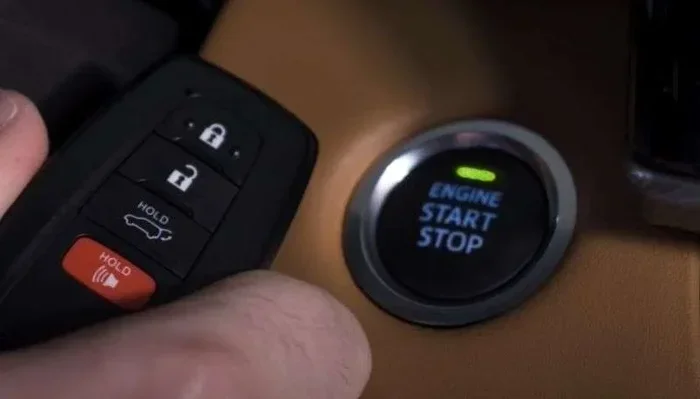
That is why it is useful to know the backup method. Most push-to-start Toyotas include a way to start the car even when the fob battery is dead. Usually, you place the fob directly against the start button or in a special backup spot. The car can then read the key through a closer signal.
How to Start Toyota With Key Using a Traditional Ignition
If your Toyota uses a regular key in the ignition, the process is straightforward. The main goal is to turn the key smoothly and make sure the car is in the right mode before starting the engine.
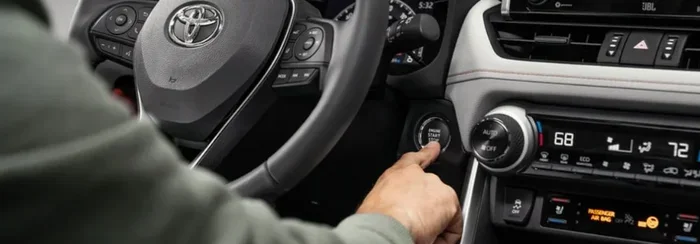
Visual guide about Toyota key start car
Image source: earnhardttoyota.com
Step-by-Step Starting Process
1. Sit in the driver’s seat and make sure the parking brake is set.
2. Confirm the transmission is in Park.
3. Insert the key into the ignition.
4. Turn the key to the accessory position first, if needed, to check the dashboard.
5. Turn the key fully to the start position while gently pressing the brake pedal.
6. Release the key once the engine starts.
If the engine does not start right away, pause for a moment. Try again without cranking it too long. Repeated long cranks can drain the battery and make the problem worse.
What to Do If the Key Will Not Turn
A key that will not turn is annoying, but it is often simple to fix. First, check the steering wheel. If it is locked, move it slightly left and right while trying the key again. This can free the ignition lock.
Next, look at the key itself. A bent, worn, or damaged key may not sit correctly in the cylinder. If you have a spare key, try that one. If the spare works, the original key may need replacement.
You should also check whether the gear selector is fully in Park. Some cars will not let the ignition turn if the transmission is not locked into Park properly. Shift back to Neutral and then to Park again if needed.
How to Start Toyota With Key Fob and Push-Button Start
Push-to-start systems are very common in modern Toyotas. They are designed to be easy, but they can confuse people when the car does not respond. If you are trying to figure out how to start Toyota with key in a push-button model, the first step is usually to check the fob and the start conditions.
Normal Starting Steps
1. Enter the car with the key fob.
2. Press the brake pedal firmly.
3. Check that the dashboard shows the car is ready to start.
4. Press the engine start button once.
5. Release the button after the engine starts.
In most cases, this is all you need. The car should detect the key fob automatically. If it does not, do not keep pressing the button repeatedly. Instead, check for a message on the dashboard or try the backup method below.
Backup Method When the Key Fob Battery Is Weak
If the fob battery is low, the car may not sense the key from a distance. Many Toyota models allow a backup start. You usually hold the fob directly against the start button or place it in a marked backup area. This brings the key close enough for the car to read its signal.
Once the fob is in the backup position, press the start button while holding the brake pedal. If the system works, the engine should start normally. After that, you can replace the fob battery at your convenience.
If you are not sure where the backup spot is, check your owner’s manual. Different models may use a different location, such as a cup holder area, a console slot, or the back of the start button.
How to Start Toyota With Key When the Key Battery Is Dead
A dead key fob battery is one of the most common start problems. The car may still run fine, but it cannot detect the key well enough to allow the engine to start. The good news is that this issue is usually easy to work around.
Signs of a Weak Key Fob Battery
- The car does not detect the key when you press the start button.
- The door handle unlock may not work consistently.
- The dashboard shows a key detection warning.
- The fob button feels normal, but the range seems shorter than before.
If you notice these signs, the fob battery is a likely culprit. Before replacing it, try the backup start method. That can get you moving right away.
Quick Fixes to Try First
1. Hold the fob close to the start button or backup location.
2. Make sure the brake pedal is fully pressed.
3. Check that the car is in Park.
4. Try the spare key fob if you have one.
5. Replace the fob battery as soon as possible.
If you want help with the battery replacement process, you can read our guide on how to change the battery on a Toyota key. A fresh battery often solves detection problems quickly.
Replacing the Key Battery
Key fob batteries are usually small and inexpensive. The replacement process is often simple, but the exact steps depend on the fob design. Some open with a small slider, while others need a careful pry point. Use gentle pressure so you do not damage the casing.
After replacing the battery, test the fob right away. Try unlocking the doors and starting the car. If the car still does not detect the key, the issue may be something else, such as a car battery problem or a sensor concern.
How to Start Toyota With Key When the Car Battery Is Low
Sometimes the problem is not the key at all. A weak car battery can stop the engine from starting, even if the key fob is working normally. This is important to understand because the symptoms can feel similar.
Common Signs of a Low Car Battery
- The interior lights look dim.
- The dashboard lights fade when you press the start button.
- You hear a clicking sound instead of the engine turning over.
- Electronics respond slowly or not at all.
If you see these signs, the car may need a battery charge or replacement. A jump start can help in some situations, especially if the battery is simply drained. If you drive a hybrid or electric model, the starting behavior may be different, so it is worth checking the vehicle’s specific guidance.
What You Can Try
1. Turn off all extra electronics, such as the radio and climate controls.
2. Check whether the headlights or interior lights are left on.
3. Try starting again after a short pause.
4. If the battery is dead, use a jump starter or another vehicle if appropriate.
5. If jumping does not help, the battery or charging system may need service.
If you own a Prius and need a jump start, you can check our article on how to jump a Toyota Prius for model-specific guidance.
Common Starting Problems and Quick Fixes
Even when you know how to start Toyota with key, some issues can still interrupt the process. The best approach is to stay calm and check the simplest causes first. Most starting problems come from a few common sources.
Steering Wheel Lock
The steering wheel can lock when the car is off. If the wheel is under pressure, the ignition may not turn or the start system may feel stuck. A small movement of the wheel often releases the lock.
Not in Park
Push-to-start and traditional ignition systems both usually require the car to be in Park. If the shifter is slightly out of position, the car may refuse to start. Shift firmly into Park and try again.
Brake Pedal Not Detected
For push-button start, the brake pedal must be pressed. If the pedal is not pressed firmly enough, the car may not start. Make sure your foot is applying solid pressure on the brake.
Key Fob Signal Interference
Sometimes outside interference can affect the key signal. Thick walls, nearby electronics, or even a phone case can occasionally weaken the signal. If that happens, bring the fob closer to the car or use the backup method.
Engine Cranks But Does Not Start
If the engine turns over but does not fire, the issue may be fuel, ignition, or another mechanical concern. This is different from a no-crank situation. In that case, repeated starting attempts usually will not help. It is better to stop and have the vehicle checked.
Quick Tips for Faster Troubleshooting
- Always check Park and brake pedal first.
- Try the spare key if the main key fails.
- Look for dashboard messages about the key or battery.
- Keep the key fob away from heat and moisture when possible.
- Replace fob batteries before they die completely.
Common Mistakes to Avoid
- Forcing the key in the ignition.
- Holding the start button down for too long.
- Ignoring a weak key fob battery until it fails completely.
- Assuming every start issue is the engine, when it may be the key or battery.
- Skipping the owner’s manual when your model has a special backup start method.
When to Get Professional Help
Many starting issues are simple, but some need professional attention. If the car does not respond at all, or if the battery keeps dying, it may point to a deeper electrical problem. If the engine cranks slowly or not at all even after a jump start, the battery, alternator, or connections may need inspection.
You should also get help if the key fob still does not work after replacing the battery. That could mean a damaged fob, a programming issue, or a vehicle system concern. A locksmith or dealership may be able to help with key replacement or reprogramming if needed.
If you are not comfortable checking batteries or jump-starting the car, it is better to ask for assistance. Safety comes first. A short delay is better than guessing with electrical components.
Helpful Related Checks for Toyota Owners
Starting issues are easier to handle when you know a few related maintenance basics. For example, if your Toyota is showing a maintenance reminder, you may want to learn how to reset the Toyota Camry maintenance required light so you can keep track of routine service. A clean dashboard can make it easier to spot real warning messages too.
It also helps to stay on top of small maintenance tasks. Simple jobs like replacing the cabin air filter can improve comfort and keep the ventilation system working well. If you drive a Corolla, you can read our guide on how to change the cabin air filter in a Toyota Corolla. If you have a Camry, see how to change the cabin air filter in a Toyota Camry for step-by-step help.
These tasks may seem small, but they support the overall health of the vehicle. A well-maintained car is usually easier to start and more pleasant to drive.
Final Thoughts on Starting Your Toyota
Knowing how to start Toyota with key is mostly about understanding your system and checking the simple things first. In many cases, the issue is a weak key fob battery, a car not fully in Park, or a locked steering wheel. Once you learn the backup start method and the basic checks, you can handle most everyday start problems without panic.
Keep a spare key accessible, replace fob batteries before they fail, and pay attention to dashboard warnings. If the problem goes beyond a dead battery or a simple key issue, get the car checked by a qualified technician. With a little preparation, starting your Toyota can stay easy and stress-free.
Frequently Asked Questions
Why will my Toyota not start with the key fob?
The most common reason is a weak key fob battery, which can stop the car from detecting the key. You can often start the car using the backup method by holding the fob close to the start button or backup spot. If that does not work, check whether the car battery is low or whether the vehicle is in Park.
How do I start a push-to-start Toyota if the key battery is dead?
Hold the key fob directly against the start button or place it in the backup location specified in your owner’s manual. Then press the brake pedal and press the start button. This lets the car read the key signal more closely and may allow the engine to start.
What should I do if my Toyota key will not turn in the ignition?
Try moving the steering wheel slightly left and right while gently turning the key, since the wheel may be locked. Make sure the car is in Park and check whether the key is worn or damaged. If the spare key works, the original key may need replacement.
Can a dead car battery make it seem like a key problem?
Yes, a weak car battery can cause dim lights, slow electronics, or a no-start condition that feels similar to a key issue. If the dashboard is faint or you hear clicking, the battery may be the real problem. In that case, a charge or jump start may help.
Do I need to replace the key fob battery right away if the car still starts?
If the car still starts but the key range is shrinking or the dashboard warns about the key, you should replace the battery soon. Waiting too long can leave you stranded if the fob stops working completely. A fresh battery is usually cheap and can restore normal key detection.
When should I get professional help for a Toyota no-start issue?
Get help if the car does not start after checking the key, brake pedal, Park position, and battery. You should also seek service if the engine cranks but does not start, or if the battery keeps losing charge. A technician can check the battery, alternator, starter, and key system for deeper problems.