Yes, the Toyota Corolla is widely recognized as one of the most dependable vehicles on the road today. Buyers consistently choose this compact sedan because it delivers low maintenance costs, high resale value, and proven mechanical durability across decades of production. If you want a practical daily driver that rarely lets you down, the Toyota Corolla reliability reputation is well earned and backed by real-world data.
Key Takeaways
- Legendary Durability: The Corolla consistently ranks at the top of long-term reliability surveys due to its conservative engineering and proven powertrain design.
- Affordable Upkeep: Routine service, parts, and labor costs remain lower than most competitors, making ownership budget-friendly over time.
- Proven Track Record: Millions of units sold worldwide with many examples easily surpassing 200,000 miles when properly maintained.
- Simple Engineering: Straightforward mechanical layouts and widely available components reduce repair complexity and downtime.
- Smart Resale Value: Strong demand for used examples helps owners recover more money when it is time to upgrade or sell.
- Minor Trade-offs: Fuel economy, ride comfort, and interior materials are good but not class-leading, so expectations should stay realistic.
- Maintenance Matters: Following scheduled service intervals and addressing small issues early preserves the legendary dependability owners expect.
📑 Table of Contents
- Is a Toyota Corolla a Reliable Car? The Honest Answer
- Why Toyota Corolla Reliability Has a Strong Reputation
- How Reliable Is the Toyota Corolla in Daily Driving?
- Toyota Corolla Common Problems and Known Issues
- Toyota Corolla Maintenance Cost and Long-Term Ownership
- Toyota Corolla Fuel Economy and Efficiency
- Is the Toyota Corolla Worth Buying in 2025?
- Expert Tips for Buying a Reliable Toyota Corolla
- Final Thoughts on Corolla Dependability
Is a Toyota Corolla a Reliable Car? The Honest Answer
If you have ever asked yourself, is a Toyota Corolla a reliable car, you are not alone. This question comes up constantly because people want a vehicle that simply works. They want to start the engine, drive to work, and not worry about surprise repairs. The Corolla has built a reputation that answers this question with a strong yes. Over many years, this compact sedan has become a benchmark for everyday dependability.
People choose this car for many reasons. Some buyers want low running costs. Others want a vehicle that holds its value well. Many simply want a car that their family can trust. The Corolla delivers on all of these fronts. It does not try to be flashy. It does not chase extreme performance. Instead, it focuses on consistency, simplicity, and long-term durability. That approach has made it one of the best-selling cars in the world.
In this guide, we will look at the full picture. We will talk about what makes this sedan so dependable. We will also look at common concerns, maintenance needs, and real ownership costs. By the end, you will know exactly what to expect if you are considering this car for your next purchase.
Why Toyota Corolla Reliability Has a Strong Reputation
The reputation of this car did not happen by accident. Toyota designed the Corolla with a clear goal in mind. The goal was to build a car that could handle daily use without causing stress. That philosophy shows up in the engineering choices. The powertrain uses proven technology. The suspension balances comfort and durability. The interior materials are practical rather than extravagant. All of these choices work together to create a vehicle that ages well.

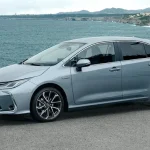
Visual guide about Toyota Corolla car side view
Image source: imgcdn.zigwheels.us
Another reason for the strong reputation is the massive global sales volume. When millions of cars are on the road, patterns become easy to see. If a design had serious flaws, they would show up quickly. Instead, the Corolla has maintained a steady record of low complaint rates. Many owners report smooth operation for years with only routine service. That kind of consistency builds trust.
It also helps that the car is easy to live with. The controls are straightforward. The driving dynamics are predictable. The fuel economy is competitive without requiring complicated hybrid systems on every trim. For buyers who want a no-nonsense daily driver, this simplicity is a major advantage.
Conservative Engineering Pays Off
Toyota often chooses proven solutions over experimental ones. This approach can make the car feel less exciting, but it also reduces failure points. A conservative design usually means fewer fragile parts and more predictable wear. That is exactly what many buyers want in a commuter car. When the goal is dependable transportation, steady engineering wins.
Real-World Longevity Stories
You can find many examples of high-mileage Corollas still running well. Some reach 200,000 miles and beyond with basic care. Others serve as first cars for young drivers and then move into family use. These long service lives are not magic. They come from regular oil changes, timely fluid service, and quick attention to small issues. The car gives owners a solid foundation, and good care helps it last.
How Reliable Is the Toyota Corolla in Daily Driving?
Daily driving is where a car earns its reputation. A vehicle may look great on paper, but real life tells the true story. The Corolla performs well in everyday scenarios because it is easy to drive and simple to manage. Commuting, school runs, errands, and short trips are all situations where this car shines. It starts reliably in most conditions and handles routine traffic without feeling strained.
Owners also appreciate the predictable handling. The steering feels steady. The brakes respond in a familiar way. The cabin is quiet enough for highway use, and the ride stays composed over common road surfaces. These qualities matter because they reduce fatigue. A comfortable, predictable car is easier to trust over time.
Of course, no car is perfect. Some drivers wish for a more engaging driving experience. Others want a smoother ride or more premium materials. Those are fair points. The Corolla is not trying to be a sport sedan or a luxury cruiser. It is trying to be a practical tool that works every day. For that purpose, it does very well.
What Owners Notice Most
Most owners talk about the same positives. They mention easy starts, steady performance, and low stress ownership. Many also note that the car feels familiar from the first drive. That familiarity is valuable. When a car behaves in a predictable way, it feels easier to maintain and easier to trust.
Where Expectations Should Stay Realistic
It is smart to know the limits. The interior is functional, but it does not feel especially luxurious. Road noise can rise on rough pavement. The engine is efficient, but it is not built for rapid acceleration. These points are not failures. They are simply the result of prioritizing efficiency and durability over flash. If you understand that going in, you will be much happier with the car.
Toyota Corolla Common Problems and Known Issues
Even a dependable car can have weak spots. It is important to look at these honestly. The Corolla generally avoids major systemic failures, but some areas deserve attention. Knowing them ahead of time helps you make smarter choices and plan better maintenance.
One area to watch is the battery and electrical system on newer models with start-stop technology. These systems place extra demand on the battery, so owners should use the correct battery type and replace it when performance drops. Another area is the infotainment system, which can feel slow or unresponsive on some model years. This is usually more annoying than serious, but software updates can help.
Suspension components and steering parts can also wear over time, especially on cars that see rough roads or frequent curb contact. These are normal wear items, not design disasters. Brake components, tires, and climate system parts also follow typical service life. The key is to treat them as routine maintenance rather than unexpected crises.
How to Spot Early Warning Signs
Pay attention to small changes. A battery that struggles in cold weather may need testing. A cabin filter that smells stale may need replacement. A slight vibration in the steering may point to tire imbalance or suspension wear. Catching these early keeps repair costs low and prevents minor issues from growing.
When a Problem Is Normal Wear
Not every issue means the car is unreliable. Tires wear out. Brake pads thin. Wipers smear. Filters clog. These are normal parts of owning any vehicle. The Corolla is considered dependable because it does not commonly suffer from expensive, widespread failures. Routine wear is expected, and that is very different from structural or powertrain problems.
Toyota Corolla Maintenance Cost and Long-Term Ownership
Ownership cost is a huge part of reliability. A car that rarely breaks is great, but a car that is also affordable to service is even better. The Corolla typically scores well here. Parts are widely available. Labor is usually straightforward because the engine bay is accessible and the systems are not overly complex. That means many service visits stay reasonable.
Routine maintenance matters most. Oil changes, filter replacements, tire rotations, and fluid checks form the backbone of long-term health. If you stay on schedule, you reduce the chance of larger problems later. Skipping service is one of the fastest ways to shorten a car life, no matter how reliable the model is.
If you want a broader view of how this car compares to other popular sedans, it helps to look at similar Toyota models and their value over time. You can read more in our guide on how much is a 2016 Toyota Corolla worth to see how retention and ownership costs often line up with dependable sedans.
Budget-Friendly Service Habits
Keep a simple maintenance log. Track oil change dates. Note tire rotations. Record brake inspections. This habit makes it easier to plan spending and spot patterns. It also helps if you ever sell the car, because documented care can improve buyer confidence.
Parts and Repair Accessibility
One advantage of this car is the large supply of replacement parts. Many components are shared across years and trims. That availability can make repairs faster and more affordable. It also means most shops understand the car well. You do not need a rare specialist for ordinary service.
Toyota Corolla Fuel Economy and Efficiency
Efficiency is a major reason people choose this sedan. A car that uses less fuel costs less to run every week. Over time, that adds up. The Corolla delivers strong economy for a compact sedan, especially when paired with sensible driving habits. Steady speeds, smooth acceleration, and proper tire pressure all help the car perform at its best.
If you compare trims and powertrain options, you will see that efficiency can vary. Smaller engines and lighter setups usually return better numbers. Hybrid variants can improve economy further in city driving. The right choice depends on your routine. If you spend more time in stop-and-go traffic, a hybrid may make more sense. If you drive mostly on open roads, a standard setup can still be very efficient.
For buyers comparing hybrid options across Toyota lineups, it is useful to understand how hybrid pricing and running costs differ from standard models. You can explore that in our article on how much is a Toyota Rav4 Hybrid for a broader look at hybrid ownership costs in the Toyota family.
Driving Habits That Improve Efficiency
Avoid hard launches from every stoplight. Anticipate traffic so you can coast more often. Keep tires inflated to the recommended pressure. Remove extra weight you do not need. These small habits improve real-world economy without requiring any special equipment.
Choosing the Right Trim for Your Routine
Think about your actual use, not just the brochure numbers. If your commute is short and crowded, prioritize comfort and hybrid efficiency. If you drive longer distances, focus on highway stability and standard fuel economy. Matching the trim to your routine gives you the best everyday result.
Is the Toyota Corolla Worth Buying in 2025?
The answer depends on what you value most. If you want a car that is easy to own, cheap to service, and likely to keep running without drama, the Corolla remains a very strong choice. It may not excite driving purists, but it does offer dependable transportation with a low-stress ownership experience. That is exactly what many buyers want.
Newer models continue to refine the formula. They add better safety features, cleaner interior design, and improved technology in many trims. At the same time, the core strengths remain intact. The car still focuses on practicality, efficiency, and durability. That consistency is part of why the nameplate has stayed relevant for so long.
If you are comparing it with other popular sedans, it helps to look at long-term value rather than just first-impression features. A car that costs a bit less to maintain and holds its value well can be the smarter buy over time. For a closer look at how a newer Toyota sedan holds up in value and ownership, check our piece on how much is a 2025 Toyota Camry to compare options in the same family.
Who Should Buy This Car
This car suits commuters, students, small families, and anyone who wants a straightforward daily driver. It also works well for buyers who plan to keep the car for many years. If your priority is low stress and predictable costs, this is a very sensible pick.
Who Might Want Something Else
If you want a sporty feel, a luxury cabin, or maximum towing capability, you may look elsewhere. That does not mean the Corolla is a bad car. It simply means other vehicles may fit those goals better. The right car is the one that matches your priorities.
Expert Tips for Buying a Reliable Toyota Corolla
A good purchase starts with a smart inspection. Whether you choose new or used, a careful check helps you avoid regret. Look at service records first. A well-documented car is usually a safer bet than one with an unclear history. Next, inspect the tires, brakes, battery, and suspension for signs of wear. These items tell you a lot about how the car has been treated.
For used examples, a pre-purchase inspection is worth every penny. An independent mechanic can spot leaks, worn parts, and upcoming service needs. This step is especially useful if you are considering higher mileage examples. It gives you a clear picture before you commit.
If you are shopping for a used Corolla, it also helps to understand how model years differ in value and condition. You can compare depreciation and ownership expectations in our article on how much is a 2015 Toyota Corolla worth to see how older examples typically age in the market.
Quick Checklist Before You Buy
- Service history: Look for regular oil changes and documented repairs.
- Tires and brakes: Check tread depth, uneven wear, and pad life.
- Battery health: Test charging system and battery condition, especially on newer trims.
- Fluids and leaks: Inspect for clean fluids and any signs of seepage.
- Technology check: Confirm screens, sensors, and safety features work properly.
Common Mistakes to Avoid
Do not ignore small warnings. Do not skip the pre-purchase inspection on a used car. Do not assume low mileage always means perfect condition. A car with few miles can still sit too long, age out of seals, or miss important service. Balance mileage with maintenance history for the best judgment.
Final Thoughts on Corolla Dependability
So, is a Toyota Corolla a reliable car? In plain terms, yes. It has earned that reputation through steady engineering, low complaint rates, and a long history of everyday success. It is not the most exciting car in the showroom, but it is one of the easiest to trust. For buyers who want a practical sedan with manageable costs and strong long-term prospects, the Corolla makes a lot of sense.
The best results come when you match the car to your needs and care for it properly. Keep up with routine service. Address small issues early. Choose the trim that fits your driving habits. Do those things, and you are very likely to enjoy a smooth, dependable ownership experience. That is the real strength of this car. It gives you a solid foundation and asks only for reasonable care in return.
If you are still weighing your options, think about the long view. A car is not just about how it feels on day one. It is about how it treats you over years of commutes, errands, and family trips. The Corolla has a strong record of doing exactly that. For many drivers, that is enough to make it a top choice.
Frequently Asked Questions
Is a Toyota Corolla a reliable car for long-term ownership?
Yes, the Corolla is widely considered a dependable choice for long-term ownership because of its proven mechanical design and low routine repair frequency. Owners who follow scheduled maintenance often report years of stable performance with manageable service costs.
What are the most common problems in a Toyota Corolla?
Most common issues are normal wear items such as brake pads, tires, battery aging, and occasional infotainment slowness on newer trims. Serious powertrain failures are uncommon, so the car is generally seen as stable and predictable when serviced on time.
How much does it cost to maintain a Toyota Corolla each year?
Annual maintenance costs are usually moderate compared with many compact sedans, especially when you stay on schedule with oil changes, filters, and tire care. Exact costs vary by model year, driving habits, and local labor rates, but the car is known for keeping everyday upkeep affordable.
Does the Toyota Corolla have good fuel economy?
Yes, the Corolla delivers competitive fuel economy for a compact sedan, and hybrid versions can improve efficiency further in city driving. Real-world results depend on trim, driving style, and road conditions, but the car is generally a strong choice for lower weekly fuel costs.
Is a used Toyota Corolla a smart buy?
A used Corolla can be a smart buy if you verify service history, inspect tires and brakes, and check for any signs of deferred maintenance. These cars often hold value well and remain practical for budget-conscious buyers who want a low-stress second or first vehicle.
Which Toyota Corolla trim is the most reliable?
Reliability is strong across the lineup, so the best trim depends more on features and powertrain fit than on one clearly superior option. Simpler configurations often have fewer complex components, while hybrid trims can offer excellent efficiency for city use, so choose based on your routine and budget.