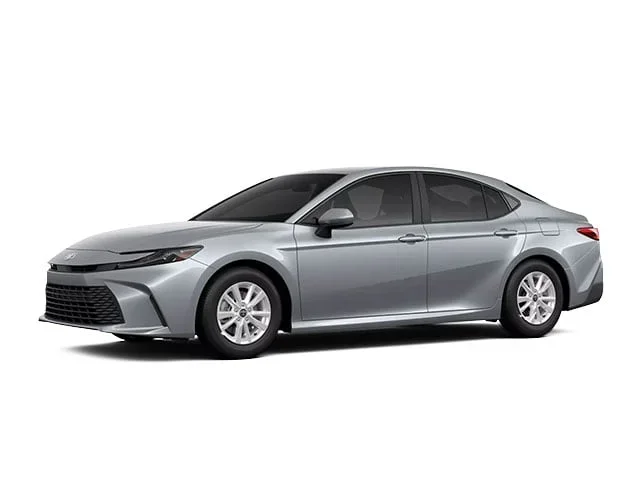

The Toyota Camry is not a full-size vehicle. It belongs to the mid-size sedan category, offering a perfect balance between space and efficiency. While it feels spacious inside, it does not match the full-size sedan standards like the Chevrolet Impala. Understanding this distinction helps you choose the right car for your needs.
When you look at the Toyota Camry, you might wonder where it fits in the car world. Many buyers ask if this popular sedan counts as a full size vehicle. It is a common question because the Camry feels big enough for most families. However, the automotive industry has specific rules about car sizes. These rules depend on length, wheelbase, and interior volume.
Understanding the vehicle classification matters when you shop for a car. It affects price, fuel economy, and parking ease. A mid-size sedan like the Camry offers a sweet spot. It gives you comfort without the bulk of a larger car. In this article, we will explore the truth about the Camry size. We will look at dimensions and compare it to other cars.
You will learn why the Camry sits in the mid-size category. We will also discuss how it compares to full-size sedans. By the end, you will know exactly what you are buying. This knowledge helps you make a smart choice for your driveway. Let us dive into the details of this iconic Toyota.
Key Takeaways
- Vehicle Class: The Toyota Camry is classified as a mid-size sedan, not a full-size vehicle.
- Interior Space: It offers ample legroom and cargo space for daily commuting and family use.
- External Dimensions: Its length and width are smaller than traditional full-size sedans.
- Fuel Efficiency: Mid-size classification allows for better gas mileage compared to larger vehicles.
- Market Position: It competes with other mid-size cars like the Honda Accord and Nissan Altima.
- Passenger Comfort: It comfortably seats five passengers, but trunk space is less than full-size models.
- Buying Decision: Knowing the size class helps you compare prices and features accurately.
📑 Table of Contents
Understanding Toyota Camry Vehicle Classification
Car experts group vehicles into classes based on size. The Toyota Camry falls squarely into the mid-size sedan group. This class sits between compact cars and full-size sedans. It is the most popular segment in the United States market. Many families prefer this size for daily driving.
The EPA vehicle size class system helps define these groups. They look at the combined passenger and cargo volume. The Camry offers enough room for four or five people. However, it lacks the massive trunk of a full-size vehicle. This distinction is key for understanding its market position.
Mid-Size vs Full-Size Sedan
The main difference lies in the dimensions. A full-size sedan usually stretches over 190 inches. The Camry length is typically around 192 inches for recent models. This puts it on the border, but interior volume decides the class. Full-size cars prioritize maximum passenger space above all.
Mid-size cars focus on balance. They offer good space but keep weight down. This helps with fuel efficiency and handling. The Toyota Camry reliability is famous, but its size also helps maintenance costs. Smaller cars often cost less to repair than massive full-size vehicles.
Why the Camry Feels Large
Many drivers think the Camry is bigger than it is. The design creates a sense of space. The cabin room is generous for a mid-size car. High seating positions and wide doors help entry. This makes the Camry interior space feel very welcoming.
The trunk is also useful for groceries or luggage. While not full-size trunk capacity, it holds enough for most trips. This practicality adds to the feeling of size. You get the utility without the heavy footprint. This is why the Toyota Camry resale value remains strong over time.
Toyota Camry Dimensions and Measurements
Numbers tell the real story about car size. The Toyota Camry specifications show exact measurements. These figures help you compare it to other vehicles. You can see where it fits in the sedan dimensions landscape. Let us look at the key metrics.

Visual guide about Toyota Camry sedan exterior
Image source: motorbiscuit.com
Length is the most obvious measure. Recent models measure near 192 inches. This is slightly longer than some compact cars. However, full-size sedans can exceed 200 inches. The width is also important for parking. The Camry width fits easily in standard parking spots.
Length and Wheelbase
The wheelbase affects how stable the car feels. A longer wheelbase usually means a smoother ride. The Camry wheelbase is competitive for its class. It provides a comfortable ride on highways. This contributes to the Toyota Camry safety features working effectively.
You can check specific model years for exact numbers. For example, older models might differ slightly. If you need precise data, you can read about How Much Is A 2023 Toyota Camry to see specs. Knowing the length helps you judge garage fit. It also helps when towing or carrying long items.
Width and Height
Width determines how easy it is to park. The Toyota Camry is not too wide for city streets. It navigates tight spaces better than full-size vehicles. Height affects headroom for taller passengers. The Camry height offers good clearance for most adults.
These dimensions contribute to its vehicle classification. It is not too bulky, yet not too small. This balance is why it sells so well. You get a mid-size sedan that handles like a smaller car. Yet it feels substantial on the road.
Interior Space and Passenger Comfort
Inside the car is where you spend your time. The Toyota Camry interior is designed for comfort. Legroom and headroom are key metrics here. Passengers appreciate the space on long drives. This is a major selling point for the brand.
Front seats are supportive and adjustable. Rear seats offer decent space for adults. While not full-size luxury levels, it is very usable. Families find it works well for car seats too. The Toyota Camry maintenance schedule is also easy to manage due to accessible parts.
Cargo Capacity and Trunk Space
The trunk is where full-size vehicles usually win. The Camry trunk space is around 15 cubic feet. This is good for a mid-size sedan. You can fit several suitcases or grocery bags. It is not as big as a hatchback or SUV.
If you need more space, you might look elsewhere. Some buyers compare it to the Toyota RAV4 for cargo. You can learn How Much Is A Toyota Rav4 Hybrid for comparison. SUVs offer more vertical space. But the Camry trunk is secure and smooth.
Seating Arrangement and Legroom
The seating layout is standard for five passengers. Two adults in front and three in back. The Camry legroom is sufficient for most heights. Tall adults might prefer the front seats. The Toyota Camry fuel economy is also better with lighter loads.
Comfort features add to the experience. Climate control and noise insulation help. These make the cabin feel larger than it is. The Toyota Camry driving experience is smooth and quiet. This enhances the perception of space inside.
Comparing Camry to Full-Size Competitors
To understand the size, compare it to rivals. The Toyota Camry competes with the Honda Accord. Both are mid-size sedans. They share similar dimensions and features. This confirms the Camry class status.
True full-size sedans include the Chevrolet Impala. These cars are longer and wider. They offer more rear space but cost more. The Toyota Camry price is usually lower than full-size vehicles. This makes it a value choice for many.
Performance and Handling Differences
Size affects how a car drives. Full-size vehicles can feel heavy in turns. The Camry handling is nimble and responsive. It is easier to park and maneuver. This is great for city driving and commuting.
Engine options also vary by size. The Toyota Camry engine choices are efficient. Full-size cars often have larger engines for weight. This impacts Toyota Camry maintenance costs over time. Smaller engines often need less fuel.
Price and Value Considerations
Price reflects the size and features. The Toyota Camry cost is competitive in its class. You get more tech for the money sometimes. Full-size sedans are becoming rarer in the market. This affects their Toyota Camry resale value comparison.
Depreciation is slower for popular mid-size cars. Buyers want reliable mid-size sedans more than full-size vehicles. This keeps the Camry value high. You can check How Much Is A Toyota Camry Hybrid for specific trim values. Knowing the value helps your budget planning.
Fuel Economy and Efficiency Benefits
One big advantage of the Toyota Camry is efficiency. Being a mid-size sedan helps here. It is lighter than full-size vehicles. This means less energy is needed to move it. The Toyota Camry fuel economy is a strong selling point.
Gas prices change often. A efficient car saves money over time. The Camry miles per gallon is competitive. Hybrid models offer even better numbers. This makes it a smart financial choice.
Engine Options and MPG
You can choose different engines for the Camry. Gas engines offer good power and efficiency. Hybrid models boost the Toyota Camry fuel economy significantly. This flexibility suits different driving needs. You do not need a full-size vehicle for power.
Maintenance ties into efficiency too. Regular oil changes keep the engine running well. You might wonder How Many Quarts Of Oil Does A Toyota Camry Take for service. Proper care ensures you keep getting good mileage. This adds to the Toyota Camry reliability reputation.
Long-Term Ownership Costs
Smaller cars often cost less to insure. The Toyota Camry insurance rates are reasonable. Full-size vehicles might cost more to repair. Parts and labor can be higher for larger cars. The Toyota Camry maintenance costs are generally low.
Tires and brakes are sized for the vehicle. A mid-size sedan uses standard parts. This keeps ownership affordable. You save money without sacrificing comfort. This is why the Toyota Camry remains a top seller.
Who Should Buy a Toyota Camry
The Toyota Camry suits many types of buyers. Families love the Camry interior space. Commuters enjoy the Toyota Camry fuel economy. It is a versatile choice for many lifestyles. You do not need a full-size vehicle for most tasks.
If you tow heavy loads, look elsewhere. The Toyota Camry is not a truck or SUV. But for daily driving, it is perfect. It handles well in traffic and on highways. The Toyota Camry safety ratings are also excellent.
Family and Daily Use
Parents need space for kids and gear. The Camry legroom fits car seats easily. The trunk holds strollers or sports equipment. It is a practical mid-size sedan for families. You get comfort without the bulk.
Safety is a top priority for families. The Toyota Camry safety features protect everyone. Crash tests show strong performance. This gives peace of mind on every trip. It is a responsible choice for parents.
City Driving and Commuting
City drivers need easy parking. The Camry dimensions help here. It fits in tight spots better than full-size vehicles. The Toyota Camry driving experience is smooth in traffic. You save money on gas too.
Commuters spend hours in the car. Comfort is key for long sits. The Toyota Camry interior reduces fatigue. Noise levels are low on the highway. This makes daily driving pleasant and easy.
Conclusion
So, is a Toyota Camry a full size vehicle? The answer is no. It is a mid-size sedan that offers excellent balance. It provides comfort and space without the size of a full-size sedan. This classification helps you understand its value and performance.
The Toyota Camry remains a top choice for many reasons. It saves fuel and costs less to own. The Toyota Camry reliability is legendary among drivers. You get a car that fits most lifestyles perfectly. Knowing the size class helps you compare options wisely.
Choose the Camry if you want practicality. It is not the biggest car, but it is very capable. You will enjoy the Toyota Camry driving experience daily. Make sure to check specs for your specific model year. This ensures you get the right fit for your needs.
Frequently Asked Questions
Is the Toyota Camry considered a full-size car?
No, the Toyota Camry is classified as a mid-size sedan. It does not meet the interior volume requirements for full-size vehicles. However, it offers plenty of space for most drivers.
How long is a Toyota Camry compared to full-size sedans?
The Camry length is around 192 inches. Full-size sedans are often longer than 200 inches. This makes the Camry easier to park in cities.
Does the Camry have enough trunk space for a family?
Yes, the Camry trunk space is sufficient for family trips. It holds about 15 cubic feet of cargo. It is smaller than a full-size vehicle trunk but very practical.
Is a Toyota Camry good for tall passengers?
The Toyota Camry interior offers good headroom and legroom. Tall adults fit comfortably in the front seats. Rear space is decent for average height adults.
What are the main differences between Camry and full-size cars?
Full-size vehicles are longer and heavier. The Toyota Camry is more fuel-efficient and agile. You save money on gas and maintenance with the Camry.
Should I buy a Camry or a full-size sedan?
Choose the Toyota Camry for better efficiency and handling. Pick a full-size sedan if you need maximum rear passenger space. Most buyers prefer the mid-size sedan balance.